Rio Grande
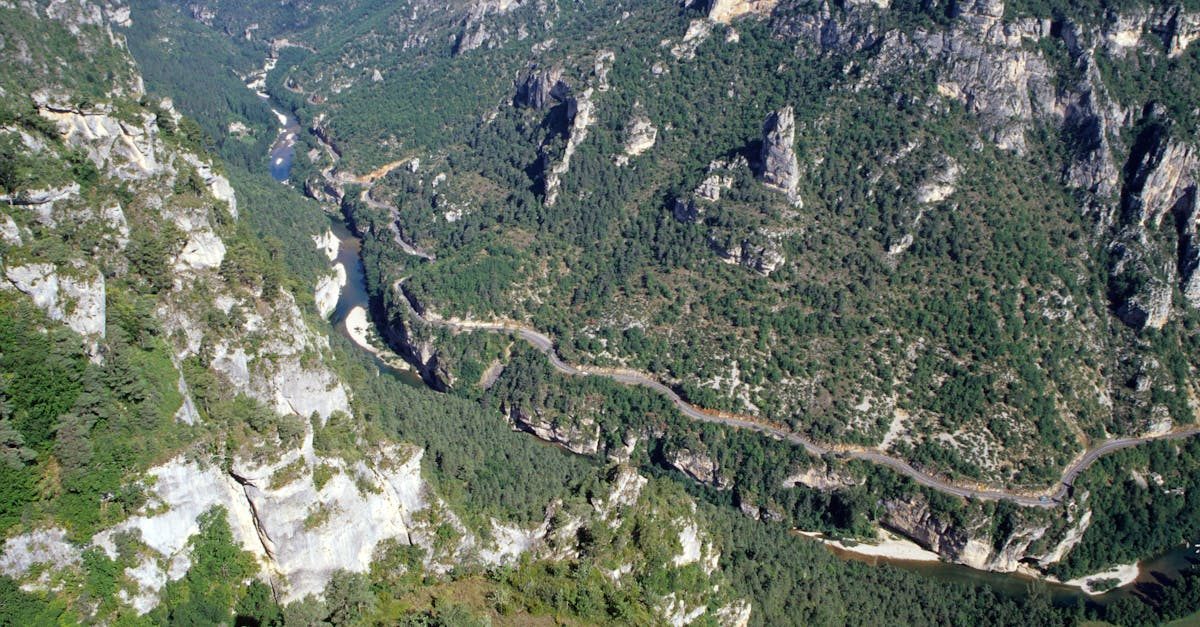
The Rio Grande through Taos County is one of the most dramatic fly fishing settings in the American West, carving through an 800-foot volcanic basalt gorge below the surrounding mesa. This powerful freestone river offers exceptional fishing for wild brown trout and cuttbow hybrids, legendary spring caddis hatches, and a wilderness experience close to the art town of Taos.
Rio Grande Fishing Report & Current Conditions
The Rio Grande is a freestone fishery, and it fishes best in spring and fall. Live USGS streamflow readings update throughout the day, while the monthly median flows below map the river's typical discharge across the year. Together they show current fishability and how today's water compares to the seasonal norm.
Current Conditions
Typical Monthly Flows
Historical median discharge (CFS) by month: Rio Grande
Overview
The Rio Grande begins its 1,900-mile journey to the Gulf of Mexico high in the San Juan Mountains of southern Colorado. By the time it enters New Mexico near the town of Costilla, it has grown into a substantial river. The most celebrated fly fishing water lies in Taos County, where the river carves through the Rio Grande Gorge, a stunning volcanic chasm that drops 800 feet below the surrounding mesa.
The upper gorge section, above the confluence with the Red River near Questa, requires a steep one-mile hike from the rim to the river, but rewards anglers with solitude and large, wild brown trout in a spectacular canyon environment. The river here flows through black volcanic basalt walls, creating deep pocket water, plunge pools, and powerful runs that hold fewer but larger fish than many New Mexico streams. Browns commonly reach 16-20 inches, and occasional trophy fish exceeding that mark make an appearance each season.
The Pilar section through the Orilla Verde Recreation Area offers the most accessible fishing, with approximately 10-11 miles of river paralleling NM-567. This is big water fly fishing that demands heavier tackle, confident wading skills, and respect for powerful currents. The volcanic boulder-studded bottom creates classic pocket water structure, and the deep banks and undercut ledges hold quality brown trout year-round.
The Rio Grande fishes best in two windows: spring (March-May) before snowmelt runoff, when outstanding caddis and BWO hatches bring big browns to the surface, and fall (September-November), when browns become aggressive ahead of the spawn and the water runs clear and low. The legendary spring caddis hatch typically begins around Mother's Day near Pilar and progresses upstream over several weeks, providing some of the best dry fly fishing in the state. Western March Browns and Blue-winged Olives start as early as late February in warm years.
Water Characteristics
The Rio Grande through the Taos gorge is a classic high-desert freestone river with significant seasonal flow variation. Water clarity varies dramatically by season and flow level. During low flows in fall and winter, visibility can reach 3-5 feet, allowing for some sight fishing in the shallower pocket water. During spring, even before runoff, the river typically carries a greenish tint with 1-3 feet of visibility. During runoff, visibility drops to zero.
Water temperatures range from near-freezing in winter (December-February) to the low 60s in late summer. The optimal trout feeding window (50-60 degrees F) occurs in spring (April-May) and fall (September-October), which aligns with the best fishing seasons. The river's substrate is predominantly volcanic basalt boulders, cobble, and bedrock shelves, creating exceptional structure and pocket water but offering limited spawning habitat, which explains the lower trout densities compared to gravel-bottomed rivers.
The insect community is diverse and productive. Caddisflies dominate, particularly the spotted sedge that creates the spring spectacle. Western March Browns, Blue-winged Olives, and various stonefly species round out the mayfly and stonefly communities. Terrestrials (ants, beetles, and grasshoppers) contribute significantly to the trout diet from July through September.
Wading & Float Guide
Wading the Rio Grande through the Taos gorge is serious business and demands respect. This is a powerful, big river with strong currents, a boulder-studded bottom of volcanic rock, and depths that can reach well over head-high in the pools and main channels. At normal spring and fall flows (300-800 cfs at the Taos Junction gauge), experienced anglers can wade the margins, fish the pocket water behind boulders, and work the edges of deeper runs. However, crossing the main channel is dangerous and generally not advisable.
The volcanic basalt cobble and boulder bottom provides decent footing when dry, but becomes extremely slippery when wet due to algae growth. Felt-soled boots or aggressive studded boots are essential, and a wading staff is not optional. Chest waders are recommended year-round, as the deepest fishable water often requires thigh-to-chest-deep wading to reach productive lies.
During runoff (typically mid-May through late June), the Rio Grande swells to 2,000-4,000+ cfs and becomes a chocolate-brown torrent that is completely unfishable and extremely dangerous. Always check the USGS gauge before heading out. The hike-in upper gorge sections are particularly committing; once you descend the steep trail to the river, you are a mile from your vehicle with no easy escape if conditions deteriorate.
Taos Junction Bridge to Dunn Bridge
Upper gorge float combining good fishing with exciting whitewater. Technical Class III rapids including Dead Car Rapids. Requires advanced whitewater skills. Wild brown trout in deep volcanic pocket water and undercut basalt banks.
Dunn Bridge to Orilla Verde (Pilar Section)
The most popular float section through the heart of the Orilla Verde Recreation Area. Class II-III rapids with several notable drops. Outstanding spring caddis fishing and fall brown trout action. Put-in and take-out at BLM facilities.
Orilla Verde to Embudo
Lower gorge section with easier rapids and more wade-friendly water. Good brown trout populations with less fishing pressure than upstream sections. Full-day trip. River begins to widen as it approaches the confluence with the Embudo River.
Rod & Tackle Guide
Rio Grande Gorge (wade fishing)
- Rod
- 9' 5-weight or 6-weight
- Line
- Weight-forward floating; bring a sink-tip for streamers
- Leader & Tippet
- 9' tapered to 3X or 4X; heavier fluoro for streamers
Big river demands a bigger rod. The 6-weight handles wind, large dry flies, weighted nymph rigs, and streamers more comfortably. Bring a wading staff and wear chest waders. Studded boots essential for slippery basalt.
Float trips (Orilla Verde and gorge sections)
- Rod
- 9' 6-weight (primary) with 9' 5-weight as backup
- Line
- Weight-forward floating and 200-grain sink-tip for streamers
- Leader & Tippet
- 9' tapered to 3X-4X for dries/nymphs; heavy fluoro for streamers
Two-rod setup ideal: one for dry-dropper and nymphing, one rigged for streamers. The 6-weight is the better all-around boat rod. PFD required for floating.
Best Time to Fish the Rio Grande
Spring
Spring is the crown jewel season on the Rio Grande, assuming you time it right. March and April offer excellent fishing before runoff, with Western March Brown and Blue-winged Olive hatches bringing browns to the surface on overcast afternoons. By late April or early May (depending on snowpack), the legendary caddis hatch begins. This is what the Rio Grande is famous for: massive emergences of spotted sedge caddis that bring the biggest browns up to slash at skittering adult patterns. Elk Hair Caddis and Stimulators in sizes 14-16 cast tight to the banks and dead-drifted or skated can produce explosive strikes. Watch the USGS gauge closely; by mid-May, runoff typically makes the river unfishable.
Fall
Fall transforms the Rio Grande into a brown trout streamer fisherman's paradise. As September temperatures cool and flows drop to their annual lows (200-400 cfs), large brown trout become aggressive and territorial ahead of the October-November spawn. Swing or strip olive and black Woolly Buggers, Muddler Minnows, and sculpin patterns through deep banks, pocket water, and pool tailouts. BWO hatches return on overcast days, providing some dry fly action, but fall is primarily a nymphing and streamer season. The crowds vanish after Labor Day, and the gorge is yours. By November, ice begins forming along the margins, and fishing slows considerably.
Fishing Pressure & Local Tips
The Rio Grande through Taos County receives moderate fishing pressure, far less than the San Juan River but more than the remote mountain streams. The Orilla Verde Recreation Area section near Pilar sees the most concentrated pressure, as it offers easy road access and well-maintained trails to the river. Spring weekends during the caddis hatch (late April through May) can be busy, with guided float trips launching and wade anglers working the banks.
The hike-in upper gorge sections receive very light pressure due to the strenuous access. The one-mile hike with 800 feet of elevation gain (on the way out) filters out casual anglers, and those willing to make the effort are often rewarded with solitude and less-pressured fish. Weekday fishing at any time of year offers the best combination of good conditions and minimal competition. Winter is nearly deserted, though the fishing slows considerably as water temperatures drop.
Local Knowledge
The Rio Grande rewards anglers who can read big water and identify productive lies in complex boulder gardens. Focus on the cushion of slack water immediately in front of and behind large boulders, the seams where fast current meets slower water, the deep undercut banks along the basalt walls, and the tail-outs of deep pools where the river shallows and oxygenates.
For spring caddis fishing, cast your dry fly tight to the banks and into the pocket water, within inches of the boulders if possible. Browns hold tight to structure in this powerful current and won't move far for a fly. For streamer fishing in fall, fish methodically, covering every likely lie with short casts and strips or swings. The biggest fish will be in the deepest, slowest water where they can ambush prey without fighting current.
Local fly shops in Taos (Taos Fly Shop and Los Rios Anglers) maintain current fishing reports and rent equipment. The USGS gauge at Taos Junction Bridge (08276500) is the key flow reference: optimal wade fishing occurs at 200-600 cfs, while float fishing is comfortable at 400-1,200 cfs. Above 1,500 cfs, the river becomes dangerous.
Species Present
Brown Trout
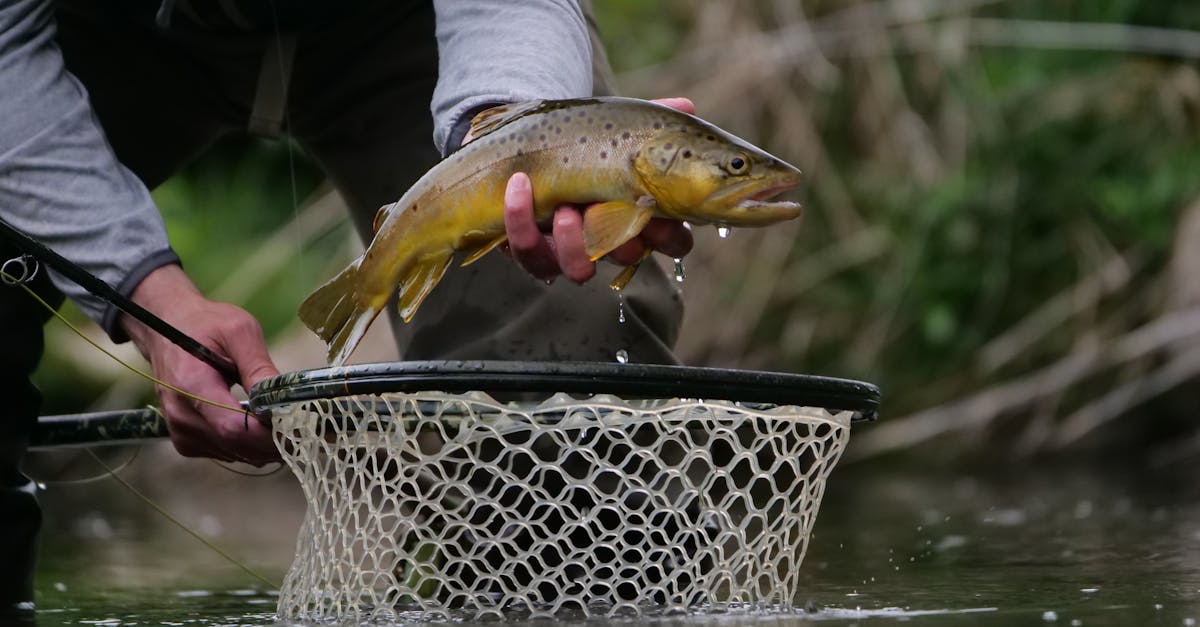
The brown trout is the most cunning and elusive trout species swimming in Montana's rivers, and it rewards patient, skilled anglers with some of the state's most memorable catches. Originally native to Europe and western Asia, brown trout were first introduced to North American waters in 1883 and arrived in Montana shortly thereafter. They have since established robust, self-sustaining populations in virtually every major trout stream in the state, from the legendary spring creeks of the Paradise Valley to the sweeping runs of the lower Madison and the deep pools of the Bighorn. Brown trout grow larger than any other trout species in Montana, and fish exceeding 24 inches are caught with regularity on premium waters. The lower Madison River, the Missouri River below Holter Dam, and the Bighorn River are particularly renowned for producing trophy-class browns. Unlike rainbows, brown trout spawn in the fall (October through November), and their aggressive pre-spawn behavior creates an exciting window for streamer fishing as large males become territorial and attack anything that enters their domain. Browns are notably more nocturnal than other trout species, and many of the biggest fish are caught during low-light conditions. What sets brown trout apart from other species is their wariness and selectivity. Large browns are notoriously difficult to fool, often refusing flies that are even slightly off in size, color, or presentation. They tend to establish and defend prime feeding lies (undercut banks, logjams, deep pools, and boulder gardens), and an angler who learns to read water and identify these holding spots will consistently catch more and larger fish. This combination of difficulty, size potential, and intelligence makes the brown trout the most prized quarry for many serious Montana fly fishers.
Rainbow Trout
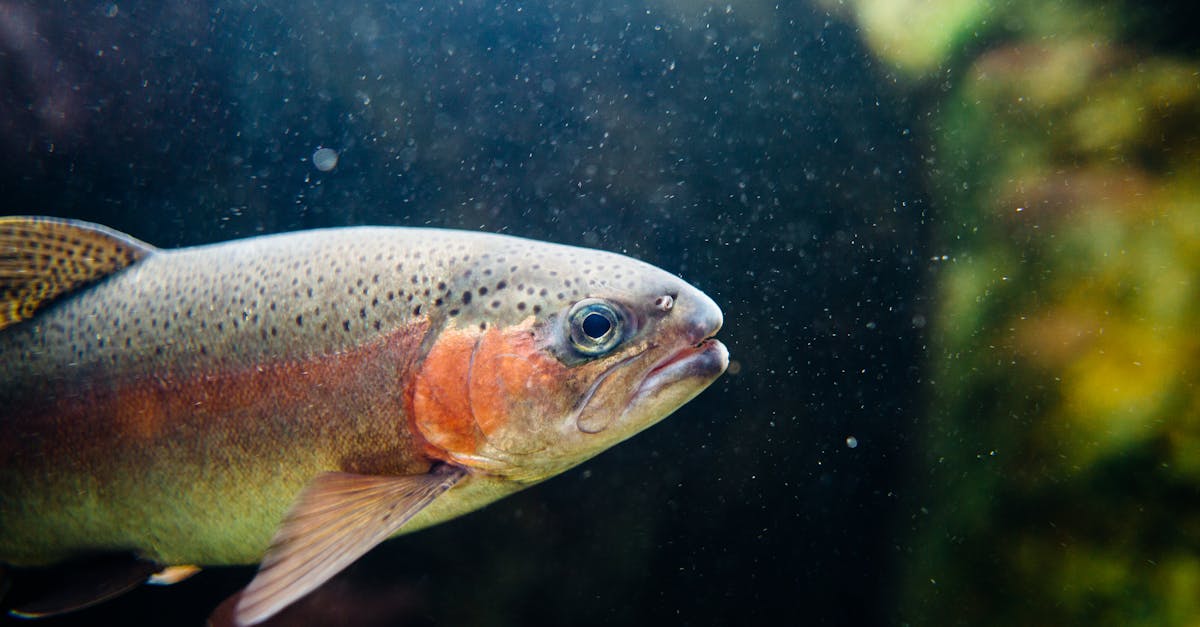
The rainbow trout is Montana's most widespread and popular gamefish, celebrated for its explosive surface strikes, aerial acrobatics, and willingness to take a well-presented dry fly. Native to Pacific Coast drainages from Alaska to Mexico, rainbows were first introduced to Montana's waters in the late 1800s and have since established thriving populations in nearly every major river system in the state. On legendary waters like the Madison, Missouri, and Bighorn, wild rainbow trout grow fat on prolific insect hatches and provide some of the finest dry-fly fishing in North America. Rainbow trout in Montana display remarkable variation depending on their home water. Fish in nutrient-rich tailwaters like the Missouri River below Holter Dam can exceed 20 inches with regularity, their deep bodies and broad tails reflecting the abundant food supply. Freestone river rainbows, such as those in the upper Madison and Gallatin, tend to be leaner and more athletic, shaped by faster currents and colder water temperatures. In many Montana rivers, rainbows spawn in the spring from March through June, and anglers should be mindful of spawning redds during this period to protect future generations of fish. Rainbows are arguably the most versatile trout species for fly anglers. They respond well to dry flies during hatches, aggressively chase streamers, and feed heavily on nymphs subsurface throughout the year. Their fighting ability is legendary: a hooked rainbow will often launch itself completely out of the water multiple times during a battle. Montana's catch-and-release regulations on many blue-ribbon streams have produced exceptional rainbow trout fisheries with high densities of large, healthy fish that continue to draw anglers from around the world.
Rio Grande Hatch Chart
| Insect | Suggested Fly | Jan | Feb | Mar | Apr | May | Jun | Jul | Aug | Sep | Oct | Nov | Dec |
|---|---|---|---|---|---|---|---|---|---|---|---|---|---|
Caddisflies (Spotted Sedge) afternoon | Elk Hair Caddis | ||||||||||||
Blue-Winged Olive (Baetis) afternoon | BWO Emerger | ||||||||||||
Blue-Winged Olive (Baetis) afternoon | Parachute Adams | ||||||||||||
Western March Brown afternoon | Prince Nymph | ||||||||||||
Stoneflies (various) all day | Pat's Rubber Legs | ||||||||||||
Terrestrials (hoppers, beetles) afternoon | Chubby Chernobyl | ||||||||||||
Midges morning | Zebra Midge |
Caddisflies (Spotted Sedge): The legendary spring caddis hatch. Peak late April through May. Size 14-16.
Blue-Winged Olive (Baetis): Early spring BWOs before caddis hatch. Size 18-20.
Blue-Winged Olive (Baetis): Fall BWO hatches on overcast days. Size 18-20.
Western March Brown: Early season mayfly. Size 12-14.
Stoneflies (various): Stonefly nymphs productive pre-runoff. Size 8-12.
Terrestrials (hoppers, beetles): Late summer terrestrials along canyon banks. Size 10-14.
Midges: Winter midge activity in slower sections. Size 18-22.
Recommended Flies
Elk Hair Caddis
Top Pick#1 spring pattern during the legendary caddis hatch. Elk Hair Caddis 14-16.
Best in spring
Stimulator
Top PickStimulator for spring caddis, skate or dead-drift tight to banks
Best in spring
Woolly Bugger
Top PickClassic streamer for fall brown trout; swing or strip through deep water
Best in fall
Pat's Rubber Legs
Top PickStonefly nymph essential pre-runoff; dead-drift through pocket water
Best in spring
Parachute Adams
Top PickUniversal mayfly dry for BWO and March Brown hatches
Best in spring
BWO Emerger
Top PickBWO emerger for spring and fall Baetis hatches
Best in spring
Access Points & Boat Launches
Orilla Verde Day Use Area (Pilar)
Wade AccessEasyPrimary access to the Rio Grande in the Orilla Verde Recreation Area near the village of Pilar. Multiple parking areas and trails provide wade access to the river. This is the most accessible section of the Rio Grande Gorge, with good fishing for brown trout and cuttbow hybrids. Excellent during the spring caddis hatch. BLM day-use fee required.
Taos Junction Bridge
Boat LaunchModerateUpper gorge access where NM Highway 567 crosses the Rio Grande. Popular put-in for float trips through the upper gorge to Pilar. Also provides wade access to the upper sections. The water here is powerful and requires advanced wading skills. Class III rapids downstream. 4WD recommended for the rough access road.
Dunn Bridge (Rio Grande Gorge)
Boat LaunchModerate-DifficultMid-gorge access point between Taos Junction and Pilar. Serves as take-out for the upper gorge float and put-in for the Pilar section. Good wade access to quality brown trout water with less pressure than Orilla Verde. The trail to the river is steep; 4WD recommended for the access road.
Rio Grande Gorge Rim Trail
Wade AccessDifficultHiking trail descending approximately 1 mile from the gorge rim to the river in the remote upper canyon. Steep, strenuous hike with 800 feet of elevation loss (and gain on the way out). Rewards anglers with solitude and excellent fishing for large, wild brown trout. For experienced, fit hikers only. Bring plenty of water.
Regulations
Regulations
Most sections: Bag and possession limit 6 trout, only 2 over 12 inches. Orilla Verde Recreation Area sections may have specific regulations; check signage. Certain sections may be catch-and-release or have special restrictions. New Mexico fishing license required. Open year-round, though runoff (May-June) makes fishing impractical. Orilla Verde day-use fee applies for BLM recreation area. Verify current regulations at wildlife.state.nm.us.
Always verify current regulations with Montana Fish, Wildlife & Parks before fishing.
Some links may earn a commission. Learn more
Quick Facts
- Region
- Northern New Mexico / Taos County
- Water Type
- Freestone
- River Length
- ~30+ fishable miles (from Colorado border south through the gorge to below Pilar)
- Difficulty
- Intermediate-Advanced
- Best Seasons
- spring, fall
- Trout Per Mile
- 1,500-2,500 (fewer fish but larger average size than most NM streams)
- Record Trout
- Brown trout exceeding 20 inches caught annually; 24-inch fish documented in the gorge sections
- Species
- Brown Trout, Rainbow Trout
- USGS Gauge
- 08276500