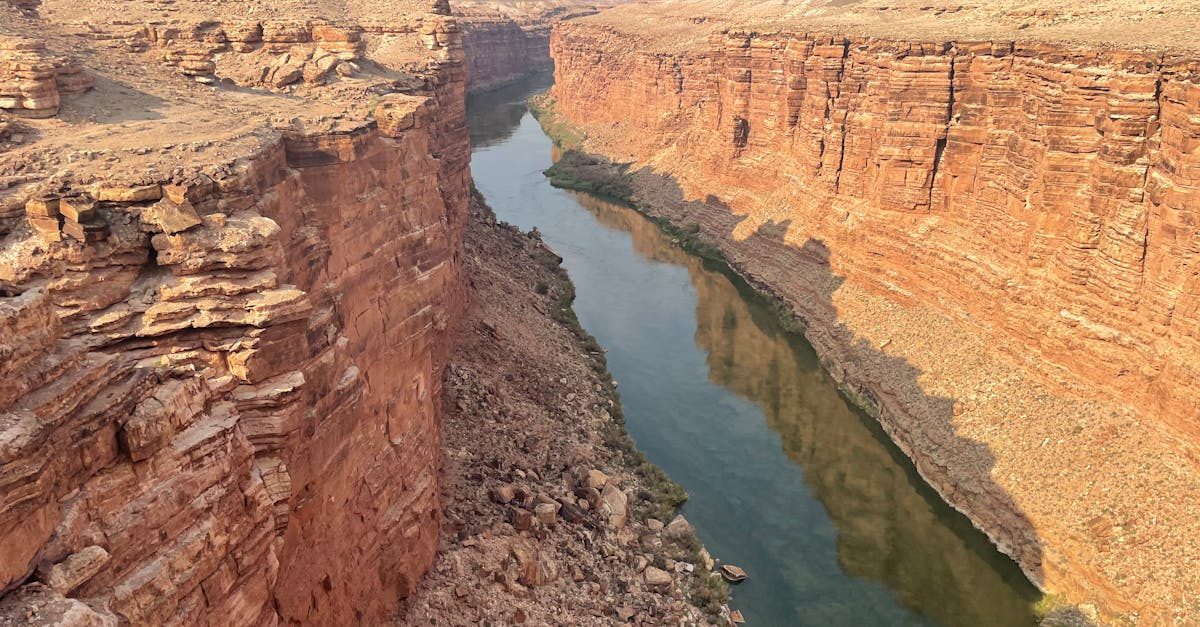
Rio Chama
The Rio Chama is arguably one of the most underrated and diverse trout rivers in the West, flowing from the Colorado border through high mountain forests and stunning Wild and Scenic canyons before reaching the desert southwest. With world-class trophy brown trout water below El Vado Dam, a spectacular 24.6-mile Wild and Scenic canyon, and the productive Rio Chama Wildlife Area, the Chama delivers exceptional fishing in dramatic high-desert scenery.
Rio Chama Fishing Report & Current Conditions
The Rio Chama is a tailwater / freestone fishery, and it fishes best in spring, summer and fall. Live USGS streamflow readings update throughout the day, while the monthly median flows below map the river's typical discharge across the year. Together they show current fishability and how today's water compares to the seasonal norm.
Current Conditions
Typical Monthly Flows
Historical median discharge (CFS) by month: Rio Chama
Overview
The Rio Chama begins in the mountains on the Colorado-New Mexico border, flowing as a freestone stream through high mountain forests and meadows before being impounded by Heron Lake and El Vado Reservoir. Below El Vado Dam, the river transforms into a productive tailwater fishery for approximately 10 miles before entering a stunning Wild and Scenic canyon section that runs 24.6 miles to Abiquiu Reservoir. Below Abiquiu Dam, another tailwater section provides additional fishing opportunity for 5 miles before the river joins the Rio Grande.
The El Vado tailwater section is the Chama's crown jewel for trophy brown trout. The state record brown trout was caught below El Vado Dam, and this section regularly produces fish exceeding 20 inches. Cold, stable water temperatures from the bottom-release dam create ideal conditions year-round, and the excellent insect diversity (BWOs, PMDs, caddis, stoneflies) keeps fish actively feeding.
The Rio Chama Wildlife Area near the confluence with the Rio Brazos offers some of the most productive public-access trout fishing in the state. Here the river runs through a gorgeous volcanic gorge with excellent pocket water, deep pools, and undercut banks holding wild browns and holdover rainbows. Access is from designated parking areas with trails descending to the river.
The Wild and Scenic canyon section between El Vado and Abiquiu offers a true wilderness float-fishing experience. Multi-day trips through the canyon combine outstanding brown trout fishing with dramatic red rock cliffs, side canyons to explore, and isolation from roads and development. This is primarily a float destination, though adventurous anglers can hike in from limited rim access points.
Water Characteristics
The Rio Chama's water characteristics vary by section. The El Vado tailwater carries cold, stable water released from the bottom of El Vado Reservoir, maintaining temperatures in the 40-55 degrees F range throughout the year. Water clarity is typically 3-6 feet of visibility, good for a tailwater but not gin-clear like some Colorado rivers. This moderate clarity works in the angler's favor, as trout are less leader-shy.
The Wildlife Area and Wild and Scenic canyon sections have more freestone character, with water temperatures warming seasonally into the upper 50s and low 60s in summer. Water clarity varies with flows: excellent (4-6 feet) at low flows in fall, reduced during spring runoff and after summer thunderstorms.
The insect community is diverse and productive: Blue-winged Olives, Pale Morning Duns, Golden Stoneflies, Little Yellow Sallies, October Caddis, and numerous smaller caddis species. The river also supports healthy populations of sculpin, dace, and crayfish, making streamer fishing viable year-round, particularly in the deeper El Vado tailwater and canyon pools.
Wading & Float Guide
Wading the Rio Chama varies dramatically by section. In the El Vado tailwater, the river is medium-sized with moderate current and a bottom of gravel, cobble, and occasional boulders. At normal flows (300-600 cfs), much of the river can be waded by anglers with moderate experience. Felt-soled or studded boots are recommended, and chest waders allow access to the best water.
The Rio Chama Wildlife Area features more challenging wading with a volcanic rock bottom, deeper pools, and faster pocket water. The river here drops through a gorge with gradient, creating powerful currents in the narrow sections. Wading is limited to the margins and shallower riffles; many of the best pools are fished from the bank. A wading staff is helpful for navigating the boulder-studded bottom.
The Wild and Scenic canyon is primarily floated rather than waded, though bank fishing and wading the margins is possible at camp spots and calmer sections. During spring runoff (typically May-June), all sections can run high and dangerous for wading. Always check USGS flow data before heading out.
El Vado Dam to Rio Chama Wildlife Area
Tailwater float with excellent fishing for large brown trout. Class I-II water with some riffles and runs. Typically done as a full-day trip. Put-in below El Vado Dam, take-out at Wildlife Area access.
Wild and Scenic Canyon (Cooper's to Big Eddy)
The signature Chama wilderness float through the Wild and Scenic canyon. Multi-day trip (2-4 days typical) with camping on sand beaches. Outstanding brown trout fishing combined with dramatic red rock scenery. Class II-III rapids. BLM permit required.
Below Abiquiu Dam
Short tailwater section with good access and gentle water. Less pressure than El Vado. Holdover rainbows and browns. Half-day float or wade-fishing destination.
Rod & Tackle Guide
El Vado tailwater (wade fishing)
- Rod
- 9' 5-weight
- Line
- Weight-forward floating; bring a sink-tip for streamers
- Leader & Tippet
- 9' tapered to 4X or 5X; heavier fluoro for streamers
Versatile setup for nymphing, dry flies, and streamer work. The 5-weight handles the moderate current and larger flies comfortably. Fall streamer fishing can produce the largest browns of the year.
Wild and Scenic canyon (float trips)
- Rod
- 9' 5-weight or 6-weight
- Line
- Weight-forward floating and 200-grain sink-tip
- Leader & Tippet
- 9' tapered to 3X-5X depending on technique
The 6-weight is preferable for boat fishing; handles wind, big dry flies, and streamer casting. Two-rod setup ideal: one for dry-dropper/nymphing, one rigged for streamers. PFD required for floating.
Best Time to Fish the Rio Chama
Spring
Spring brings excellent fishing before runoff begins, typically March and April. Blue-winged Olive hatches are the dominant surface activity, with best action on overcast, drizzly afternoons. Pale Morning Dun hatches begin by late April in the lower elevations. Nymphing with stonefly patterns, caddis larvae, and mayfly nymphs is consistently productive. Watch the USGS gauge closely; by May, snowmelt typically pushes the river into runoff, and flows can exceed 2,000-3,000 cfs, making fishing difficult or impossible until late June.
Summer
Summer is prime time for Wild and Scenic canyon float trips once runoff subsides (typically by late June or July). The river drops back into the 500-1,500 cfs range, and the full spectrum of hatches unfolds. Golden Stoneflies, Little Yellow Sallies, Pale Morning Duns, and prolific caddis provide diverse surface activity. July and August are also excellent for terrestrial patterns along the grassy banks. The El Vado tailwater fishes well throughout summer with stable flows and cold water temperatures keeping trout active.
Fall
Fall transforms the Rio Chama into a brown trout angler's paradise. As September temperatures cool and flows stabilize, large brown trout begin their spawning migration in October and November, becoming more aggressive and territorial. This is prime streamer season: swing or strip olive and black Woolly Buggers, Muddler Minnows, and sculpin patterns through deep pools and tailouts. BWO hatches return as the dominant surface activity. The cottonwoods and willows along the canyon turn gold, creating stunning scenery. The crowds vanish after Labor Day, leaving the river to dedicated anglers.
Fishing Pressure & Local Tips
The Rio Chama receives light to moderate fishing pressure compared to the San Juan or Pecos. Its relative remoteness (2+ hours from Albuquerque and Santa Fe) and the lack of easy roadside access to much of the river keep angler numbers manageable. The El Vado tailwater sees the most concentrated pressure, particularly in fall when large brown trout are most active. Guided trips are available but less common than on New Mexico's more famous waters.
The Rio Chama Wildlife Area receives moderate traffic, particularly from local anglers, but the gorge setting and limited access points distribute pressure effectively. The Wild and Scenic canyon float requires significant planning, time, and equipment (or hiring an outfitter), which naturally limits the number of anglers. Multi-day float permits from the BLM are limited, ensuring the wilderness character is maintained. Weekday fishing offers solitude on all sections.
Local Knowledge
The Rio Chama rewards anglers who adapt their approach to the specific section they're fishing. On the El Vado tailwater, focus on nymphing the deeper runs and pools with stonefly nymphs, mayfly patterns, and caddis larvae. Fall is prime time for streamer fishing here; work the banks methodically with sculpin patterns and Woolly Buggers.
In the Wildlife Area and canyon sections, reading the water and identifying prime holding lies is critical. Focus on the deep pools with undercut banks, the seams between fast and slow current, the pocket water behind boulders, and the tail-outs where pools shallow before the next riffle. The volcanic rock creates exceptional structure.
Local fly shops in Santa Fe (The Reel Life and High Desert Angler) and guides who specialize in the Chama (Rio Chama Anglers, Solitary Angler) provide up-to-date reports and shuttle services for float trips. The USGS gauge at Chamita (08284100) is the key flow reference: optimal wade fishing occurs at 300-800 cfs, while float fishing is comfortable at 500-2,000 cfs.
Species Present
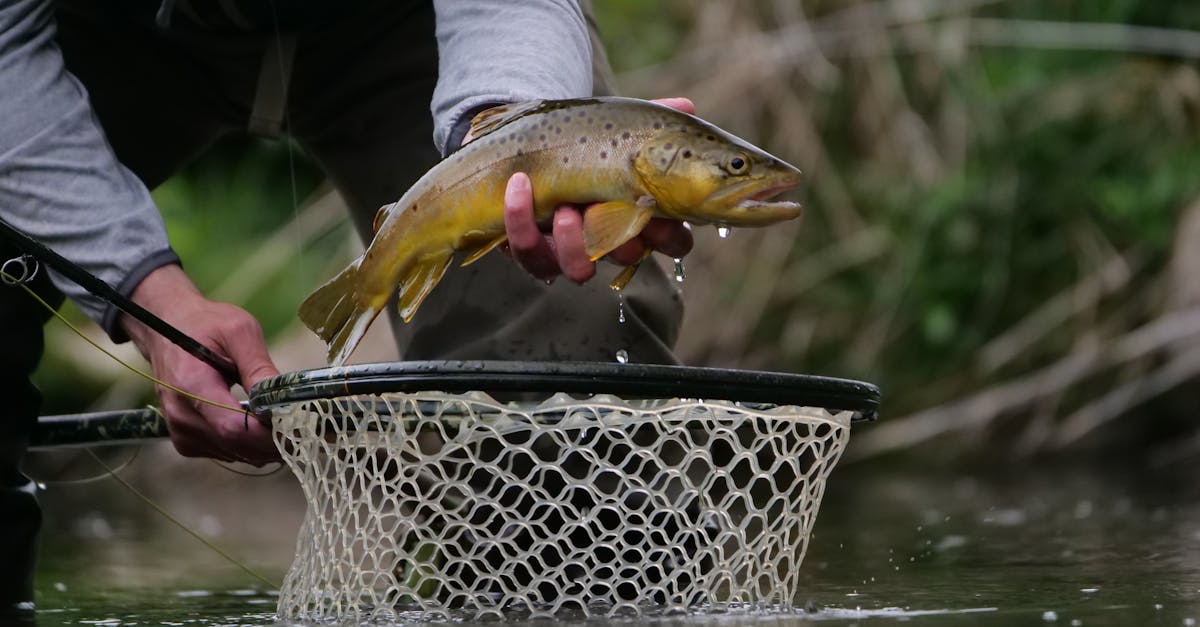
Brown Trout
The brown trout is the most cunning and elusive trout species swimming in Montana's rivers, and it rewards patient, skilled anglers with some of the state's most memorable catches. Originally native to Europe and western Asia, brown trout were first introduced to North American waters in 1883 and arrived in Montana shortly thereafter. They have since established robust, self-sustaining populations in virtually every major trout stream in the state, from the legendary spring creeks of the Paradise Valley to the sweeping runs of the lower Madison and the deep pools of the Bighorn. Brown trout grow larger than any other trout species in Montana, and fish exceeding 24 inches are caught with regularity on premium waters. The lower Madison River, the Missouri River below Holter Dam, and the Bighorn River are particularly renowned for producing trophy-class browns. Unlike rainbows, brown trout spawn in the fall (October through November), and their aggressive pre-spawn behavior creates an exciting window for streamer fishing as large males become territorial and attack anything that enters their domain. Browns are notably more nocturnal than other trout species, and many of the biggest fish are caught during low-light conditions. What sets brown trout apart from other species is their wariness and selectivity. Large browns are notoriously difficult to fool, often refusing flies that are even slightly off in size, color, or presentation. They tend to establish and defend prime feeding lies (undercut banks, logjams, deep pools, and boulder gardens), and an angler who learns to read water and identify these holding spots will consistently catch more and larger fish. This combination of difficulty, size potential, and intelligence makes the brown trout the most prized quarry for many serious Montana fly fishers.
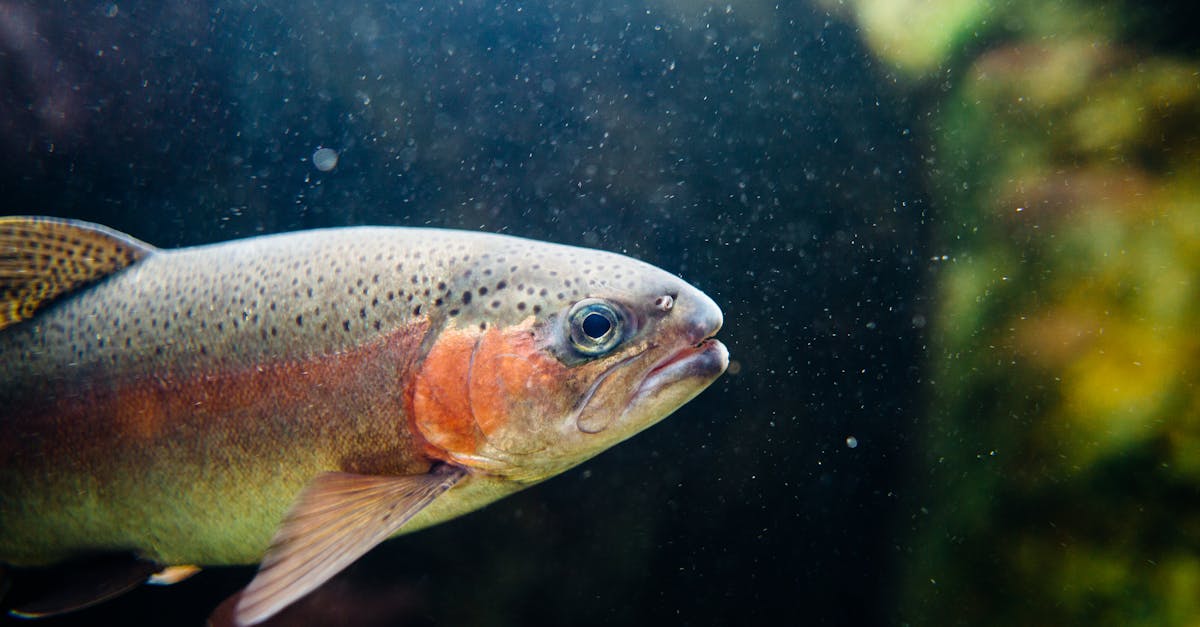
Rainbow Trout
The rainbow trout is Montana's most widespread and popular gamefish, celebrated for its explosive surface strikes, aerial acrobatics, and willingness to take a well-presented dry fly. Native to Pacific Coast drainages from Alaska to Mexico, rainbows were first introduced to Montana's waters in the late 1800s and have since established thriving populations in nearly every major river system in the state. On legendary waters like the Madison, Missouri, and Bighorn, wild rainbow trout grow fat on prolific insect hatches and provide some of the finest dry-fly fishing in North America. Rainbow trout in Montana display remarkable variation depending on their home water. Fish in nutrient-rich tailwaters like the Missouri River below Holter Dam can exceed 20 inches with regularity, their deep bodies and broad tails reflecting the abundant food supply. Freestone river rainbows, such as those in the upper Madison and Gallatin, tend to be leaner and more athletic, shaped by faster currents and colder water temperatures. In many Montana rivers, rainbows spawn in the spring from March through June, and anglers should be mindful of spawning redds during this period to protect future generations of fish. Rainbows are arguably the most versatile trout species for fly anglers. They respond well to dry flies during hatches, aggressively chase streamers, and feed heavily on nymphs subsurface throughout the year. Their fighting ability is legendary: a hooked rainbow will often launch itself completely out of the water multiple times during a battle. Montana's catch-and-release regulations on many blue-ribbon streams have produced exceptional rainbow trout fisheries with high densities of large, healthy fish that continue to draw anglers from around the world.
Rio Chama Hatch Chart
| Insect | Suggested Fly | Jan | Feb | Mar | Apr | May | Jun | Jul | Aug | Sep | Oct | Nov | Dec |
|---|---|---|---|---|---|---|---|---|---|---|---|---|---|
Blue-Winged Olive (Baetis) afternoon | BWO Emerger | ||||||||||||
Blue-Winged Olive (Baetis) afternoon | Parachute Adams | ||||||||||||
Pale Morning Dun morning | PMD Comparadun | ||||||||||||
Golden Stonefly all day | Stimulator | ||||||||||||
Little Yellow Sally afternoon | Stimulator | ||||||||||||
Caddisflies (various) evening | Elk Hair Caddis | ||||||||||||
October Caddis afternoon | Stimulator | ||||||||||||
Terrestrials (hoppers, ants) afternoon | Chubby Chernobyl |
Blue-Winged Olive (Baetis): Spring BWOs on overcast days, peak March-April. Size 16-20.
Blue-Winged Olive (Baetis): Fall BWOs intensify as temperatures cool. Size 18-20.
Pale Morning Dun: Late spring and summer PMD hatches. Size 14-16.
Golden Stonefly: Summer golden stones. Size 8-10.
Little Yellow Sally: Small yellow stoneflies. Size 14-16.
Caddisflies (various): Spotted sedge and other caddis throughout summer. Size 14-16.
October Caddis: Large orange caddis in fall. Size 8-10.
Terrestrials (hoppers, ants): Summer terrestrials along canyon banks. Size 10-14.
Recommended Flies
Woolly Bugger
Top Pick#1 fall pattern for trophy browns. Swing or strip Woolly Bugger.
Best in fall
BWO Emerger
Top PickBWO emerger essential during spring Baetis hatches
Best in spring
PMD Comparadun
Top PickPMD Comparadun for late spring-summer mayfly hatches
Best in summer
Elk Hair Caddis
Top PickCaddis dry for summer evening hatches
Best in summer
Parachute Adams
Top PickParachute Adams for BWO and general mayfly hatches
Best in spring
Pat's Rubber Legs
Top PickStonefly nymph for nymphing deep runs and pools
Best in spring
Prince Nymph
Top PickPrince Nymph attractor in canyon pocket water
Best in summer
Access Points & Boat Launches
El Vado Dam Tailwater
Wade AccessEasyAccess to the famous El Vado tailwater fishery, home to New Mexico's largest brown trout. The first mile below the dam holds the densest fish populations and the biggest browns. Parking area with trail access to the river. Catch-and-release regulations protect this world-class water. Arrive early on weekends during fall prime time.
Rio Chama Wildlife Area
Wade AccessModerateState Wildlife Area providing excellent public access to the Rio Chama near the confluence with the Rio Brazos. The river flows through a volcanic gorge with outstanding pocket water, deep pools, and undercut banks. Multiple parking areas with trails descending to the river. This is some of the most productive public fishing on the Chama.
Cooper's El Vado Ranch (Wild and Scenic Put-In)
Boat LaunchEasy (from ranch)Primary put-in for multi-day Wild and Scenic canyon float trips. Private access through Cooper's El Vado Ranch (fee applies). This is the gateway to the 24.6-mile wilderness canyon float. Shuttle and support services available. BLM permit required for overnight trips. Reserve well in advance for peak season (summer-fall).
Big Eddy Take-Out (Abiquiu Lake)
Boat LaunchEasyTake-out for Wild and Scenic canyon float trips at the upper end of Abiquiu Lake. BLM-managed site with boat ramp access. This marks the end of the wilderness canyon section. Good camping nearby. Road-accessible with standard vehicles.
Regulations
Regulations
El Vado tailwater section: Artificial flies and lures only, catch-and-release for all trout. Rio Chama Wildlife Area: Check specific regulations; may vary by section. Wild and Scenic canyon: Generally standard regulations, but verify. Below Abiquiu Dam: Check current regulations. New Mexico fishing license required. BLM permit may be required for multi-day float trips in Wild and Scenic canyon. Open year-round. Verify at wildlife.state.nm.us and BLM.gov.
Always verify current regulations with Montana Fish, Wildlife & Parks before fishing.
Some links may earn a commission. Learn more
Quick Facts
- Region
- North-Central New Mexico / Rio Arriba County
- Water Type
- Tailwater / Freestone
- River Length
- ~25+ fishable miles (El Vado tailwater, Rio Chama Wildlife Area, Wild and Scenic canyon to Abiquiu)
- Difficulty
- Intermediate
- Best Seasons
- spring, summer, fall
- Trout Per Mile
- 2,000-3,000 in El Vado tailwater; 1,500-2,500 in Wildlife Area and canyon sections
- Record Trout
- State record brown trout (over 20 lbs) caught below El Vado Dam; fish exceeding 24 inches caught annually
- Species
- Brown Trout, Rainbow Trout
- USGS Gauge
- 08284100