Colton Pond
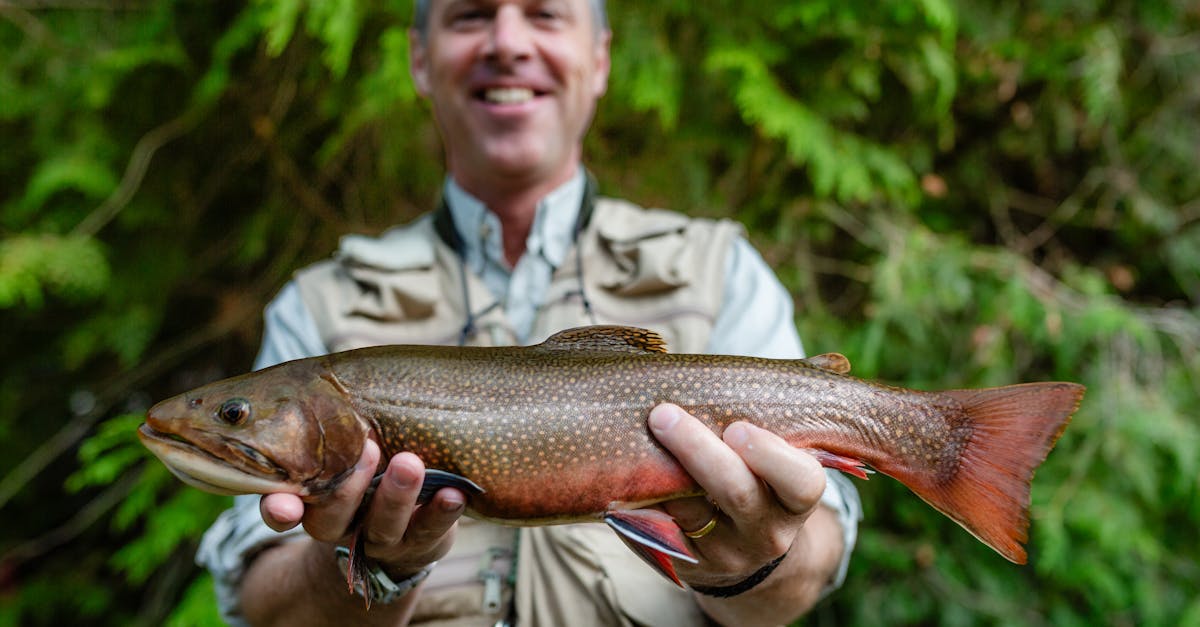
Colton Pond is a 27-acre roadside pond just north of Kent Pond in Killington, stocked with trophy two-year-old brook trout and fishable from shore, canoe, or float tube.
Overview
Colton Pond sits directly along Route 100 in Killington, less than a mile from Kent Pond, and the two are promoted together as a family fishing hotspot. At 27 acres and just 11 feet deep, Colton is the more intimate of the pair — a pond you can fish thoroughly from a float tube in a morning. Vermont Fish and Wildlife stocks 200 two-year-old brook trout under the 2026 trophy program, and largemouth bass and perch fill out the fishery.
The shallow, uniform basin means the fishing is about timing rather than structure. Early season brookies cruise everywhere and eat midge patterns and small buggers freely; by midsummer the fish tuck into the deepest water and the coolest inflow seams, and mornings become essential. The roadside setting makes Colton perfect for a quick session — an hour at dawn before the Killington day starts is often the best fishing of the day.
Depth & Character
- Surface Area
- 27acres
- Max Depth
- 11ft
- Elevation
- 1332ft
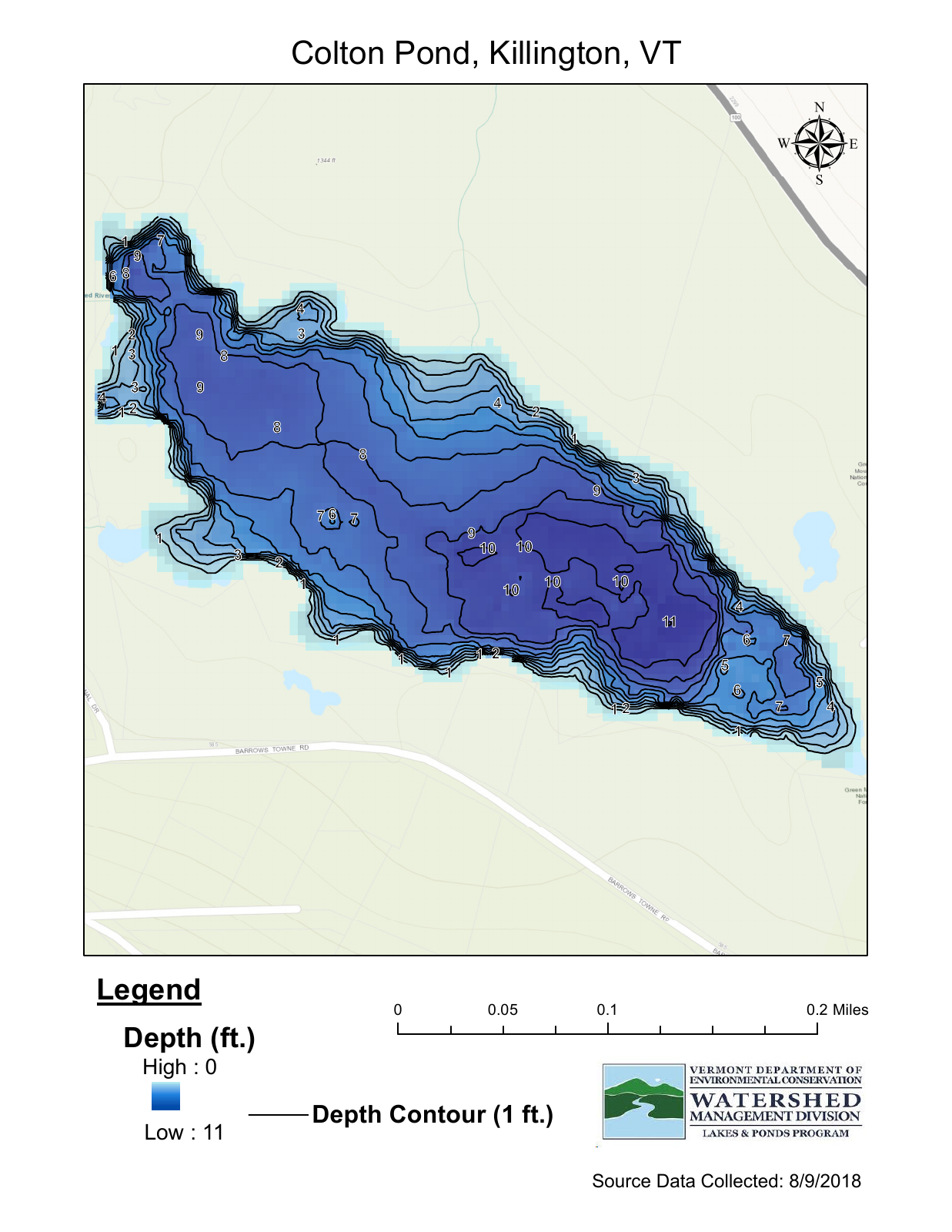
Bathymetric depth chart — click to open the full PDF. Source: Vermont DEC.
Source: Vermont DEC
Water Characteristics
A small, shallow mountain pond with a maximum depth of 11 feet and weedy margins. It warms quickly in summer, concentrating trout activity in the early and late season.
Stocking
| Species | Size | Number | Program |
|---|---|---|---|
| Brook Trout | 2-year-old | 200 | Trophy Trout Program (2026) |
Access & Boats
A state fishing access with a small launch sits directly off Route 100; shore fishing is easy along the road frontage. Ideal for cartop boats, canoes, and float tubes.
Fishing Pressure & Local Tips
Moderate for its size given the roadside visibility, but turnover is fast — most visitors stay an hour.
Local Knowledge
Treat Colton as a shoulder-season pond: the first month after stocking and the weeks after Labor Day offer aggressive trophy brookies in barely 10 feet of water, ideal for a 3-weight and a Griffith's Gnat.
Species Present
Food Sources & Hatches
| Insect | Suggested Fly | Jan | Feb | Mar | Apr | May | Jun | Jul | Aug | Sep | Oct | Nov | Dec |
|---|---|---|---|---|---|---|---|---|---|---|---|---|---|
Chironomids (midges) morning | Griffith's Gnat | ||||||||||||
Leeches all day | Black Woolly Bugger |
Chironomids (midges): Morning midge clusters on the glassy surface; Griffith's Gnat 16-20.
Leeches: A small black bugger cast anywhere finds fish in this shallow pond.
Recommended Flies
Griffith's Gnat
Top PickGriffith's Gnat over morning midge clusters; perfect 3-weight fishing.
Best in spring
Black Woolly Bugger
Top PickSmall black buggers find trophy brookies anywhere in 10 feet of water.
Best in spring
Also Effective
Access Points & Boat Launches
Colton Pond Roadside Access
Boat LaunchEasySmall state access directly off Route 100 with a gravel put-in for cartop boats, canoes, and float tubes. Shore fishing is easy along the road frontage, making this one of the quickest fly fishing stops in the Killington area.
Regulations
Regulations
Designated trophy trout water: 2-fish daily limit on trout with no length minimum. General season runs from the second Saturday in April through October 31. Vermont fishing license required. Verify current rules at vtfishandwildlife.com.
Always verify current regulations with Vermont Fish & Wildlife Department before fishing.
Quick Facts
- Surface Area
- 27 acres
- Max Depth
- 11 ft
- Elevation
- 1332 ft
- Lake Type
- Natural Lake
- Region
- Central Vermont / Rutland County
- Best Seasons
- spring, fall
- Species
- Brook Trout
- Difficulty
- Beginner
- Depth Chart
- Download PDF
Nearby Lakes & Ponds
Lake Willoughby
Northeast Kingdom / Orleans County
Seymour Lake
Northeast Kingdom / Orleans County
Caspian Lake
Northeast Kingdom / Orleans County
Lake Memphremagog
Northeast Kingdom / Orleans County
Maidstone Lake
Northeast Kingdom / Essex County
Noyes Pond (Seyon Pond)
Central Vermont / Groton State Forest, Caledonia County