Great Averill Lake
Great Averill Lake lies in Vermont's far northeastern corner, an 828-acre wilderness lake a few miles from the Canadian border. Lake trout, rainbows, and landlocked salmon cruise its cold, clear water beneath an undeveloped shoreline patrolled by loons and peregrines — the Kingdom at its wildest.
Overview
Great Averill Lake — Great Averill Pond on the older maps — sits in the unincorporated town of Averill in Essex County, farther from a stoplight than almost any water in Vermont. Route 114 skirts its northern shore on the run from Island Pond to the Canadian line at Norton, and beyond that thin ribbon of pavement the country is working forest to every horizon. At 828 acres and roughly 1,700 feet of elevation, Great Averill is a high, cold, clear lake with an almost entirely undeveloped shoreline, sharing its watershed with wilder Little Averill Lake just to the south beneath the cliffs of Brousseau Mountain, where peregrine falcons nest.
The fishery is classic border-country coldwater: lake trout in the depths, rainbow trout along the shoals and drop-offs, landlocked Atlantic salmon riding the smelt schools, and brook trout at the brook mouths. Rainbow smelt anchor the food web here as throughout the Kingdom's deep lakes. The historic Quimby Country lodge at nearby Forest Lake has guided sports on the Averill waters since the 1890s, and the lakes still fish much as they did then — by canoe and streamer, in cold water, with nobody else in sight.
Ice-out comes late to this elevation and latitude, often the first week of May, and opens the year's defining window: salmon, rainbows, and lake trout all shallow, chasing smelt along gravel shorelines and off the inlet brooks. Streamer fishing from a canoe or small boat — Grey Ghosts, bucktails, white buggers on intermediate lines — produces steadily for three or four weeks, and the surrounding forest means the wind, while real, rarely builds the seas the bigger lakes throw.
Summer fishing follows the northern-lake pattern: chironomids over the shelves at dawn, damsel and dragonfly nymphs along the boulder shorelines, evening midge rises in the coves, with the lake trout deep and the rainbows most willing. Flying-ant falls in August can bring up every fish in the lake. Fall re-concentrates salmon and lakers on the shoals — October fishing here is cold-fingered, spectacular, and utterly private.
Come self-contained: the nearest services are in Island Pond or Canaan, cell coverage is a rumor, and the state access on the northern shore is the only developed facility. For the angler who measures a lake partly by what is absent — cottages, jet skis, other anglers — Great Averill may be the best water in this file.
Depth & Character
- Surface Area
- 828acres
- Max Depth
- 108ft
- Mean Depth
- 50ft
- Elevation
- 1,686ft
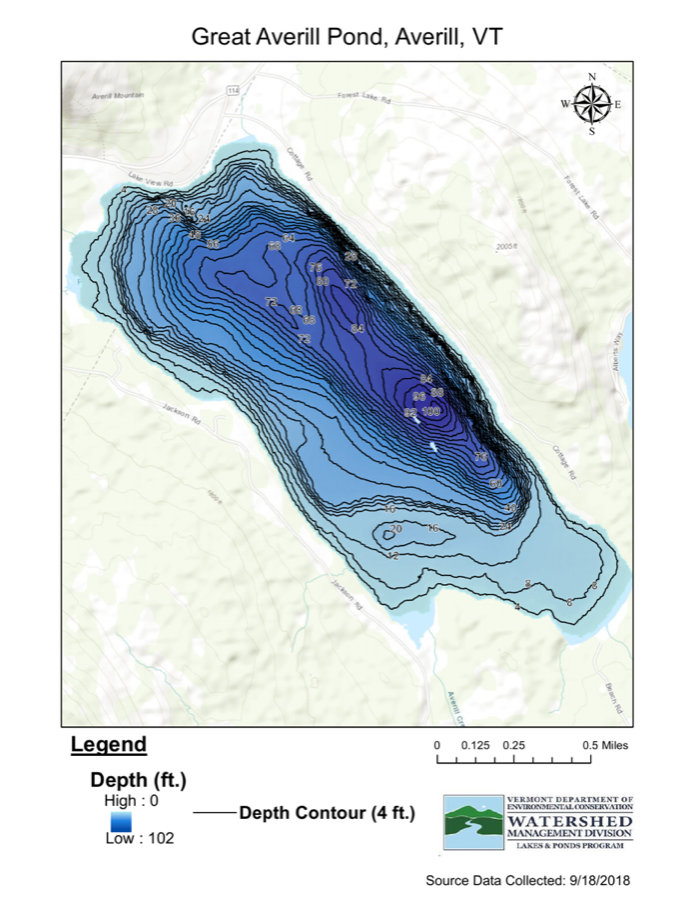
Bathymetric depth chart — click to open the full PDF. Source: Vermont DEC.
Source: Vermont DEC
Water Characteristics
Great Averill is a cold, clear, oligotrophic lake in a high glacial basin: boulder and gravel shorelines, defined shoals and points, and a central basin dropping past 100 feet. Cold inlet brooks and the outlet toward Averill Creek structure the fishery, and the shoreline is essentially undeveloped forest.
Rainbow smelt drive the salmonid food web; chironomids are the dominant insect, with damselflies, dragonflies, and leeches along the stony margins and significant late-summer terrestrial falls (flying ants especially) off the surrounding forest. Water clarity is high and the fish, though unpressured, get a long look — fine tippet and low light are allies.
Stocking
| Species | Size | Number | Program |
|---|---|---|---|
| Rainbow Trout | Yearling | 1,400 | VT F&W annual stocking (2025 actual) |
Seasonal Fishing Guide
Spring
Ice-out is late — often early May — and the streamer window runs deep into June in this cold basin. Work smelt patterns on intermediate lines along gravel shorelines, boulder points, and inlet mouths at first and last light. Salmon, rainbows, and lakers are all in the top 15 feet; cover water from a canoe and let the fish find the fly.
Summer
Dawn chironomid fishing over the 25-50 foot shelves, damsel and dragon nymphs along the boulder shorelines, and evening midge rises in the coves. August flying-ant falls can blanket the surface — carry ant imitations and a Griffith's Gnat. Rainbows remain the day-biters; lakers wait for fall.
Fall
From mid-September, salmon and lake trout stage over the shoals and respond to swung and stripped streamers on sinking lines. October is prime and empty: foliage down to the waterline, fish in spawning colors, and the access lot to yourself. Release staging wild fish quickly in the cold water.
Winter
Ice fishing for lakers and salmon over the deep basin through a long Kingdom winter season. Jigged smelt imitations near bottom are standard. Check ice locally and file your plans — this is remote country in February.
Access & Boats
State fishing access with gravel launch off Route 114 on the northern shore — the lake's only developed access. Well suited to canoes, kayaks, and cartop boats; the shoreline is otherwise undeveloped forest. Nearest services at Island Pond (14 miles) or Canaan; arrive self-sufficient.
Ice Fishing
A long, reliable ice season at this elevation, with lake trout and salmon taken by jigging over the deep basin. Effort is very light — you may share the whole lake with two or three shanties. Full winter self-sufficiency is essential this close to the border and far from services.
Fishing Pressure & Local Tips
Very light. A handful of trollers at ice-out, a few Quimby Country sports in summer, a scattering of ice shanties in winter — that is the year's traffic. Fly anglers are a curiosity. If solitude is a metric in your fishing, Great Averill scores as high as any lake in Vermont.
Local Knowledge
Fish it like the 1920s: a canoe, a box of smelt streamers, and long drifts along the shorelines at dawn. The gravel points on the southern shore and the inlet corners are the repeat producers, and trolling a Grey Ghost between casting stations is a legitimate, historic, and effective tactic here.
Pair Great Averill with Little Averill for a two-lake day — the smaller lake's wilder setting under Brousseau Mountain's peregrine cliffs holds trout and salmon too — and consider a stay at Quimby Country for the full border-country experience. Top off the tank in Island Pond; there is nothing closer.
Species Present

Lake Trout
The lake trout is the largest member of the char family and the signature deep-water gamefish of northern New England's coldest, cleanest glacial lakes. A native coldwater char of the northern tier of North America, the lake trout reaches the southern edge of its natural range in the deep, oligotrophic lakes carved by Pleistocene glaciers across northern New England, including Vermont's Lake Champlain and the remote glacial lakes of the Northeast Kingdom. Unlike the stream-dwelling brook trout to which it is related, the lake trout is a true creature of the depths, spending most of the year in the cold, dark, well-oxygenated water far below the surface. Lake trout are long-lived, slow-growing fish that can survive for decades in the frigid depths of their home lakes. Average fish run 18 to 24 inches, but trophy specimens exceeding 30 inches and 15 pounds are taken each season from the best Vermont waters, and the state record approaches 35 pounds. Their size and strength, combined with the challenge of reaching them in deep water, make lake trout a prized quarry for anglers willing to adapt their tactics to the fish's coldwater lifestyle. For fly anglers, the lake trout presents a unique seasonal opportunity. Through most of the year these fish hold too deep for practical fly fishing, but during the narrow windows of ice-out in spring and the fall turnover, lake trout move into the shallows to feed and spawn, bringing them within reach of a well-presented streamer. Casting large baitfish patterns near rocky shorelines and drop-offs during these periods can produce the fish of a lifetime, connecting the angler to the deep glacial history of Vermont's finest coldwater lakes.
Rainbow Trout
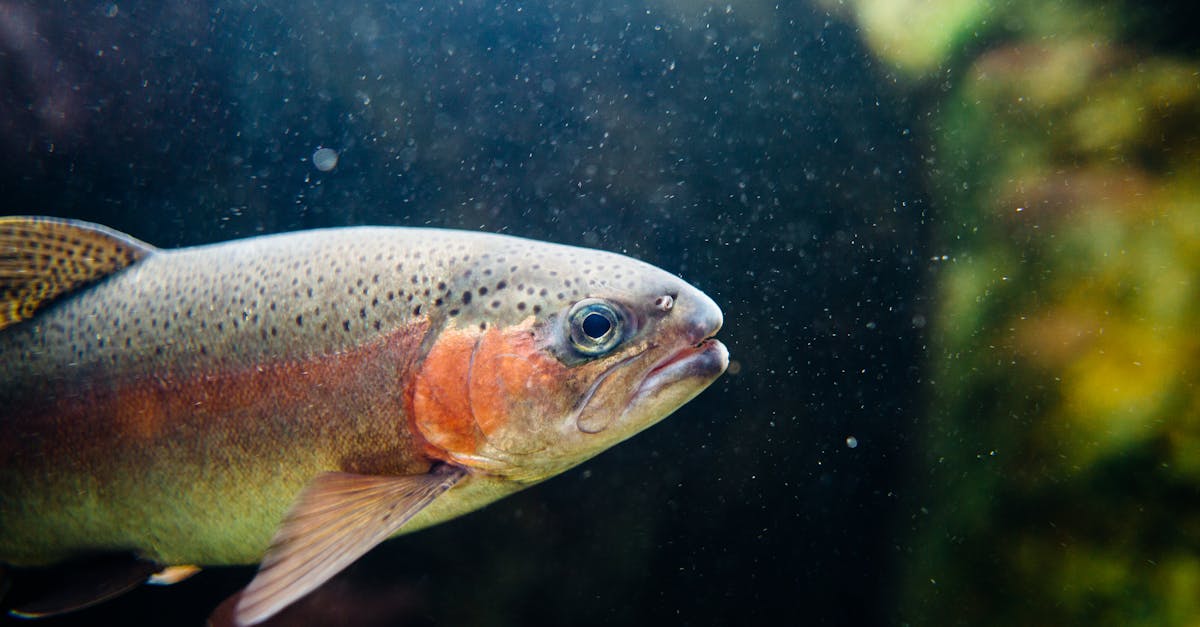
The rainbow trout is Montana's most widespread and popular gamefish, celebrated for its explosive surface strikes, aerial acrobatics, and willingness to take a well-presented dry fly. Native to Pacific Coast drainages from Alaska to Mexico, rainbows were first introduced to Montana's waters in the late 1800s and have since established thriving populations in nearly every major river system in the state. On legendary waters like the Madison, Missouri, and Bighorn, wild rainbow trout grow fat on prolific insect hatches and provide some of the finest dry-fly fishing in North America. Rainbow trout in Montana display remarkable variation depending on their home water. Fish in nutrient-rich tailwaters like the Missouri River below Holter Dam can exceed 20 inches with regularity, their deep bodies and broad tails reflecting the abundant food supply. Freestone river rainbows, such as those in the upper Madison and Gallatin, tend to be leaner and more athletic, shaped by faster currents and colder water temperatures. In many Montana rivers, rainbows spawn in the spring from March through June, and anglers should be mindful of spawning redds during this period to protect future generations of fish. Rainbows are arguably the most versatile trout species for fly anglers. They respond well to dry flies during hatches, aggressively chase streamers, and feed heavily on nymphs subsurface throughout the year. Their fighting ability is legendary: a hooked rainbow will often launch itself completely out of the water multiple times during a battle. Montana's catch-and-release regulations on many blue-ribbon streams have produced exceptional rainbow trout fisheries with high densities of large, healthy fish that continue to draw anglers from around the world.
Landlocked Atlantic Salmon
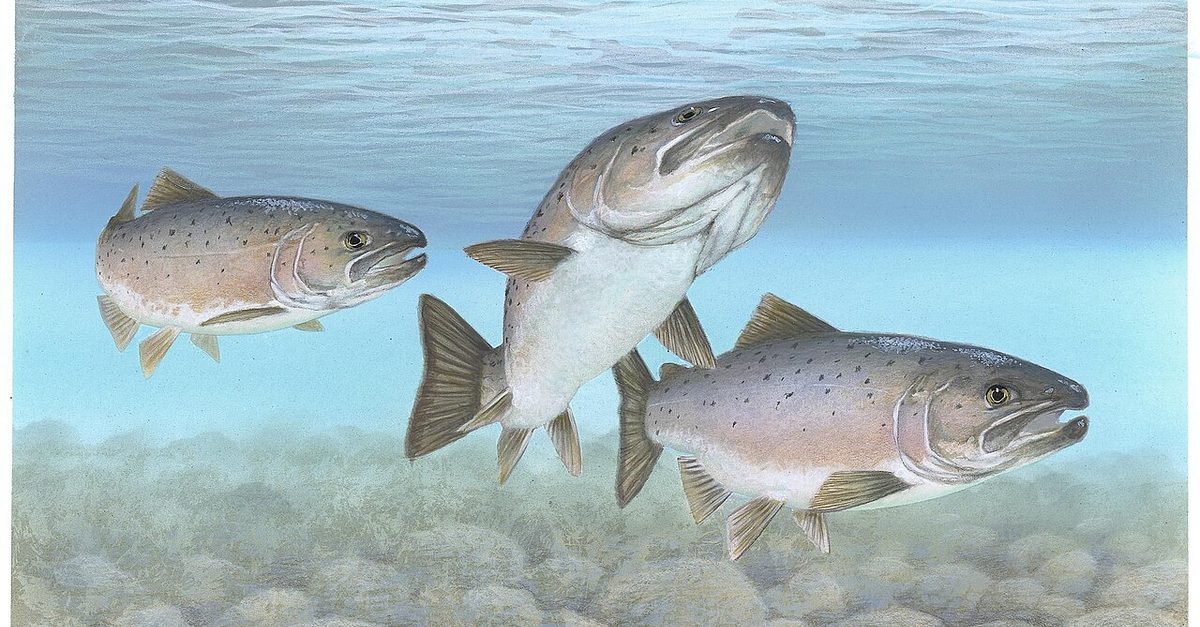
The landlocked Atlantic salmon is one of New England's most prized gamefish, a freshwater-resident form of the Atlantic salmon that spends its entire life in lakes and rivers rather than migrating to the ocean. Found primarily in the lakes and rivers of Maine, New Hampshire, Vermont, and New York, landlocked salmon are genetically identical to their sea-run counterparts but have adapted to a completely freshwater life cycle, using large, cold lakes as their ocean substitute and tributary rivers as spawning habitat. Landlocked salmon are the signature gamefish of Maine's sporting camp tradition, where generations of anglers have gathered at remote wilderness lodges to fish for salmon in the Rangeley Lakes, Moosehead Lake, Sebago Lake, and the rivers that connect them. The fish combine the acrobatic fighting ability of their anadromous relatives with the accessibility of a freshwater species, leaping repeatedly when hooked and running with the kind of power and endurance that makes them one of the most exciting fish available on a fly rod in the northeastern United States. In rivers, landlocked salmon behave much like large resident trout, holding in classic lies and feeding on aquatic insects during hatches. They are particularly responsive to caddis and mayfly emergers, and the sight of a 3-pound landlocked salmon rising to a dry fly in a New England river is one of the defining experiences of northeastern fly fishing. In lakes, salmon are targeted with streamers that imitate smelt, their primary forage fish, trolled or cast from boats during the spring and fall when salmon cruise near the surface in cold-water conditions.
Food Sources & Hatches
| Insect | Suggested Fly | Jan | Feb | Mar | Apr | May | Jun | Jul | Aug | Sep | Oct | Nov | Dec |
|---|---|---|---|---|---|---|---|---|---|---|---|---|---|
Rainbow Smelt (post ice-out) morning | Grey Ghost | ||||||||||||
Chironomids (midges) morning | Chironomid (Bomber) | ||||||||||||
Flying Ants (late summer) afternoon | Griffith's Gnat | ||||||||||||
Damselflies morning | Damselfly Nymph | ||||||||||||
Leeches all day | Woolly Bugger |
Rainbow Smelt (post ice-out): Late ice-out extends the smelt window deep into June. Gravel shorelines and inlet mouths.
Chironomids (midges): Dawn emergences over the 25-50 foot shelves; the reliable summer program.
Flying Ants (late summer): August ant falls off the surrounding forest can bring the whole lake up. Carry ants 14-18.
Damselflies: Stony-margin weed pockets hold damsels; rainbows patrol the migrations.
Leeches: Buggers along the boulder shorelines search well between hatch windows.
Recommended Flies
Grey Ghost
Top PickGrey Ghost along the gravel shorelines through the long, late ice-out window — the border-country classic.
Best in spring
Chironomid (Bomber)
Top PickChironomid Bomber over the shelves at dawn. Size 12-16.
Best in summer
Griffith's Gnat
Top PickAnts and Griffith's Gnats for the August flying-ant falls that bring the lake up.
Best in summer
Also Effective
Access Points & Boat Launches
Great Averill State Fishing Access
Boat LaunchEasyGravel state launch off Route 114 on the northern shore — the lake's only developed access. Suits canoes, cartoppers, and small trailered boats. The gravel shorelines east and west of the launch draw ice-out smelt and the salmonids that follow; everything else on this lake is wild shoreline.
Route 114 Shoreline Pulloffs
Wade AccessEasy to ModeratePulloffs along Route 114 where the road runs near the northern shore, giving bank anglers reach to gravel shelves that fish at ice-out and in October. Traffic is sparse this far north, but park fully off the pavement — log trucks use this road at speed.
Regulations
Regulations
Vermont general season applies: trout and salmon open water fishing from the second Saturday in April through October 31, with statewide limits for lake trout, salmon, and rainbow trout. Ice fishing for trout and salmon permitted per winter season dates. Vermont fishing license required; verify current regulations at vtfishandwildlife.com.
Always verify current regulations with Vermont Fish & Wildlife Department before fishing.
Quick Facts
- Surface Area
- 828 acres
- Max Depth
- 108 ft
- Elevation
- 1,686 ft
- Lake Type
- Natural Lake
- Region
- Northeast Kingdom / Essex County
- Best Seasons
- spring, fall, summer
- Species
- Lake Trout, Rainbow Trout, Landlocked Atlantic Salmon
- Difficulty
- Intermediate
- Record Fish
- Lake trout to double digits and salmon in the 2-4 lb class come through the ice and at ice-out most years; the lake's remoteness keeps its best fish uncounted.
- Depth Chart
- Download PDF
Nearby Lakes & Ponds
Lake Willoughby
Northeast Kingdom / Orleans County
Seymour Lake
Northeast Kingdom / Orleans County
Caspian Lake
Northeast Kingdom / Orleans County
Lake Memphremagog
Northeast Kingdom / Orleans County
Maidstone Lake
Northeast Kingdom / Essex County
Noyes Pond (Seyon Pond)
Central Vermont / Groton State Forest, Caledonia County