Kettle Pond
Kettle Pond is a carry-in-only trophy trout pond in Groton State Forest, its undeveloped 103-acre basin ringed by remote lean-to campsites and stocked with two-year-old rainbow trout.
Overview
Kettle Pond stretches along the Groton-Marshfield line in the heart of Groton State Forest, a mile-long pond with a completely undeveloped shoreline. There is no trailer launch — everything is carried in from the parking area off Route 232 — and that single fact preserves a genuine backcountry atmosphere minutes from the highway. Vermont Fish and Wildlife stocks 250 two-year-old rainbow trout under the 2026 trophy program, joining wild brook trout and holdover fish.
The pond is shallow by trophy-water standards, topping out around 18 feet, so the fishing is visual and shoreline-oriented. Rainbows patrol the rocky points and submerged boulders, eating chironomids through the spring and pouncing on damsel and leech patterns worked along the drop-offs. Seven remote lean-tos on the shoreline make Kettle the obvious choice for an overnight paddle-and-fish trip in the state forest.
Depth & Character
- Surface Area
- 103acres
- Max Depth
- 18ft
- Elevation
- 1450ft
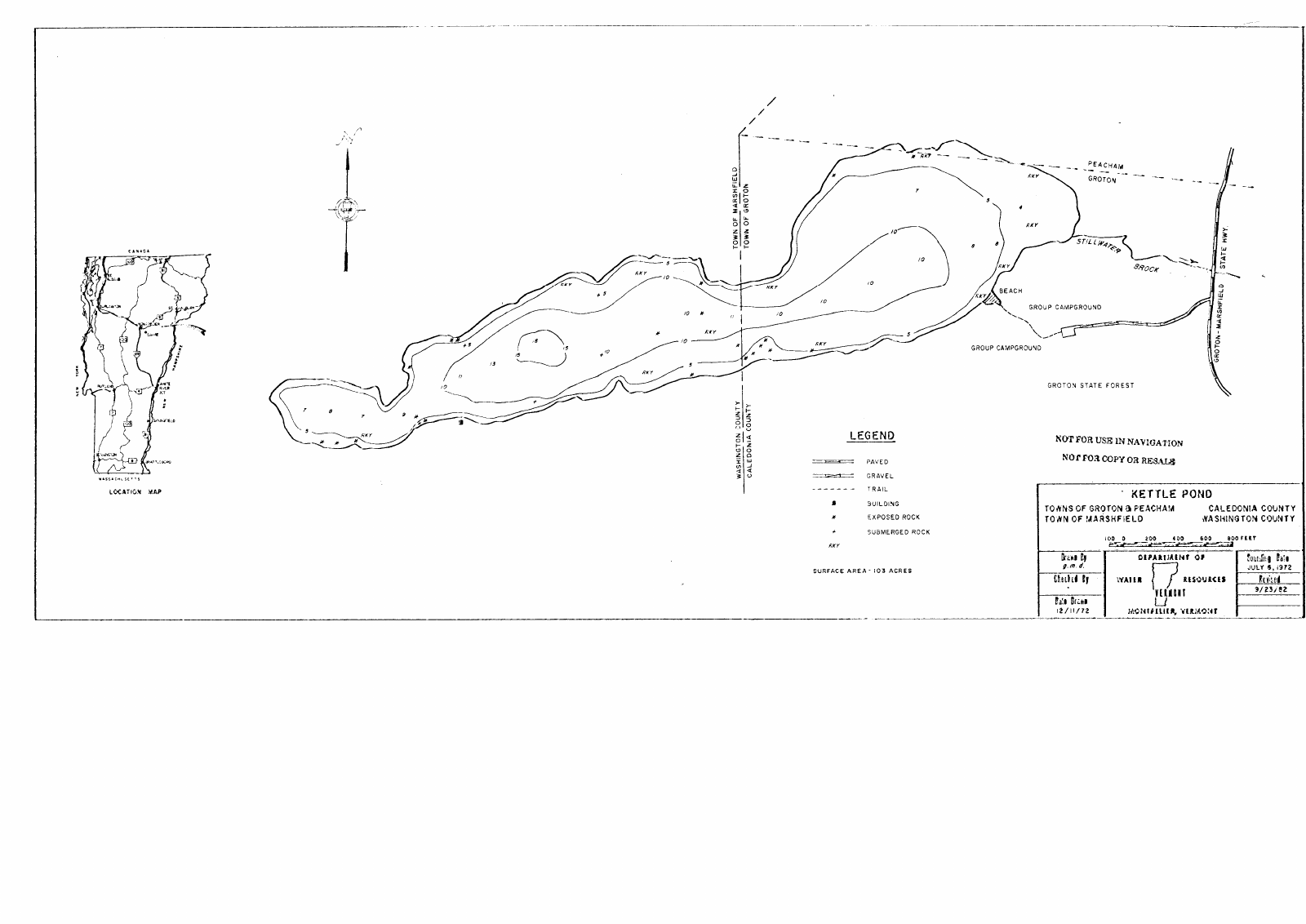
Bathymetric depth chart — click to open the full PDF. Source: Vermont DEC.
Source: Vermont DEC
Water Characteristics
Clear, slightly tannic water over a rocky glacial-kettle basin reaching about 18 feet. Submerged boulders and abrupt shoreline drops create ambush structure the length of the pond.
Stocking
| Species | Size | Number | Program |
|---|---|---|---|
| Rainbow Trout | 2-year-old | 250 | Trophy Trout Program (2026) |
Access & Boats
Parking area off Route 232 with a short carry to the water; no trailer launch. Canoes, kayaks, and float tubes rule here. Seven remote lean-tos and a primitive campsite line the shore for overnight trips (no potable water).
Motor Restrictions
No motorboat access; carry-in watercraft only.
Fishing Pressure & Local Tips
Light. Paddlers outnumber anglers, and the carry keeps casual fishing traffic away.
Local Knowledge
Book a lean-to and fish the last hour of light from a canoe — the evening midge rise off the rocky points is the most reliable dry fly window, and you will have it alone.
Species Present
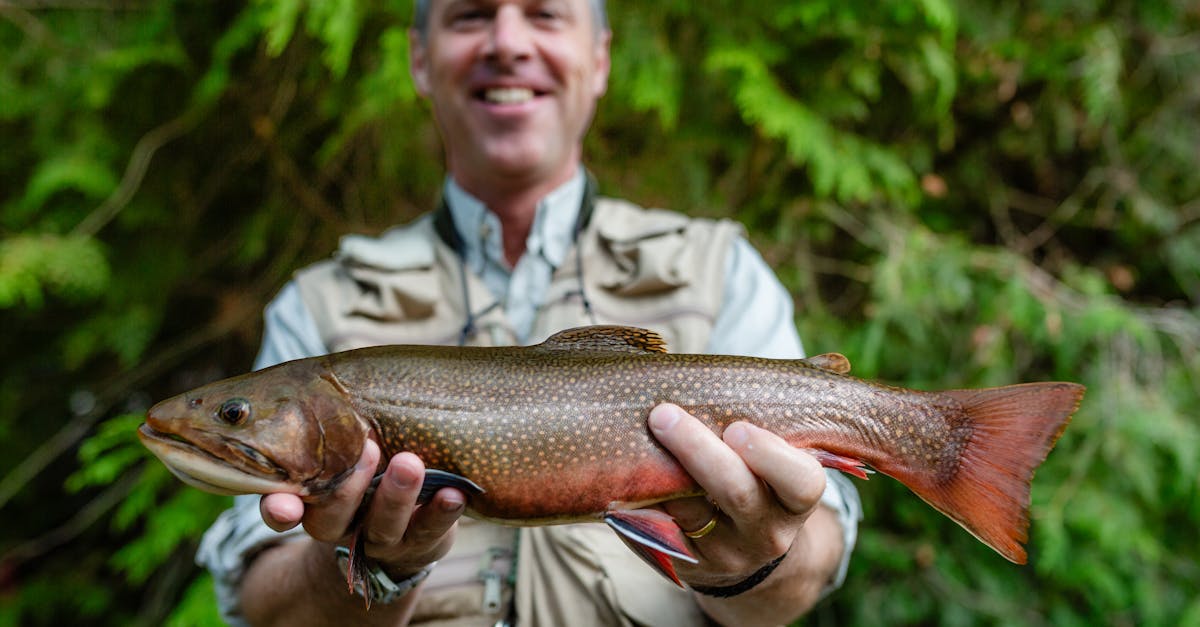
Brook Trout
The brook trout is widely considered the most beautiful freshwater fish in North America, and catching one in a pristine Montana mountain stream is an experience that captures the essence of backcountry fly fishing. Despite their common name, brook trout are not true trout at all; they are a species of char (genus Salvelinus), more closely related to lake trout and Arctic char than to rainbows or browns. Native to eastern North America from Georgia to Hudson Bay, brook trout were among the first salmonids introduced to Montana's waters in the late 1800s and have since established self-sustaining populations in cold, high-elevation streams and lakes throughout the state. In Montana, brook trout thrive best in small, cold headwater streams and high mountain lakes where competition from larger trout species is minimal. In these environments, they are often the dominant, or only, salmonid present. The trade-off is size: Montana stream-dwelling brook trout typically range from 6 to 10 inches, with fish over 12 inches considered noteworthy in most waters. What they lack in size, however, they more than make up for in beauty and willingness to eat a fly. Brookies are aggressive feeders that will strike attractor dry flies, nymphs, and small streamers with enthusiasm, making them an ideal species for beginning fly anglers and a delightful quarry for anyone who appreciates small-stream fishing. Brook trout do present a conservation paradox in Montana. While they are a beloved and beautiful gamefish, they are non-native and can negatively impact native species, particularly Yellowstone and westslope cutthroat trout. In headwater streams, brook trout often outcompete cutthroats for food and spawning habitat due to their higher reproductive rate and earlier maturation. As a result, Montana FWP has implemented brook trout removal projects on some streams to restore native cutthroat populations. In many waters, liberal harvest limits for brook trout are encouraged to reduce their numbers and benefit native fish. Anglers can enjoy excellent brook trout fishing while actively helping conservation by keeping a few for the pan.
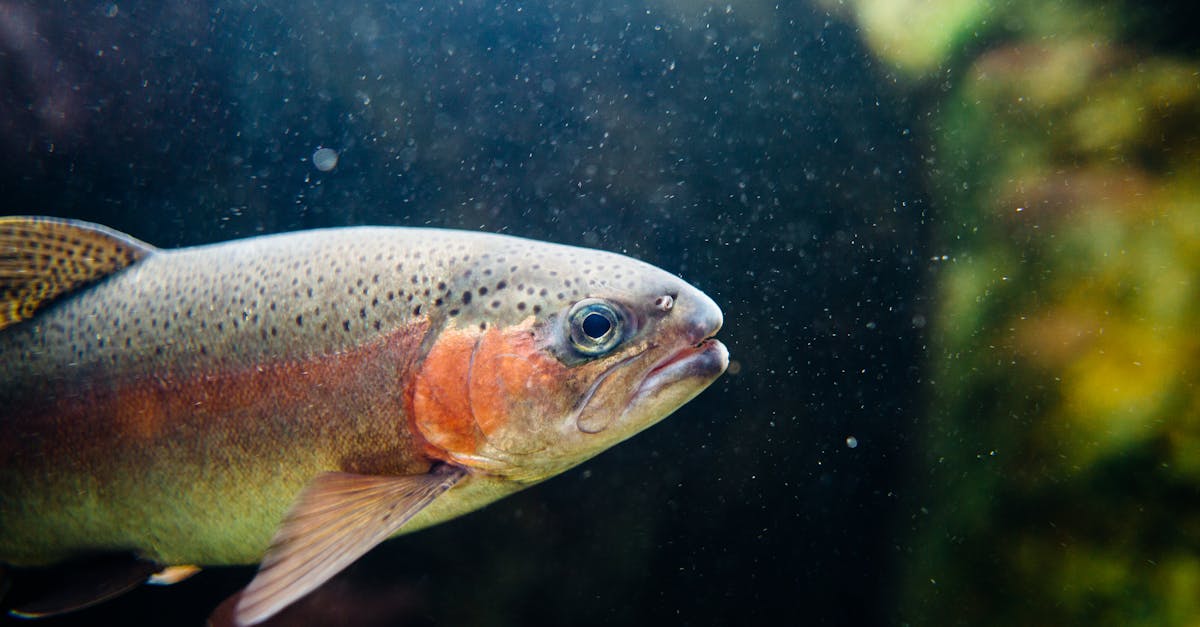
Rainbow Trout
The rainbow trout is Montana's most widespread and popular gamefish, celebrated for its explosive surface strikes, aerial acrobatics, and willingness to take a well-presented dry fly. Native to Pacific Coast drainages from Alaska to Mexico, rainbows were first introduced to Montana's waters in the late 1800s and have since established thriving populations in nearly every major river system in the state. On legendary waters like the Madison, Missouri, and Bighorn, wild rainbow trout grow fat on prolific insect hatches and provide some of the finest dry-fly fishing in North America. Rainbow trout in Montana display remarkable variation depending on their home water. Fish in nutrient-rich tailwaters like the Missouri River below Holter Dam can exceed 20 inches with regularity, their deep bodies and broad tails reflecting the abundant food supply. Freestone river rainbows, such as those in the upper Madison and Gallatin, tend to be leaner and more athletic, shaped by faster currents and colder water temperatures. In many Montana rivers, rainbows spawn in the spring from March through June, and anglers should be mindful of spawning redds during this period to protect future generations of fish. Rainbows are arguably the most versatile trout species for fly anglers. They respond well to dry flies during hatches, aggressively chase streamers, and feed heavily on nymphs subsurface throughout the year. Their fighting ability is legendary: a hooked rainbow will often launch itself completely out of the water multiple times during a battle. Montana's catch-and-release regulations on many blue-ribbon streams have produced exceptional rainbow trout fisheries with high densities of large, healthy fish that continue to draw anglers from around the world.
Food Sources & Hatches
| Insect | Suggested Fly | Jan | Feb | Mar | Apr | May | Jun | Jul | Aug | Sep | Oct | Nov | Dec |
|---|---|---|---|---|---|---|---|---|---|---|---|---|---|
Chironomids (midges) morning | Chironomid (Bomber) | ||||||||||||
Damselflies morning | Damselfly Nymph | ||||||||||||
Leeches all day | Thin Mint |
Chironomids (midges): Spring emergences along the rocky points; fish 8-14 feet down.
Damselflies: Shoreline migrations in the coves; sight-fishing opportunities from a canoe.
Leeches: A Thin Mint covers the boulder edges when nothing is hatching.
Recommended Flies
Chironomid (Bomber)
Top PickSpring chironomid fishing off the rocky points for trophy rainbows.
Best in spring
Thin Mint
Top PickThin Mint along the boulder edges; the confidence pattern here.
Best in summer
Also Effective
Access Points & Boat Launches
Kettle Pond Carry-In Access
ParkingModerateParking area off Route 232 in Groton State Forest with a short carry to the eastern end of the pond. No trailer launch — canoes, kayaks, and float tubes only. Seven remote lean-tos along the shore serve overnight trips.
Regulations
Regulations
Designated trophy trout water: 2-fish daily limit on trout with no length minimum. General season runs from the second Saturday in April through October 31. Vermont fishing license required. Verify current rules at vtfishandwildlife.com.
Always verify current regulations with Vermont Fish & Wildlife Department before fishing.
Quick Facts
- Surface Area
- 103 acres
- Max Depth
- 18 ft
- Elevation
- 1450 ft
- Lake Type
- Remote Pond
- Region
- Central Vermont / Groton State Forest
- Best Seasons
- spring, summer, fall
- Species
- Brook Trout, Rainbow Trout
- Depth Chart
- Download PDF
Nearby Lakes & Ponds
Lake Willoughby
Northeast Kingdom / Orleans County
Seymour Lake
Northeast Kingdom / Orleans County
Caspian Lake
Northeast Kingdom / Orleans County
Lake Memphremagog
Northeast Kingdom / Orleans County
Maidstone Lake
Northeast Kingdom / Essex County
Noyes Pond (Seyon Pond)
Central Vermont / Groton State Forest, Caledonia County