Norton Pond
Norton Pond is a large, shallow Northeast Kingdom pond on the Canadian border offering brook trout around cold tributary mouths and excellent smallmouth bass fishing over rocky structure.
Overview
Norton Pond stretches south from the village of Norton along Route 114, a 583-acre pond that rarely exceeds 30 feet deep. The pond's mix of rocky shoals, weedbeds, and tributary mouths creates a two-tier fishery: brook trout hold near the cold brook inlets in spring and fall, while smallmouth bass dominate the rocky points and boulder fields through the warm months.
Fly anglers do best working the shoreline structure from a canoe or small boat. Early season brings brook trout within casting range of the inlets on streamers and Woolly Buggers, and once water temperatures climb into the 60s the smallmouth take over, smashing dragonfly nymphs, leech patterns, and surface bugs along the drop-offs. Evening midge and caddis activity can bring steady dry fly fishing on calm summer nights.
Depth & Character
- Surface Area
- 583acres
- Max Depth
- 30ft
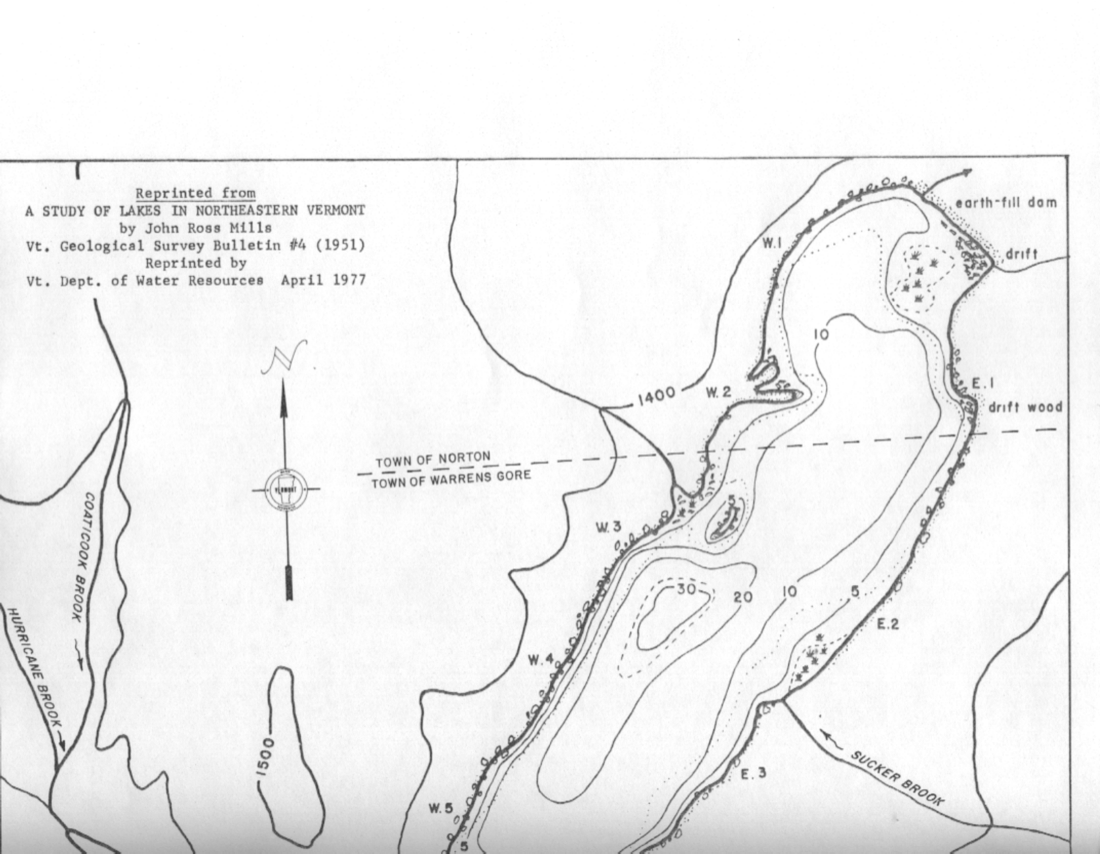
Bathymetric depth chart — click to open the full PDF. Source: Vermont DEC.
Source: Vermont DEC
Water Characteristics
Shallow, slightly stained water over a mix of rock, gravel, and weedbeds. Maximum depth is about 30 feet, so the whole pond warms quickly in summer.
Access & Boats
A public boat launch off Route 114 near the village of Norton provides easy trailer access. The highway parallels the eastern shore, making multiple informal put-ins possible for canoes and kayaks.
Ice Fishing
A popular ice fishing destination for northern pike and yellow perch; some brook trout are taken through the ice near the inlets.
Fishing Pressure & Local Tips
Light to moderate. Local anglers work the pond for bass and pike; fly fishing pressure is minimal.
Local Knowledge
Target the Sucker Brook and Coaticook Brook inlet areas for brook trout in the first month of the season. For smallmouth, a slow-stripped Dragonfly Nymph along the boulder edges is hard to beat in June.
Species Present
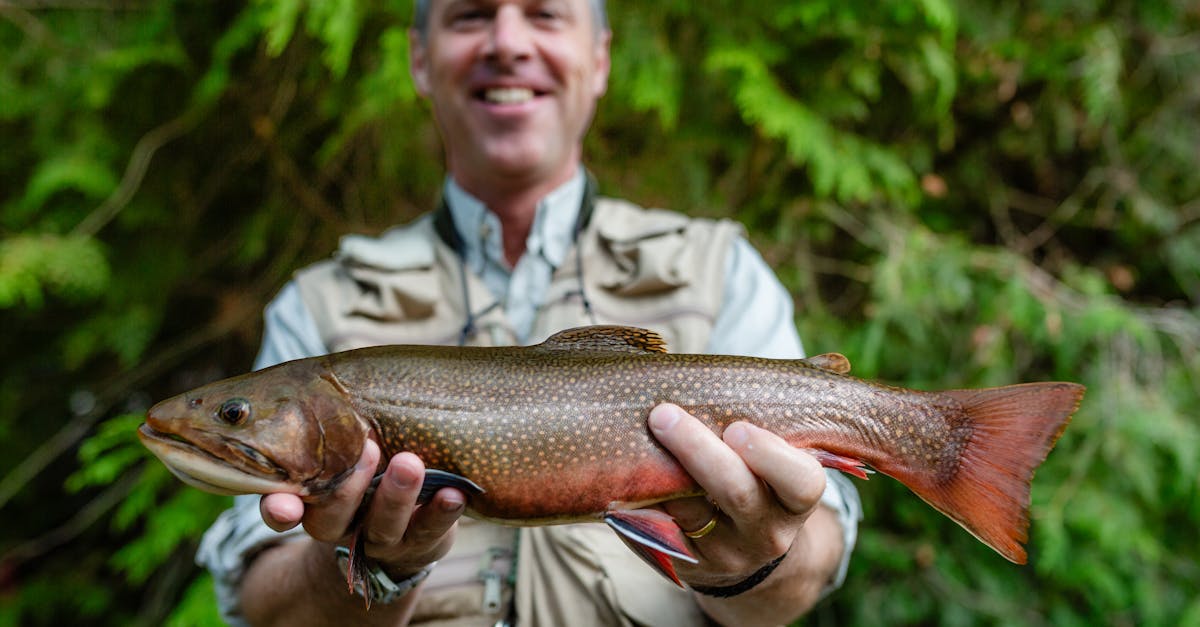
Brook Trout
The brook trout is widely considered the most beautiful freshwater fish in North America, and catching one in a pristine Montana mountain stream is an experience that captures the essence of backcountry fly fishing. Despite their common name, brook trout are not true trout at all; they are a species of char (genus Salvelinus), more closely related to lake trout and Arctic char than to rainbows or browns. Native to eastern North America from Georgia to Hudson Bay, brook trout were among the first salmonids introduced to Montana's waters in the late 1800s and have since established self-sustaining populations in cold, high-elevation streams and lakes throughout the state. In Montana, brook trout thrive best in small, cold headwater streams and high mountain lakes where competition from larger trout species is minimal. In these environments, they are often the dominant, or only, salmonid present. The trade-off is size: Montana stream-dwelling brook trout typically range from 6 to 10 inches, with fish over 12 inches considered noteworthy in most waters. What they lack in size, however, they more than make up for in beauty and willingness to eat a fly. Brookies are aggressive feeders that will strike attractor dry flies, nymphs, and small streamers with enthusiasm, making them an ideal species for beginning fly anglers and a delightful quarry for anyone who appreciates small-stream fishing. Brook trout do present a conservation paradox in Montana. While they are a beloved and beautiful gamefish, they are non-native and can negatively impact native species, particularly Yellowstone and westslope cutthroat trout. In headwater streams, brook trout often outcompete cutthroats for food and spawning habitat due to their higher reproductive rate and earlier maturation. As a result, Montana FWP has implemented brook trout removal projects on some streams to restore native cutthroat populations. In many waters, liberal harvest limits for brook trout are encouraged to reduce their numbers and benefit native fish. Anglers can enjoy excellent brook trout fishing while actively helping conservation by keeping a few for the pan.
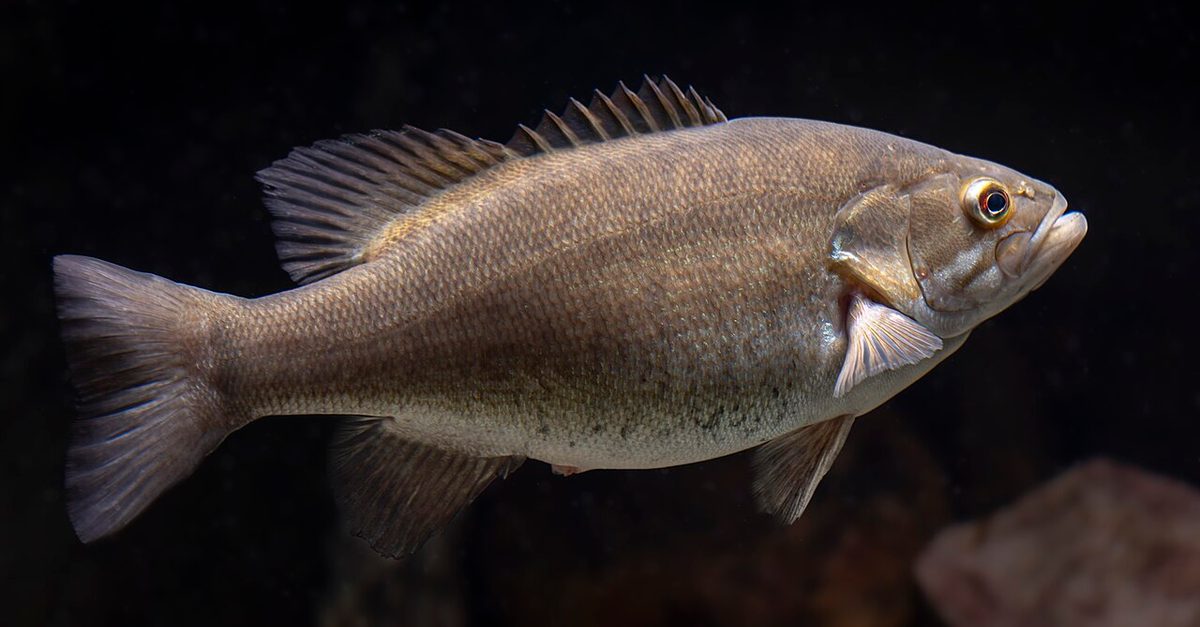
Smallmouth Bass
The smallmouth bass is one of the most popular and widely distributed gamefish in North America and one of the finest freshwater species available to fly anglers. Found in clear, cool rivers and lakes from the Great Lakes to the Southern Appalachians, smallmouth bass combine aggressive feeding behavior, remarkable fighting ability, and a preference for the kinds of rocky, current-rich habitats that are ideally suited to fly fishing. Pound for pound, the smallmouth bass is widely considered the hardest-fighting freshwater fish in North America, earning it the nickname 'the bronze bomber' for its explosive takes and powerful, acrobatic battles on the end of a line. While smallmouth bass are not a traditional trout-stream species, they have become increasingly important to fly anglers as warm-water fly fishing has grown in popularity. Rivers like the French Broad in North Carolina, the Susquehanna and Delaware in Pennsylvania, and the St. Lawrence in New York support world-class smallmouth fisheries that attract dedicated fly anglers. In many regions, smallmouth bass inhabit the lower reaches of the same river systems that hold trout in their upper reaches, providing fly anglers with a warm-water counterpart to their cold-water fishing. Smallmouth bass are particularly appealing to fly anglers because they readily take surface flies. On warm summer evenings, smallmouth will crush poppers, sliders, and large dry flies with explosive strikes that rival any trout rise. Their willingness to feed on the surface, combined with their strength and acrobatic leaping ability, makes smallmouth bass on a fly rod one of the most thrilling freshwater fly fishing experiences available.
Food Sources & Hatches
| Insect | Suggested Fly | Jan | Feb | Mar | Apr | May | Jun | Jul | Aug | Sep | Oct | Nov | Dec |
|---|---|---|---|---|---|---|---|---|---|---|---|---|---|
Damselflies morning | Damselfly Nymph | ||||||||||||
Chironomids (midges) evening | Zebra Midge | ||||||||||||
Leeches all day | Woolly Bugger |
Damselflies: Nymph migrations along the weedbeds; deadly for both brook trout and smallmouth.
Chironomids (midges): Evening midge activity over the flats. Zebra Midge under an indicator or in the film.
Leeches: The default searching pattern near the tributary mouths for brook trout.
Recommended Flies
Woolly Bugger
Top PickWoolly Bugger near the tributary mouths for brook trout early in the season.
Best in spring
Dragonfly Nymph
Top PickDragonfly Nymph along boulder edges is the top smallmouth producer.
Best in summer
Also Effective
Access Points & Boat Launches
Norton Pond Boat Launch
Boat LaunchEasyPublic boat launch off Route 114 near the village of Norton at the north end of the pond. Easy trailer access with the highway paralleling the eastern shore for additional canoe put-ins.
Regulations
Regulations
General fishing season for trout runs from the second Saturday in April through October 31; bass regulations apply year-round with a catch-and-release season in early spring. Vermont fishing license required. Verify current rules at vtfishandwildlife.com.
Always verify current regulations with Vermont Fish & Wildlife Department before fishing.
Quick Facts
- Surface Area
- 583 acres
- Max Depth
- 30 ft
- Lake Type
- Natural Lake
- Region
- Northeast Kingdom / Essex County
- Best Seasons
- spring, summer, fall
- Species
- Brook Trout, Smallmouth Bass
- Difficulty
- Beginner
- Depth Chart
- Download PDF
Nearby Lakes & Ponds
Lake Willoughby
Northeast Kingdom / Orleans County
Seymour Lake
Northeast Kingdom / Orleans County
Caspian Lake
Northeast Kingdom / Orleans County
Lake Memphremagog
Northeast Kingdom / Orleans County
Maidstone Lake
Northeast Kingdom / Essex County
Noyes Pond (Seyon Pond)
Central Vermont / Groton State Forest, Caledonia County