Osmore Pond
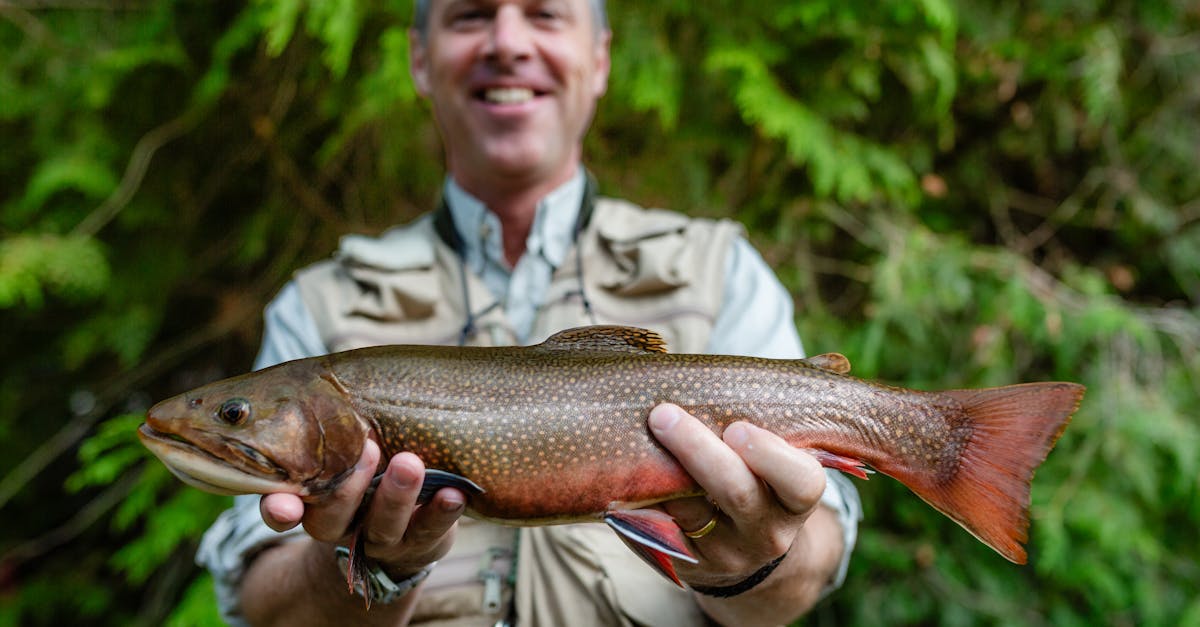
Osmore Pond is a 51-acre hike-in brook trout pond in Groton State Forest near the New Discovery campground, stocked with trophy two-year-old brookies and ringed by a shoreline hiking loop.
Overview
Osmore Pond sits in a shallow bowl below Big Deer Mountain in the Peacham corner of Groton State Forest, reached by a short walk from the New Discovery area. The pond covers 51 acres and runs shallow — about 12 feet at most — but its 1,496-foot elevation and spring seeps keep it cold enough for the 100 two-year-old brook trout Vermont Fish and Wildlife stocks under the 2026 trophy program.
Everything about Osmore favors the fly rod: the pond is small enough to cover from a canoe or float tube in a session, the trout cruise visibly along the drop-off in the first weeks of the season, and evening midge rises are dependable in calm weather. Remote lean-tos and campsites on the shore, plus the hiking loop that circles the pond, make it a fine family basecamp with legitimate trophy-brookie potential a cast away.
Depth & Character
- Surface Area
- 51acres
- Max Depth
- 12ft
- Elevation
- 1496ft
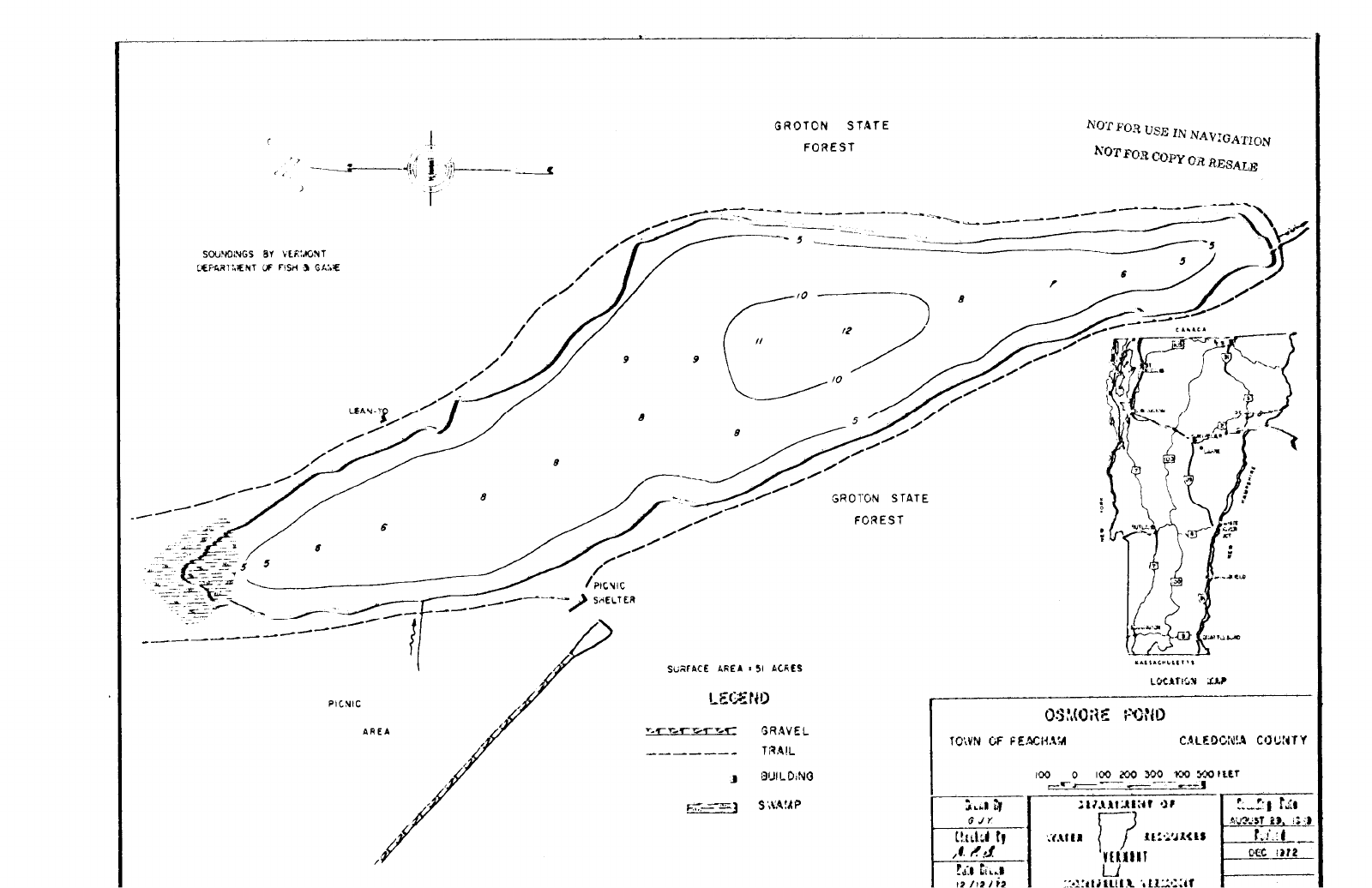
Bathymetric depth chart — click to open the full PDF. Source: Vermont DEC.
Source: Vermont DEC
Water Characteristics
Shallow, clear pond averaging under 10 feet with a 12-foot center hole. The uniform depth means trout can be anywhere; wind lanes and shade lines matter more than structure.
Stocking
| Species | Size | Number | Program |
|---|---|---|---|
| Brook Trout | 2-year-old | 100 | Trophy Trout Program (2026) |
Access & Boats
Carry-in access via a short trail from the New Discovery state park area off Route 232; a picnic shelter sits near the south end. Four remote lean-tos and three campsites on the shore are reachable only by foot or boat.
Motor Restrictions
No motorboat access; carry-in watercraft only.
Fishing Pressure & Local Tips
Light to moderate in summer from campers; early season and September are nearly empty.
Local Knowledge
Hit Osmore in the first three weeks after stocking and again after Labor Day — mid-summer warmth pushes the brookies to the spring seeps, but spring and fall fish eat a twitched Griffith's Gnat with abandon.
Species Present
Food Sources & Hatches
| Insect | Suggested Fly | Jan | Feb | Mar | Apr | May | Jun | Jul | Aug | Sep | Oct | Nov | Dec |
|---|---|---|---|---|---|---|---|---|---|---|---|---|---|
Chironomids (midges) evening | Griffith's Gnat | ||||||||||||
Callibaetis Mayflies afternoon | Parachute Adams |
Chironomids (midges): Dependable evening rises in calm weather; Griffith's Gnat 16-20.
Callibaetis Mayflies: Sparse duns over the shallow flats bring visible cruisers to the top.
Recommended Flies
Griffith's Gnat
Top PickThe evening midge rise is Osmore's signature; Griffith's Gnat 16-20.
Best in summer
Black Woolly Bugger
Top PickSmall black buggers cover the pond's uniform basin efficiently.
Best in spring
Also Effective
Access Points & Boat Launches
Osmore Pond Picnic Area Access
ParkingEasyShort carry from the New Discovery State Park area off Route 232 to the pond's western shore, where a picnic shelter overlooks the water. Canoe rentals are often available seasonally through the park.
Regulations
Regulations
Designated trophy trout water: 2-fish daily limit on trout with no length minimum. General season runs from the second Saturday in April through October 31. Vermont fishing license required. Verify current rules at vtfishandwildlife.com.
Always verify current regulations with Vermont Fish & Wildlife Department before fishing.
Quick Facts
- Surface Area
- 51 acres
- Max Depth
- 12 ft
- Elevation
- 1496 ft
- Lake Type
- Remote Pond
- Region
- Central Vermont / Groton State Forest
- Best Seasons
- spring, summer, fall
- Species
- Brook Trout
- Difficulty
- Beginner
- Depth Chart
- Download PDF
Nearby Lakes & Ponds
Lake Willoughby
Northeast Kingdom / Orleans County
Seymour Lake
Northeast Kingdom / Orleans County
Caspian Lake
Northeast Kingdom / Orleans County
Lake Memphremagog
Northeast Kingdom / Orleans County
Maidstone Lake
Northeast Kingdom / Essex County
Noyes Pond (Seyon Pond)
Central Vermont / Groton State Forest, Caledonia County