Bighorn River (Wyoming)
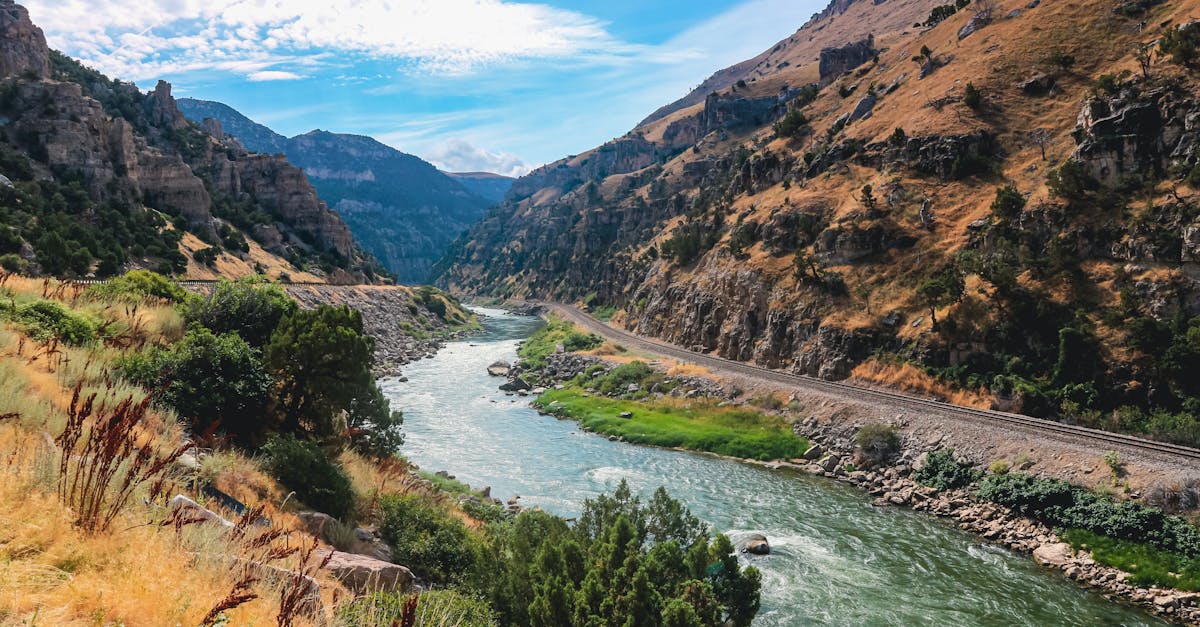
The Bighorn River through Thermopolis, Wyoming, is a phenomenal dry-fly fishery flowing through the town famous for the world's largest hot spring. Beginning at the Wedding of the Waters where the Wind River changes names, this section boasts over 3,000 trout per mile and is renowned for its consistent hatches and stunning Wind River Canyon scenery.
Bighorn River (Wyoming) Fishing Report & Current Conditions
The Bighorn River (Wyoming) is a freestone (warm-spring influenced) fishery, and it fishes best in spring, summer and fall. Live USGS streamflow readings update throughout the day, while the monthly median flows below map the river's typical discharge across the year. Together they show current fishability and how today's water compares to the seasonal norm.
Current Conditions
Typical Monthly Flows
Historical median discharge (CFS) by month: Bighorn River (Wyoming)
Overview
The Bighorn River in Wyoming begins at one of the most poetically named landmarks in Western fly fishing: the Wedding of the Waters. Here, five miles south of Thermopolis, the Wind River officially becomes the Bighorn River as it emerges from the dramatic Wind River Canyon. What follows is approximately 14 miles of exceptional trout water flowing through and below the town of Thermopolis, home to the world's largest mineral hot spring at Hot Springs State Park.
This Wyoming section of the Bighorn should not be confused with its more famous downstream cousin, the Bighorn River tailwater below Yellowtail Dam in Montana, which is a separate and distinct fishery 90 miles to the north. The Wyoming Bighorn through Thermopolis is a different character entirely: a classic Western dry-fly stream with long stretches of slow, clear water holding large trout that feed eagerly on the surface.
Wyoming Game & Fish Department surveys consistently document over 3,000 trout per mile through the Thermopolis section, with a mix of rainbow, brown, and Yellowstone cutthroat trout averaging 16 to 18 inches. Fish over 20 inches are common, and trophy trout exceeding 25 inches are caught each season. The warm mineral springs that feed the river through Thermopolis elevate water temperatures slightly, contributing to exceptional insect production and year-round feeding activity.
The river's character is gentle and inviting: wide, slow-moving water with a gravel and cobble bottom that is easily waded. Long glides, gentle riffles, and deep pools against cottonwood-lined banks create classic dry-fly water where anglers can sight-fish to rising trout. The consistent hatches of midges, BWOs, Tricos, PMDs, and caddisflies support surface feeding for much of the year, making this a paradise for anglers who prefer fishing with a floating fly.
Wind River Canyon upstream of the Wedding of the Waters adds another dimension to the fishery. This spectacular limestone canyon, carved by the river over millions of years, holds good populations of brown and rainbow trout in a remote, scenic setting. Highway 20 parallels the river through the canyon, providing roadside access to productive pools and runs. The canyon section is less productive than the Thermopolis reach but offers dramatic scenery and solitude.
Water Characteristics
The Bighorn River through Thermopolis occupies a unique niche among Western trout rivers. The warm mineral hot springs that feed the river, most notably the Big Spring in Hot Springs State Park, which produces 2,575,440 gallons per day at a constant 135 degrees Fahrenheit, elevate water temperatures above what would be expected for a river at this latitude and elevation. The mineral content of these springs also enriches the water with calcium carbonate and other dissolved minerals that promote aquatic insect production. The result is a river with the biological productivity of a tailwater but the aesthetics and character of a freestone stream.
Water clarity is excellent year-round, typically 4 to 8 feet of visibility. The river maintains relatively stable flows because the Wind River Canyon upstream acts as a natural moderating influence, and the warm springs provide a consistent base flow. The substrate through the Thermopolis section is predominantly clean gravel and small cobble, ideal for both aquatic insects and trout spawning. Aquatic vegetation is moderate, supporting healthy populations of midges, mayflies, caddisflies, scuds, and crayfish.
The Wind River Canyon upstream adds a different water character: colder, faster, and more nutrient-poor than the Thermopolis reach. The canyon's limestone walls contribute some alkalinity to the water, but insect densities are lower than the warm-spring-enriched section below. Water temperatures in the canyon follow a more typical freestone pattern, warming in summer and cooling in winter without the moderating influence of the hot springs.
Wading & Float Guide
The Bighorn River through Thermopolis is one of the most comfortable wading rivers in Wyoming. The river is wide, typically 60 to 100 feet, with a gentle gradient that creates long, smooth glides and shallow riffles. The substrate is predominantly gravel and small cobble, providing stable, even footing. During normal flows (800 to 1,500 cfs), most of the river is wadeable at thigh depth or less, with only the deepest pools and the main channel at outside bends requiring caution.
The warm mineral springs that feed the river through Thermopolis keep water temperatures elevated, making wet wading comfortable from June through September. Chest waders are recommended in spring and fall, and essential in winter. The gravel bottom is relatively free of algae compared to tailwater fisheries, reducing the slipperiness that plagues anglers on rivers like the Grey Reef. Felt-soled or rubber-soled boots both work well here.
Wind River Canyon upstream of the Wedding of the Waters presents a different wading character. The canyon is narrower and steeper, with larger boulders and faster current. Wading is possible in many areas but requires more care and experience than the Thermopolis section. The canyon road (Highway 20) provides access to the river at several pullouts, but the steep banks can make entering and exiting the water challenging. A wading staff is recommended for canyon fishing.
Wedding of the Waters to Thermopolis (Hot Springs State Park)
The upper float through the highest-density trout water. Slow, meandering river with gravel bars, gentle riffles, and deep pools against cottonwood banks. Excellent dry-fly water with consistent midge, BWO, and Trico hatches. Easy rowing suitable for beginning drift boat anglers. Multiple pullover spots for wading.
Thermopolis Town Float (Hot Springs State Park to Owl Creek confluence)
Float through town past Hot Springs State Park, where mineral hot springs flow into the river and bison graze on the park grounds. The warm water influence increases aquatic insect activity. Good caddis and PMD hatches in summer. Easy, family-friendly float with picnic opportunities at the park.
Below Thermopolis to Lucerne (Boysen Reservoir approach)
The lower float as the river approaches Boysen Reservoir. Trout densities decrease in the lower miles but average size remains good. Brown trout dominate this section. Good fall streamer water. Less pressure than the upper sections.
Rod & Tackle Guide
Thermopolis Section (Wedding of the Waters to Boysen approach)
- Rod
- 9' 4-weight or 5-weight
- Line
- Weight-forward floating
- Leader & Tippet
- 12' tapered to 5X-6X (Trico/midge/BWO), 9' tapered to 4X (hopper-dropper/caddis)
A 4-weight is the ideal rod for the Bighorn at Thermopolis, light enough for the delicate Trico and midge presentations that define this fishery, with enough backbone to handle the occasional 20-inch fish. The slow, smooth water demands long, light leaders and fine tippet. Bring a 5-weight as backup for windy days and hopper-dropper fishing.
Wind River Canyon
- Rod
- 9' 5-weight
- Line
- Weight-forward floating
- Leader & Tippet
- 9' tapered to 4X-5X
The canyon's faster water and slightly larger average fly sizes call for a standard 5-weight setup. Nymph rigs with Pats Rubber Legs and Pheasant Tails are effective in the canyon's deeper runs. A strike indicator and split shot are essential for getting flies down in the pockets and pools.
Best Time to Fish the Bighorn River (Wyoming)
Spring
March through May brings the year's best BWO hatches (#18-20) on overcast afternoons. The warm-spring influence means the Bighorn fishes earlier in spring than most Wyoming rivers; trout are already actively feeding in March while higher-elevation rivers are still frozen. Midge fishing (#20-24) is productive throughout spring, and the first PMDs appear by late May. The river runs clear earlier than freestone streams, as it is not subject to heavy snowmelt runoff. This is an excellent early-season destination when other rivers are blown out.
Summer
Summer is prime time for the Bighorn's signature dry-fly fishing. Trico spinner falls (#20-22) from July through September create technical but rewarding morning fishing, so arrive early and be ready with a #20 Trico Spinner on 5X-6X tippet. PMD hatches (#14-18) overlap in the mornings. Caddis (#14-16) hatch in the evenings, and hopper-dropper rigs work well along the grassy banks from July through September. Water temperatures can warm in peak summer; the warm springs that benefit the river in spring can push temperatures toward the upper comfort zone in August. Fish early and late in the day during heat waves.
Fall
September and October are outstanding months on the Bighorn. BWO hatches (#18-20) return in force on overcast days. Brown trout become increasingly aggressive as spawning approaches, making streamer fishing with Woolly Buggers and sculpin patterns effective through October and November. The cottonwood-lined banks turn golden, the summer crowds (such as they are) disappear, and the fishing quality peaks. October caddis (#8-10) can produce exciting late-season surface action. Dress in layers; Thermopolis can see freezing mornings and shirt-sleeve afternoons in October.
Winter
The warm-spring influence gives the Bighorn a genuine winter fishing season that few Wyoming rivers can match. Water temperatures remain above 40 degrees F even in January, and trout continue feeding through the coldest months. Midge fishing (#20-24) during midday warming periods is the primary tactic. Nymph deep with small Pheasant Tails, RS2s, and Zebra Midges in the slower pools and runs. Winter pressure is almost nonexistent, and you may have the entire river to yourself. Thermopolis's hot springs make for a perfect post-fishing warm-up.
Fishing Pressure & Local Tips
The Bighorn River at Thermopolis receives light to moderate fishing pressure, a remarkably low level for a river with 3,000+ trout per mile. Thermopolis is a small town (population approximately 3,000) without the destination resort infrastructure of Jackson Hole or the proximity to a major city like Casper. There are a handful of local guides and fly shops, but the Bighorn lacks the national marketing presence of Wyoming's better-known rivers. On any given summer day, you might encounter 3 to 8 other anglers along the entire Thermopolis stretch.
This obscurity is a gift for visiting anglers. The combination of exceptional trout density, consistent surface-feeding activity, comfortable wading, and minimal competition creates a fly fishing experience that is increasingly rare in the American West. Weekday fishing outside of July and August can feel like a private river. Wind River Canyon sees even less pressure, as the more challenging access and lower trout densities deter casual anglers. The Bighorn at Thermopolis may be the best value in Wyoming fly fishing: world-class quality at a fraction of the cost and crowd level of more famous destinations.
Local Knowledge
The Trico spinner fall is the signature event on the Bighorn at Thermopolis, and mastering it will dramatically improve your experience. Trico spinners are tiny (#20-22), and the trout that feed on them can be maddeningly selective. The key is to be on the water at dawn; Trico spinners fall to the water in the early morning hours when the air is still and cool. Look for pods of rising fish in the smooth glides and slow pools. Use a long, fine leader (12 feet, 6X tippet) and a sparse Trico Spinner pattern. Cast upstream of the rising fish and allow a dead drift through the feeding lane. The takes are subtle, a gentle sip rather than a splash.
Do not neglect the Hot Springs State Park section of the river. The mineral springs that discharge into the river create unique micro-habitats where trout congregate to feed on the increased insect activity. The warm water plumes are visible on cold mornings as steam rises from the surface. Fish the edges of these warm-water inputs with midge and scud patterns; the trout stack up in these thermal refuges, especially during winter.
The town of Thermopolis itself adds to the fishing experience in a way that Jackson Hole or Casper cannot replicate. After a day on the river, soak in the free public mineral hot springs at Hot Springs State Park; it is genuinely one of the best post-fishing rituals in the West. The town has a handful of good restaurants, affordable lodging, and a friendly small-town atmosphere that makes you feel like a local rather than a tourist. Stop at the Wyoming Dinosaur Center for a dose of paleontology between fishing sessions.
Species Present
Rainbow Trout
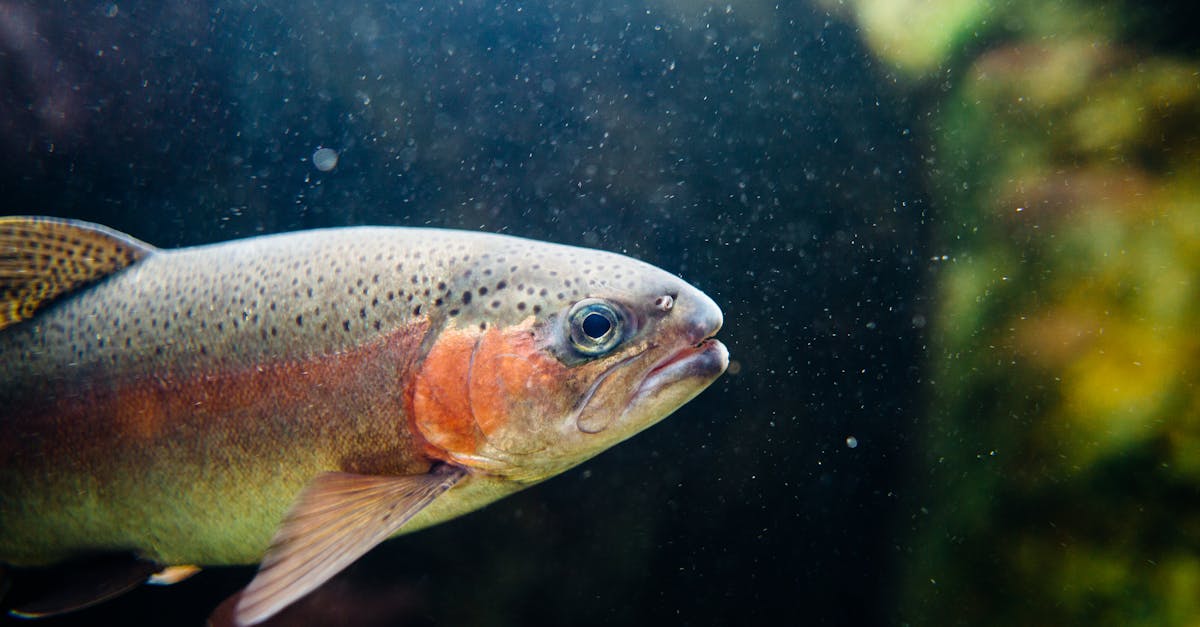
The rainbow trout is Montana's most widespread and popular gamefish, celebrated for its explosive surface strikes, aerial acrobatics, and willingness to take a well-presented dry fly. Native to Pacific Coast drainages from Alaska to Mexico, rainbows were first introduced to Montana's waters in the late 1800s and have since established thriving populations in nearly every major river system in the state. On legendary waters like the Madison, Missouri, and Bighorn, wild rainbow trout grow fat on prolific insect hatches and provide some of the finest dry-fly fishing in North America. Rainbow trout in Montana display remarkable variation depending on their home water. Fish in nutrient-rich tailwaters like the Missouri River below Holter Dam can exceed 20 inches with regularity, their deep bodies and broad tails reflecting the abundant food supply. Freestone river rainbows, such as those in the upper Madison and Gallatin, tend to be leaner and more athletic, shaped by faster currents and colder water temperatures. In many Montana rivers, rainbows spawn in the spring from March through June, and anglers should be mindful of spawning redds during this period to protect future generations of fish. Rainbows are arguably the most versatile trout species for fly anglers. They respond well to dry flies during hatches, aggressively chase streamers, and feed heavily on nymphs subsurface throughout the year. Their fighting ability is legendary: a hooked rainbow will often launch itself completely out of the water multiple times during a battle. Montana's catch-and-release regulations on many blue-ribbon streams have produced exceptional rainbow trout fisheries with high densities of large, healthy fish that continue to draw anglers from around the world.
Brown Trout
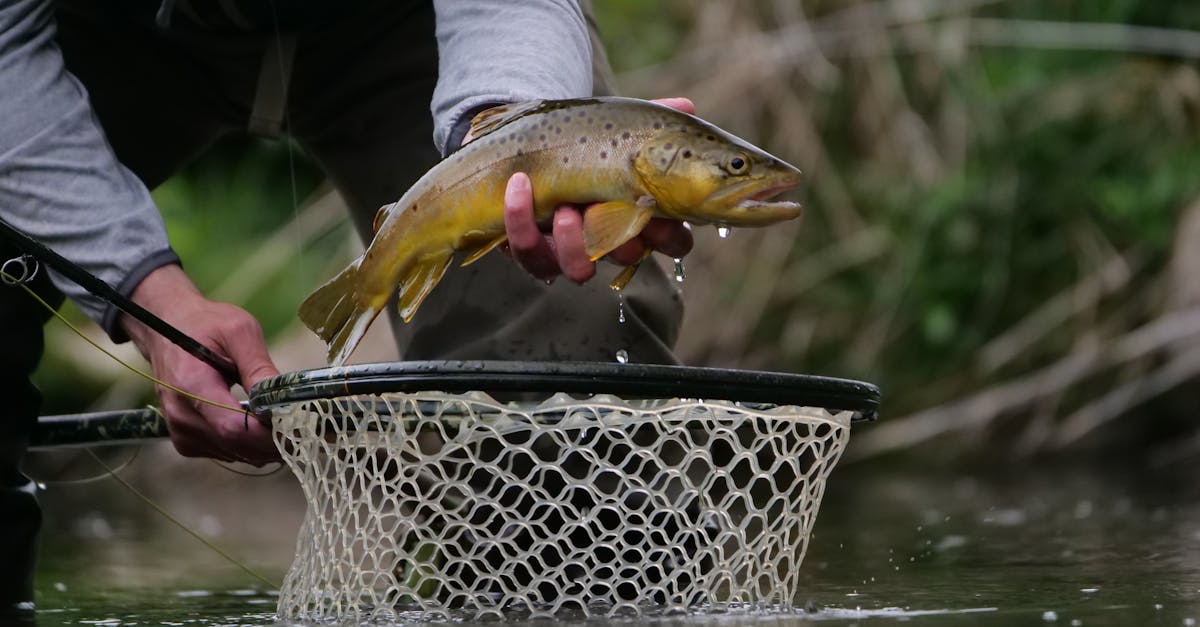
The brown trout is the most cunning and elusive trout species swimming in Montana's rivers, and it rewards patient, skilled anglers with some of the state's most memorable catches. Originally native to Europe and western Asia, brown trout were first introduced to North American waters in 1883 and arrived in Montana shortly thereafter. They have since established robust, self-sustaining populations in virtually every major trout stream in the state, from the legendary spring creeks of the Paradise Valley to the sweeping runs of the lower Madison and the deep pools of the Bighorn. Brown trout grow larger than any other trout species in Montana, and fish exceeding 24 inches are caught with regularity on premium waters. The lower Madison River, the Missouri River below Holter Dam, and the Bighorn River are particularly renowned for producing trophy-class browns. Unlike rainbows, brown trout spawn in the fall (October through November), and their aggressive pre-spawn behavior creates an exciting window for streamer fishing as large males become territorial and attack anything that enters their domain. Browns are notably more nocturnal than other trout species, and many of the biggest fish are caught during low-light conditions. What sets brown trout apart from other species is their wariness and selectivity. Large browns are notoriously difficult to fool, often refusing flies that are even slightly off in size, color, or presentation. They tend to establish and defend prime feeding lies (undercut banks, logjams, deep pools, and boulder gardens), and an angler who learns to read water and identify these holding spots will consistently catch more and larger fish. This combination of difficulty, size potential, and intelligence makes the brown trout the most prized quarry for many serious Montana fly fishers.
Yellowstone Cutthroat Trout
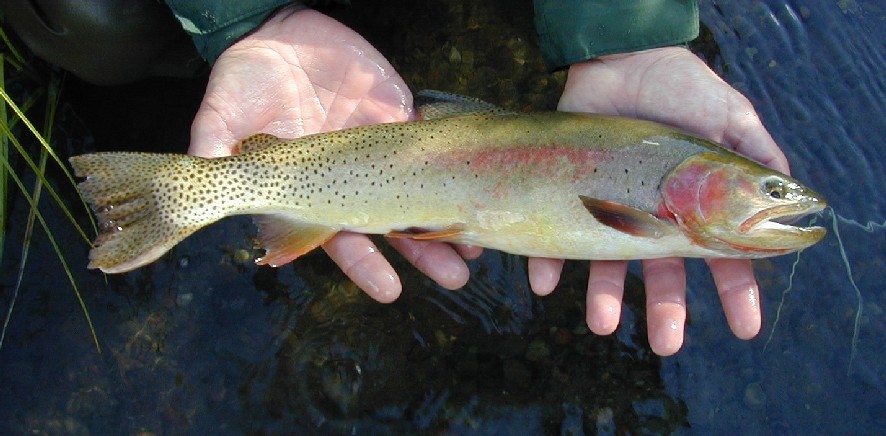
The Yellowstone cutthroat trout is Montana's most iconic native fish, a living symbol of the wild, untrammeled waters of the Greater Yellowstone Ecosystem. This subspecies of cutthroat trout evolved in the Yellowstone River drainage over thousands of years and is uniquely adapted to the cold, clear streams and rivers of south-central Montana. Named for the vivid red-orange slash marks beneath its lower jaw, the 'cut throat' that gives the entire cutthroat species complex its name, the Yellowstone cutthroat is one of the most beautiful and culturally significant fish in the American West. Yellowstone cutthroats are generally considered the most eager surface feeders among Montana's trout species, making them a favorite among dry-fly purists. They tend to be less wary than brown trout and more willing to eat a well-presented dry fly, even when no hatch is occurring. On their home waters (the Yellowstone River above Livingston, Slough Creek in Yellowstone National Park, the upper Lamar River, and numerous tributary streams throughout the Absaroka and Beartooth ranges), cutthroats will rise freely to attractor dry flies like Royal Wulffs, Stimulators, and Elk Hair Caddis, providing the kind of classic western dry-fly experience that anglers travel thousands of miles to enjoy. Despite their eagerness at the end of a fly line, Yellowstone cutthroat trout face significant conservation challenges. Habitat loss, hybridization with introduced rainbow trout, competition from non-native brook trout and lake trout, and the impacts of whirling disease have reduced their historic range by roughly 60 percent. Montana Fish, Wildlife & Parks, along with federal agencies and conservation groups, has invested heavily in cutthroat restoration projects, including barrier construction to prevent upstream migration of non-native species and targeted removal of lake trout from Yellowstone Lake. Anglers play an important role in cutthroat conservation by practicing careful catch-and-release techniques and supporting habitat protection efforts.
Bighorn River (Wyoming) Hatch Chart
| Insect | Suggested Fly | Jan | Feb | Mar | Apr | May | Jun | Jul | Aug | Sep | Oct | Nov | Dec |
|---|---|---|---|---|---|---|---|---|---|---|---|---|---|
Midges morning | Zebra Midge | ||||||||||||
Blue-Winged Olive (Baetis) afternoon | BWO Emerger | ||||||||||||
Blue-Winged Olive (Baetis) afternoon | Parachute Adams | ||||||||||||
Trico morning | Trico Spinner | ||||||||||||
Pale Morning Dun morning | Sparkle Dun | ||||||||||||
Caddisflies (various) evening | Elk Hair Caddis | ||||||||||||
Yellow Sally Stonefly afternoon | Stimulator | ||||||||||||
Scuds & Sowbugs all day | Ray Charles | ||||||||||||
Terrestrials (hoppers, beetles) afternoon | Chubby Chernobyl |
Midges: Year-round, especially important in winter. Warm springs boost midge production. Size 18-24.
Blue-Winged Olive (Baetis): Early-season BWO hatches on overcast days through Thermopolis. Size 18-20.
Blue-Winged Olive (Baetis): Fall BWOs produce consistent surface activity. Parachute Adams size 18-20.
Trico: The signature Bighorn hatch. Technical spinner falls at dawn. Trico Spinner size 20-22.
Pale Morning Dun: Good PMD hatches overlap with Trico mornings. Sparkle Dun size 14-18.
Caddisflies (various): Summer evening caddis activity through the Thermopolis section. EHC size 14-16.
Yellow Sally Stonefly: Small stonefly hatch. Stimulator size 14-16.
Scuds & Sowbugs: Important year-round food source, enhanced by warm mineral springs. Size 14-16.
Terrestrials (hoppers, beetles): Hopper-dropper along the grassy banks through Thermopolis.
Recommended Flies
Trico Spinner
Top PickThe signature Bighorn pattern; Trico spinner falls define this fishery
Best in summer
Zebra Midge
Top PickYear-round midge pattern; especially important in winter
Best in winter
Parachute Adams
Top PickUniversal mayfly covering BWO, PMD, and Trico hatches
Best in summer
RS2
Top PickMidge and BWO emerger for the clear, slow water
Best in spring
Elk Hair Caddis
Top PickEvening caddis hatches through the Thermopolis section
Best in summer
Pheasant Tail Nymph
Top PickAll-purpose nymph; effective year-round
Best in spring
Chubby Chernobyl
Top PickHopper-dropper along grassy banks from July through September
Best in summer
Woolly Bugger
Top PickStreamer for fall browns approaching spawning
Best in fall
Curated Fly Boxes
Wyoming Bighorn All-Purpose Box
SummerA versatile selection for the Bighorn's Thermopolis section and Wind River Canyon: stoneflies, caddis, and reliable nymph patterns for varied water.
Access Points & Boat Launches
Wedding of the Waters Access
Wade AccessEasyAccess to the iconic spot where the Wind River becomes the Bighorn River, five miles south of Thermopolis on US 20. Walk-in wade fishing to the upper reach of the Bighorn's most productive trout water. This is where the 3,000+ trout per mile section begins. A short walk from the highway pull-off leads to excellent riffles and pools.
Hot Springs State Park Access
Wade AccessEasyWalk-in wade access through Hot Springs State Park in the heart of Thermopolis. The mineral hot springs discharge into the river here, creating unique warm-water micro-habitats where trout concentrate. Free public hot springs for post-fishing soaking. Bison graze in the park, adding to the Western atmosphere. Excellent year-round midge and BWO fishing.
Thermopolis Town Boat Launch
Boat LaunchEasyPublic boat launch in Thermopolis for floating the Bighorn downstream through and below town. The improved ramp handles drift boats and rafts. A convenient starting point for guided float trips and a good put-in for the town float through Hot Springs State Park and downstream toward the Owl Creek confluence.
Longwell Access Area
Wade AccessModerateWyoming Game & Fish public access area located seven miles north of Thermopolis. Walk-in wade fishing on the lower Bighorn River with less pressure than the Thermopolis town sections. Brown trout become more prevalent in this lower section. Access via WY 172 (Black Mountain Road) and County Road 21. A more remote feel than the in-town access points.
Regulations
Regulations
Bighorn River from Wedding of the Waters to Thermopolis and downstream: Standard Wyoming regulations for Area 3: 6 trout per day, no more than 3 over 12 inches, no more than 1 over 20 inches. Wind River Canyon: Check Wyoming Game & Fish Department for current Wind River/Bighorn regulations, as the Wind River Indian Reservation boundary creates jurisdictional complexities; a tribal fishing permit may be required for certain sections. Wyoming fishing license and conservation stamp required. Check current regulations at wgfd.wyo.gov for section-specific rules.
Always verify current regulations with Wyoming Game and Fish before fishing.
Some links may earn a commission. Learn more
Quick Facts
- Region
- North Central Wyoming
- Water Type
- Freestone (warm-spring influenced)
- River Length
- ~14 miles of prime trout water through Thermopolis; additional 20+ miles in Wind River Canyon
- Difficulty
- Beginner-Intermediate
- Best Seasons
- spring, summer, fall
- Trout Per Mile
- 3,000+ (Thermopolis section); 1,000-1,500 (Wind River Canyon)
- Record Trout
- 26" brown trout (Thermopolis section); rainbow trout exceeding 24" documented
- Species
- Rainbow Trout, Brown Trout, Yellowstone Cutthroat Trout
- USGS Gauge
- 06259500
Where to Stay
Thermopolis
A small town famous for its natural hot springs and home to the world's largest mineral hot spring at Hot Springs State Park. The Bighorn River flows right through town with easy walk-in access.
After a day on the water, soak in the free public hot springs at Hot Springs State Park. The Wedding of the Waters access point is just south of town. Several motels and a few vacation rentals are available.
Ten Sleep / Worland
Worland is a quiet agricultural town about 35 miles north of Thermopolis on Highway 20. Ten Sleep, a tiny community in the Bighorn Mountains foothills, offers a scenic mountain base.
A budget-friendly alternative to Thermopolis with basic motels and restaurants. Ten Sleep Canyon is worth a side trip for the dramatic scenery. Stock up on supplies before heading to the river.