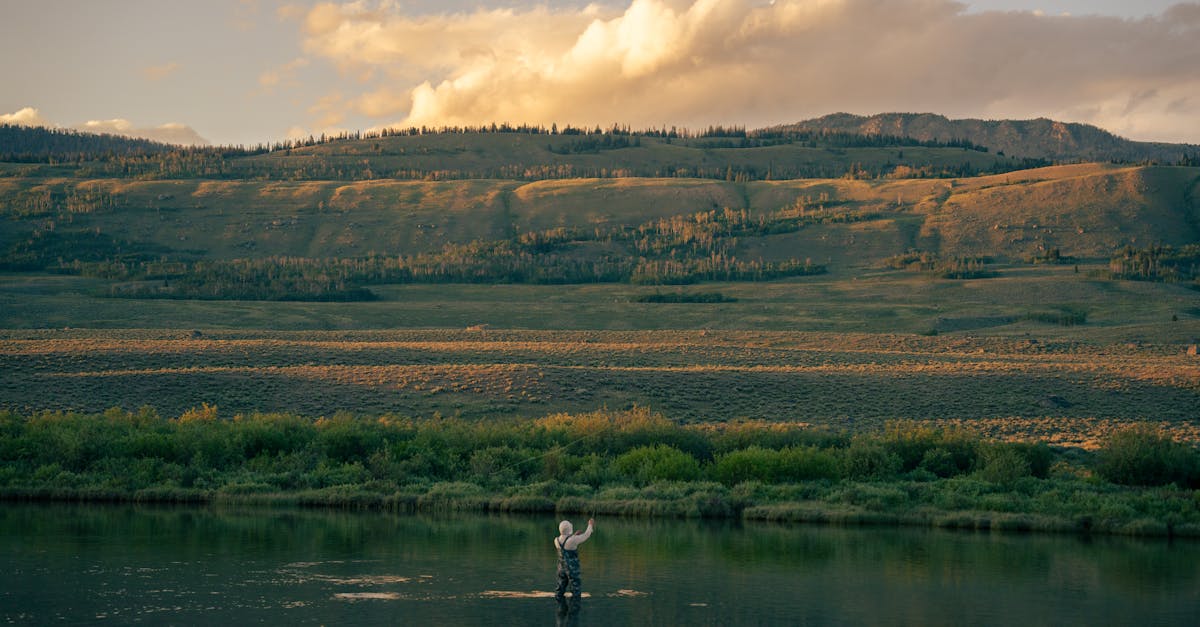
New Fork River
The New Fork River flows from the glacial lakes of the Wind River Range through the cattle country of Sublette County, offering outstanding fly fishing for brown, rainbow, and brook trout in one of the most remote and uncrowded river valleys in Wyoming. With trophy browns exceeding 20 inches and a diverse hatch calendar from Grey Drakes to PMDs, the New Fork rewards anglers willing to venture off the beaten path.
New Fork River Fishing Report & Current Conditions
The New Fork River is a freestone fishery, and it fishes best in summer and fall. Live USGS streamflow readings update throughout the day, while the monthly median flows below map the river's typical discharge across the year. Together they show current fishability and how today's water compares to the seasonal norm.
Current Conditions
Typical Monthly Flows
Historical median discharge (CFS) by month: New Fork River
Overview
The New Fork River is Western Wyoming's under-the-radar gem. Rising from the New Fork Lakes at 8,200 feet in the Wind River Range, this freestone river flows south and west for 75 miles through the remote ranch country of Sublette County before joining the Green River near Big Piney. Along the way, it passes through alpine meadows, sagebrush flats, and cottonwood riparian corridors that harbor healthy populations of brown, rainbow, and brook trout, all within sight of the jagged peaks of the Wind River Range.
The upper New Fork from the lakes downstream through the town of Pinedale is the most accessible and productive section. Here the river is a moderate-sized mountain stream (30 to 50 feet wide) flowing through irrigated hay meadows and ranch land. The river's gradient is gentle, creating long, smooth glides and deep pools that hold surprisingly large brown trout. Fish over 20 inches are caught regularly, and the upper river supports consistent hatches of Grey Drakes, PMDs, Golden Stoneflies, caddisflies, and terrestrials that provide excellent dry-fly opportunities.
The middle New Fork below Pinedale to the Boulder area picks up volume from tributary inflows and develops into a stronger, broader river. This section is predominantly floated, as much of the river flows through private land where access from the bank is limited. Wyoming's stream access law allows floating and fishing from the water, but anglers must stay in the boat and cannot anchor or touch the streambed on private property. This legal framework makes floating the New Fork the most practical way to access its best water.
Pinedale serves as the gateway to the New Fork and the surrounding Wind River Range wilderness. This small but growing town offers fly shops, guides, lodging, and provisions, while maintaining the authentic character of a working Western ranching community. The New Fork's fishing season is compressed by its high elevation (usable dry-fly water typically runs from early July through late September), but within that window, the fishing can be spectacular.
The New Fork's connection to the broader Green River drainage means it benefits from the same clean, cold water that characterizes all streams flowing from the Wind River Range. The river's aquatic insect diversity is remarkable for its size, and the combination of lower fishing pressure, healthy trout populations, and stunning mountain scenery makes it a worthy destination for anglers looking beyond Wyoming's headliner rivers.
Water Characteristics
The New Fork River is a classic high-elevation freestone stream fed by snowmelt and spring seeps from the Wind River Range. Its source at New Fork Lakes (8,200 feet) and the surrounding glaciated terrain provide exceptionally cold, clear water throughout the fishing season. Water temperatures during prime fishing months (July-September) typically range from 48 to 60 degrees Fahrenheit, ideal for trout. The river has moderate alkalinity from the limestone and granite formations of the Wind River Range, supporting healthy aquatic insect populations relative to its size.
The riverbed substrate is predominantly clean gravel and small cobble, with larger boulders in the steeper gradient sections near the headwaters. The meadow sections through ranch land have a sand and gravel bottom with deeper pools at outside bends where clay and silt accumulate. These deeper pools, often 6 to 8 feet deep against cutbanks, provide critical holding habitat for the river's largest brown trout. Aquatic vegetation is moderate, with some weed growth in the slower sections that provides cover for trout and habitat for scuds, crayfish, and midge larvae.
Spring runoff is significant on the New Fork, driven by snowmelt from the high peaks of the Wind River Range. Flows can exceed 2,000 cfs during peak runoff in June, compared to summer base flows of 200 to 500 cfs. This dramatic seasonal variation shapes the river's character; spring floods rearrange gravel bars, scour pools, and create new side channels, while late-summer low flows concentrate fish in the deeper runs and pools. Water clarity is excellent from July through October, typically 4 to 6 feet of visibility.
Wading & Float Guide
The upper New Fork River near Pinedale offers good wading opportunities in accessible sections. The river is moderate in size with a clean gravel and cobble bottom that provides stable footing. During normal summer flows (200 to 500 cfs), the river is comfortably wadeable in the riffles, shallow runs, and along the gravel bars. The deeper pools and outside bends should be approached with caution, as they can drop off quickly to depths exceeding chest height. Felt-soled or studded rubber-soled boots provide adequate traction.
The primary wading challenge on the New Fork is access, not water conditions. Much of the river flows through private ranch land, and public access is limited to specific designated areas, bridge crossings, and BLM parcels. The town of Pinedale offers walk-in access at Pine Creek, and the Mesa Road Bridge provides walk-in wade fishing on the artificial-only section. Anglers should carry a good map or GPS and be aware of property boundaries; trespassing on private land is taken seriously in Sublette County.
Spring runoff from the Wind River Range peaks in June and can push the New Fork to unfishable levels for 2 to 4 weeks. By early July, flows typically drop to comfortable wading conditions. Late summer low flows (August-September) make the river easily wadeable but can warm water temperatures in the lower sections. Chest waders are recommended through July; wet wading is possible in August during warm spells, though the high elevation means mornings are always cool.
Pinedale Town Section (Pine Creek to Mesa Road Bridge)
The most accessible float section through and below Pinedale. Gentle gradient with gravel bars, riffles, and deep pools. Good mix of brown and rainbow trout. This section enters the artificial-only water at Mesa Road Bridge. Easy rowing suitable for inflatable rafts and drift boats. Some shallow gravel bars require reading the channel during low water.
Mesa Road Bridge to Boulder Bridge
The heart of the New Fork's fly fishing water. The river flows through ranch meadows with excellent hatches and less pressure. Must stay in the boat on private land sections. Long float, so plan for a full day. Deep pools against cutbanks hold the river's largest brown trout. Excellent hopper-dropper and Grey Drake water in midsummer.
Boulder Bridge to East Fork Confluence
The lower float section approaching the East Fork confluence. The river widens and slows, with more sagebrush and less cottonwood along the banks. Brown trout dominate. Good fall streamer fishing as fish stage before spawning. Remote and lightly fished. Take-out options are limited, so plan shuttle logistics carefully.
Rod & Tackle Guide
Upper New Fork (Pinedale to Mesa Road Bridge)
- Rod
- 9' 4-weight or 5-weight
- Line
- Weight-forward floating
- Leader & Tippet
- 9' tapered to 4X-5X (dry fly/nymph), 12' to 5X-6X (Trico/midge)
A 4-weight is ideal for the upper river's more intimate character. The light rod handles the Grey Drake, PMD, and caddis hatches beautifully and makes fighting 14-18 inch trout a delight. During hopper season, a 5-weight provides more power for throwing foam patterns with droppers.
Middle New Fork (Mesa Road Bridge to East Fork, float section)
- Rod
- 9' 5-weight or 6-weight
- Line
- Weight-forward floating
- Leader & Tippet
- 9' tapered to 3X-4X (hopper-dropper/streamer), 9'-12' to 4X-5X (dry fly)
Float fishing the middle New Fork requires a rod that can punch casts into the Wind River Range breeze and turn over hopper-dropper rigs. A 5-weight is versatile, but a 6-weight provides insurance against the afternoon wind that frequently builds in this mountain valley. Bring a stripping basket if wade fishing; the gravel bars extend your range when fishing the far channels.
Best Time to Fish the New Fork River
Spring
Spring comes late to the New Fork. Snowmelt from the Wind River Range keeps the river high and turbid through May and into June. The fishing season effectively begins when runoff subsides, typically in late June or early July. Some early-season nymphing is possible on the lower river when flows stabilize, but most anglers wait for the river to drop and clear. Use the spring weeks to plan your summer trip and monitor USGS flows. Fishable levels are generally below 600 cfs at the Big Piney gauge.
Summer
July through August is prime time on the New Fork. The Grey Drake hatch (#10-12) in early to mid-July is the marquee event; these large mayflies bring big brown trout to the surface in spectacular fashion. Use a Parachute Adams or Grey Drake imitation in size 10-12. PMD hatches (#14-18) overlap with Grey Drakes and extend through August. Golden Stoneflies (#6-10) hatch in July, and Stimulators or Yellow Sallies are effective imitators. By late July, hopper-dropper rigs become the dominant technique; the meadow setting provides abundant grasshoppers along the banks. Evening caddis hatches (#14-16) provide consistent surface activity.
Fall
September is excellent on the New Fork; hopper fishing continues, BWO hatches (#18-20) begin on overcast afternoons, and brown trout become increasingly aggressive before spawning. Streamer fishing with Woolly Buggers and sculpin patterns produces the year's largest fish. October can be good but weather is unpredictable at 7,000+ feet elevation; snow is possible by mid-October, and the river can freeze along the edges. The fall window is short but rewarding for anglers who time it right.
Winter
The New Fork is not a practical winter fishery. Ice, snow, and extreme cold at 7,000+ feet elevation make access difficult and conditions harsh. The river freezes over in many sections. Anglers looking for winter fishing in the region should head to lower-elevation options like the Bighorn at Thermopolis or the North Platte Grey Reef. Pinedale regularly records some of the coldest temperatures in Wyoming, with lows well below minus 20 degrees Fahrenheit.
Fishing Pressure & Local Tips
The New Fork River sees light fishing pressure by any measure. Pinedale is a remote town of approximately 2,000 people, and while it is growing as a tourist and recreational destination, the New Fork does not carry the name recognition that draws destination anglers to the Snake River or North Platte. During the peak summer months of July and August, you might encounter a handful of other anglers on the upper river near town, and the float sections see only a few boats per day. Weekday fishing is essentially private water.
The limited public access on the New Fork actually works in anglers' favor; it distributes the light pressure across the river and discourages casual visitors. The float-only nature of much of the river (due to private land) means that wading anglers concentrate at the few public access points, while float anglers spread out over miles of water. The guides based in Pinedale run small operations, and the total guided boat traffic is a fraction of what the Snake River or North Platte sees. For anglers who value solitude as part of the fly fishing experience, the New Fork is hard to beat.
Local Knowledge
The Grey Drake hatch in early July is the New Fork's claim to fame, and planning a trip around this emergence is the single best strategy for trophy brown trout on dry flies. Grey Drakes (#10-12) are large, conspicuous mayflies that hatch from the gravel riffles in the morning hours. When the hatch is on, even the wariest brown trout lose their caution and feed freely on the surface. Arrive early, position yourself along a productive riffle, and watch for the big, fluttering duns drifting downstream. A well-presented Parachute Adams or specific Grey Drake pattern in size 10 will produce some of the best dry-fly fishing in Wyoming.
Wyoming's stream access law is critical to understand on the New Fork. You may float through private property and fish from your boat, but you may not anchor, wade, or touch the streambed on private land. This means float anglers must be proficient at casting from a moving boat, and the oarsman must maintain position without anchoring to allow effective presentations. The best guided trips on the New Fork are masterclasses in boat positioning: the guide holds the boat in the current using oar strokes while the angler makes repeated casts to rising fish along the bank.
Pinedale is the staging point for both the New Fork and the upper Green River, as well as hundreds of high-mountain lakes in the Wind River Range. If the river is blown out from runoff or the fishing is slow, the surrounding backcountry offers outstanding alternative fishing. Fremont Lake, the second-deepest natural lake in Wyoming, is just minutes from town and holds large lake trout, rainbow trout, and kokanee salmon. The Bridger Wilderness, accessible from trailheads near Pinedale, contains over 1,300 alpine lakes, many of which hold populations of cutthroat, rainbow, golden, and brook trout that rarely see a fly.
Species Present
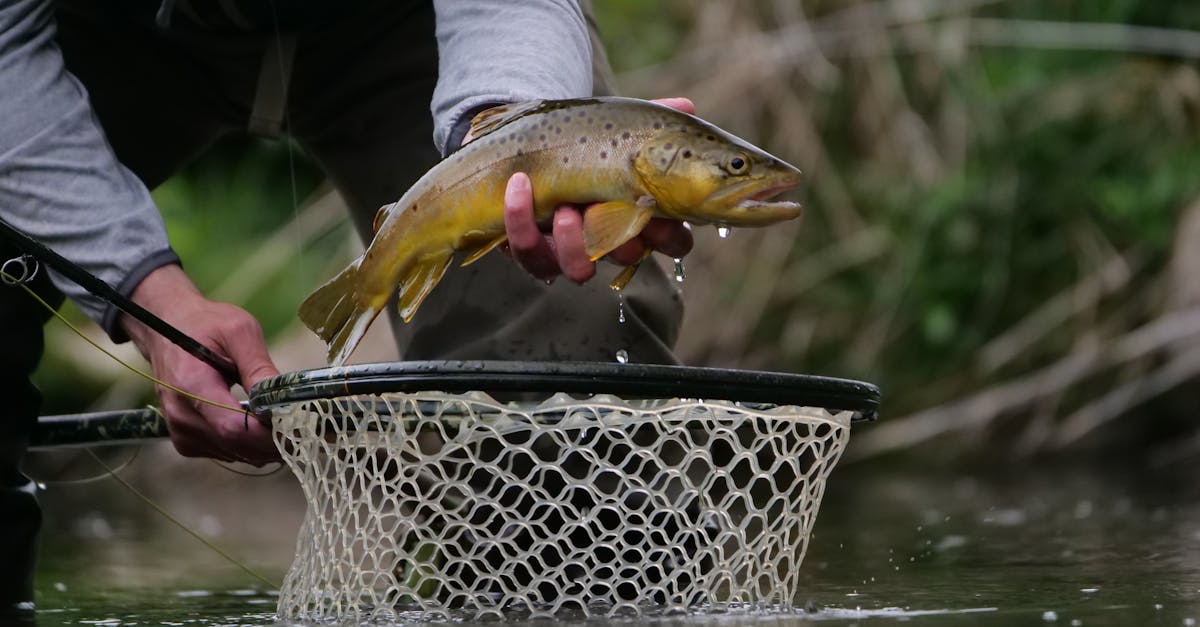
Brown Trout
The brown trout is the most cunning and elusive trout species swimming in Montana's rivers, and it rewards patient, skilled anglers with some of the state's most memorable catches. Originally native to Europe and western Asia, brown trout were first introduced to North American waters in 1883 and arrived in Montana shortly thereafter. They have since established robust, self-sustaining populations in virtually every major trout stream in the state, from the legendary spring creeks of the Paradise Valley to the sweeping runs of the lower Madison and the deep pools of the Bighorn. Brown trout grow larger than any other trout species in Montana, and fish exceeding 24 inches are caught with regularity on premium waters. The lower Madison River, the Missouri River below Holter Dam, and the Bighorn River are particularly renowned for producing trophy-class browns. Unlike rainbows, brown trout spawn in the fall (October through November), and their aggressive pre-spawn behavior creates an exciting window for streamer fishing as large males become territorial and attack anything that enters their domain. Browns are notably more nocturnal than other trout species, and many of the biggest fish are caught during low-light conditions. What sets brown trout apart from other species is their wariness and selectivity. Large browns are notoriously difficult to fool, often refusing flies that are even slightly off in size, color, or presentation. They tend to establish and defend prime feeding lies (undercut banks, logjams, deep pools, and boulder gardens), and an angler who learns to read water and identify these holding spots will consistently catch more and larger fish. This combination of difficulty, size potential, and intelligence makes the brown trout the most prized quarry for many serious Montana fly fishers.
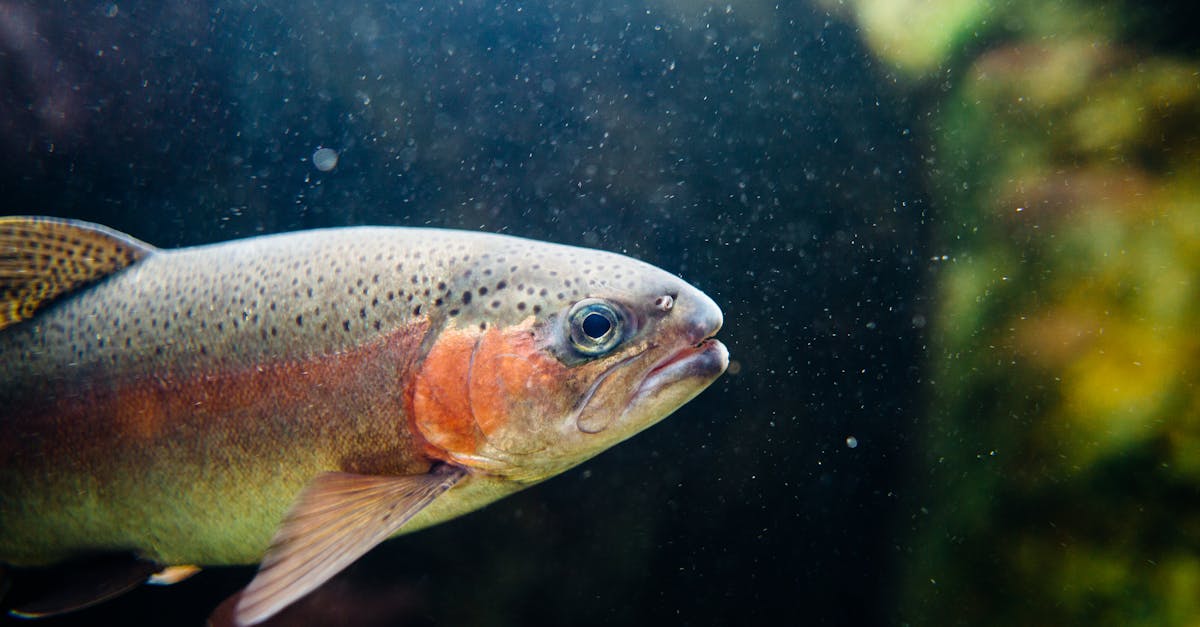
Rainbow Trout
The rainbow trout is Montana's most widespread and popular gamefish, celebrated for its explosive surface strikes, aerial acrobatics, and willingness to take a well-presented dry fly. Native to Pacific Coast drainages from Alaska to Mexico, rainbows were first introduced to Montana's waters in the late 1800s and have since established thriving populations in nearly every major river system in the state. On legendary waters like the Madison, Missouri, and Bighorn, wild rainbow trout grow fat on prolific insect hatches and provide some of the finest dry-fly fishing in North America. Rainbow trout in Montana display remarkable variation depending on their home water. Fish in nutrient-rich tailwaters like the Missouri River below Holter Dam can exceed 20 inches with regularity, their deep bodies and broad tails reflecting the abundant food supply. Freestone river rainbows, such as those in the upper Madison and Gallatin, tend to be leaner and more athletic, shaped by faster currents and colder water temperatures. In many Montana rivers, rainbows spawn in the spring from March through June, and anglers should be mindful of spawning redds during this period to protect future generations of fish. Rainbows are arguably the most versatile trout species for fly anglers. They respond well to dry flies during hatches, aggressively chase streamers, and feed heavily on nymphs subsurface throughout the year. Their fighting ability is legendary: a hooked rainbow will often launch itself completely out of the water multiple times during a battle. Montana's catch-and-release regulations on many blue-ribbon streams have produced exceptional rainbow trout fisheries with high densities of large, healthy fish that continue to draw anglers from around the world.
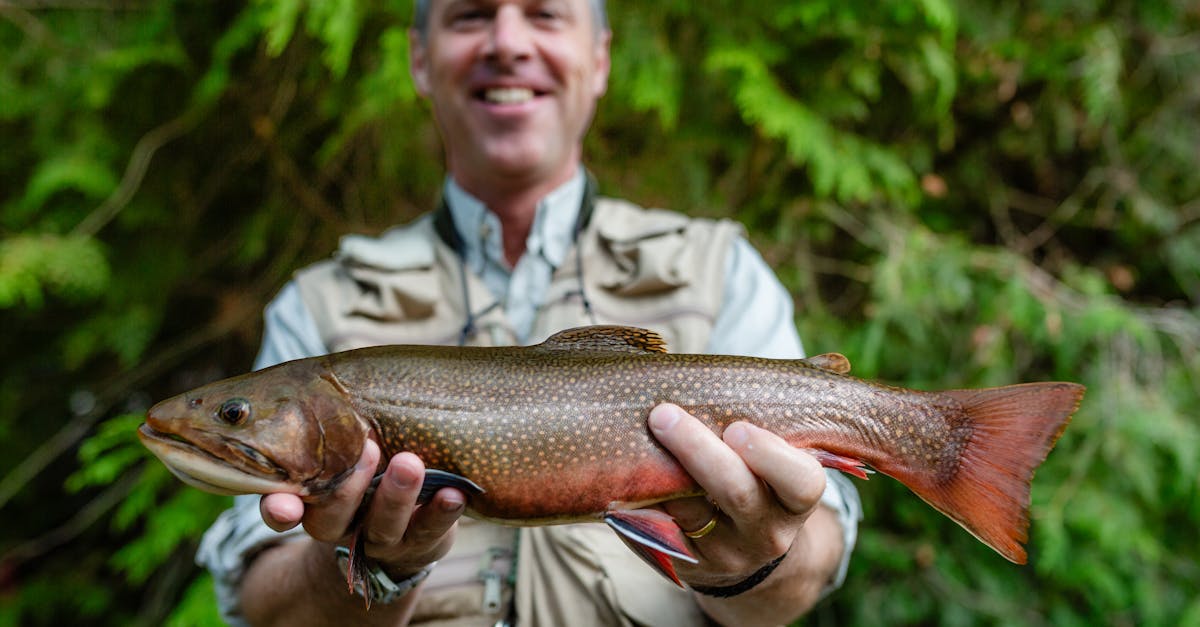
Brook Trout
The brook trout is widely considered the most beautiful freshwater fish in North America, and catching one in a pristine Montana mountain stream is an experience that captures the essence of backcountry fly fishing. Despite their common name, brook trout are not true trout at all; they are a species of char (genus Salvelinus), more closely related to lake trout and Arctic char than to rainbows or browns. Native to eastern North America from Georgia to Hudson Bay, brook trout were among the first salmonids introduced to Montana's waters in the late 1800s and have since established self-sustaining populations in cold, high-elevation streams and lakes throughout the state. In Montana, brook trout thrive best in small, cold headwater streams and high mountain lakes where competition from larger trout species is minimal. In these environments, they are often the dominant, or only, salmonid present. The trade-off is size: Montana stream-dwelling brook trout typically range from 6 to 10 inches, with fish over 12 inches considered noteworthy in most waters. What they lack in size, however, they more than make up for in beauty and willingness to eat a fly. Brookies are aggressive feeders that will strike attractor dry flies, nymphs, and small streamers with enthusiasm, making them an ideal species for beginning fly anglers and a delightful quarry for anyone who appreciates small-stream fishing. Brook trout do present a conservation paradox in Montana. While they are a beloved and beautiful gamefish, they are non-native and can negatively impact native species, particularly Yellowstone and westslope cutthroat trout. In headwater streams, brook trout often outcompete cutthroats for food and spawning habitat due to their higher reproductive rate and earlier maturation. As a result, Montana FWP has implemented brook trout removal projects on some streams to restore native cutthroat populations. In many waters, liberal harvest limits for brook trout are encouraged to reduce their numbers and benefit native fish. Anglers can enjoy excellent brook trout fishing while actively helping conservation by keeping a few for the pan.
New Fork River Hatch Chart
| Insect | Suggested Fly | Jan | Feb | Mar | Apr | May | Jun | Jul | Aug | Sep | Oct | Nov | Dec |
|---|---|---|---|---|---|---|---|---|---|---|---|---|---|
Grey Drake morning | Parachute Adams | ||||||||||||
Pale Morning Dun morning | PMD Comparadun | ||||||||||||
Golden Stonefly all day | Stimulator | ||||||||||||
Caddisflies (various) evening | Elk Hair Caddis | ||||||||||||
Yellow Sally Stonefly afternoon | Stimulator | ||||||||||||
Blue-Winged Olive (Baetis) afternoon | BWO Emerger | ||||||||||||
Terrestrials (hoppers, beetles, ants) afternoon | Chubby Chernobyl | ||||||||||||
Trico morning | Trico Spinner |
Grey Drake: The marquee New Fork hatch. Large mayflies bring trophy browns to the surface. Parachute Adams size 10-12.
Pale Morning Dun: Overlaps with Grey Drakes and extends through August. PMD Comparadun size 14-18.
Golden Stonefly: Golden stones in early July. Stimulator size 6-10.
Caddisflies (various): Consistent evening caddis hatches through the meadow sections. EHC size 14-16.
Yellow Sally Stonefly: Small Yellow Sally stonefly emergence. Stimulator size 14-16.
Blue-Winged Olive (Baetis): Fall BWOs on overcast September afternoons. BWO Emerger size 18-20.
Terrestrials (hoppers, beetles, ants): The meadow setting provides abundant hoppers. Chubby Chernobyl size 8-12.
Trico: Trico spinner falls in the slower meadow sections. Size 20-22.
Recommended Flies
Parachute Adams
Top PickGrey Drake and PMD imitation; the top New Fork dry fly
Best in summer
Chubby Chernobyl
Top PickHopper-dropper anchor through the meadow sections from late July
Best in summer
Stimulator
Top PickGolden stonefly and Yellow Sally imitation
Best in summer
Elk Hair Caddis
Top PickEvening caddis hatches in the meadow sections
Best in summer
Pheasant Tail Nymph
Top PickBest dropper nymph behind dry flies
Best in summer
Pat's Rubber Legs
Top PickStonefly nymph for the deeper pools and runs
Best in summer
Woolly Bugger
Top PickStreamer for large fall browns in the deep pools
Best in fall
PMD Comparadun
Top PickPMD Comparadun during July-August morning hatches
Best in summer
Also Effective
Curated Fly Boxes
New Fork Meadow Stream Box
SummerDry flies and nymphs for the New Fork's meadow water near Pinedale: attractor patterns and caddis imitations for willing cutthroat and browns.
Access Points & Boat Launches
Pinedale Town Access (Pine Creek)
Wade AccessEasyWalk-in wade access to the New Fork River within the town of Pinedale at the Pine Creek confluence. The most convenient access point for visiting anglers, with the river within walking distance of downtown fly shops, restaurants, and lodging. Productive riffles and pools hold a mix of brown, rainbow, and brook trout.
Mesa Road Bridge Access
Boat LaunchEasyAccess point at the upstream boundary of the artificial-flies-and-lures-only water. This is a common put-in for float trips through the restricted-tackle section. A primitive gravel ramp accommodates drift boats and rafts. Good wade fishing access upstream and downstream of the bridge for anglers on foot.
Boulder Bridge Access
Boat LaunchEasyMid-river take-out and put-in for float trips on the middle New Fork. The bridge crossing provides the only public access to the river for several miles in either direction, making it a critical waypoint for float planning. Wade fishing is possible at the bridge, though private land limits bank access upstream and downstream.
Olsen Bridge BLM Access
Wade AccessEasy-ModerateBLM-managed access point on the lower New Fork River near the Olsen Bridge. One of the few walk-in public access points on the lower river, where large brown trout hold in deep pools against cutbanks. The surrounding sagebrush landscape offers solitude and views of the Wind River Range. Bring insect repellent; mosquitoes can be fierce in summer.
Regulations
Regulations
New Fork River from Mesa Road Bridge downstream to confluence with East Fork River: Artificial flies and lures only. New Fork River above New Fork Lakes: Closed September 1 through April 30. Standard Wyoming regulations apply to most sections: 6 trout per day, no more than 3 over 12 inches, no more than 1 over 20 inches. Wyoming fishing license and conservation stamp required. Float anglers must remain in their watercraft on private land sections (no anchoring, wading, or touching the streambed on private property). Check Wyoming Game & Fish Department regulations at wgfd.wyo.gov for current section-specific rules.
Always verify current regulations with Wyoming Game and Fish before fishing.
Some links may earn a commission. Learn more
Quick Facts
- Region
- Western Wyoming / Wind River Range
- Water Type
- Freestone
- River Length
- 75 miles (New Fork Lakes to Green River confluence); ~30 miles of prime trout water near Pinedale
- Difficulty
- Intermediate
- Best Seasons
- summer, fall
- Trout Per Mile
- 1,000-2,000 (upper river near Pinedale); 800-1,200 (middle sections)
- Record Trout
- 24" brown trout (multiple fish exceeding 20" documented annually); rainbow trout to 22"
- Species
- Brown Trout, Rainbow Trout, Brook Trout
- USGS Gauge
- 09205000
Local Shops & Guides
Two Rivers Fishing Company
Pinedale, WY
Two Rivers Fishing Company is a professional fly fishing guide service based in Pinedale, Wyoming, with over 20 years of experience guiding anglers on the New Fork River and Upper Green River in Sublette County. Located on West Pine Street in the heart of Pinedale, they are the go-to guide service for anglers looking to explore the exceptional and often uncrowded trout waters of the Wind River Range region. The New Fork River and Upper Green River are two of Wyoming's finest trout streams, flowing through the scenic ranchlands and mountain valleys below the Wind River Range. These rivers offer outstanding fishing for brown, rainbow, and brook trout in a setting that feels refreshingly uncrowded compared to more famous destinations. Two Rivers Fishing Company's guides have spent decades learning the seasonal rhythms, hatches, and holding water on these rivers, giving their clients a significant advantage. Two Rivers offers guided float and walk-wade trips, multi-day fishing itineraries, and fly fishing instruction. Their guides provide all necessary equipment and are skilled at working with anglers of all experience levels, from complete beginners to seasoned fly fishers looking to explore new water. The company's intimate knowledge of Sublette County's waters, combined with the region's stunning mountain scenery and lack of fishing pressure, makes for a truly special fly fishing experience.
(307) 367-4131
JD High Country Outfitters
Jackson, WY
JD High Country Outfitters is a full-service outfitter based in Jackson, Wyoming, offering guided fly fishing experiences across the diverse waters of western Wyoming. From their location on North Center Street in downtown Jackson, they provide access to the Snake River, Green River, New Fork River, and backcountry lakes in the Wind River and Wyoming ranges. JD High Country Outfitters is known for going beyond the standard day trip, offering multi-day wilderness fishing expeditions that take anglers into the remote backcountry of western Wyoming. Their horse pack trips bring anglers to high-altitude lakes and streams that rarely see a fly line, providing a truly unique wilderness fishing experience. For those seeking a more accessible outing, their float and wade trips on the Snake and Green rivers deliver outstanding fishing in spectacular settings. The outfitter's experienced guides are licensed professionals who know the rhythms of each river and season. Whether you're floating the Snake River through Grand Teton National Park, fishing the Green River's crystal-clear water for large browns, or packing into a remote mountain lake on horseback, JD High Country Outfitters provides a premium guided experience. They also offer corporate retreats and custom multi-day itineraries for groups looking to combine adventure with fly fishing.
(307) 733-3270
Where to Stay
Pinedale
Pinedale is the natural base for the New Fork River. The river flows just east of town through open meadows with the Wind River Range as a backdrop. Local outfitters know the New Fork intimately.
Pinedale gives you access to both the New Fork and the upper Green River. The upper New Fork is accessible from several county road bridges north of town. Summer weekdays see very light pressure.
Boulder
A tiny ranching community south of Pinedale near the middle and lower New Fork. Minimal services but peaceful and close to the float section of the river.
Very limited lodging, mostly ranch stays and a few vacation rentals. The middle New Fork float section is accessible nearby. Plan to provision in Pinedale, which is only about 15 minutes north.