Green River
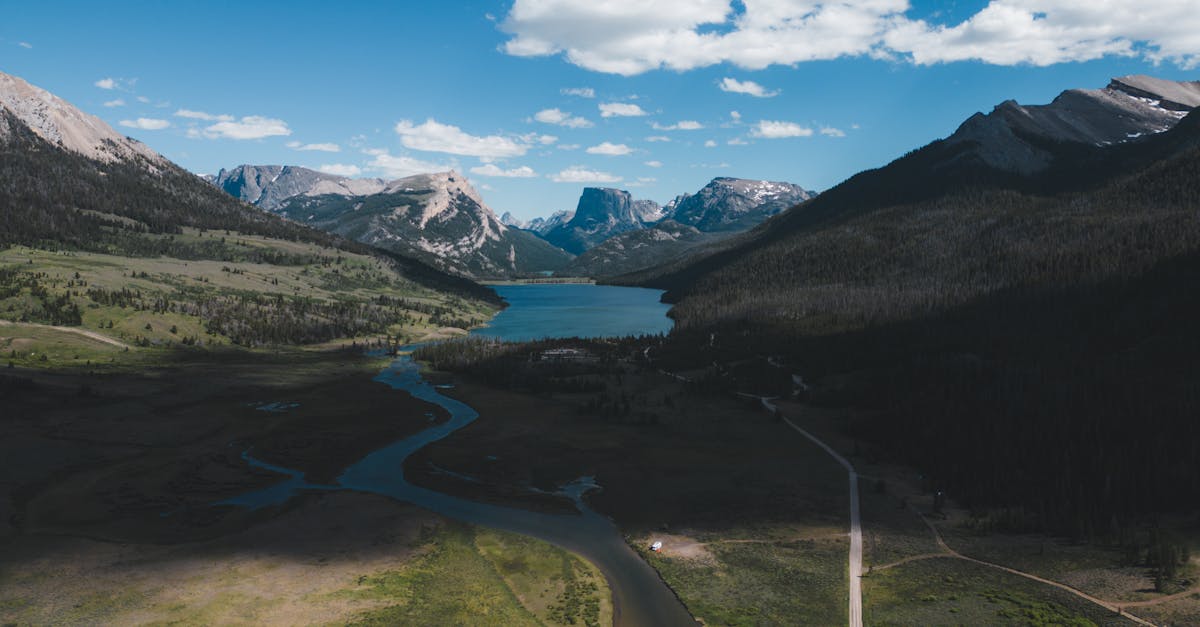
The Green River below Fontenelle Dam in southwest Wyoming is a hidden gem tailwater flowing through the remote high desert of Seedskadee National Wildlife Refuge. Trophy brown trout exceeding 20 inches prowl the slow pools and deep runs, feeding on prolific hatches of midges, BWOs, PMDs, and terrestrials in a starkly beautiful landscape that few fly fishers ever discover.
Green River Fishing Report & Current Conditions
The Green River is a tailwater (seedskadee) / freestone (upper) fishery, and it fishes best in spring, summer and fall. Live USGS streamflow readings update throughout the day, while the monthly median flows below map the river's typical discharge across the year. Together they show current fishability and how today's water compares to the seasonal norm.
Current Conditions
Typical Monthly Flows
Historical median discharge (CFS) by month: Green River
Overview
The Green River is Wyoming's best-kept fly fishing secret. While the North Platte and Snake River attract national attention, the Green River below Fontenelle Dam quietly produces some of the largest brown trout in the state. Flowing through the Seedskadee National Wildlife Refuge, a 36-mile corridor of high desert, sagebrush steppe, and cottonwood riparian habitat, this tailwater fishery offers solitude and trophy-quality fishing in a landscape that feels utterly unlike the mountainous rivers most anglers associate with Wyoming.
The prime fly fishing water extends approximately 30 miles below Fontenelle Dam through the Seedskadee National Wildlife Refuge. Cold, clear dam releases support a diverse and productive trout fishery dominated by brown trout, with healthy populations of rainbow trout and occasional Snake River cutthroat. Special regulations (artificial flies and lures only, one trout per day with a 20-inch minimum) have cultivated a trophy fishery where browns regularly exceed 20 inches and fish over 24 inches are taken each season.
The Seedskadee section has a character unlike any other Wyoming trout water. The river meanders through broad desert flats, cutting deep pools into clay and sandstone banks, flowing over gravel riffles, and winding through cottonwood groves that provide the only shade in a vast sagebrush landscape. The insect life is remarkably diverse for a desert river: prolific midge hatches year-round, strong BWO and PMD emergences, excellent caddis activity, and legendary cicada falls in late summer that bring trophy browns to the surface.
Above Fontenelle Reservoir, the upper Green River near the towns of Pinedale and Daniel offers a completely different experience: a classic mountain freestone stream flowing through alpine meadows below the Wind River Range. This upper section supports healthy populations of Snake River cutthroat, rainbow, and brown trout in a scenic mountain valley setting. The upper Green is part of the headwaters of the Colorado River system and maintains excellent water quality thanks to its origin in the Bridger Wilderness.
The Green River's remoteness is both its challenge and its reward. The nearest major town, Rock Springs, is an hour's drive from the best water, and amenities along the Seedskadee stretch are nonexistent. But for anglers willing to plan ahead and embrace the solitude, the Green River delivers world-class tailwater fishing with a fraction of the pressure found on better-known Western rivers.
Water Characteristics
The Green River below Fontenelle Dam is a classic western tailwater: cold, clear, and consistent. Dam releases from the bottom of Fontenelle Reservoir maintain water temperatures between 42 and 56 degrees Fahrenheit year-round, creating ideal conditions for trout growth and aquatic insect production. The cold, nutrient-rich water supports dense populations of midges, BWOs, PMDs, caddisflies, scuds, and sowbugs. Water clarity is exceptional, frequently exceeding 8 feet of visibility, which allows for sight-fishing to individual trout in the clear pools.
The riverbed through the Seedskadee section is a mix of gravel, cobble, sand, and clay. The clay banks that characterize much of the desert section create deep undercut lies that hold trophy brown trout. The gravel riffles between pools provide critical spawning habitat and support the highest densities of aquatic insects. Aquatic vegetation (moss and algae) grows densely on the cobble in the upper tailwater section, harboring scuds and midge larvae that form the foundation of the trout's diet.
The upper Green River above Fontenelle Reservoir is a high-elevation freestone stream with markedly different characteristics. Fed by snowmelt from the Wind River Range and the Wyoming Range, the upper river experiences dramatic seasonal flow changes, from low, clear winter conditions to powerful spring runoff that can push flows above 5,000 cfs. The substrate is clean gravel and cobble, the water is cold and well-oxygenated, and the mountain meadow setting supports healthy populations of native cutthroat, rainbow, and brown trout.
Wading & Float Guide
The Seedskadee section of the Green River is an excellent wading fishery. The river is moderate in size, typically 40 to 80 feet wide, with a substrate of gravel, cobble, and sand that provides stable footing in most areas. At normal tailwater flows of 400 to 1,200 cfs, the river is comfortably wadeable through the riffles and shallow runs, though the deeper pools and undercut clay banks should be avoided. The clay and sandstone banks can be slippery when wet, and the occasional soft-bottomed pool can catch waders off guard.
The desert landscape means there are no trees along most of the riverbank, so the high-desert sun and wind are constants. Bring sun protection and layered clothing. Chest waders are recommended even in summer, as the tailwater stays cold year-round (45-55 degrees F). Felt-soled boots work well on the gravel bottom, though studded rubber soles are equally effective. The open terrain makes sight-fishing possible in many areas; polarized glasses and a slow, stealthy approach are essential for success on the clear, slow-moving pools.
The upper Green River near Pinedale offers classic mountain meadow wading. The river is smaller and shallower, with a clean gravel bottom and moderate current. Wading is comfortable for anglers of all experience levels during normal summer flows. The meadow sections can be boggy along the banks, so approach the water carefully. Spring runoff from the Wind River Range peaks in June and can make the upper river unfishable for 2 to 4 weeks.
Fontenelle Dam to Weeping Rock
The uppermost float below the dam through the highest-density trout water. Cold, clear releases support prolific midge and BWO hatches. Slow, meandering river with deep pools against clay banks. Drift boats, rafts, and canoes all work well. No rapids but occasional sweepers require attention.
Weeping Rock to Lombard Ferry
The heart of the Seedskadee section. The river winds through classic high-desert landscape with excellent wildlife viewing alongside fishing. Deep pools, gravel riffles, and undercut banks hold trophy brown trout. Excellent terrestrial fishing in late summer as hoppers, beetles, and cicadas fall into the water.
Lombard Ferry to Highway 372 Bridge
The lower Seedskadee float. Trout densities decrease slightly but average size remains strong. The river passes through wider desert flats with less cottonwood cover. Good fall streamer fishing for migrating brown trout. This is the least pressured float section and offers genuine solitude.
Rod & Tackle Guide
Seedskadee (Fontenelle Dam to Highway 372)
- Rod
- 9' 5-weight
- Line
- Weight-forward floating
- Leader & Tippet
- 12'-15' tapered to 5X-6X (midge/BWO), 9' tapered to 3X-4X (hopper/streamer/cicada)
The 5-weight handles the full range of Seedskadee fishing: delicate midge presentations in the morning, hopper-dropper rigs at midday, and moderate streamer work in the evening. Long leaders are essential for the clear, slow water. Wind is a constant on the high desert, so a line that loads quickly and punches into the breeze is critical. Bring a 6-weight as backup for windy days and fall streamer fishing.
Upper Green River (Pinedale area)
- Rod
- 9' 4-weight or 5-weight
- Line
- Weight-forward floating
- Leader & Tippet
- 9' tapered to 4X-5X
The upper freestone river is more intimate and calls for lighter tackle. A 4-weight is ideal for the smaller water and delicate dry-fly presentations. The open meadow setting can be windy in the afternoon, so plan to fish mornings and evenings when the wind is calmer.
Best Time to Fish the Green River
Spring
March through May is excellent fishing on the Seedskadee section. Midge hatches (#18-24) provide consistent action throughout spring. BWO hatches (#18-20) begin in late March on overcast days and build through April and May, producing some of the best dry-fly fishing of the year. Early spring can be cold and windy; dress in layers and fish the warmest part of the day. The upper Green near Pinedale remains frozen or in runoff until June. Watch Fontenelle Dam releases at the USGS gauge; ideal fishing flows are 400-800 cfs.
Summer
Summer brings the full spectrum of hatches to the Green River. PMD hatches (#14-18) from June through August provide outstanding morning dry-fly fishing. Caddis (#14-16) emerge in the evenings. By late July, terrestrial fishing becomes the highlight: hoppers, beetles, ants, and the legendary cicada falls draw trophy browns to the surface. A foam hopper or cicada pattern (#6-10) fished against undercut banks is devastatingly effective. The upper Green near Pinedale clears from runoff by early July and offers hopper-dropper fishing through a mountain meadow setting.
Fall
September and October are trophy season on the Seedskadee. Brown trout become aggressive as they approach spawning, and streamer fishing with Woolly Buggers, Sculpzillas, and articulated patterns (#2-6) produces the year's largest fish. Fall BWO hatches (#18-20) return in late September and continue through November, overlapping with streamer opportunities. Trico spinner falls (#20-22) extend into September mornings. The high desert turns golden in fall, the crowds (such as they are) disappear, and the fishing is at its peak. Bring warm layers; desert nights get cold by October.
Winter
The Seedskadee tailwater fishes through winter, though conditions are harsh. Air temperatures regularly drop below zero, and wind is constant. Midge fishing (#20-24) during midday warming periods is the primary tactic: Zebra Midges, Mercury Midges, and RS2s in slow, deep runs. Fish the warmest hours (11 AM to 2 PM) and focus on the deepest pools where trout congregate. Winter fishing pressure is virtually nonexistent; expect complete solitude. Bring hand warmers and dress for extreme cold. The upper Green near Pinedale is frozen and inaccessible in winter.
Fishing Pressure & Local Tips
The Green River at Seedskadee is one of the least pressured quality trout fisheries in the West. Its remote location in southwest Wyoming, over an hour from Rock Springs and far from any tourist destination, means the river sees a fraction of the pressure experienced by the North Platte, Snake River, or any comparable Montana fishery. On weekdays, you may have miles of river to yourself, and even weekend pressure rarely exceeds a handful of other anglers. The Seedskadee National Wildlife Refuge's limited road access further reduces pressure, as floating is required to reach much of the best water.
The upper Green River near Pinedale sees moderate pressure during summer months, particularly from local anglers and guests at the ranches and lodges in the Pinedale area. The proximity to the Wind River Range and the town's growing reputation as a destination bring more visitors each year, but the river remains lightly fished compared to iconic streams in Montana or Colorado. The Green River's obscurity is its greatest asset for anglers seeking solitude with their trout fishing.
Local Knowledge
Seedskadee fishing rewards patience and stealth above all else. The clear water and slow currents mean that trout, particularly the large, wary brown trout, can see you long before you see them. Approach the river slowly, stay low, and make your first cast count. False casting over feeding fish is the fastest way to send them to the bottom. Use longer leaders (12 to 15 feet) and lighter tippet (5X to 6X) than you might on faster water.
The cicada hatch in late July and August is the Green River's signature event. Cicadas, large, clumsy insects that fall into the water and struggle on the surface, drive trophy brown trout into a feeding frenzy. When cicadas are active, fish a large foam cicada pattern (#6-8) tight to the undercut clay banks and cottonwood trees. The strikes are violent and the fish are often the biggest of the year. Listen for the buzzing of cicadas in the cottonwoods; when you hear them, switch to a cicada pattern immediately.
The wildlife viewing at Seedskadee is exceptional and adds a dimension to the fishing experience found on few other rivers. Moose, pronghorn, bald eagles, golden eagles, great blue herons, and white pelicans are commonly seen along the river corridor. Sage grouse lek in the surrounding sagebrush in spring. The combination of world-class fishing and abundant wildlife in a remote, austere desert landscape creates an experience that is uniquely Wyoming.
Species Present
Brown Trout
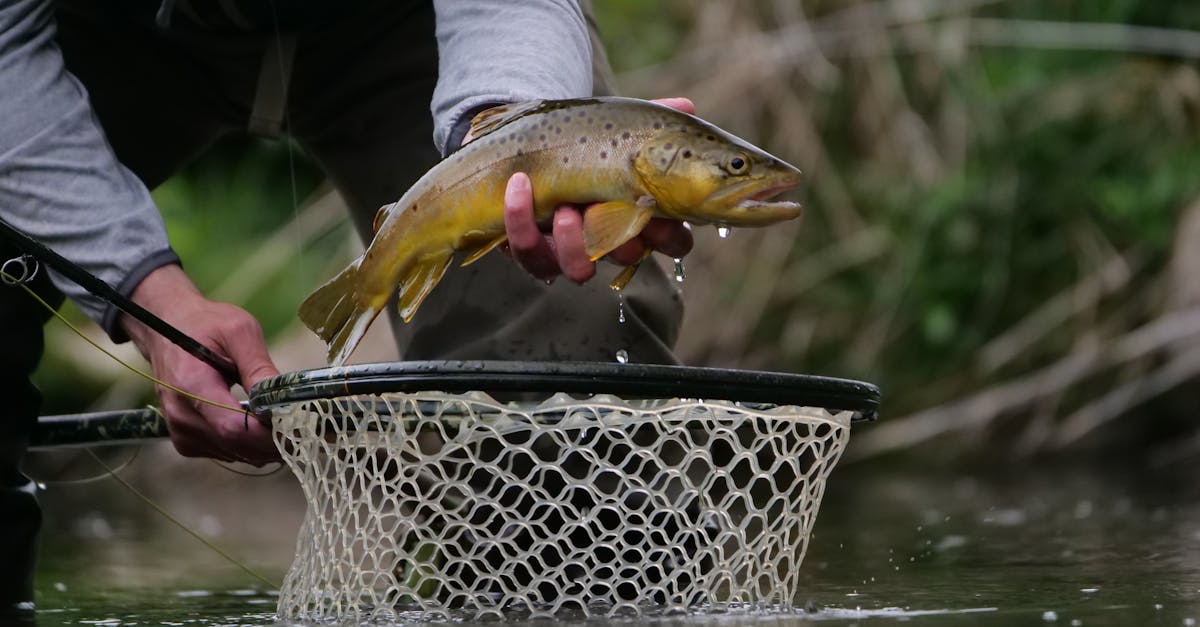
The brown trout is the most cunning and elusive trout species swimming in Montana's rivers, and it rewards patient, skilled anglers with some of the state's most memorable catches. Originally native to Europe and western Asia, brown trout were first introduced to North American waters in 1883 and arrived in Montana shortly thereafter. They have since established robust, self-sustaining populations in virtually every major trout stream in the state, from the legendary spring creeks of the Paradise Valley to the sweeping runs of the lower Madison and the deep pools of the Bighorn. Brown trout grow larger than any other trout species in Montana, and fish exceeding 24 inches are caught with regularity on premium waters. The lower Madison River, the Missouri River below Holter Dam, and the Bighorn River are particularly renowned for producing trophy-class browns. Unlike rainbows, brown trout spawn in the fall (October through November), and their aggressive pre-spawn behavior creates an exciting window for streamer fishing as large males become territorial and attack anything that enters their domain. Browns are notably more nocturnal than other trout species, and many of the biggest fish are caught during low-light conditions. What sets brown trout apart from other species is their wariness and selectivity. Large browns are notoriously difficult to fool, often refusing flies that are even slightly off in size, color, or presentation. They tend to establish and defend prime feeding lies (undercut banks, logjams, deep pools, and boulder gardens), and an angler who learns to read water and identify these holding spots will consistently catch more and larger fish. This combination of difficulty, size potential, and intelligence makes the brown trout the most prized quarry for many serious Montana fly fishers.
Rainbow Trout
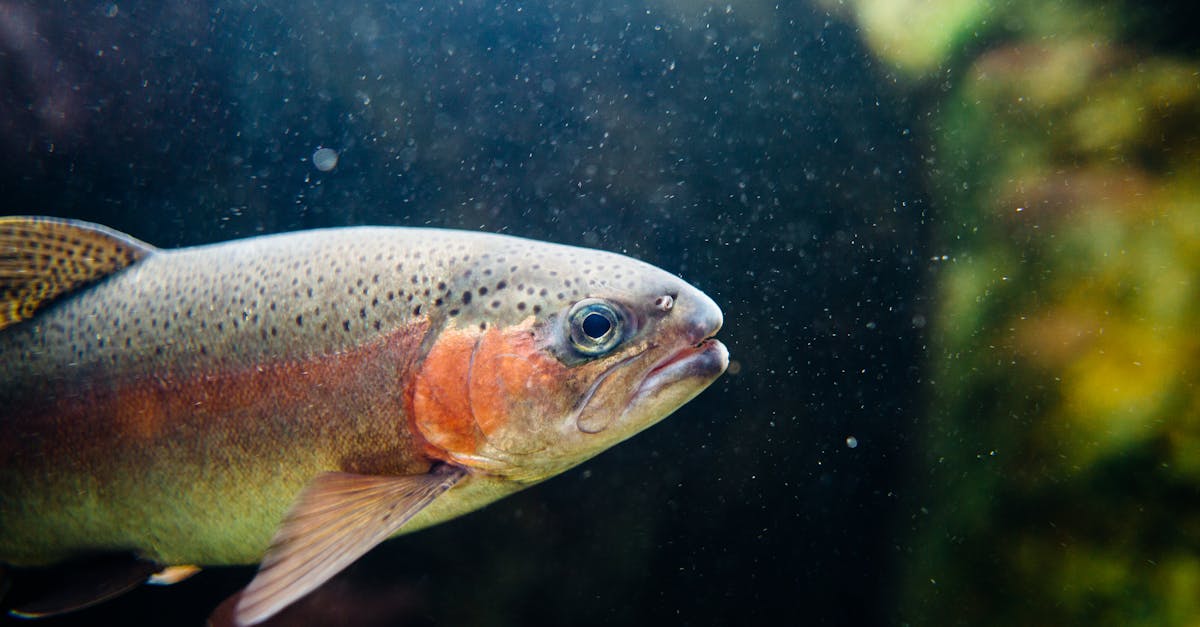
The rainbow trout is Montana's most widespread and popular gamefish, celebrated for its explosive surface strikes, aerial acrobatics, and willingness to take a well-presented dry fly. Native to Pacific Coast drainages from Alaska to Mexico, rainbows were first introduced to Montana's waters in the late 1800s and have since established thriving populations in nearly every major river system in the state. On legendary waters like the Madison, Missouri, and Bighorn, wild rainbow trout grow fat on prolific insect hatches and provide some of the finest dry-fly fishing in North America. Rainbow trout in Montana display remarkable variation depending on their home water. Fish in nutrient-rich tailwaters like the Missouri River below Holter Dam can exceed 20 inches with regularity, their deep bodies and broad tails reflecting the abundant food supply. Freestone river rainbows, such as those in the upper Madison and Gallatin, tend to be leaner and more athletic, shaped by faster currents and colder water temperatures. In many Montana rivers, rainbows spawn in the spring from March through June, and anglers should be mindful of spawning redds during this period to protect future generations of fish. Rainbows are arguably the most versatile trout species for fly anglers. They respond well to dry flies during hatches, aggressively chase streamers, and feed heavily on nymphs subsurface throughout the year. Their fighting ability is legendary: a hooked rainbow will often launch itself completely out of the water multiple times during a battle. Montana's catch-and-release regulations on many blue-ribbon streams have produced exceptional rainbow trout fisheries with high densities of large, healthy fish that continue to draw anglers from around the world.
Snake River Fine-Spotted Cutthroat Trout
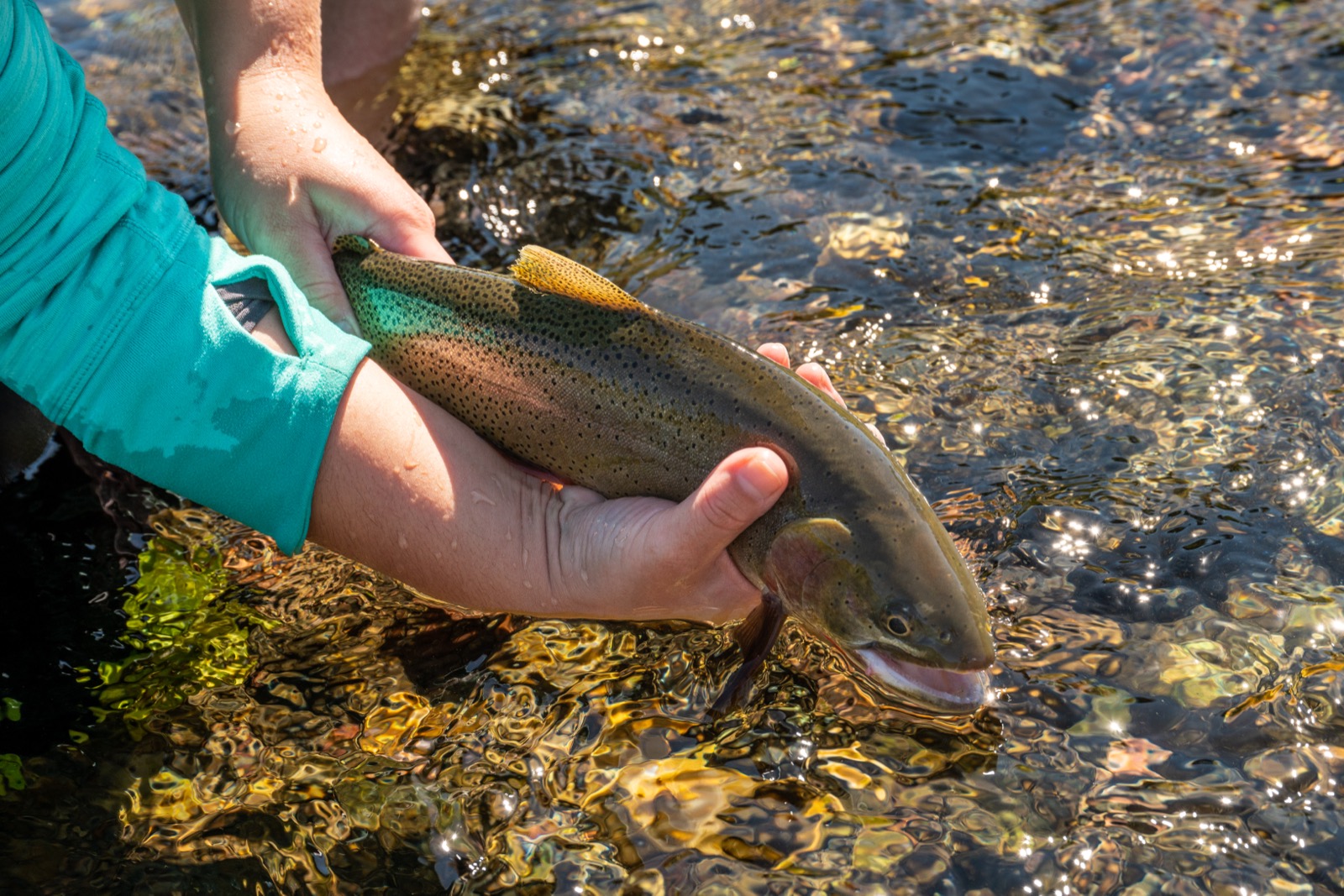
The Snake River fine-spotted cutthroat trout is the signature native fish of western Wyoming and one of the most visually striking and eagerly sought trout subspecies in the American West. Named for the profusion of tiny, pepper-like spots that cover virtually the entire body, a spotting pattern denser and finer than any other cutthroat subspecies, this fish is endemic to the Snake River drainage of northwestern Wyoming and adjacent portions of eastern Idaho. The heart of its range is the legendary Snake River itself, flowing through Jackson Hole beneath the towering rampart of the Teton Range, in a landscape so dramatic that it serves as the backdrop for some of the most iconic fly-fishing imagery ever captured. Snake River fine-spotted cutthroats are among the most aggressive dry-fly feeders in the cutthroat family, a trait that has made them the centerpiece of the Jackson Hole and Snake River fly-fishing experience. During the prolific hatches of the Snake River (Pale Morning Duns, Green Drakes, Flavs, Gray Drakes, Yellow Sallies, and enormous salmonfly and golden stonefly emergences), fine-spotted cutthroats feed with an abandon that delights anglers and guides alike. A typical day of float fishing the Snake River during the early-summer hatch season can produce dozens of fish brought to hand on dry flies, with the best fish pushing 18 to 20 inches and fighting with the current-fueled power that river cutthroats are known for. Despite healthy populations in the mainstem Snake River and many of its tributaries, fine-spotted cutthroats face ongoing management challenges. Hybridization with Yellowstone cutthroats (which were historically stocked in some Snake River tributaries) and with non-native rainbow trout threatens the genetic purity of fine-spotted populations. Additionally, the fine-spotted cutthroat's range is relatively small compared to more widespread subspecies, concentrating the population in a limited geographic area. Wyoming Game and Fish Department, along with federal land managers, actively monitors fine-spotted cutthroat populations, manages for native fish in key tributaries, and maintains regulations designed to protect this iconic subspecies for future generations of anglers.
Green River Hatch Chart
| Insect | Suggested Fly | Jan | Feb | Mar | Apr | May | Jun | Jul | Aug | Sep | Oct | Nov | Dec |
|---|---|---|---|---|---|---|---|---|---|---|---|---|---|
Midges morning | Zebra Midge | ||||||||||||
Blue-Winged Olive (Baetis) afternoon | BWO Emerger | ||||||||||||
Blue-Winged Olive (Baetis) afternoon | Parachute Adams | ||||||||||||
Pale Morning Dun morning | PMD Comparadun | ||||||||||||
Caddisflies (various) evening | CDC Caddis Emerger | ||||||||||||
Trico morning | Trico Spinner | ||||||||||||
Cicadas afternoon | Chubby Chernobyl | ||||||||||||
Scuds & Sowbugs all day | Ray Charles | ||||||||||||
Terrestrials (hoppers, beetles) afternoon | Chubby Chernobyl |
Midges: Year-round on the Seedskadee tailwater. Zebra Midge size 18-24.
Blue-Winged Olive (Baetis): Excellent spring BWO emergence on overcast days. Size 18-20.
Blue-Winged Olive (Baetis): Fall BWOs are equally productive. Parachute Adams size 18-20.
Pale Morning Dun: Summer PMD hatches at Seedskadee. PMD Comparadun size 14-18.
Caddisflies (various): Evening caddis emergence. CDC Caddis Emerger size 14-16.
Trico: Technical Trico spinner falls on the Seedskadee. Size 20-22.
Cicadas: Legendary cicada falls bring trophy browns to the surface. Fish a large foam pattern size 6-8.
Scuds & Sowbugs: Year-round food source. Ray Charles scud size 14-16.
Terrestrials (hoppers, beetles): Hopper fishing along the desert banks is productive in summer.
Recommended Flies
Zebra Midge
Top PickYear-round midge pattern; foundation of Seedskadee fishing
Best in winter
Parachute Adams
Top PickCovers PMD, BWO, and Trico hatches on the Seedskadee
Best in summer
Chubby Chernobyl
Top PickCicada and hopper imitation; the summer money fly
Best in summer
RS2
Top PickMidge and BWO emerger for clear tailwater fishing
Best in spring
Trico Spinner
Top PickTrico spinner falls on Seedskadee summer mornings
Best in summer
Woolly Bugger
Top PickYear-round streamer; swing through deep pools for trophy browns
Best in fall
Ray Charles
Top PickScud pattern for year-round subsurface fishing
Best in spring
Pheasant Tail Nymph
Top PickAll-purpose nymph effective on both tailwater and freestone sections
Best in spring
Also Effective
Access Points & Boat Launches
Fontenelle Dam Tailwater Access
Wade AccessEasyWalk-in access immediately below Fontenelle Dam, providing wade fishing to the upper Seedskadee tailwater. Cold, clear dam releases hold the highest trout densities in the system. A short walk from the parking area leads to productive riffles and pools. Excellent midge and BWO fishing year-round.
Seedskadee NWR: Weeping Rock
Boat LaunchEasyBoat launch within the Seedskadee National Wildlife Refuge for floating the middle section of the Green River tailwater. A primitive ramp accommodates drift boats, rafts, and canoes. The surrounding desert landscape is home to moose, pronghorn, and bald eagles. This is the heart of the Seedskadee fishery.
Lombard Ferry Access
Boat LaunchEasyMid-refuge access point for floating and wading the Seedskadee section. A gravel ramp and parking area serve as an intermediate take-out or put-in for customizing float length. Good bank fishing access in both directions. The remote setting guarantees solitude; you may not see another angler all day.
Highway 372 Bridge Access
Wade AccessEasyThe downstream boundary access for the Seedskadee section. Wade fishing access from the bridge and along the banks. This serves as the take-out for the longest refuge float. The transition zone below the refuge holds good numbers of trout, though densities decrease further from the dam.
Regulations
Regulations
Seedskadee National Wildlife Refuge (Fontenelle Dam downstream ~36 miles): Artificial flies and lures only. Trout limit 1 per day or in possession. All trout less than 20 inches must be released immediately. Upper Green River (above Fontenelle Reservoir, Pinedale area): Standard Wyoming regulations apply: 6 trout per day in most sections. Specific tributaries may have special regulations. Wyoming fishing license and conservation stamp required. Seedskadee NWR is open dawn to dusk. Check Wyoming Game & Fish Department regulations at wgfd.wyo.gov and USFWS Seedskadee regulations for current rules.
Always verify current regulations with Wyoming Game and Fish before fishing.
Some links may earn a commission. Learn more
Quick Facts
- Region
- Southwest Wyoming
- Water Type
- Tailwater (Seedskadee) / Freestone (Upper)
- River Length
- 730 miles total (to Colorado River confluence); ~36 miles of Seedskadee tailwater, ~40 miles of upper Green near Pinedale
- Difficulty
- Intermediate-Advanced
- Best Seasons
- spring, summer, fall
- Trout Per Mile
- 1,500-2,500 (Seedskadee section); 800-1,500 (Upper Green near Pinedale)
- Record Trout
- 28" brown trout (Seedskadee section); multiple fish exceeding 24" documented annually
- Species
- Brown Trout, Rainbow Trout, Snake River Fine-Spotted Cutthroat Trout
- USGS Gauge
- 09211200
Local Shops & Guides
Two Rivers Fishing Company
Pinedale, WY
Two Rivers Fishing Company is a professional fly fishing guide service based in Pinedale, Wyoming, with over 20 years of experience guiding anglers on the New Fork River and Upper Green River in Sublette County. Located on West Pine Street in the heart of Pinedale, they are the go-to guide service for anglers looking to explore the exceptional and often uncrowded trout waters of the Wind River Range region. The New Fork River and Upper Green River are two of Wyoming's finest trout streams, flowing through the scenic ranchlands and mountain valleys below the Wind River Range. These rivers offer outstanding fishing for brown, rainbow, and brook trout in a setting that feels refreshingly uncrowded compared to more famous destinations. Two Rivers Fishing Company's guides have spent decades learning the seasonal rhythms, hatches, and holding water on these rivers, giving their clients a significant advantage. Two Rivers offers guided float and walk-wade trips, multi-day fishing itineraries, and fly fishing instruction. Their guides provide all necessary equipment and are skilled at working with anglers of all experience levels, from complete beginners to seasoned fly fishers looking to explore new water. The company's intimate knowledge of Sublette County's waters, combined with the region's stunning mountain scenery and lack of fishing pressure, makes for a truly special fly fishing experience.
(307) 367-4131
JD High Country Outfitters
Jackson, WY
JD High Country Outfitters is a full-service outfitter based in Jackson, Wyoming, offering guided fly fishing experiences across the diverse waters of western Wyoming. From their location on North Center Street in downtown Jackson, they provide access to the Snake River, Green River, New Fork River, and backcountry lakes in the Wind River and Wyoming ranges. JD High Country Outfitters is known for going beyond the standard day trip, offering multi-day wilderness fishing expeditions that take anglers into the remote backcountry of western Wyoming. Their horse pack trips bring anglers to high-altitude lakes and streams that rarely see a fly line, providing a truly unique wilderness fishing experience. For those seeking a more accessible outing, their float and wade trips on the Snake and Green rivers deliver outstanding fishing in spectacular settings. The outfitter's experienced guides are licensed professionals who know the rhythms of each river and season. Whether you're floating the Snake River through Grand Teton National Park, fishing the Green River's crystal-clear water for large browns, or packing into a remote mountain lake on horseback, JD High Country Outfitters provides a premium guided experience. They also offer corporate retreats and custom multi-day itineraries for groups looking to combine adventure with fly fishing.
(307) 733-3270
Dunoir Fishing Adventures
Dubois, WY
Dunoir Fishing Adventures is an Orvis-endorsed fly fishing guide service based in Dubois, Wyoming, offering guided trips on some of the state's most beautiful and least-pressured trout waters. Situated in the upper Wind River valley between the Absaroka and Wind River mountain ranges, Dubois provides access to extraordinary fishing opportunities that are far removed from the crowds of more well-known destinations like Jackson Hole. The guide service specializes in the Wind River, Green River, and Bighorn River in Wyoming, along with numerous tributary streams and backcountry waters that most visiting anglers never see. Dunoir's Orvis-endorsed guides bring intimate knowledge of these waters, understanding the seasonal patterns, hatches, and holding lies that produce consistent fishing throughout the season. Their location in Dubois puts them at the doorstep of the Wind River, a gorgeous freestone river that flows through a stunning canyon before reaching the open valley. Dunoir Fishing Adventures offers guided drift boat and walk-wade trips, backcountry fishing expeditions, multi-day itineraries, and fly fishing instruction. Their Orvis endorsement reflects a commitment to professionalism, conservation, and quality service. For anglers seeking a genuine Wyoming fishing experience away from the crowds, Dunoir provides access to waters that remain wild, productive, and beautifully remote.
(307) 455-2358