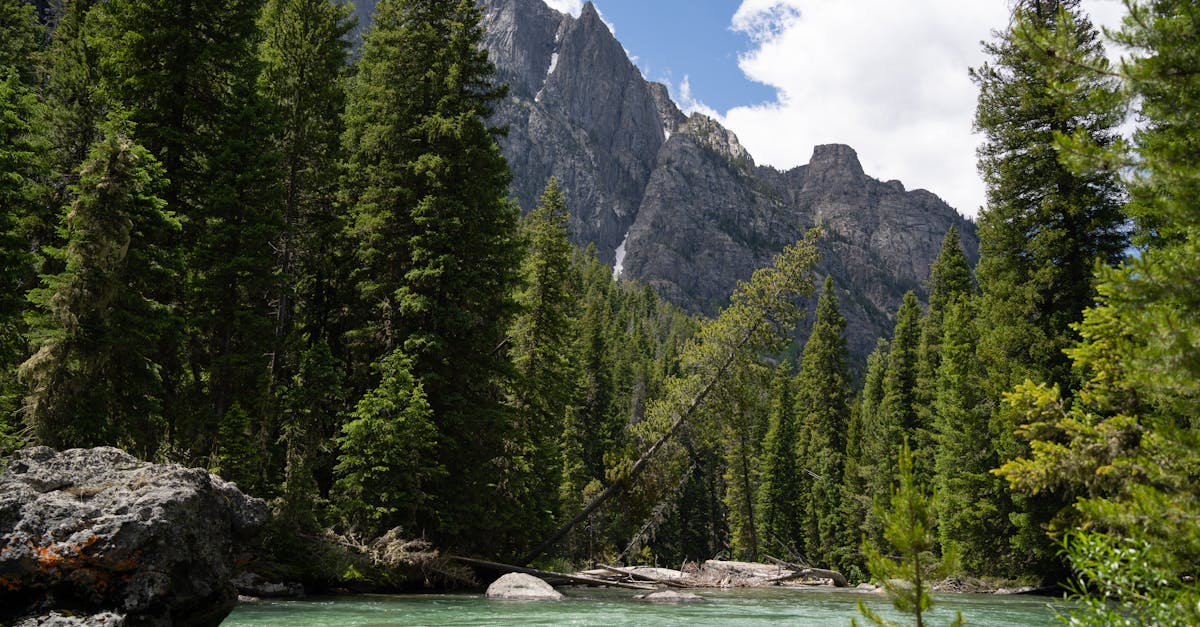
Methow River
The Methow River flows through one of Washington's most pristine mountain valleys, offering outstanding fly fishing for wild rainbow and westslope cutthroat trout in a landscape of pine forests, sagebrush hills, and snow-capped Cascade peaks. Its clear, cold waters and protected habitat make it a true Pacific Northwest gem.
Methow River Fishing Report & Current Conditions
The Methow River is a freestone fishery, and it fishes best in summer and fall. Live USGS streamflow readings update throughout the day, while the monthly median flows below map the river's typical discharge across the year. Together they show current fishability and how today's water compares to the seasonal norm.
Current Conditions
Typical Monthly Flows
Historical median discharge (CFS) by month: Methow River
Overview
The Methow River is a gem of the eastern Cascades, flowing 80 miles from its headwaters near the crest of the North Cascades through the Methow Valley to its confluence with the Columbia River near Pateros. The prime fly fishing water stretches from the small mountain town of Mazama through Winthrop and downstream to Twisp, roughly 35 miles of accessible, productive trout water through one of Washington's most scenic valleys.
The Methow is a quintessential freestone mountain river. Cold, clear water tumbles over gravel and cobble through a mosaic of forested canyons, open meadows, and cottonwood-lined runs. The river supports healthy populations of wild rainbow trout and westslope cutthroat trout, with fish averaging 10 to 14 inches and larger specimens reaching 18 inches or more. Bull trout inhabit the upper reaches and tributaries, though they are strictly catch-and-release and must be handled with care.
The valley's relatively low population density and the river's protected status (much of the watershed lies within the Okanogan-Wenatchee National Forest and the Pasayten Wilderness) have preserved the Methow's wild character. The river supports one of the last wild steelhead runs in the Columbia Basin, though steelhead fishing seasons are tightly regulated and sometimes closed entirely to protect these threatened fish.
Fly fishing on the Methow rewards the observant angler. Spring brings Skwala stoneflies and March Browns, followed by golden stoneflies and caddis in early summer. The summer months deliver reliable PMD and caddis hatches, with hopper-dropper fishing becoming productive by late July. Fall brings mahogany duns, October Caddis, and BWOs.
The Methow is primarily a wade fishing river, with easy bank access along the valley roads. Float fishing by raft is possible on certain sections but less common than on the Yakima. The small-town charm of Winthrop and Mazama, combined with world-class mountain scenery, makes the Methow Valley a destination that rewards anglers who appreciate the journey as much as the fishing.
Water Characteristics
The Methow is a classic Cascade Range freestone river with some of the cleanest water in Washington state. Fed by snowmelt from the Pasayten Wilderness and the North Cascades, the river runs cold and clear through a valley that has been shaped by glacial processes. During summer base flows, water clarity is exceptional, typically 6 to 10 feet of visibility, common, with the characteristic pale blue-green tint of glacially-influenced water. The substrate is predominantly clean gravel and cobble over a bed of glacial outwash, creating ideal spawning and insect habitat.
Water temperatures in the Methow follow a mountain freestone pattern: near freezing in winter, warming through spring to summer highs of 55-62 degrees F in the main stem. The river's elevation (1,600-2,400 feet through the fishing corridor) and cold tributary inputs keep summer temperatures well within the optimal range for trout. Hoot-owl restrictions have not been necessary on the Methow, unlike warmer eastern Washington rivers.
The Methow's water chemistry reflects its granitic and metamorphic Cascade geology: moderately soft water with lower alkalinity than rivers like the Yakima. This translates to slightly lower insect density per square foot compared to alkaline-rich tailwaters, but the Methow compensates with tremendous diversity. The river supports healthy populations of mayflies (PMDs, BWOs, March Browns, Green Drakes, Mahogany Duns), caddisflies (multiple species), stoneflies (golden stones, Skwalas, Yellow Sallies), and midges. The overall aquatic ecosystem is remarkably intact, supporting wild salmon, steelhead, bull trout, and resident trout in a functioning natural system.
Wading & Float Guide
The Methow River is an outstanding wading river. At typical summer flows (800-1,500 cfs at the Winthrop gauge), the river ranges from 40 to 80 feet wide with a gravel and cobble bottom that provides stable footing. Most riffles and runs are comfortably wadeable to waist depth, with deeper pools and runs that require careful navigation. The substrate is primarily rounded river rock and clean gravel, ideal for both wading and aquatic insect habitat. Felt-soled or studded rubber boots provide excellent traction.
The river character varies through the valley. Above Winthrop near Mazama, the Methow flows through forested canyon sections with steeper gradient and more pocket water. This upper stretch is narrower (30-50 feet) with a boulder-strewn bottom that requires more careful footing but provides outstanding pocket water fishing for cutthroat and small rainbows. The mid-river section near Winthrop opens into broad meadow water with classic riffle-run-pool structure and the easiest wading access.
Below Winthrop toward Twisp, the river broadens and slows slightly, with longer runs and deeper pools. Wading remains productive along the gravel bars and shallower riffles, though some of the deeper pools are unwadeable. Spring runoff on the Methow is significant; snowmelt from the North Cascades can push flows above 5,000 cfs in May and June, making wading dangerous and visibility poor. The river typically clears and drops to fishable levels by late June or early July, depending on snowpack.
Mazama to Winthrop
Mountain river float through forested canyon with pocket water, plunge pools, and gravel bar runs. Requires navigating around logjams and sweepers. Excellent cutthroat and rainbow water. Best floated in a small raft or inflatable kayak; not a drift boat river in this section. Beautiful North Cascades scenery.
Winthrop to Carlton
The river opens into the broad Methow Valley with classic meadow runs, undercut banks, and gravel riffles. Good drift boat water during adequate flows. Multiple pullover spots for wading. This section holds the best rainbow trout populations on the river. Summer caddis and PMD hatches are prolific.
Carlton to Twisp
Lower valley float with wider, slower water. Larger fish hold in the deeper pools and along shaded banks. The Twisp River confluence adds cold water and attracts concentrations of trout. Good fall fishing for larger rainbows that move up from the lower river. Less floated than the Winthrop sections.
Rod & Tackle Guide
Main Stem (Winthrop to Twisp)
- Rod
- 9' 5-weight
- Line
- Weight-forward floating
- Leader & Tippet
- 9' tapered to 4X-5X (dry fly), 7.5' to 4X (nymph rigs)
The 5-weight is the ideal all-around rod for the Methow's mid-valley water. It handles hopper-dropper rigs, delicate caddis presentations, and nymph rigs with equal competence. The 9' leader provides adequate stealth in the clear water while still turning over in the valley's occasional afternoon breeze.
Upper River (Mazama Section, Pocket Water)
- Rod
- 8'6" 4-weight
- Line
- Weight-forward floating
- Leader & Tippet
- 7.5' tapered to 4X-5X
The upper river's tight quarters, overhanging brush, and pocket water favor a shorter, lighter rod. The 4-weight makes the Methow's 10-14 inch trout an exciting fight and allows more accurate placement in the small targets. Roll casting becomes important in the forested canyon sections.
Tributaries (Chewuch, Twisp, Lost Rivers)
- Rod
- 7'6" to 8' 3-weight or 4-weight
- Line
- Weight-forward floating
- Leader & Tippet
- 7.5' tapered to 5X-6X
Small-stream gear for the Methow's cutthroat-rich tributaries. A short, light rod handles the brushy conditions and makes 8-12 inch cutthroat feel like proper gamefish. Fine tippet (5X-6X) is necessary in the crystal-clear tributary water where cutthroat can be surprisingly leader-shy.
Best Time to Fish the Methow River
Spring
The Methow's trout season typically opens June 1, but late-spring conditions set the stage. Skwala stoneflies (#8-12) emerge as early as March in the lower valley, providing the first dry-fly opportunities. March Browns follow from mid-March through May in lower elevations. By late May, snowmelt from the North Cascades pushes the river into runoff; flows can exceed 5,000 cfs and the water runs milky with glacial sediment. Monitor USGS gauge 12448500 at Winthrop. The river typically drops into shape by late June. When the season opens, golden stoneflies (#6-10) and spring caddis hatches provide excellent early-season action.
Summer
July and August are prime time on the Methow. Once post-runoff flows stabilize (below 1,500 cfs at Winthrop), the river enters its best fishing window. PMDs (#14-18) hatch in the mornings, with spotted sedge and green sedge caddis (#14-16) providing evening action. Little Yellow Stoneflies (#14-16) add midday surface activity. Hopper-dropper rigs become effective from late July; fish foam hoppers or Chubby Chernobyls (#8-10) with a Pheasant Tail or Prince Nymph dropper. The upper river near Mazama fishes well with attractor dries in the pocket water. Fish early morning and late evening during hot spells.
Fall
September is the Methow's hidden gem; the September 30 season close means every day counts. BWO hatches (#18-20) return on overcast afternoons. Mahogany Duns provide additional mayfly action. October Caddis (#8-10), if the season is still open, creates exciting surface feeding. Streamer fishing with small Woolly Buggers and sculpin patterns (#8-12) produces the largest fish of the year as trout feed aggressively before winter. Crowds evaporate after Labor Day. The valley's larch trees turn golden in late September, creating spectacular scenery.
Winter
The Methow's trout season is closed during winter months (typically October through May), giving the river's wild trout populations a critical rest period during spawning and cold-weather stress. Use the off-season to plan summer trips, tie flies for the coming season, and explore the Methow Valley's outstanding cross-country skiing and snowshoeing. Some anglers target mountain whitefish during any open winter seasons; check WDFW regulations carefully.
Fishing Pressure & Local Tips
The Methow River receives light to moderate fishing pressure, making it one of Washington's more relaxed fly fishing experiences. The valley's relative remoteness (Winthrop is a 3.5-hour drive from Seattle over mountain passes) naturally limits the number of visiting anglers. The short trout season (typically June through September) concentrates fishing activity but also limits total pressure. Local guide services based in Winthrop and Twisp provide float and wade trips, but the guided traffic is a fraction of what rivers like the Yakima or Montana's blue-ribbon streams experience.
Pressure is highest during July and August when the combination of good weather, active hatches, and tourist season in the Methow Valley draws the most anglers. The stretch of river near Winthrop receives the most attention due to easy access. Moving upstream toward Mazama or downstream toward Carlton and Twisp significantly reduces encounters with other anglers. Early morning fishing before 8 AM and evening sessions after 5 PM are the quietest periods. The Methow Valley's growing reputation as a recreation destination means pressure has increased in recent years, but it remains a quiet, uncrowded river by Western fly fishing standards.
Local Knowledge
The Methow rewards anglers who pay attention to water temperature. During the first few weeks of the season (late June into early July), the river may still be running cold and slightly off-color from residual snowmelt. In these conditions, nymphing with stonefly patterns and San Juan Worms through deeper runs is more productive than dry-fly fishing. As the river warms into the low to mid-50s (typically by mid-July), surface activity increases dramatically and dry-fly fishing becomes the primary method.
The tributaries of the Methow, including the Chewuch River, Twisp River, and Lost River, offer outstanding small-stream fishing for westslope cutthroat trout. These smaller waters fish best with short rods (7-8 feet), light tippet (5X-6X), and attractor dry flies like Royal Wulffs and Parachute Adams in sizes 14-16. The cutthroat in these tributaries are wild, beautiful fish that rise eagerly to well-presented dries. Note that some tributaries may have special regulations or closures to protect bull trout spawning habitat; check WDFW rules carefully.
The evening caddis hatch on the Methow is one of Washington's great fly fishing experiences. From late June through August, caddis emerge in dense clouds from roughly 6 PM until dark. The trout become reckless surface feeders, slashing at emergers and adults with abandon. An Elk Hair Caddis or X-Caddis in size 14-16 is the go-to pattern, but a CDC Caddis Emerger fished in the surface film often outperforms traditional dries when fish become selective to emergers rather than adults. Position yourself at the tail of a riffle as the light fades and let the fish come to you.
Species Present
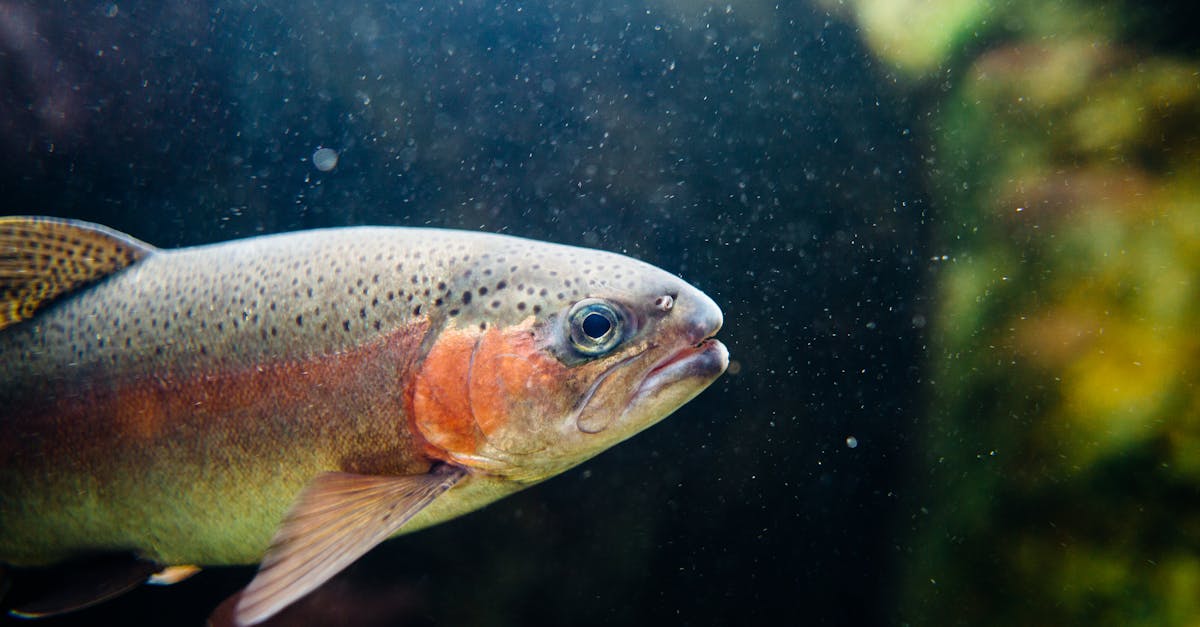
Rainbow Trout
The rainbow trout is Montana's most widespread and popular gamefish, celebrated for its explosive surface strikes, aerial acrobatics, and willingness to take a well-presented dry fly. Native to Pacific Coast drainages from Alaska to Mexico, rainbows were first introduced to Montana's waters in the late 1800s and have since established thriving populations in nearly every major river system in the state. On legendary waters like the Madison, Missouri, and Bighorn, wild rainbow trout grow fat on prolific insect hatches and provide some of the finest dry-fly fishing in North America. Rainbow trout in Montana display remarkable variation depending on their home water. Fish in nutrient-rich tailwaters like the Missouri River below Holter Dam can exceed 20 inches with regularity, their deep bodies and broad tails reflecting the abundant food supply. Freestone river rainbows, such as those in the upper Madison and Gallatin, tend to be leaner and more athletic, shaped by faster currents and colder water temperatures. In many Montana rivers, rainbows spawn in the spring from March through June, and anglers should be mindful of spawning redds during this period to protect future generations of fish. Rainbows are arguably the most versatile trout species for fly anglers. They respond well to dry flies during hatches, aggressively chase streamers, and feed heavily on nymphs subsurface throughout the year. Their fighting ability is legendary: a hooked rainbow will often launch itself completely out of the water multiple times during a battle. Montana's catch-and-release regulations on many blue-ribbon streams have produced exceptional rainbow trout fisheries with high densities of large, healthy fish that continue to draw anglers from around the world.
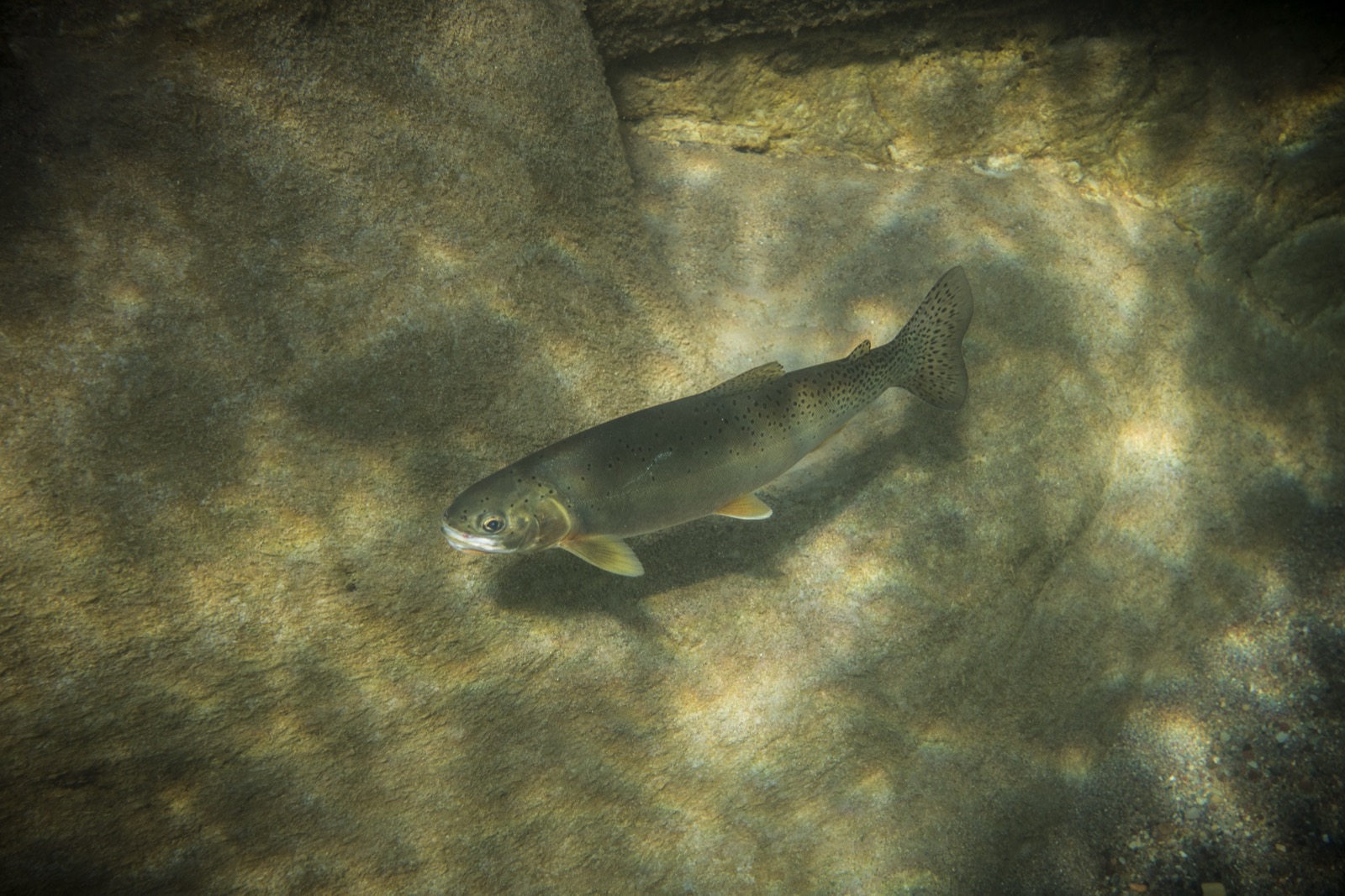
Westslope Cutthroat Trout
The westslope cutthroat trout is the most widely distributed native trout subspecies in the northern Rocky Mountains and holds the distinction of being Montana's official state fish. This interior subspecies of cutthroat trout evolved in the upper Columbia and Missouri River drainages west of the Continental Divide, inhabiting the cold, pristine mountain streams and alpine lakes of Idaho, western Montana, and pockets of eastern Washington and Oregon. Smaller and more delicately built than their Yellowstone cutthroat cousins, westslope cutthroats are a jewel of the backcountry, their buttery gold flanks peppered with fine black spots and accented by the hallmark crimson slashes beneath the jaw that define all cutthroat trout. Westslope cutthroats are the quintessential dry-fly trout of the northern Rockies. Found in headwater streams, cascading mountain creeks, and glacially carved alpine lakes from the Bitterroot Range to the Bob Marshall Wilderness, they inhabit some of the most breathtaking landscapes in the American West. On waters like the upper Blackfoot River, Rock Creek, the South Fork Flathead, and the St. Joe River in Idaho, westslope cutthroats rise eagerly to well-presented dry flies, often in settings so remote and wild that the fishing feels almost primeval. Their willingness to eat on the surface, combined with the spectacular scenery of their home waters, makes targeting westslope cutthroats one of the most rewarding experiences in western fly fishing. Despite their cultural and ecological importance, westslope cutthroat trout occupy only a fraction of their historic range. Hybridization with non-native rainbow trout and competition from introduced brook trout have eliminated genetically pure populations from many drainages. Today, the purest remaining westslope cutthroat populations persist in isolated headwater streams above natural or man-made barriers that prevent upstream migration of non-native species. Conservation efforts across Idaho, Montana, and Washington focus on protecting these stronghold populations, removing non-native competitors, and restoring connectivity where genetically pure fish still exist. Anglers who target westslope cutthroats become some of their strongest advocates, understanding firsthand the fragile beauty of the ecosystems these fish depend upon.
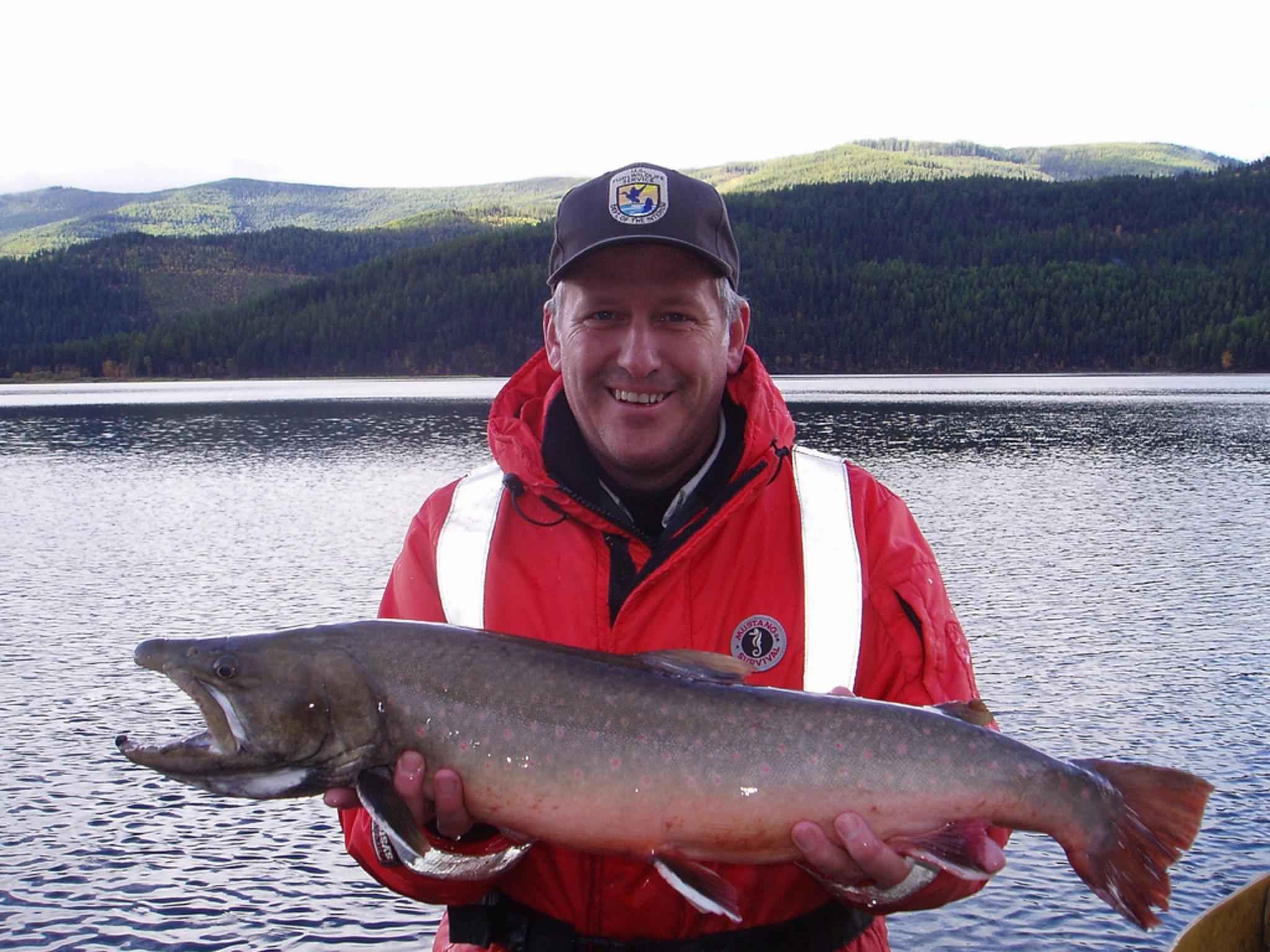
Bull Trout
The bull trout is the largest native char in the inland waters of the Pacific Northwest, a powerful and elusive predator that inhabits the coldest, cleanest rivers and lakes in Idaho, Montana, Oregon, and Washington. Despite its common name, the bull trout is not a true trout at all; it belongs to the char genus Salvelinus, making it a close relative of brook trout, lake trout, and Arctic char. Bull trout are distinguished by their massive heads, broad jaws, and overall bulk, which earned them the 'bull' moniker from early settlers who encountered these imposing fish in the frigid headwaters of the Columbia, Snake, and Klamath river basins. For fly anglers in the Pacific Northwest, the bull trout occupies a unique and somewhat complicated position. These fish are federally listed as Threatened under the Endangered Species Act throughout their range in the contiguous United States, meaning that catch-and-release only regulations apply universally: no bull trout may be harvested anywhere in Idaho, Montana, Oregon, or Washington. Despite this protected status, bull trout can be legally targeted in many waters, and they are a thrilling quarry on the fly rod. Migratory bull trout that move between lakes and tributary streams can exceed 30 inches and 10 pounds, with the power and aggression of a fish that feeds primarily on other fish. Hooking a large bull trout on a streamer in a clear mountain river is one of the most electrifying experiences in western fly fishing. Bull trout are also critically important as an indicator species for watershed health. They require the coldest water temperatures of any salmonid in North America (sustained temperatures above 59 degrees Fahrenheit can be lethal), and they depend on connected networks of streams, rivers, and lakes to complete their complex life cycle. Where bull trout thrive, you can be confident the watershed is intact, the water is clean, and the habitat is functioning at a high level. Their decline across much of the Pacific Northwest has been driven by dam construction, logging-related sedimentation, water temperature increases from climate change, and competition with non-native brook trout, with which they readily hybridize. Understanding bull trout identification is essential for every western angler, as many are caught incidentally while targeting other species, and proper handling and release are legally mandated.
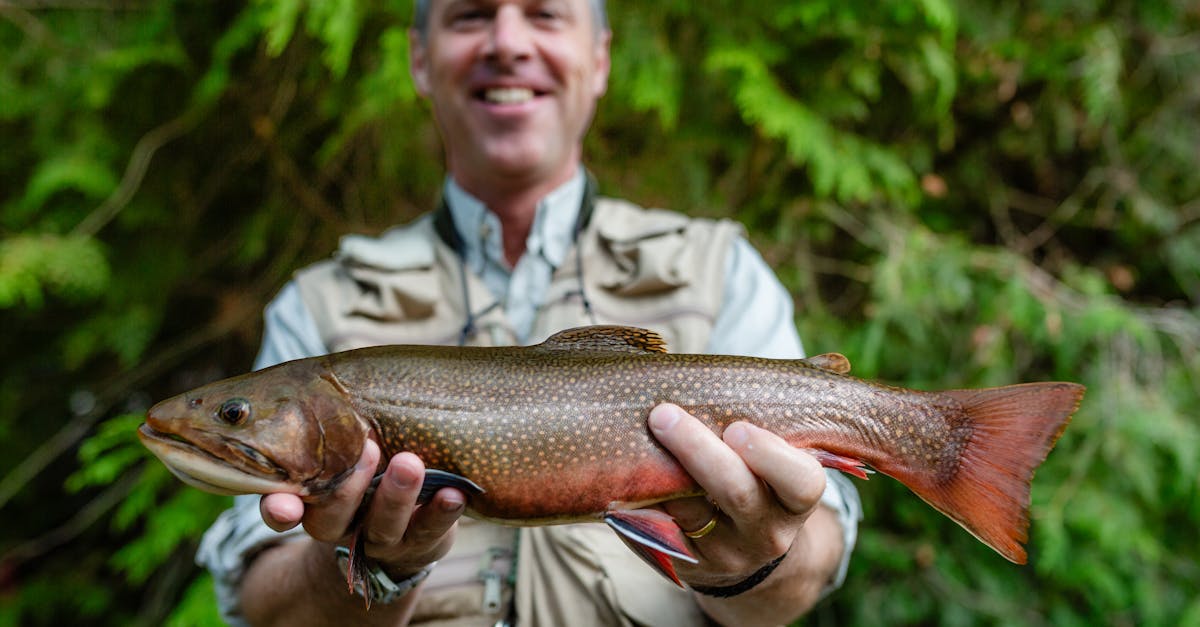
Brook Trout
The brook trout is widely considered the most beautiful freshwater fish in North America, and catching one in a pristine Montana mountain stream is an experience that captures the essence of backcountry fly fishing. Despite their common name, brook trout are not true trout at all; they are a species of char (genus Salvelinus), more closely related to lake trout and Arctic char than to rainbows or browns. Native to eastern North America from Georgia to Hudson Bay, brook trout were among the first salmonids introduced to Montana's waters in the late 1800s and have since established self-sustaining populations in cold, high-elevation streams and lakes throughout the state. In Montana, brook trout thrive best in small, cold headwater streams and high mountain lakes where competition from larger trout species is minimal. In these environments, they are often the dominant, or only, salmonid present. The trade-off is size: Montana stream-dwelling brook trout typically range from 6 to 10 inches, with fish over 12 inches considered noteworthy in most waters. What they lack in size, however, they more than make up for in beauty and willingness to eat a fly. Brookies are aggressive feeders that will strike attractor dry flies, nymphs, and small streamers with enthusiasm, making them an ideal species for beginning fly anglers and a delightful quarry for anyone who appreciates small-stream fishing. Brook trout do present a conservation paradox in Montana. While they are a beloved and beautiful gamefish, they are non-native and can negatively impact native species, particularly Yellowstone and westslope cutthroat trout. In headwater streams, brook trout often outcompete cutthroats for food and spawning habitat due to their higher reproductive rate and earlier maturation. As a result, Montana FWP has implemented brook trout removal projects on some streams to restore native cutthroat populations. In many waters, liberal harvest limits for brook trout are encouraged to reduce their numbers and benefit native fish. Anglers can enjoy excellent brook trout fishing while actively helping conservation by keeping a few for the pan.
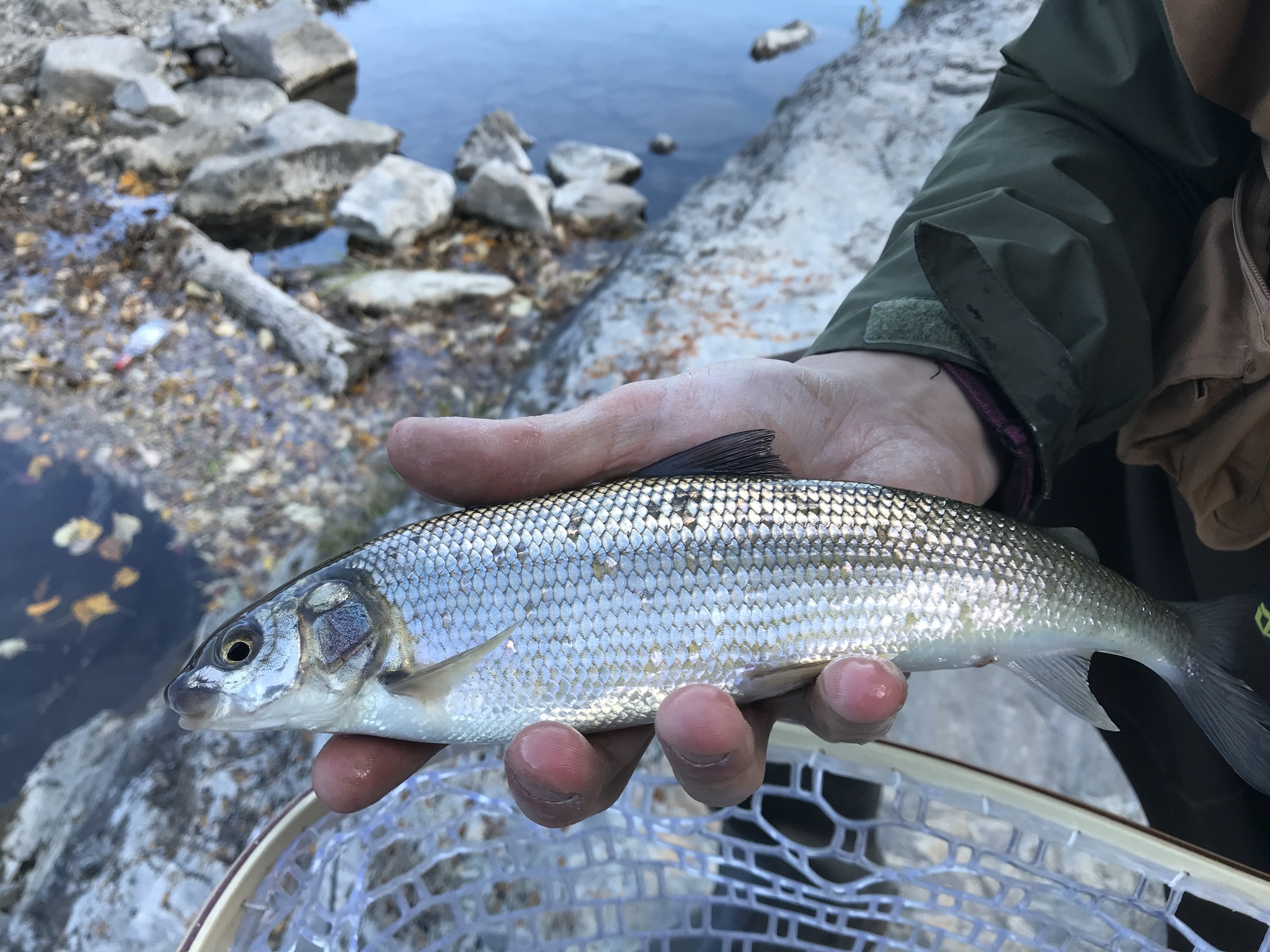
Mountain Whitefish
The mountain whitefish is one of Montana's most abundant native salmonids and arguably the most underappreciated gamefish in the state. A member of the whitefish subfamily (Coregoninae) within the broader salmonid family, mountain whitefish are present in virtually every cold-water river and large stream in Montana, often outnumbering trout by significant margins. On rivers like the Madison, Gallatin, Yellowstone, and Bitterroot, whitefish populations can exceed 1,000 fish per mile, making them the dominant salmonid species by biomass in many reaches. Despite this abundance, most fly anglers overlook whitefish entirely or view them as an unwelcome catch, which is unfortunate because they can provide outstanding sport on light tackle. Mountain whitefish are an important ecological component of Montana's river systems. They serve as a primary food source for larger brown trout, bald eagles, ospreys, otters, and other predators. Their fall spawning behavior (typically October through December) plays a critical role in nutrient cycling, and their eggs provide food for other fish and aquatic invertebrates during the lean winter months. In recent years, whitefish populations have been used as indicator species for overall river health, and declines in whitefish numbers on some Montana rivers have raised concerns about changing water conditions and disease pressure. For anglers willing to target them intentionally, mountain whitefish offer several advantages. They feed actively throughout the winter months when trout fishing can be slow, they are abundant and widely distributed, and they fight with surprising strength for their size; a 16-inch whitefish on a 3- or 4-weight rod provides a memorable tussle. Whitefish are also excellent table fare, with firm, mild-flavored white flesh that is delicious smoked or fried. Montana regulations typically allow a generous harvest limit for whitefish, recognizing their abundance and the role that harvest can play in managing populations on some waters.
Methow River Hatch Chart
| Insect | Suggested Fly | Jan | Feb | Mar | Apr | May | Jun | Jul | Aug | Sep | Oct | Nov | Dec |
|---|---|---|---|---|---|---|---|---|---|---|---|---|---|
Skwala Stonefly afternoon | Stimulator | ||||||||||||
March Brown Mayfly afternoon | Sparkle Dun | ||||||||||||
Golden Stonefly all day | Stimulator | ||||||||||||
Pale Morning Dun morning | PMD Comparadun | ||||||||||||
Caddisflies (spotted sedge, green sedge) evening | Elk Hair Caddis | ||||||||||||
Little Yellow Stonefly afternoon | Stimulator | ||||||||||||
Blue-Winged Olive (Baetis) afternoon | BWO Emerger | ||||||||||||
Mahogany Dun afternoon | Parachute Adams | ||||||||||||
October Caddis afternoon | X-Caddis |
Skwala Stonefly: First emergence at lower elevations near Pateros. Size 8-12.
March Brown Mayfly: Strong hatches in the lower valley sections. Size 10-14.
Golden Stonefly: Dominant early summer hatch. Size 6-10. Fish dry patterns along rocky banks.
Pale Morning Dun: Reliable mid-summer hatches. Size 14-18.
Caddisflies (spotted sedge, green sedge): Dense evening caddis flights are the Methow's signature summer hatch. Size 14-16.
Little Yellow Stonefly: Midday surface activity. Size 14-16. Use Yellow Sally or small Stimulator.
Blue-Winged Olive (Baetis): Fall BWOs on overcast days. Size 18-20.
Mahogany Dun: Late season mayfly hatch. Size 14-16. Use a Parachute Adams or dark Comparadun.
October Caddis: Large caddis near end of season. Size 8-10. Fish an orange X-Caddis.
Recommended Flies
Elk Hair Caddis
Top PickTHE fly for Methow evening caddis, indispensable
Best in summer
Parachute Adams
Top PickAll-purpose mayfly dry for PMDs, BWOs, and Mahogany Duns
Best in summer
Chubby Chernobyl
Top PickHopper-dropper anchor for mid-to-late summer
Best in summer
Stimulator
Top PickGolden Stonefly imitation, essential early summer
Best in summer
Pheasant Tail Nymph
Top PickClassic nymph for the Methow; works as dropper year-round
Best in spring
X-Caddis
Top PickX-Caddis when trout become selective to emergers during caddis hatch
Best in summer
CDC Caddis Emerger
Top PickCDC Caddis Emerger for selective evening risers
Best in summer
BWO Emerger
Top PickBWO emerger for fall Baetis hatches
Best in fall
Also Effective
Curated Fly Boxes
Methow Freestone Attractor Box
SummerHigh-floating attractors and reliable nymphs for the Methow's wild trout. The catch-and-release regulations have produced healthy fish that respond well to well-presented dry flies.
Access Points & Boat Launches
Mazama River Access
Wade AccessModerateUpper river access near the small mountain community of Mazama at the edge of the North Cascades. The river here is narrow and fast with classic pocket water over a boulder and gravel bottom. Outstanding cutthroat and small rainbow fishing with attractor dries. A short walk from the road leads to productive water.
Winthrop Town Access
Wade AccessEasyIn-town access point in the Western-themed town of Winthrop, providing easy walk-in fishing to productive meadow water on the Methow. The river here features classic riffle-run-pool structure with excellent summer caddis and PMD hatches. Convenient to lodging, restaurants, and fly shops in Winthrop.
Carlton Bridge Access
Wade AccessEasyBridge crossing between Winthrop and Twisp with parking and bank access to good holding water both upstream and downstream. The river in this section is wider with deeper runs and undercut banks that hold the largest rainbows in the mid-valley. Effective evening caddis fishing from the gravel bars near the bridge.
Twisp Confluence Access
Wade AccessEasyAccess near the confluence of the Twisp River and the Methow, where the cold tributary input concentrates trout and creates excellent fishing opportunities. The combined flows create deeper runs and larger holding water than either river alone. Good late-season fishing as trout stage near the cold-water input.
Regulations
Regulations
Season: June 1 through September 30 for trout (check current WDFW regulations for exact dates, as seasons may vary by year). Selective gear regulations: artificial flies and lures only, single barbless hooks. All trout must be released; catch-and-release only. Bull trout: catch-and-release required, handle carefully and do not remove from water. Steelhead: check current WDFW emergency regulations, as the Methow steelhead fishery opens only when returns are sufficient. Night closure in effect. Washington state fishing license required. Always verify current regulations at wdfw.wa.gov as Methow rules change frequently.
Always verify current regulations with Washington Dept. of Fish and Wildlife before fishing.
Some links may earn a commission. Learn more
Quick Facts
- Region
- North Central Washington, Okanogan County
- Water Type
- Freestone
- River Length
- 80 miles total (~35 miles of prime trout water from Mazama to Twisp)
- Difficulty
- Beginner-Intermediate
- Best Seasons
- summer, fall
- Trout Per Mile
- 800-1,500 (Winthrop to Twisp corridor; higher densities in tributaries)
- Record Trout
- 22" rainbow trout (main stem near Winthrop; westslope cutthroat to 18" in upper tributaries)
- Species
- Rainbow Trout, Westslope Cutthroat Trout, Bull Trout, Brook Trout, Mountain Whitefish
- USGS Gauge
- 12448500
Local Shops & Guides
Red's Fly Shop
Ellensburg, WA
Red's Fly Shop is the Pacific Northwest's premier fly fishing outfitter, located on South Main Street in Ellensburg, Washington. The shop has built an enormous reputation for its comprehensive guide roster, detailed fishing reports, and expertise across a remarkable range of Washington and Northwest waters, including the Yakima, Klickitat, Methow, and Columbia Basin fisheries. The shop offers a full-service retail experience with an extensive selection of flies, rods, reels, waders, and accessories from leading brands. Red's is particularly well known for their fishing reports, which cover dozens of rivers and lakes across the Pacific Northwest and provide anglers with current conditions, recommended patterns, and tactical advice. Their online presence and educational content have made them a trusted resource for fly fishers across the region. Red's Fly Shop maintains what is widely considered the largest guide roster in Washington state, with professional guides covering the Yakima River, Klickitat River, Methow River, Rocky Ford Creek, and numerous other waters. Whether you're floating the Yakima for wild rainbows, swinging flies for Klickitat steelhead, or sight-fishing on Rocky Ford, Red's can match you with a guide who knows the water intimately. The shop also offers spey casting instruction, multi-river itineraries, and a level of professionalism that has set the standard for Pacific Northwest fly fishing outfitters.
(509) 929-1802
The Evening Hatch
Ellensburg, WA
The Evening Hatch is a beloved Ellensburg fly shop institution, located on East 4th Avenue in downtown Ellensburg, Washington, since 1988. For nearly four decades, the shop has served the Yakima Valley fly fishing community with honest advice, quality gear, and a genuine passion for the rivers and streams of central Washington. The shop carries a well-curated selection of flies, rods, reels, leaders, tippet, and accessories chosen by anglers who fish the Yakima and Klickitat rivers regularly. The Evening Hatch is known for its fly selection, which emphasizes the proven patterns that produce on Yakima Valley waters, from tiny Blue-Winged Olives and midges for winter fishing to the large October caddis that bring explosive surface takes in the fall. Their staff embodies the old-school fly shop ethos: approachable, knowledgeable, and genuinely invested in helping each angler have a better day on the water. The Evening Hatch's guide service features experienced Yakima Valley guides who have spent decades learning the seasonal rhythms of the Yakima and Klickitat rivers. Their guides offer float and wade trips, with particular strength in matching clients to the best fishing available on any given day. The shop has earned a loyal local following through honest fishing reports, fair pricing, and the kind of personalized service that makes a small-town fly shop irreplaceable.
(509) 962-5959
Brazda's Fly Fishing
Ellensburg, WA
Brazda's Fly Fishing is a professional guide service based in Ellensburg, Washington, offering fly fishing trips across a remarkable range of Washington state waters. What sets Brazda's apart is their versatility — while many guides specialize in a single river, Brazda's covers the Yakima, Klickitat, Methow, and Skagit rivers, making them one of the most well-rounded guide services in the Pacific Northwest. The Yakima River is the home water and core of the business, with float and wade trips available throughout the year targeting the Yakima's healthy population of wild rainbow trout. But Brazda's also guides steelhead trips on the Klickitat and Skagit rivers, trout trips on the Methow River in the North Cascades, and can customize itineraries that combine multiple rivers into a single trip. This breadth of coverage means Brazda's can always put clients on the best fishing available, regardless of season or conditions. Brazda's guide service is built on decades of experience across Washington's diverse fisheries, from the arid east-side valleys of the Yakima to the rainforest-draped steelhead rivers of the west side. Their spey casting instruction is particularly popular, helping anglers develop the skills needed for swinging flies on the state's steelhead rivers. For visiting anglers looking for a guide who can show them the full spectrum of Washington's fly fishing, Brazda's Fly Fishing offers an unmatched range of expertise.
(509) 962-2033
Where to Stay
Winthrop
A Western-themed village in the heart of the Methow Valley. Winthrop sits right on the river with restaurants, breweries, and a thriving outdoor recreation culture year-round.
Stay in Winthrop for walkable access to the main stem and an easy drive to the Mazama pocket water upstream. The Methow Valley is also world-class for mountain biking and cross-country skiing.
Mazama
A tiny mountain community at the top of the Methow Valley near the North Cascades. Rustic cabins and vacation rentals put you steps from the best pocket water on the upper river.
Limited lodging options but unbeatable access to the upper Methow and its tributaries. Book early for summer; Mazama is a popular destination for North Cascades visitors.