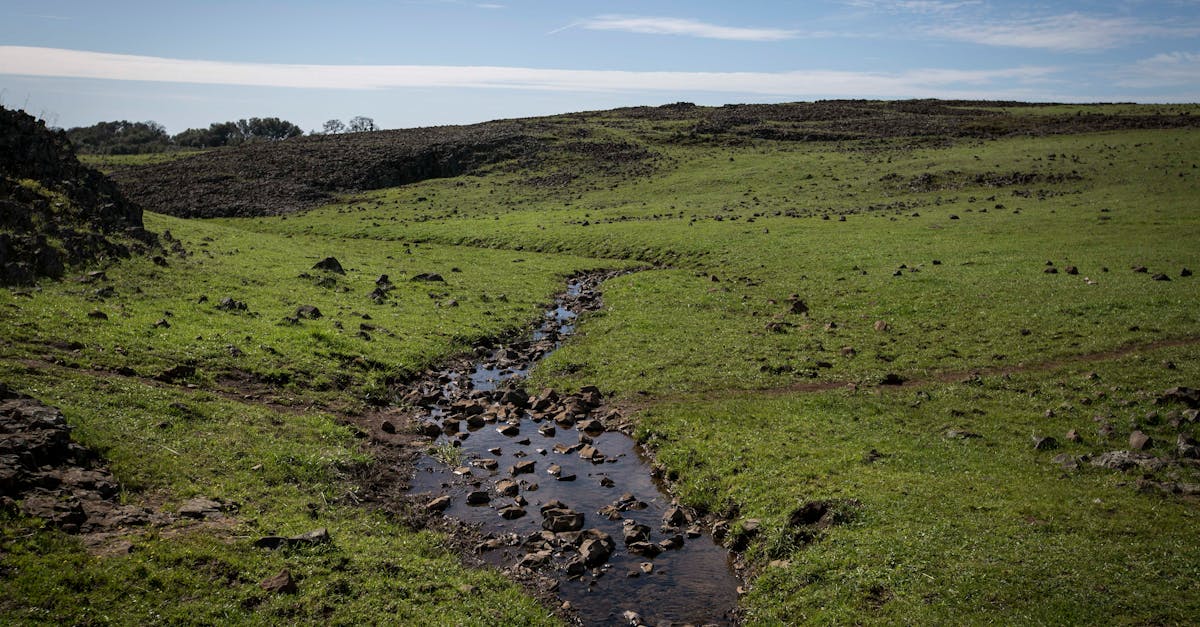
Rocky Ford Creek
Rocky Ford Creek is Washington's premier spring creek, a crystal-clear, spring-fed stream winding through the desert landscape northeast of Ephrata. Its year-round, fly-only, catch-and-release regulations protect a population of large, highly selective rainbow trout that challenge even the most experienced fly fishers.
Rocky Ford Creek Fishing Report & Current Conditions
The Rocky Ford Creek is a spring creek fishery, and it fishes best in spring, summer, fall and winter. Live USGS streamflow readings update throughout the day, while the monthly median flows below map the river's typical discharge across the year. Together they show current fishability and how today's water compares to the seasonal norm.
Current Conditions
Typical Monthly Flows
Historical median discharge (CFS) by month: Rocky Ford Creek
Overview
Rocky Ford Creek is a unique and treasured fly fishing destination in Washington state, a small, spring-fed creek flowing through the arid sagebrush country of central Washington's Columbia Basin. Fed by underground springs that maintain a nearly constant temperature of 52-56 degrees F year-round, Rocky Ford supports a thriving population of rainbow trout that grow to impressive sizes on the creek's abundant food supply of scuds, midges, callibaetis mayflies, and damselflies.
The fishable portion of Rocky Ford Creek extends roughly 3 miles from the springs near the WDFW hatchery downstream to Moses Lake. Despite its modest size (the creek averages 15 to 30 feet wide and 2 to 4 feet deep), Rocky Ford holds trout that regularly exceed 20 inches and can top 5 pounds. These fish achieve their size by feeding continuously in the nutrient-rich spring water, gorging on the immense scud population that inhabits the creek's dense weed beds.
Rocky Ford operates under some of the most restrictive regulations in Washington: fly fishing only, single barbless hook, catch-and-release only, no wading permitted, and no floating devices allowed. Anglers must cast from the bank, a requirement that adds both challenge and intimacy to the experience. The no-wading rule protects the creek's fragile spring-fed ecosystem and the dense aquatic vegetation that supports its extraordinary food chain.
The creek's spring-fed nature means it fishes year-round with remarkable consistency. When other Washington trout streams are frozen or in winter dormancy, Rocky Ford's constant-temperature water keeps trout actively feeding. January and February midday midge hatches can provide some of the best fishing of the year, with large rainbows sipping tiny flies in gin-clear water under winter desert skies.
Fishing Rocky Ford requires a fundamentally different approach than river fishing. The creek is slow, clear, and flat, demanding long leaders, fine tippet, and precise presentations to wary trout that have seen every fly pattern in the book. It is a thinking angler's destination, a place where observation, patience, and technical skill matter more than distance or athleticism.
Water Characteristics
Rocky Ford Creek is a classic spring creek with water characteristics that differ fundamentally from freestone rivers. Fed by underground springs emerging from the Columbia Basin's volcanic aquifer, the creek maintains a nearly constant temperature of 52-56 degrees F year-round. This thermal stability is the key to Rocky Ford's extraordinary productivity; it eliminates seasonal metabolic swings and allows trout to feed actively through all twelve months. Water clarity is exceptional, typically exceeding 10 feet of visibility, with a slight greenish tint from dissolved minerals and the dense aquatic vegetation.
The creek's nutrient load is remarkably high for its size. The spring water carries dissolved calcium, phosphorus, and other minerals that fuel explosive growth of aquatic plants (primarily elodea, chara, and watercress) which in turn support vast populations of scuds, sowbugs, midges, damselfly nymphs, and mayfly nymphs. The scud population in particular is extraordinary, forming the primary food source for Rocky Ford's trout and explaining the heavy-bodied, deeply colored fish that define the fishery.
The substrate is predominantly soft silt and sand over a volcanic rock base, with dense weed beds covering much of the creek bottom. Current flow is gentle and spring-fed; there are no rapids, riffles, or pools in the traditional sense. Instead, the creek presents a series of slow, clear glides with weed channels, open pockets, and deeper slots where fish hold and cruise. The gentle current demands precise, drag-free presentations; any micro-drag on the leader is immediately visible to both fish and angler in the flat, clear water.
Wading & Float Guide
Wading is not permitted at Rocky Ford Creek. This is one of the creek's defining regulations and is strictly enforced by WDFW. The no-wading rule protects the fragile spring-creek ecosystem: the silty bottom, dense aquatic vegetation (elodea, chara, and other submergent plants), and spring-fed water sources that could be damaged by foot traffic. The creek's shallow depth (2-4 feet in most areas) and soft bottom would also make wading impractical even if it were permitted.
All fishing must be done from the bank. The creek banks range from firm, grassy edges to soft, muddy margins depending on the section. Rubber boots or knee-high waterproof boots are recommended for comfort and stability along the muddier sections. The designated WDFW access trail follows the creek, providing fishing platforms and bank access at intervals along the fishable water.
The bank-fishing-only requirement transforms the fishing experience. Rather than wading into position and shortening your cast, Rocky Ford demands long, accurate casts from fixed positions. The fish are close, often holding within 15-30 feet of the bank in the weed channels, but the clear water and wary trout require stealthy approaches. Keep a low profile, avoid sudden movements, and stay back from the water's edge until you've identified a feeding fish. Then position yourself for the most advantageous casting angle, considering both current direction and sun position.
Rocky Ford Creek
Floating devices of any kind are prohibited on Rocky Ford Creek. The creek is exclusively a bank-fishing spring creek. Walk the designated access trail and fish from the bank at intervals along the 3-mile fishable section. The upstream section near the springs holds the densest populations, while the lower sections near Moses Lake produce the largest individual fish.
Rod & Tackle Guide
Rocky Ford Creek (Dry Fly & Emerger)
- Rod
- 9' to 9'6" 4-weight or 5-weight
- Line
- Weight-forward floating (spring creek taper preferred)
- Leader & Tippet
- 12'-15' tapered to 5X-6X (fluorocarbon tippet essential)
A delicate presentation rod is key for Rocky Ford's technical fishing. A 4-weight provides the lightest touch for tiny dries and emergers, but a 5-weight is more practical when the Columbia Basin wind picks up. Spring creek-taper fly lines with long, fine front tapers help turn over the long leaders that Rocky Ford demands. Carry 5X, 6X, and 7X fluorocarbon tippet.
Rocky Ford Creek (Scud & Nymph)
- Rod
- 9' to 10' 5-weight
- Line
- Weight-forward floating
- Leader & Tippet
- 12'-15' tapered to 4X-5X (fluorocarbon)
Scud and nymph fishing on Rocky Ford requires the ability to cast long leaders with small weighted flies and indicators. A slightly longer rod (9'6" to 10') helps manage the long leader and provides better line control during the drift. The 5-weight has enough backbone to turn over the indicator-and-nymph rig at distance. Dead-drift presentation through weed channels is the key technique.
Rocky Ford Creek (Damselfly & Callibaetis Season)
- Rod
- 9' 5-weight
- Line
- Weight-forward floating with slow-intermediate sink-tip option
- Leader & Tippet
- 10'-12' tapered to 4X-5X
During the damselfly hatch (June-July) and peak Callibaetis season (May-September), larger flies (#10-14) and more active retrieves are effective. A slow-intermediate sink-tip line helps keep damselfly nymph patterns near the bottom of the weed channels. Strip-pause retrieves with damselfly nymph patterns can trigger savage takes from large rainbows cruising the weed-bed edges.
Best Time to Fish the Rocky Ford Creek
Spring
March through May brings the creek to life after winter's subdued rhythms. Callibaetis mayflies (#14-16) begin emerging in April, providing the first consistent dry-fly opportunities of the year. Scud patterns (#14-18 in pink, orange, and olive) fished near the bottom of weed channels continue to produce year-round. As water temperatures climb from the stable 52-56 degree F baseline, damselfly nymphs become increasingly active, and fish begin cruising the weed-bed edges. Spring caddis emergence adds another dry-fly opportunity. The creek can be windy in spring; afternoon gusts of 15-25 mph are common in the Columbia Basin.
Summer
June through August is prime time for dry-fly enthusiasts. Callibaetis hatches (#14-16) intensify, with morning spinners and afternoon duns providing reliable surface action. Damselfly hatches (#10-12) in June and July bring large trout to the surface to feed on adult damsels; fish blue or olive damsel dry patterns along the weed-bed edges. Trico spinners (#20-22) begin in late July and continue through September, creating technical early-morning fishing. Terrestrial patterns (ants, beetles, hoppers in #12-16) work along the grassy banks. Midday heat can slow surface activity; focus on morning and evening windows.
Fall
September and October offer some of Rocky Ford's finest fishing. BWO hatches (#18-20) return on overcast afternoons. Callibaetis and Trico hatches continue into October. The scud population reaches peak density in fall, and fish feed aggressively on crustaceans in the weed channels; dead-drift scud patterns (#14-18) through the deeper slots for consistent subsurface action. Mahogany Duns provide additional dry-fly opportunities. The desert landscape turns golden in autumn, and the reduced angling pressure after Labor Day makes fall arguably the best season overall.
Winter
Rocky Ford's spring-fed consistency makes it one of Washington's best winter fisheries. Water temperatures remain at 52-56 degrees F even when air temperatures plunge below freezing, keeping trout actively feeding when every other trout stream in the state is dormant. Midge hatches (#20-24) are the primary surface activity, occurring during the warmest midday hours (11 AM to 2 PM). Fish tiny Griffith's Gnats, CDC midge emergers, and Zebra Midges. Scud patterns fished near the bottom remain effective year-round. Winter crowds are minimal, a few hardy regulars and visiting spring-creek enthusiasts. Dress warmly for the desert wind and bring hand warmers for tying on tiny flies.
Fishing Pressure & Local Tips
Rocky Ford Creek receives moderate to heavy pressure on weekends, particularly during the summer months (June through September) when the combination of active hatches and favorable weather draws the most anglers. The creek's limited fishable length (roughly 3 miles) concentrates anglers, and the bank-only access means anglers fish in closer proximity than on a wading river. The most popular sections near the WDFW access parking area see the heaviest traffic. Walking farther upstream or downstream significantly reduces encounters.
Weekday fishing, especially in spring and fall, offers a dramatically different experience; you may have entire sections of the creek to yourself. Winter fishing is lightly pressured, with only a handful of dedicated spring-creek anglers visiting during the cold months. The drive to Rocky Ford (approximately 3 hours from Seattle, 45 minutes from Ellensburg, 90 minutes from Spokane) limits casual day-trip pressure. The creek's technical demands also serve as a natural filter; anglers who struggle with long leaders, fine tippet, and tiny flies tend to leave earlier, concentrating remaining effort among those equipped and skilled for the challenge.
Local Knowledge
The single most important skill at Rocky Ford is observation. Before making your first cast, spend 10 minutes watching the water from a distance. Identify cruising fish, locate feeding lanes along weed-bed edges, and determine what the fish are eating. Are they rising to surface insects? Bulging just below the surface (emergers)? Tailing in the weeds (scuds)? The answer dictates your entire approach. Casting blind on Rocky Ford is far less productive than targeting specific, actively feeding fish.
Scuds are the secret weapon that many visiting anglers overlook. While dry-fly fishing to rising trout is the glamorous approach, scud patterns (#14-18 in pink, orange, gray, and olive) fished dead-drift through weed channels near the bottom produce more fish and often the largest fish. The key is the presentation: cast upstream of the weed channel, allow the scud to sink, and dead-drift through the slot with the absolute minimum of drag. A 12-15 foot leader tapered to 6X with a small (size 14-16) yarn indicator set 3-4 feet above the fly is the standard Rocky Ford scud rig.
Fluorocarbon tippet is not optional at Rocky Ford; it is essential. The creek's clear water and educated fish reject offerings presented on nylon tippet at a much higher rate. Use 5X-6X fluorocarbon for dry flies and emergers, and 4X-5X fluorocarbon for scud and nymph patterns. Keep your leader long; 12 to 15 feet is standard, and some regulars fish leaders exceeding 18 feet. The slack-line cast (pile cast or puddle cast) is the most effective technique for achieving drag-free drifts on Rocky Ford's flat, slow water.
Species Present
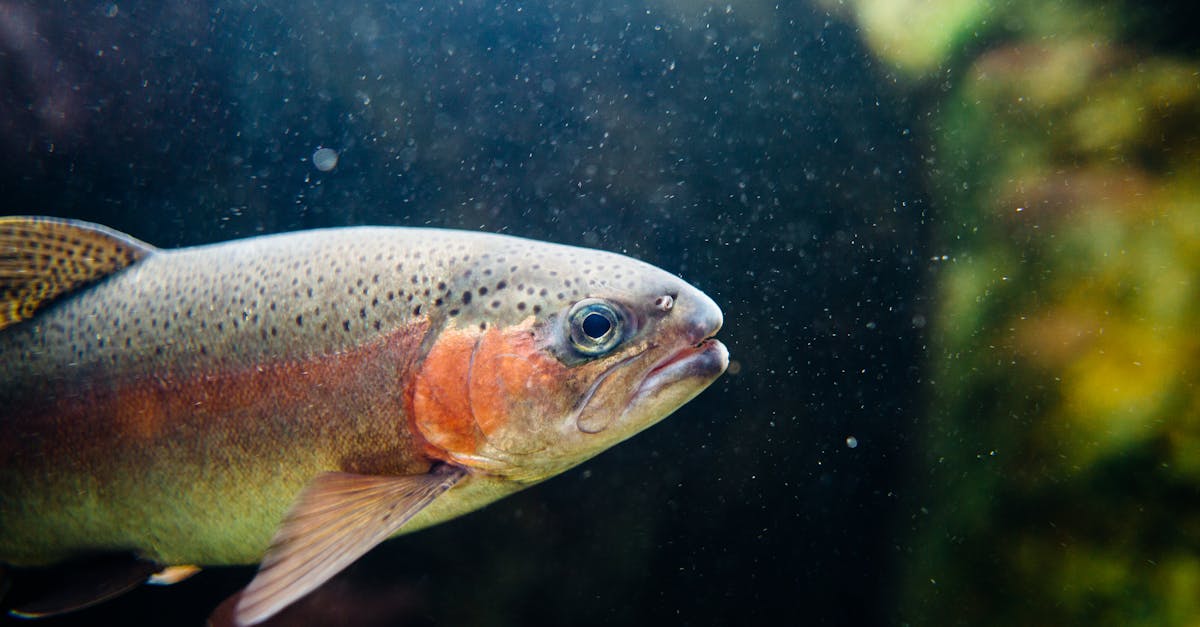
Rainbow Trout
The rainbow trout is Montana's most widespread and popular gamefish, celebrated for its explosive surface strikes, aerial acrobatics, and willingness to take a well-presented dry fly. Native to Pacific Coast drainages from Alaska to Mexico, rainbows were first introduced to Montana's waters in the late 1800s and have since established thriving populations in nearly every major river system in the state. On legendary waters like the Madison, Missouri, and Bighorn, wild rainbow trout grow fat on prolific insect hatches and provide some of the finest dry-fly fishing in North America. Rainbow trout in Montana display remarkable variation depending on their home water. Fish in nutrient-rich tailwaters like the Missouri River below Holter Dam can exceed 20 inches with regularity, their deep bodies and broad tails reflecting the abundant food supply. Freestone river rainbows, such as those in the upper Madison and Gallatin, tend to be leaner and more athletic, shaped by faster currents and colder water temperatures. In many Montana rivers, rainbows spawn in the spring from March through June, and anglers should be mindful of spawning redds during this period to protect future generations of fish. Rainbows are arguably the most versatile trout species for fly anglers. They respond well to dry flies during hatches, aggressively chase streamers, and feed heavily on nymphs subsurface throughout the year. Their fighting ability is legendary: a hooked rainbow will often launch itself completely out of the water multiple times during a battle. Montana's catch-and-release regulations on many blue-ribbon streams have produced exceptional rainbow trout fisheries with high densities of large, healthy fish that continue to draw anglers from around the world.
Rocky Ford Creek Hatch Chart
| Insect | Suggested Fly | Jan | Feb | Mar | Apr | May | Jun | Jul | Aug | Sep | Oct | Nov | Dec |
|---|---|---|---|---|---|---|---|---|---|---|---|---|---|
Midges (Chironomids) morning | Zebra Midge | ||||||||||||
Scuds (Gammarus) all day | Ray Charles | ||||||||||||
Blue-Winged Olive (Baetis) afternoon | BWO Emerger | ||||||||||||
Callibaetis Mayfly morning | Parachute Adams | ||||||||||||
Caddisflies (spring species) afternoon | CDC Caddis Emerger | ||||||||||||
Damselfly Nymphs morning | Woolly Bugger | ||||||||||||
Trico Spinner morning | Trico Spinner | ||||||||||||
Blue-Winged Olive (Baetis) afternoon | BWO Emerger | ||||||||||||
Mahogany Dun afternoon | Parachute Adams |
Midges (Chironomids): Year-round and the most consistent hatch. Size 18-24. Fish Zebra Midges and Griffith's Gnats.
Scuds (Gammarus): Not a hatch; scuds are the #1 food source year-round. Dead-drift through weed channels. Size 14-18.
Blue-Winged Olive (Baetis): Spring BWOs on overcast days. Size 18-20.
Callibaetis Mayfly: Signature Rocky Ford dry-fly hatch. Size 14-16. Fish spinner falls in morning, duns in afternoon.
Caddisflies (spring species): Spring caddis emergence. Size 14-16. CDC Caddis Emerger in the film.
Damselfly Nymphs: Damselfly migration to shore for emergence. Strip olive Woolly Bugger as damsel imitation. Size 10-12.
Trico Spinner: Tiny spinner falls from late July. Extremely technical fishing. Size 20-22.
Blue-Winged Olive (Baetis): Fall BWOs. Size 18-20. Often the best dry-fly fishing of the year.
Mahogany Dun: Fall mayfly. Size 14-16. Parachute Adams is effective.
Recommended Flies
Ray Charles
Top PickScud pattern in pink/orange/olive, the #1 subsurface fly year-round. Size 14-18
Best in spring
Zebra Midge
Top PickMidge larva/pupa, essential during year-round midge hatches. Size 18-24
Best in winter
RS2
Top PickRS2 as midge and BWO emerger, deadly in the film
Best in spring
Parachute Adams
Top PickCallibaetis dry fly imitation during summer hatches. Size 14-16
Best in summer
Trico Spinner
Top PickTrico Spinner for technical morning spinner falls. Size 20-22
Best in summer
BWO Emerger
Top PickBWO emerger for fall Baetis hatches
Best in fall
PMD Comparadun
Top PickPMD Comparadun during summer mayfly hatches
Best in summer
CDC Caddis Emerger
Top PickCDC Caddis Emerger for spring caddis emergence
Best in spring
Curated Fly Boxes
Rocky Ford Spring Creek Technical Box
Year-roundTiny, precise patterns for Rocky Ford's trophy rainbows. This unique desert spring creek demands exact imitations of Callibaetis, scuds, midges, and damselflies.
Access Points & Boat Launches
Rocky Ford Creek WDFW Access
ParkingEasyThe primary and essentially only public access point for Rocky Ford Creek. The WDFW-maintained parking area provides trail access to the fishable portions of the creek. Designated paths lead to the best fishing sections. Remember: no wading is permitted; all fishing must be done from the bank. Arrive early on weekends for parking.
Rocky Ford Hatchery Access
ParkingEasySecondary access near the WDFW Rocky Ford Hatchery at the upstream end of the fishable creek. The springs that feed Rocky Ford emerge near the hatchery, and the upper section of creek near this access holds some of the densest concentrations of trout. Bank fishing only; no wading permitted.
Rocky Ford Creek Lower Section
ParkingEasyAccess to the lower portion of the creek near where it approaches Moses Lake. This section tends to be less crowded than the upper access and produces some of the creek's largest fish. The wider, deeper water in the lower section favors scud and midge fishing over dry-fly approaches. Bank access via trail from the parking area.
Regulations
Regulations
Open year-round. Fly fishing only; no other methods permitted. Single barbless hook required. Catch-and-release only for all species. NO WADING; anglers must fish from the bank at all times. No floating devices (float tubes, boats, canoes, etc.) permitted. No bait, no lead weights. WDFW access site has designated parking and trails to the creek. Washington state fishing license required. Check current WDFW regulations at wdfw.wa.gov.
Always verify current regulations with Washington Dept. of Fish and Wildlife before fishing.
Some links may earn a commission. Learn more
Quick Facts
- Region
- Central Washington, Grant County
- Water Type
- Spring Creek
- River Length
- ~3 miles of fishable spring creek from the springs to Moses Lake
- Difficulty
- Advanced
- Best Seasons
- spring, summer, fall, winter
- Trout Per Mile
- 500-1,000 (numbers are lower than rivers but average size is significantly larger, 16-20" average)
- Record Trout
- 28" rainbow trout (multiple fish exceeding 5 lbs documented; fish to 8 lbs reported)
- Species
- Rainbow Trout
- USGS Gauge
- 12467000
Where to Stay
Ephrata
A small agricultural town in the Columbia Basin, the closest town to Rocky Ford Creek with basic amenities: motels, restaurants, and gas stations.
Ephrata is about 15 minutes from Rocky Ford Creek. Stock up on supplies here; there is nothing at the creek itself. The early morning and evening are prime fishing times, so a nearby base is ideal.
Moses Lake
The largest town in the area with chain hotels, restaurants, and full services. About 30 minutes from Rocky Ford Creek with more lodging variety than Ephrata.
Moses Lake is the best option if you want reliable chain hotels and dining. The drive to Rocky Ford is easy and quick. Spring and fall offer the best fishing and fewer crowds at the creek.