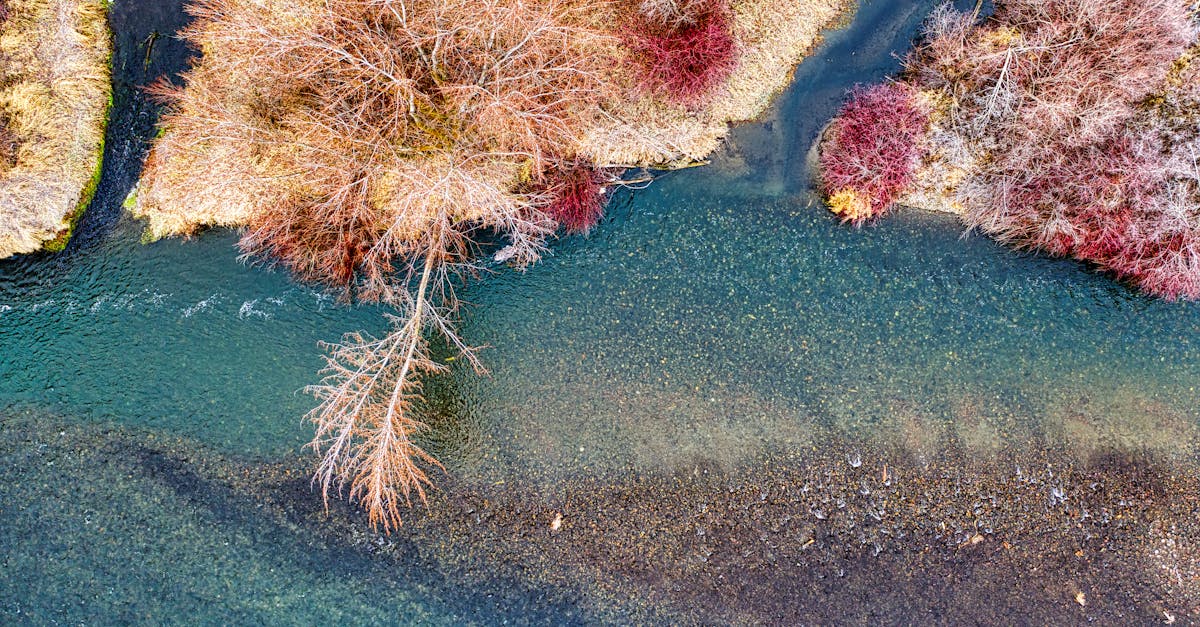
Yakima River
The Yakima River is widely regarded as the best trout fly fishing river in Washington state, flowing through a spectacular basalt canyon between Ellensburg and Yakima. Its year-round catch-and-release regulations, prolific hatches, and healthy populations of wild rainbow and westslope cutthroat trout make it a destination that draws anglers from across the Pacific Northwest.
Yakima River Fishing Report & Current Conditions
The Yakima River is a freestone fishery, and it fishes best in spring, summer and fall. Live USGS streamflow readings update throughout the day, while the monthly median flows below map the river's typical discharge across the year. Together they show current fishability and how today's water compares to the seasonal norm.
Current Conditions
Typical Monthly Flows
Historical median discharge (CFS) by month: Yakima River
Overview
The Yakima River is the crown jewel of Washington state trout fishing. From its origins near Snoqualmie Pass in the Cascade Range, the Yakima flows roughly 214 miles southeast to its confluence with the Columbia River near Richland. The prime fly fishing water lies in the 27-mile Yakima River Canyon managed by the Bureau of Land Management, a dramatic corridor of columnar basalt cliffs, sage-covered hillsides, and crystal-clear water between Ellensburg and the Roza Dam recreation area.
The canyon section is a year-round, catch-and-release fishery managed under selective gear regulations by the Washington Department of Fish and Wildlife (WDFW). Single barbless hooks and artificial lures only; no bait. This progressive management has produced a thriving population of wild rainbow trout averaging 12 to 15 inches, with good numbers of fish reaching 16 to 20 inches. Westslope cutthroat trout add diversity, and mountain whitefish are abundant throughout.
What sets the Yakima apart from other Washington rivers is its incredible hatch diversity. The river can be fished effectively with dry flies eight or nine months of the year. The March Brown mayfly hatch in spring is the signature event: enormous clouds of big mayflies bring every fish in the river to the surface. Summer brings prolific caddis, PMDs, and golden stoneflies. The salmonfly hatch in May is brief but spectacular. Fall delivers October Caddis and BWOs, and even winter offers midge fishing on mild days.
The canyon is predominantly float-fished from drift boats or rafts, with BLM-managed access sites spaced roughly every five miles providing put-in and take-out options. Wade fishing is productive at each access site and along the numerous gravel bars and shallow riffles. Highway 821 (Canyon Road) parallels the river through the canyon, providing scenic but limited pullover access.
The Upper Yakima above Ellensburg, from the Cle Elum confluence to Ringer Road, offers a different experience with more pocket water, faster gradient, and excellent wade fishing for rainbows and cutthroat. The lower canyon from Roza Dam toward Yakima holds larger fish but is warmer and less consistent than the upper canyon.
Water Characteristics
The Yakima River through the canyon is a high-desert freestone river fed by snowmelt from the Cascade Range and regulated by upstream irrigation storage dams (Keechelus, Kachess, and Cle Elum lakes). This regulation moderates flows somewhat compared to a purely natural freestone, providing more stable conditions than many Pacific Northwest rivers during summer. However, irrigation demands can create flow fluctuations; releases increase during the growing season and decrease in fall and winter. The river runs through a dramatic basalt canyon carved into the Columbia Plateau, giving the water a characteristic clarity and the riverbed its distinctive dark volcanic cobble.
Water clarity on the Yakima is excellent during base flows, typically 4 to 8 feet of visibility. During spring runoff (April through June), clarity decreases with snowmelt, but the river rarely runs completely opaque like some Cascade rivers. Summer water temperatures in the canyon range from 55-65 degrees F, kept cool by the river's volume and canyon shade. The dark basalt substrate absorbs heat, contributing to the prolific insect production that makes the Yakima such an exceptional dry-fly river.
The Yakima's water chemistry is moderately alkaline with dissolved minerals from the volcanic geology, supporting diverse and abundant insect populations including mayflies (March Browns, PMDs, BWOs, Green Drakes), caddisflies (multiple species), stoneflies (salmonflies, golden stones, Skwalas), and midges. The nutrient load from agricultural land above and below the canyon contributes to the river's productivity while the canyon section itself remains relatively pristine, managed by the BLM as a scenic and recreational corridor.
Wading & Float Guide
The Yakima River Canyon offers excellent wading opportunities, particularly at the five BLM access sites (Bighorn, Umtanum, Lmuma Creek, Big Pines, and Roza) where gravel bars and shallow riffles extend into the river. The bottom is predominantly rounded basalt cobble and gravel, with the dark-colored rocks providing good contrast for reading the water. Felt-soled or studded rubber boots are recommended, as the volcanic rock can be slippery with algae growth during warmer months. During summer and fall base flows (typically 1,000-2,000 cfs), most riffle sections are comfortably wadeable to thigh depth.
The canyon's character varies between access points. The upper canyon near Ringer Road and Umtanum features broader, shallower riffles with more wading-friendly structure. The mid-canyon around Lmuma Creek has deeper runs and faster currents that limit wading to the margins. The lower canyon near Roza opens up again with gravel bars and side channels. A wading staff is helpful but not essential for most anglers at normal flows.
Below Roza Dam, the river enters the agricultural Yakima Valley and becomes warmer, deeper, and less wadeable. Above the canyon near Ellensburg, the upper Yakima offers intimate wade fishing in a smaller river setting with pocket water and classic riffle-run-pool sequences that rarely exceed waist depth during summer flows. Spring runoff (mid-April through early June) raises water levels significantly and can make wading unsafe throughout the system.
Ringer Road to Umtanum Recreation Site
Upper canyon float through the narrowest section of the basalt gorge. Scenic columnar basalt walls, excellent pocket water, and productive riffles. Good March Brown and golden stonefly water. Several pullover spots for wading gravel bars.
Umtanum to Bighorn Campground
Classic canyon float with alternating riffles, runs, and deeper pools. Excellent caddis and PMD water in summer. The best wading gravel bars on the river are in this section. Popular half-day float with consistent fishing throughout.
Bighorn Campground to Lmuma Creek
Mid-canyon section with deeper runs and more defined pool structure. Productive nymphing water in the deeper slots. Evening caddis hatches can be exceptional along this stretch. Slightly less wading access than the upper sections.
Lmuma Creek to Big Pines
The canyon opens slightly with longer riffles and gravel bar formations. Good hopper-dropper water from July through September. October Caddis hatch is strong through this reach in fall. Several pullover spots for wade fishing.
Big Pines to Roza Recreation Area
Lower canyon section approaching Roza Dam. The river broadens with shallower riffles and gravel bars ideal for wading. Good BWO water in spring and fall. Take out at Roza before the dam. Quick float for afternoon fishing sessions.
Rod & Tackle Guide
Yakima Canyon (Float Fishing)
- Rod
- 9' 5-weight or 6-weight
- Line
- Weight-forward floating
- Leader & Tippet
- 9' tapered to 4X-5X (dry fly/hopper-dropper), 7.5' to 3X (streamers)
The 6-weight is the better all-around choice for canyon float fishing; it handles the persistent canyon winds, turns over hopper-dropper rigs, and provides the backbone for fighting strong Yakima rainbows in current. During calm conditions and technical hatch situations, a 5-weight offers more delicacy. Bring a full spool of 4X and 5X tippet.
Yakima Canyon (Wade Fishing at Access Sites)
- Rod
- 9' 5-weight
- Line
- Weight-forward floating
- Leader & Tippet
- 9' tapered to 4X-5X (dry fly), 7.5' to 4X (nymph rigs)
Wade anglers working the riffles and gravel bars benefit from a lighter 5-weight for more natural presentations in the shallower, calmer water near access sites. The shorter 7.5' leader is easier to manage in the canyon wind and turns over nymph rigs cleanly. Chest waders are recommended even in summer; water temperatures stay cool year-round.
Upper Yakima (Above Ellensburg)
- Rod
- 8'6" to 9' 4-weight or 5-weight
- Line
- Weight-forward floating
- Leader & Tippet
- 9' tapered to 5X-6X
The upper river is smaller and more intimate, with pocket water and tight casting situations. A 4-weight is ideal for the smaller water and the #14-20 dry flies that dominate. The lighter rod also makes the Yakima's 12-15 inch rainbows more sporting on delicate tackle.
Best Time to Fish the Yakima River
Spring
The Yakima's spring season is defined by the legendary March Brown mayfly hatch, which typically begins in mid-March and extends through late May. These large (#10-14) mayflies bring aggressive surface feeding, and a March Brown dry or Sparkle Dun is essential. Skwala stoneflies (#8-12) emerge even earlier, from February through March, providing the first dry-fly action of the year. BWOs (#16-20) hatch on overcast afternoons throughout spring. The salmonfly hatch arrives in May and lasts 3-4 weeks; fish large stonefly dries (#4-8) tight to banks. Spring runoff typically peaks in mid-May; monitor USGS gauge 12484500 at Umtanum. Fishable flows are generally below 3,000 cfs.
Summer
July and August are prime time on the Yakima. Golden stoneflies (#6-10) overlap with the early summer period. PMDs (#14-18) hatch in the mornings and caddis (#14-16) blanket the river in the evenings; the summer caddis hatch is one of the Yakima's most reliable events. Hopper-dropper rigs become deadly from late July through September. Fish foam hoppers (#8-10) with a Pheasant Tail or Prince Nymph dropper (#14-18). The canyon can be hot in midsummer; fish early morning and late evening for the best action and comfortable temperatures. Green Drakes (#10-12) make sporadic appearances in the upper river.
Fall
September through November offers some of the Yakima's finest fishing with dramatically reduced pressure. October Caddis (#8-10) is the signature fall hatch: large orange-bodied caddis bring big fish to the surface, particularly in the mid and upper canyon. BWO hatches (#18-20) return on overcast afternoons. Mahogany Duns provide additional dry-fly opportunities. Streamer fishing with Woolly Buggers and small sculpin patterns produces larger fish as water temperatures drop. The canyon's cottonwoods and willows turn gold against the basalt walls; fall is the most scenic season.
Winter
The Yakima remains open year-round, and winter fishing can be surprisingly productive. Midge hatches (#20-24) occur on most days during the warmest hours (11 AM to 2 PM). Winter stoneflies (#14-16) emerge from January through March, providing a unique early-season dry-fly opportunity rarely found on other rivers. Nymphing with small Pheasant Tails, Zebra Midges, and soft-hackles through the deeper, slower runs is the most consistent winter technique. Fish the warmest part of the day. Ice shelves may form along the banks during cold snaps but rarely affect access to the best fishing water.
Fishing Pressure & Local Tips
The Yakima River Canyon receives moderate fishing pressure, concentrated during the spring March Brown hatch (March through May) and summer float season (July through September). Weekend float traffic is noticeable during peak season, with guided drift boats and recreational rafts sharing the canyon. The five BLM access sites concentrate both anglers and floaters at predictable points. However, the canyon's 27-mile length distributes pressure effectively, and anglers who float mid-canyon sections or fish between access points encounter significantly less competition.
Pressure drops markedly after Labor Day and remains light through the fall, winter, and early spring months. The Yakima's year-round season means there is always fishable water available when other Washington rivers are closed. Weekday fishing during any season offers a noticeably quieter experience. The upper river above Ellensburg sees less pressure than the canyon, and the lower sections near Roza Dam are often overlooked. Local guides based in Ellensburg, including Red's Fly Shop, Worley Bugger Fly Co., and Evening Hatch guides, provide the most current information on pressure and conditions.
Local Knowledge
The Yakima's dark basalt bottom creates a unique optical challenge. Trout holding over dark substrate are extremely difficult to spot, even in clear water. Rather than sight-fishing to individual trout, focus on reading the water structure: the soft water behind boulders, the seams along current edges, and the tail-outs of riffles where trout position to intercept drifting food. The dark bottom also means lighter-colored flies show up better to fish and angler alike. Pale olive, cream, and tan patterns often outperform darker imitations on the Yakima.
During the March Brown hatch, resist the urge to fish only dry flies. On many days, trout feed more aggressively on March Brown nymphs rising toward the surface than on the duns floating on top. A Pheasant Tail nymph or March Brown emerger fished in the upper water column beneath a dry-fly indicator can outfish a traditional dry during heavy hatches. This is a pattern many visiting anglers miss; they see rises and throw dries, while locals clean up with emerger patterns fished in the film.
The Yakima's canyon winds can be ferocious, particularly in the afternoon during spring and summer. Winds of 20-30 mph funneling through the basalt corridor are common by 2 PM. Plan your float to cover the best water in the morning before the wind builds. A 6-weight rod handles the wind better than a 5-weight and turns over hopper-dropper rigs more effectively in the gusting conditions. Local float anglers often carry a streamer rod rigged and ready; when wind makes dry-fly fishing impossible, stripping streamers along the banks can save the afternoon.
Species Present
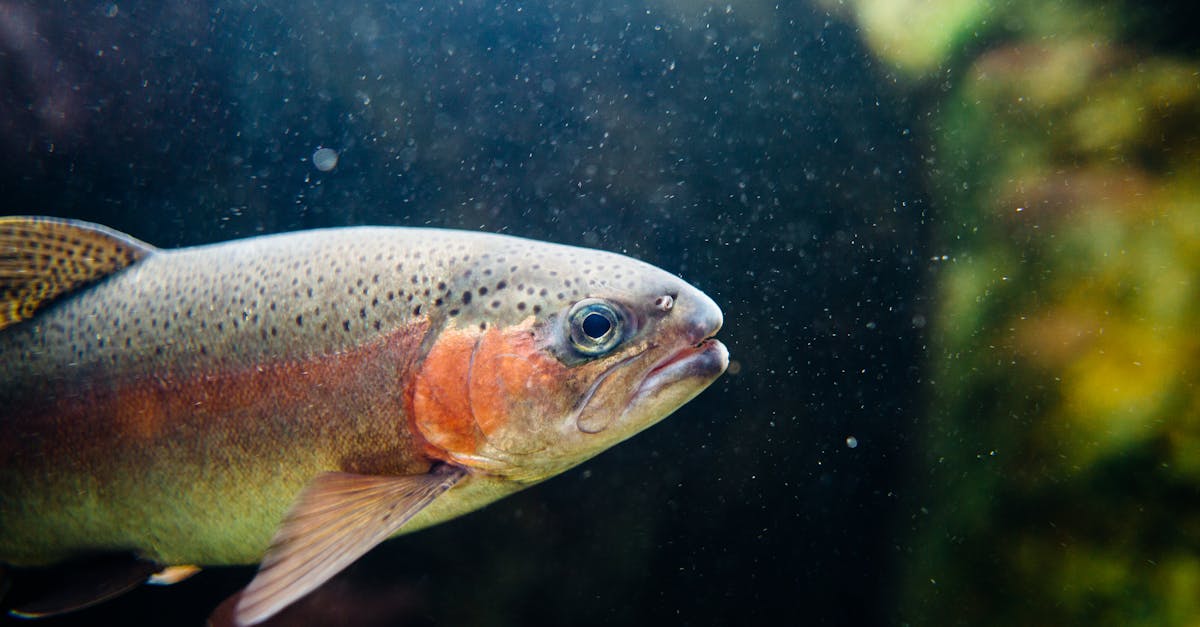
Rainbow Trout
The rainbow trout is Montana's most widespread and popular gamefish, celebrated for its explosive surface strikes, aerial acrobatics, and willingness to take a well-presented dry fly. Native to Pacific Coast drainages from Alaska to Mexico, rainbows were first introduced to Montana's waters in the late 1800s and have since established thriving populations in nearly every major river system in the state. On legendary waters like the Madison, Missouri, and Bighorn, wild rainbow trout grow fat on prolific insect hatches and provide some of the finest dry-fly fishing in North America. Rainbow trout in Montana display remarkable variation depending on their home water. Fish in nutrient-rich tailwaters like the Missouri River below Holter Dam can exceed 20 inches with regularity, their deep bodies and broad tails reflecting the abundant food supply. Freestone river rainbows, such as those in the upper Madison and Gallatin, tend to be leaner and more athletic, shaped by faster currents and colder water temperatures. In many Montana rivers, rainbows spawn in the spring from March through June, and anglers should be mindful of spawning redds during this period to protect future generations of fish. Rainbows are arguably the most versatile trout species for fly anglers. They respond well to dry flies during hatches, aggressively chase streamers, and feed heavily on nymphs subsurface throughout the year. Their fighting ability is legendary: a hooked rainbow will often launch itself completely out of the water multiple times during a battle. Montana's catch-and-release regulations on many blue-ribbon streams have produced exceptional rainbow trout fisheries with high densities of large, healthy fish that continue to draw anglers from around the world.
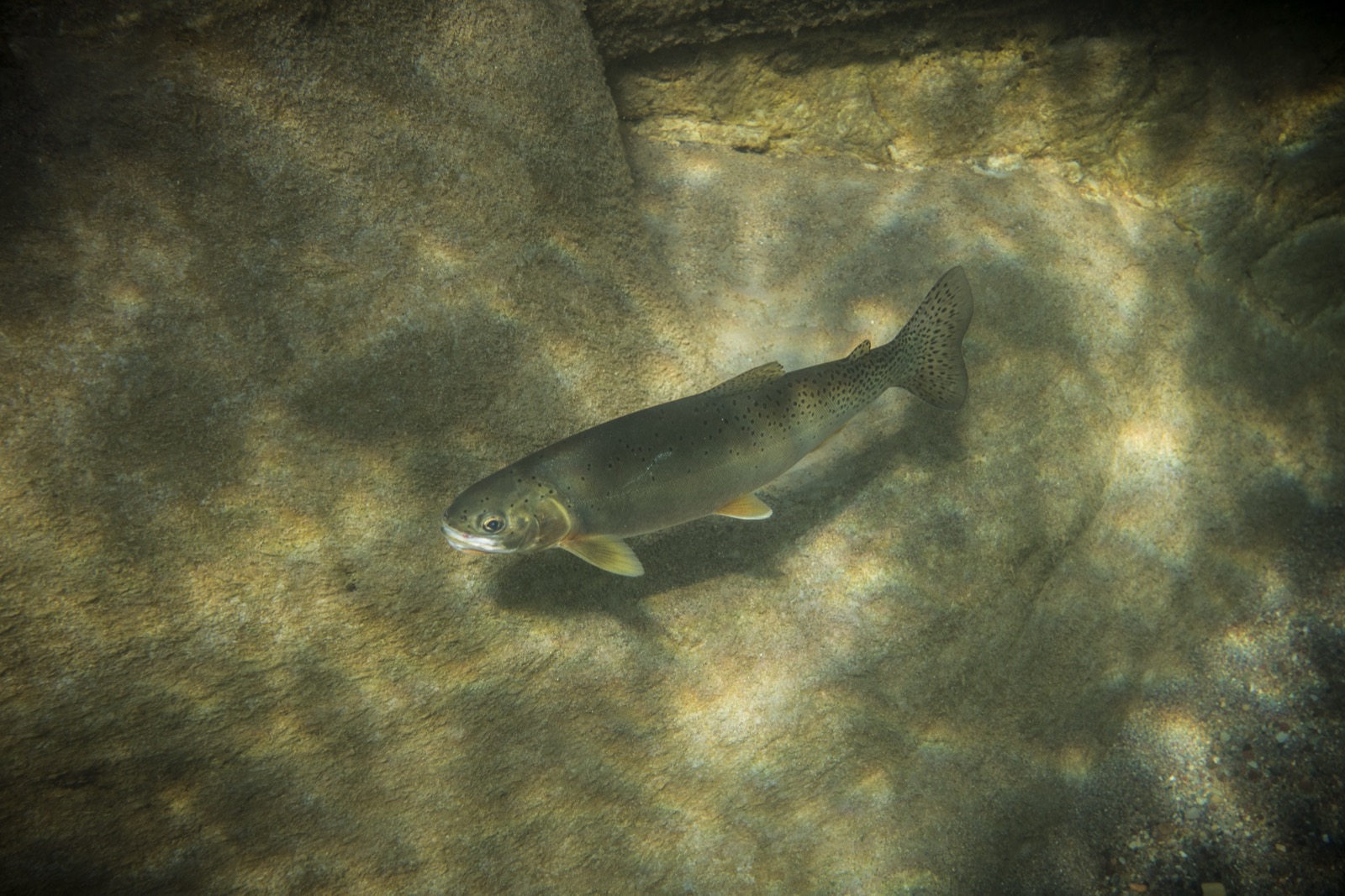
Westslope Cutthroat Trout
The westslope cutthroat trout is the most widely distributed native trout subspecies in the northern Rocky Mountains and holds the distinction of being Montana's official state fish. This interior subspecies of cutthroat trout evolved in the upper Columbia and Missouri River drainages west of the Continental Divide, inhabiting the cold, pristine mountain streams and alpine lakes of Idaho, western Montana, and pockets of eastern Washington and Oregon. Smaller and more delicately built than their Yellowstone cutthroat cousins, westslope cutthroats are a jewel of the backcountry, their buttery gold flanks peppered with fine black spots and accented by the hallmark crimson slashes beneath the jaw that define all cutthroat trout. Westslope cutthroats are the quintessential dry-fly trout of the northern Rockies. Found in headwater streams, cascading mountain creeks, and glacially carved alpine lakes from the Bitterroot Range to the Bob Marshall Wilderness, they inhabit some of the most breathtaking landscapes in the American West. On waters like the upper Blackfoot River, Rock Creek, the South Fork Flathead, and the St. Joe River in Idaho, westslope cutthroats rise eagerly to well-presented dry flies, often in settings so remote and wild that the fishing feels almost primeval. Their willingness to eat on the surface, combined with the spectacular scenery of their home waters, makes targeting westslope cutthroats one of the most rewarding experiences in western fly fishing. Despite their cultural and ecological importance, westslope cutthroat trout occupy only a fraction of their historic range. Hybridization with non-native rainbow trout and competition from introduced brook trout have eliminated genetically pure populations from many drainages. Today, the purest remaining westslope cutthroat populations persist in isolated headwater streams above natural or man-made barriers that prevent upstream migration of non-native species. Conservation efforts across Idaho, Montana, and Washington focus on protecting these stronghold populations, removing non-native competitors, and restoring connectivity where genetically pure fish still exist. Anglers who target westslope cutthroats become some of their strongest advocates, understanding firsthand the fragile beauty of the ecosystems these fish depend upon.
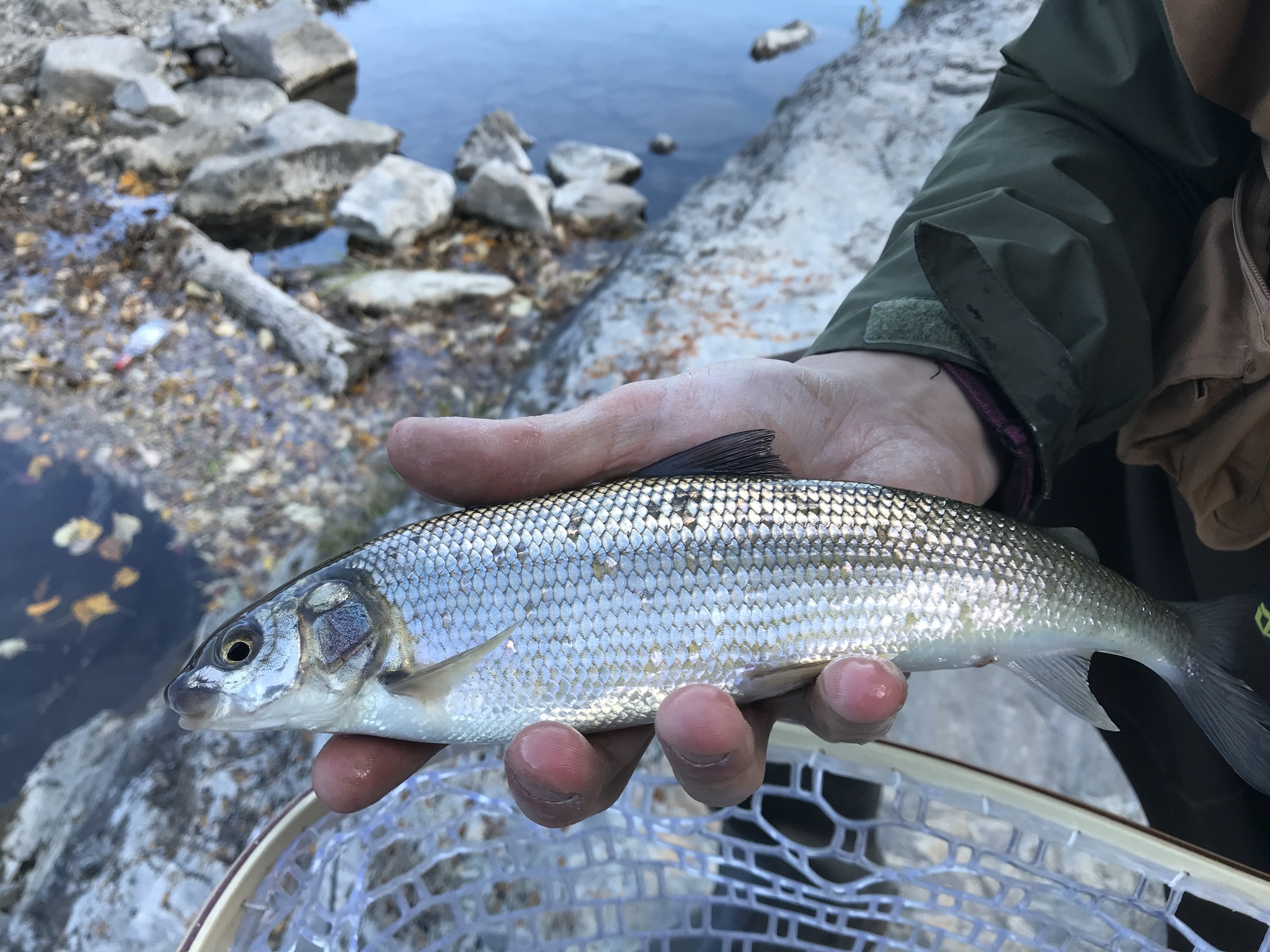
Mountain Whitefish
The mountain whitefish is one of Montana's most abundant native salmonids and arguably the most underappreciated gamefish in the state. A member of the whitefish subfamily (Coregoninae) within the broader salmonid family, mountain whitefish are present in virtually every cold-water river and large stream in Montana, often outnumbering trout by significant margins. On rivers like the Madison, Gallatin, Yellowstone, and Bitterroot, whitefish populations can exceed 1,000 fish per mile, making them the dominant salmonid species by biomass in many reaches. Despite this abundance, most fly anglers overlook whitefish entirely or view them as an unwelcome catch, which is unfortunate because they can provide outstanding sport on light tackle. Mountain whitefish are an important ecological component of Montana's river systems. They serve as a primary food source for larger brown trout, bald eagles, ospreys, otters, and other predators. Their fall spawning behavior (typically October through December) plays a critical role in nutrient cycling, and their eggs provide food for other fish and aquatic invertebrates during the lean winter months. In recent years, whitefish populations have been used as indicator species for overall river health, and declines in whitefish numbers on some Montana rivers have raised concerns about changing water conditions and disease pressure. For anglers willing to target them intentionally, mountain whitefish offer several advantages. They feed actively throughout the winter months when trout fishing can be slow, they are abundant and widely distributed, and they fight with surprising strength for their size; a 16-inch whitefish on a 3- or 4-weight rod provides a memorable tussle. Whitefish are also excellent table fare, with firm, mild-flavored white flesh that is delicious smoked or fried. Montana regulations typically allow a generous harvest limit for whitefish, recognizing their abundance and the role that harvest can play in managing populations on some waters.
Yakima River Hatch Chart
| Insect | Suggested Fly | Jan | Feb | Mar | Apr | May | Jun | Jul | Aug | Sep | Oct | Nov | Dec |
|---|---|---|---|---|---|---|---|---|---|---|---|---|---|
Skwala Stonefly afternoon | Stimulator | ||||||||||||
March Brown Mayfly afternoon | Sparkle Dun | ||||||||||||
Blue-Winged Olive (Baetis) afternoon | BWO Emerger | ||||||||||||
Salmonfly (Pteronarcys) all day | Norm Wood Special | ||||||||||||
Golden Stonefly all day | Stimulator | ||||||||||||
Pale Morning Dun morning | PMD Comparadun | ||||||||||||
Caddisflies (various) evening | Elk Hair Caddis | ||||||||||||
Green Drake afternoon | Parachute Adams | ||||||||||||
October Caddis afternoon | Stimulator | ||||||||||||
Blue-Winged Olive (Baetis) afternoon | BWO Emerger |
Skwala Stonefly: First hatch of the year. Size 8-12. Fish large dry patterns along banks on warm afternoons.
March Brown Mayfly: The signature Yakima hatch. Enormous emergence brings all fish to the surface. Size 10-14.
Blue-Winged Olive (Baetis): Spring BWOs on overcast days. Size 16-20. Often overlaps with March Browns.
Salmonfly (Pteronarcys): Brief but spectacular hatch in mid-May. Size 4-8. Upper canyon is best.
Golden Stonefly: Follows the salmonfly. Size 6-10. Fish Stimulators along rocky banks.
Pale Morning Dun: Reliable summer hatch in canyon riffles. Size 14-18.
Caddisflies (various): Prolific summer caddis flights. The Yakima's most reliable hatch. Size 14-18.
Green Drake: Sporadic but exciting in upper river sections. Size 10-12.
October Caddis: Large orange caddis. Size 8-10. Use Stimulator or orange EHC.
Blue-Winged Olive (Baetis): Fall BWOs on overcast days. Size 18-20.
Recommended Flies
Sparkle Dun
Top PickTHE fly for March Brown hatches, Sparkle Dun in tan/olive #10-14
Best in spring
Elk Hair Caddis
Top PickEssential during prolific evening caddis hatches
Best in summer
Chubby Chernobyl
Top PickHopper-dropper anchor from late July through September
Best in summer
Norm Wood Special
Top PickSalmonfly hatch in May; fish tight to banks. Size 4-8
Best in spring
Pheasant Tail Nymph
Top PickYear-round nymph; excellent as dropper behind dry flies
Best in spring
Stimulator
Top PickGolden Stonefly and October Caddis imitation
Best in summer
PMD Comparadun
Top PickPMD hatches throughout the canyon in summer
Best in summer
BWO Emerger
Top PickFall and spring BWO emerger, essential during Baetis hatches
Best in fall
Curated Fly Boxes
Yakima All-Season Hatch Box
Year-roundThe Yakima is Washington's premier trout river with prolific hatches from March through November. This box covers PMDs, caddis, BWOs, and the famous October caddis.
Access Points & Boat Launches
Ringer Road Access
Boat LaunchEasyPrimary put-in for the upper Yakima Canyon, located at the northern entrance to the canyon south of Ellensburg. The gravel launch handles drift boats and rafts, and the surrounding riffles provide excellent wade fishing for anglers who do not want to float. Ringer Road marks the transition from the valley section into the basalt canyon.
Umtanum Recreation Site (BLM)
Wade AccessEasyThe most popular BLM access point in the Yakima Canyon, featuring a suspension footbridge across the river, extensive gravel bars for wading, and a campground. The Umtanum Creek confluence adds cold water and attracts concentrations of trout. Excellent March Brown, caddis, and PMD water in the surrounding riffles.
Bighorn Campground (BLM)
Boat LaunchEasyMid-canyon BLM campground and river access with a gravel boat ramp suitable for drift boats and rafts. The campground sits on a broad gravel bar with walk-in wade fishing access both upstream and downstream. A popular put-in or take-out for half-day floats through the heart of the canyon.
Roza Recreation Area (BLM)
Boat LaunchEasyTake-out point at the southern end of the Yakima Canyon, located above Roza Dam. The developed site features a concrete ramp and good facilities. The surrounding water offers productive wade fishing in the wider, shallower riffles of the lower canyon. The last access before the river enters the agricultural valley below the dam.
Regulations
Regulations
Year-round season from Keechelus Dam to Roza Dam. Selective gear regulations: artificial lures and flies only, single barbless hooks required. All trout must be released; catch-and-release only. Up to 3 flies permitted. No bait fishing. Mountain whitefish may be retained per statewide limits. Below Roza Dam, regulations change by section; check current WDFW regulations at wdfw.wa.gov. Washington state fishing license required; combination license covers freshwater and saltwater.
Always verify current regulations with Washington Dept. of Fish and Wildlife before fishing.
Some links may earn a commission. Learn more
Quick Facts
- Region
- Central Washington
- Water Type
- Freestone
- River Length
- 214 miles total (~27 miles of premier canyon water from Ringer Road to Roza Dam; ~50 miles of quality upper river above Ellensburg)
- Difficulty
- Beginner-Intermediate
- Best Seasons
- spring, summer, fall
- Trout Per Mile
- 1,500-3,000 (canyon section between Ringer Road and Roza Dam; higher densities in upper canyon)
- Record Trout
- 24" rainbow trout (canyon section; westslope cutthroat to 20" documented in upper river)
- Species
- Rainbow Trout, Westslope Cutthroat Trout, Mountain Whitefish
- USGS Gauge
- 12484500
Local Shops & Guides
Red's Fly Shop
Ellensburg, WA
Red's Fly Shop is the Pacific Northwest's premier fly fishing outfitter, located on South Main Street in Ellensburg, Washington. The shop has built an enormous reputation for its comprehensive guide roster, detailed fishing reports, and expertise across a remarkable range of Washington and Northwest waters, including the Yakima, Klickitat, Methow, and Columbia Basin fisheries. The shop offers a full-service retail experience with an extensive selection of flies, rods, reels, waders, and accessories from leading brands. Red's is particularly well known for their fishing reports, which cover dozens of rivers and lakes across the Pacific Northwest and provide anglers with current conditions, recommended patterns, and tactical advice. Their online presence and educational content have made them a trusted resource for fly fishers across the region. Red's Fly Shop maintains what is widely considered the largest guide roster in Washington state, with professional guides covering the Yakima River, Klickitat River, Methow River, Rocky Ford Creek, and numerous other waters. Whether you're floating the Yakima for wild rainbows, swinging flies for Klickitat steelhead, or sight-fishing on Rocky Ford, Red's can match you with a guide who knows the water intimately. The shop also offers spey casting instruction, multi-river itineraries, and a level of professionalism that has set the standard for Pacific Northwest fly fishing outfitters.
(509) 929-1802
Ellensburg Angler
Ellensburg, WA
Ellensburg Angler is an Orvis-endorsed fly fishing outfitter located on North Main Street in Ellensburg, Washington, recognized as Orvis's 2016 Outfitter of the Year. The shop and guide service have been cornerstones of the Yakima Valley fly fishing community for decades, providing expert knowledge, quality gear, and professional guide trips on the Yakima River and surrounding waters. The shop carries a thoughtfully curated selection of flies, rods, reels, waders, and accessories, with a particular emphasis on patterns and gear suited to Yakima River fishing. Ellensburg Angler is especially known for their expertise on the Yakima's prolific hatches, which include outstanding PMD, caddis, and October caddis emergences that provide some of the best dry fly fishing in the Northwest. Their staff provides detailed, honest advice based on current conditions, and their fishing reports are a valuable planning resource. Ellensburg Angler's Orvis-endorsed guide service features experienced professionals who specialize in the Yakima River and Columbia Basin spring creeks including Rocky Ford Creek. Their guides offer float and wade trips tailored to all skill levels, from beginners experiencing their first day with a fly rod to accomplished anglers looking to refine their technique on the Yakima's selective wild rainbows. The 2016 Orvis Outfitter of the Year recognition reflects the shop's commitment to quality, conservation, and customer service.
(509) 925-3886
The Evening Hatch
Ellensburg, WA
The Evening Hatch is a beloved Ellensburg fly shop institution, located on East 4th Avenue in downtown Ellensburg, Washington, since 1988. For nearly four decades, the shop has served the Yakima Valley fly fishing community with honest advice, quality gear, and a genuine passion for the rivers and streams of central Washington. The shop carries a well-curated selection of flies, rods, reels, leaders, tippet, and accessories chosen by anglers who fish the Yakima and Klickitat rivers regularly. The Evening Hatch is known for its fly selection, which emphasizes the proven patterns that produce on Yakima Valley waters, from tiny Blue-Winged Olives and midges for winter fishing to the large October caddis that bring explosive surface takes in the fall. Their staff embodies the old-school fly shop ethos: approachable, knowledgeable, and genuinely invested in helping each angler have a better day on the water. The Evening Hatch's guide service features experienced Yakima Valley guides who have spent decades learning the seasonal rhythms of the Yakima and Klickitat rivers. Their guides offer float and wade trips, with particular strength in matching clients to the best fishing available on any given day. The shop has earned a loyal local following through honest fishing reports, fair pricing, and the kind of personalized service that makes a small-town fly shop irreplaceable.
(509) 962-5959
Worley Bugger Fly Co.
Ellensburg, WA
Worley Bugger Fly Co. is a full-service fly shop and guide service located on South Main Street in Ellensburg, Washington, serving the Yakima Valley fly fishing community since 1995. The shop has grown into one of the most recognized fly fishing retailers in the Pacific Northwest, known for their extensive online fly selection, quality guide service, and detailed Yakima River fishing reports. The shop carries a comprehensive inventory of flies, rods, reels, waders, and accessories, but it's their fly selection that truly sets them apart. Worley Bugger maintains one of the largest online fly catalogs in the Northwest, making their flies accessible to anglers across the country. In-store, the selection is equally impressive, with thousands of patterns covering every major hatch on the Yakima River and surrounding waters. Their fishing reports provide detailed, regularly updated information on Yakima River conditions, hatches, and productive patterns. Worley Bugger's guide service offers professional float and wade trips on the Yakima River and Rocky Ford Creek. Their guides are year-round professionals who know the Yakima's seasonal patterns intimately, from the blue-winged olive hatches of early spring through the legendary October caddis fishing in autumn. The shop has built a loyal following through consistent quality, competitive pricing, and a genuine enthusiasm for the sport that comes through in every interaction.
(888) 950-3474
Brazda's Fly Fishing
Ellensburg, WA
Brazda's Fly Fishing is a professional guide service based in Ellensburg, Washington, offering fly fishing trips across a remarkable range of Washington state waters. What sets Brazda's apart is their versatility — while many guides specialize in a single river, Brazda's covers the Yakima, Klickitat, Methow, and Skagit rivers, making them one of the most well-rounded guide services in the Pacific Northwest. The Yakima River is the home water and core of the business, with float and wade trips available throughout the year targeting the Yakima's healthy population of wild rainbow trout. But Brazda's also guides steelhead trips on the Klickitat and Skagit rivers, trout trips on the Methow River in the North Cascades, and can customize itineraries that combine multiple rivers into a single trip. This breadth of coverage means Brazda's can always put clients on the best fishing available, regardless of season or conditions. Brazda's guide service is built on decades of experience across Washington's diverse fisheries, from the arid east-side valleys of the Yakima to the rainforest-draped steelhead rivers of the west side. Their spey casting instruction is particularly popular, helping anglers develop the skills needed for swinging flies on the state's steelhead rivers. For visiting anglers looking for a guide who can show them the full spectrum of Washington's fly fishing, Brazda's Fly Fishing offers an unmatched range of expertise.
(509) 962-2033
Where to Stay
Ellensburg
A charming college town (Central Washington University) right on the Yakima River. Great restaurants, fly shops, and the gateway to the Yakima Canyon, Washington's most popular trout water.
Stay in Ellensburg for easy access to both the canyon float and the upper river. Several local fly shops offer guided canyon floats and current hatch reports. The Canyon River Ranch downstream is also an option.
Cle Elum
A small mountain town on I-90 near the upper Yakima. Convenient if you're driving from Seattle and want quick access to the upper river above Ellensburg.
Cle Elum is about 30 minutes from the upper Yakima access points and an hour from the canyon. A good base if you also want to explore the Teanaway or Cle Elum River tributaries.