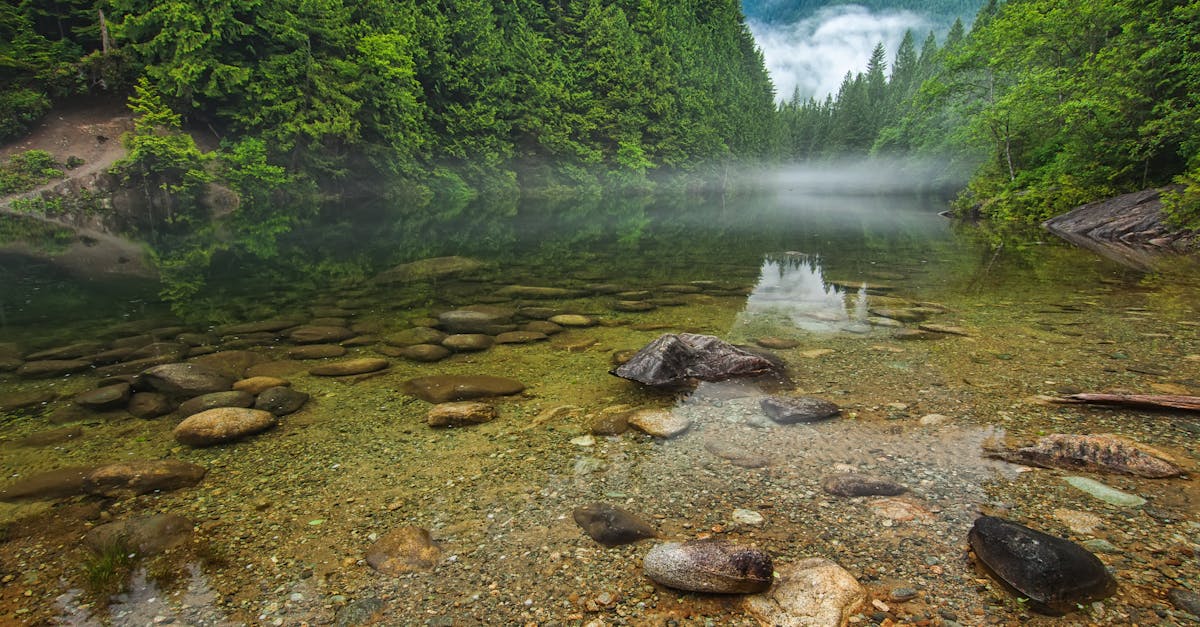
Skagit River
The Skagit River is the largest river system in Puget Sound, flowing from the Canadian Cascades through dramatic mountain gorges and fertile lowlands. Renowned as one of the Pacific Northwest's premier steelhead rivers, the Skagit also offers exceptional fly fishing for wild rainbow trout, bull trout, and sea-run cutthroat in a stunning wilderness setting.
Skagit River Fishing Report & Current Conditions
The Skagit River is a freestone fishery, and it fishes best in spring and fall. Live USGS streamflow readings update throughout the day, while the monthly median flows below map the river's typical discharge across the year. Together they show current fishability and how today's water compares to the seasonal norm.
Current Conditions
Typical Monthly Flows
Historical median discharge (CFS) by month: Skagit River
Overview
The Skagit River is a river of legendary proportions in the Pacific Northwest fly fishing world. Originating in the Coast Mountains of British Columbia, it flows 150 miles through Washington state before emptying into Puget Sound near La Conner. The Skagit's vast watershed, encompassing over 3,100 square miles, drains some of the most rugged and pristine mountain terrain in the lower 48 states, including portions of North Cascades National Park and the Mount Baker-Snoqualmie National Forest.
For fly anglers, the Skagit is best known as the birthplace of the Skagit casting style, a short-head spey casting technique developed specifically for the river's heavy flows and tight casting conditions. Winter steelhead fishing on the Skagit is a rite of passage for dedicated fly fishers, with the river's wild winter-run steelhead among the largest and most powerful in the Pacific Northwest. The catch-and-release steelhead season, when open, typically runs from February through April between Concrete and Marblemount.
Beyond steelhead, the Skagit offers outstanding trout fishing opportunities that receive far less attention. Wild rainbow trout inhabit the upper river above Marblemount and throughout the accessible sections between Concrete and Rockport. Bull trout, a species of conservation concern, are present in the upper river and tributaries, providing a unique catch-and-release fishery for these magnificent char. Sea-run cutthroat trout enter the lower river from Puget Sound, providing seasonal fishing from late summer through fall.
The river's character changes dramatically along its length. Above Marblemount, the Skagit flows through a narrow, forested gorge with crystal-clear water, large boulders, and deep green pools. Between Marblemount and Concrete, the river broadens into classic steelhead water: long, sweeping runs, gravel bars, and tailouts perfect for swinging flies. Below Concrete, the river enters the agricultural Skagit Valley, becoming wide, slow, and tidal in its lowest reaches.
The Skagit's wild, undammed character below its headwater dams creates a dynamic, naturally functioning river ecosystem that supports all five species of Pacific salmon, steelhead, bull trout, coastal cutthroat, and resident rainbow trout, one of the most complete native fish assemblages remaining in the region.
Water Characteristics
The Skagit is a large, powerful river system with water characteristics shaped by its diverse headwaters. The upper river receives glacial meltwater from North Cascades glaciers, giving the summer flows a characteristic milky blue-green tint that limits visibility to 2-4 feet in the main stem. Winter and spring flows, driven by rain and snowmelt, can push the river above 20,000 cfs with dark, tannic water from the forested watershed. During stable fall conditions, the river clears to its best visibility, 4 to 8 feet in the upper sections.
The river's temperature regime is influenced by two upstream dams (Ross Dam and Diablo Dam) operated by Seattle City Light. These dams moderate flows and temperatures in the upper river, but below the Cascade River confluence, the Skagit functions as a natural freestone system. Summer water temperatures in the fishing corridor (Marblemount to Concrete) typically range from 48-56 degrees F, cold enough to support bull trout and steelhead year-round. Winter temperatures drop to 34-40 degrees F.
The substrate through the prime fishing water is predominantly gravel, cobble, and large boulders, classic Pacific Northwest steelhead river structure. The gravel beds are critical spawning habitat for all five species of Pacific salmon, steelhead, and bull trout. The river's high volume and cold temperatures support aquatic insect populations dominated by caddisflies and stoneflies, with mayfly hatches (BWOs, PMDs) present but less prolific than on the Yakima. The Skagit's true ecological richness lies in its complete native fish assemblage and the marine-derived nutrients from returning salmon that fertilize the entire river ecosystem.
Wading & Float Guide
The Skagit is a big river that demands respect from wading anglers. Between Marblemount and Concrete, the primary fly fishing corridor, the river ranges from 150 to 300 feet wide with powerful currents, deep channels, and a bottom of cobble, gravel, and large boulders. Wading during steelhead season (winter and early spring) requires experience, caution, and proper equipment; a wading staff is essential, and anglers should wear a wading belt and PFD. The river's glacial-fed volume and the dark, tannic water make depth perception difficult. Never wade deeper than knee-height in water you cannot see the bottom of.
The gravel bars and tailouts that form the best steelhead swinging water are also the safest wading areas. These long, gently sloping bars extend into the river, allowing anglers to work downstream through classic swing water while maintaining stable footing. The Sauk River confluence near Rockport creates extensive gravel formations that provide the best wading access on the main river.
Above Marblemount, the river narrows and the character shifts to more pocket water with larger boulders. Wading is more feasible in this section during summer flows, but the water remains cold and swift. The upper Skagit's clear water and moderate gradient make it more approachable for wading anglers targeting resident rainbow and bull trout during the summer season. Below Concrete, the river becomes too wide and deep for productive wading, and boat fishing predominates.
Marblemount to Rockport
The upper steelhead float through forested canyon with excellent swing water. Large gravel bars, deep holding pools, and classic tailouts. The Sauk River enters at Rockport, adding significant volume. Requires experienced oarsmanship during high winter flows. Outstanding scenery with views of the North Cascades.
Rockport to Concrete
Premier steelhead fly water with long, sweeping runs and gravel bar formations perfect for swinging flies. The river broadens and slows slightly, creating more predictable wading and floating conditions. Multiple gravel bar pull-over spots for wading. Dalles Bridge at Concrete marks the end of most steelhead floats.
Concrete to Sedro-Woolley
Lower river float through the Skagit Valley. Wider, slower water with less defined steelhead structure. Better for salmon fishing in fall and sea-run cutthroat in late summer. The river transitions from mountain character to lowland river with agricultural banks and cottonwood galleries.
Rod & Tackle Guide
Steelhead Water (Marblemount to Concrete)
- Rod
- 13' to 13'6" 7-weight or 8-weight spey/switch rod
- Line
- Skagit head (450-550 grain) with assorted sink tips (T-8 through T-14)
- Leader & Tippet
- 4'-6' straight 10-12 lb fluorocarbon
The Skagit River invented the Skagit casting style, and it remains the ideal technique for the river's heavy flows and tight casting conditions. A 13' 7-weight spey rod handles the standard winter steelhead presentation. Carry a range of sink-tip weights to match varying run depths and speeds. Short, stout leaders turn over heavy flies and absorb the shock of a steelhead take.
Upper River Trout (Above Marblemount)
- Rod
- 9' 5-weight or 6-weight
- Line
- Weight-forward floating
- Leader & Tippet
- 9' tapered to 4X (dry fly/nymph), 7.5' to 3X (streamers for bull trout)
A versatile single-hand rod for targeting rainbow and bull trout in the upper river. The 6-weight provides enough backbone for streamer work targeting bull trout while remaining comfortable for nymphing and dry-fly work on smaller trout. Carry white and olive streamers in sizes 6-10 for bull trout.
Sea-Run Cutthroat (Lower River, Fall)
- Rod
- 9' 5-weight
- Line
- Weight-forward floating with intermediate sink-tip option
- Leader & Tippet
- 9' tapered to 4X-5X
Sea-run cutthroat in the lower Skagit respond to small streamers, wet flies, and nymphs fished on light tackle. A 5-weight is ideal for the delicate presentations these fish prefer. An intermediate sink-tip line helps get patterns into the zone in the deeper sloughs and side channels where cutthroat stage.
Best Time to Fish the Skagit River
Spring
February through April is steelhead season on the Skagit, when open by WDFW emergency regulation. Swing large intruder-style flies (#2-2/0) and traditional steelhead patterns on sink-tip lines through the classic runs between Marblemount and Concrete. The Skagit casting method was developed for these conditions: short, heavy heads that load quickly in tight quarters. Fish the water methodically, taking a step-and-swing approach through each run. Water temperatures in the low to mid-40s trigger the most aggressive takes. By late April, steelhead season closes and the river transitions toward trout fishing.
Summer
Once the trout season opens (typically June 1), the upper Skagit above Marblemount provides the best summer fishing. Target rainbow trout and bull trout with nymphs and streamers; white and olive streamers (#6-10) are particularly effective for bull trout in the clear water. Caddis hatches provide evening dry-fly opportunities on the upper river. The main river between Marblemount and Concrete can still hold trout but is less productive during summer's warm, low-water conditions. Explore the Skagit's tributaries, the Cascade River, Baker River, and smaller creeks, for wild cutthroat and rainbow trout.
Fall
September and October bring sea-run cutthroat trout into the lower Skagit below Concrete. These chrome-bright fish average 12-16 inches and take small streamers, wet flies, and nymphs aggressively. Fish the lower river's sloughs, side channels, and tributary mouths where cutthroat stage and feed. Salmon runs draw bull trout to spawning areas; sight-fish for bull trout feeding on salmon eggs with small egg patterns and flesh flies (fish catch-and-release only). BWO hatches on overcast fall days provide dry-fly action in the upper river.
Winter
Winter on the Skagit is steelhead country, the river's most famous season. If WDFW opens the catch-and-release steelhead fishery, swing traditional patterns (Intruders, Popsicles, String Leeches in #2-2/0) through the classic runs on sink-tip lines. Water temperatures in the 38-44 degree F range keep steelhead active but sluggish; slow your swing and fish deep. Rain events that raise and color the river can improve fishing by concentrating steelhead in predictable holding lies. Bundle up; Pacific Northwest winter weather is wet and raw, but the reward of a wild Skagit winter steelhead is among fly fishing's greatest thrills.
Fishing Pressure & Local Tips
Steelhead fishing pressure on the Skagit can be significant during the limited catch-and-release season (typically February through April), particularly on weekends. The classic runs between Marblemount and Concrete attract dedicated steelhead fly fishers from across the Pacific Northwest and beyond. However, the Skagit's steelhead water is extensive, roughly 20 miles of fishable runs, and the step-and-swing nature of the fishing naturally spaces anglers along the river. Arriving early to claim a prime run is important during peak weekends.
Outside of steelhead season, the Skagit receives remarkably light fishing pressure for trout and other species. The summer and fall trout fishing on the upper river is largely overlooked by anglers who associate the Skagit exclusively with steelhead. This means the summer trout angler who explores the river above Marblemount or targets sea-run cutthroat in the lower river during fall can enjoy near-solitude on one of Washington's largest rivers. The Skagit's remote location, a 2-hour drive from Seattle and farther from other major population centers, naturally limits casual pressure.
Local Knowledge
For steelhead fishing, water temperature is the single most important variable. Carry a stream thermometer and check water temperature at each run. The optimal window for winter steelhead takes is 38-44 degrees F. Below 38 degrees, fish are lethargic and slow your swing dramatically; a painfully slow sweep through the run can trigger takes when a faster swing is ignored. Above 44 degrees (common during late-season warm spells), steelhead become more active and will chase faster presentations. Adjust your sink-tip weight and swing speed based on temperature and depth.
The Skagit's gravel bars shift dramatically from year to year. What was a productive run last season may have filled with silt or scoured to a different configuration after winter floods. Spend time walking the bars and reading the water before committing to a full swing through a run. Look for the classic steelhead structure: a riffle-to-pool transition with 3-6 feet of depth, moderate current speed, and a gravel bottom. The best runs have a well-defined tailout where the current accelerates before the next riffle; steelhead rest in the seam between the pool and the tailout.
For trout and bull trout fishing in summer, the tributaries are often more productive than the main stem. The Cascade River below Cascade Pass, the Sauk River above Darrington, and the smaller mountain creeks that feed the upper Skagit hold wild trout in pristine settings. Bull trout in the Skagit system respond well to white streamers (Woolly Buggers, Clousers, and cone-head patterns in size 6-10) stripped through the deeper pools and runs. Handle all bull trout with extreme care: wet your hands, keep the fish in the water, and release quickly.
Species Present
Rainbow Trout
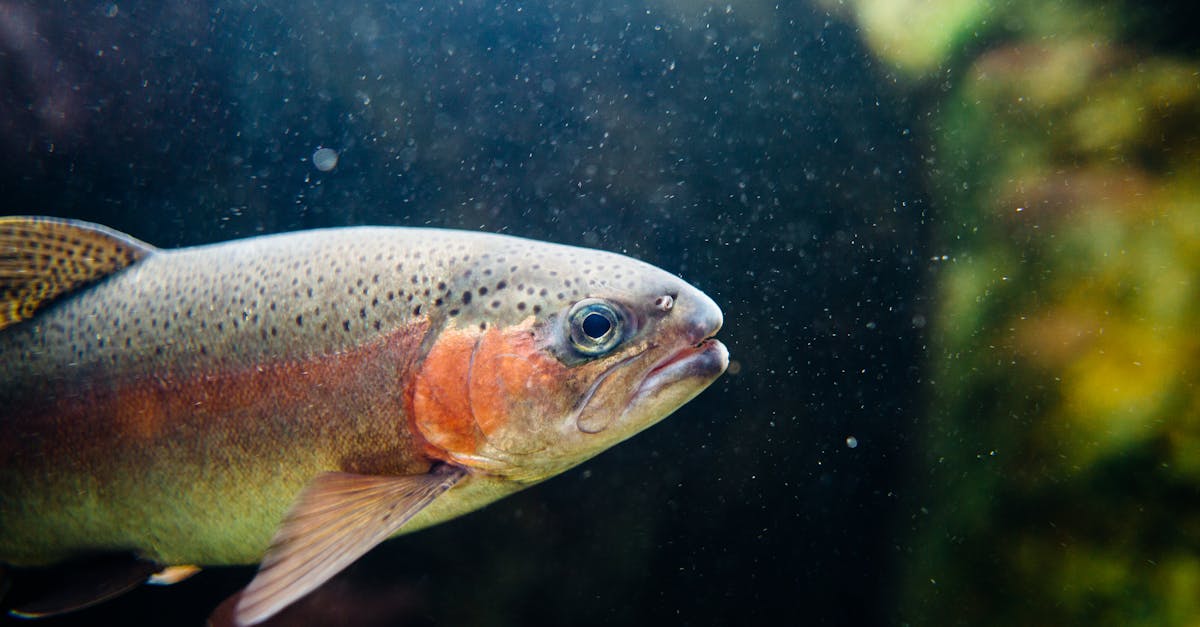
The rainbow trout is Montana's most widespread and popular gamefish, celebrated for its explosive surface strikes, aerial acrobatics, and willingness to take a well-presented dry fly. Native to Pacific Coast drainages from Alaska to Mexico, rainbows were first introduced to Montana's waters in the late 1800s and have since established thriving populations in nearly every major river system in the state. On legendary waters like the Madison, Missouri, and Bighorn, wild rainbow trout grow fat on prolific insect hatches and provide some of the finest dry-fly fishing in North America. Rainbow trout in Montana display remarkable variation depending on their home water. Fish in nutrient-rich tailwaters like the Missouri River below Holter Dam can exceed 20 inches with regularity, their deep bodies and broad tails reflecting the abundant food supply. Freestone river rainbows, such as those in the upper Madison and Gallatin, tend to be leaner and more athletic, shaped by faster currents and colder water temperatures. In many Montana rivers, rainbows spawn in the spring from March through June, and anglers should be mindful of spawning redds during this period to protect future generations of fish. Rainbows are arguably the most versatile trout species for fly anglers. They respond well to dry flies during hatches, aggressively chase streamers, and feed heavily on nymphs subsurface throughout the year. Their fighting ability is legendary: a hooked rainbow will often launch itself completely out of the water multiple times during a battle. Montana's catch-and-release regulations on many blue-ribbon streams have produced exceptional rainbow trout fisheries with high densities of large, healthy fish that continue to draw anglers from around the world.
Bull Trout
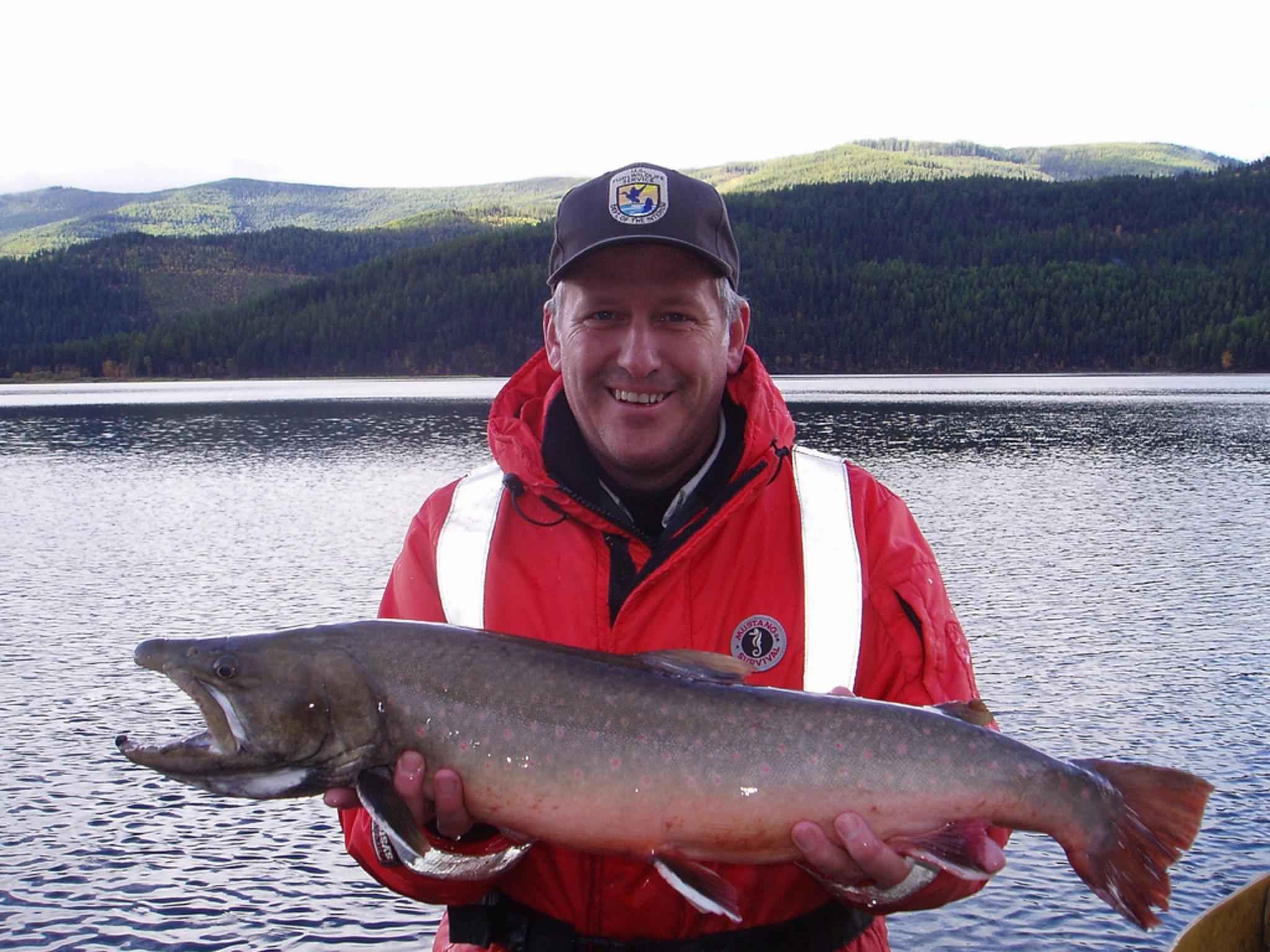
The bull trout is the largest native char in the inland waters of the Pacific Northwest, a powerful and elusive predator that inhabits the coldest, cleanest rivers and lakes in Idaho, Montana, Oregon, and Washington. Despite its common name, the bull trout is not a true trout at all; it belongs to the char genus Salvelinus, making it a close relative of brook trout, lake trout, and Arctic char. Bull trout are distinguished by their massive heads, broad jaws, and overall bulk, which earned them the 'bull' moniker from early settlers who encountered these imposing fish in the frigid headwaters of the Columbia, Snake, and Klamath river basins. For fly anglers in the Pacific Northwest, the bull trout occupies a unique and somewhat complicated position. These fish are federally listed as Threatened under the Endangered Species Act throughout their range in the contiguous United States, meaning that catch-and-release only regulations apply universally: no bull trout may be harvested anywhere in Idaho, Montana, Oregon, or Washington. Despite this protected status, bull trout can be legally targeted in many waters, and they are a thrilling quarry on the fly rod. Migratory bull trout that move between lakes and tributary streams can exceed 30 inches and 10 pounds, with the power and aggression of a fish that feeds primarily on other fish. Hooking a large bull trout on a streamer in a clear mountain river is one of the most electrifying experiences in western fly fishing. Bull trout are also critically important as an indicator species for watershed health. They require the coldest water temperatures of any salmonid in North America (sustained temperatures above 59 degrees Fahrenheit can be lethal), and they depend on connected networks of streams, rivers, and lakes to complete their complex life cycle. Where bull trout thrive, you can be confident the watershed is intact, the water is clean, and the habitat is functioning at a high level. Their decline across much of the Pacific Northwest has been driven by dam construction, logging-related sedimentation, water temperature increases from climate change, and competition with non-native brook trout, with which they readily hybridize. Understanding bull trout identification is essential for every western angler, as many are caught incidentally while targeting other species, and proper handling and release are legally mandated.
Steelhead
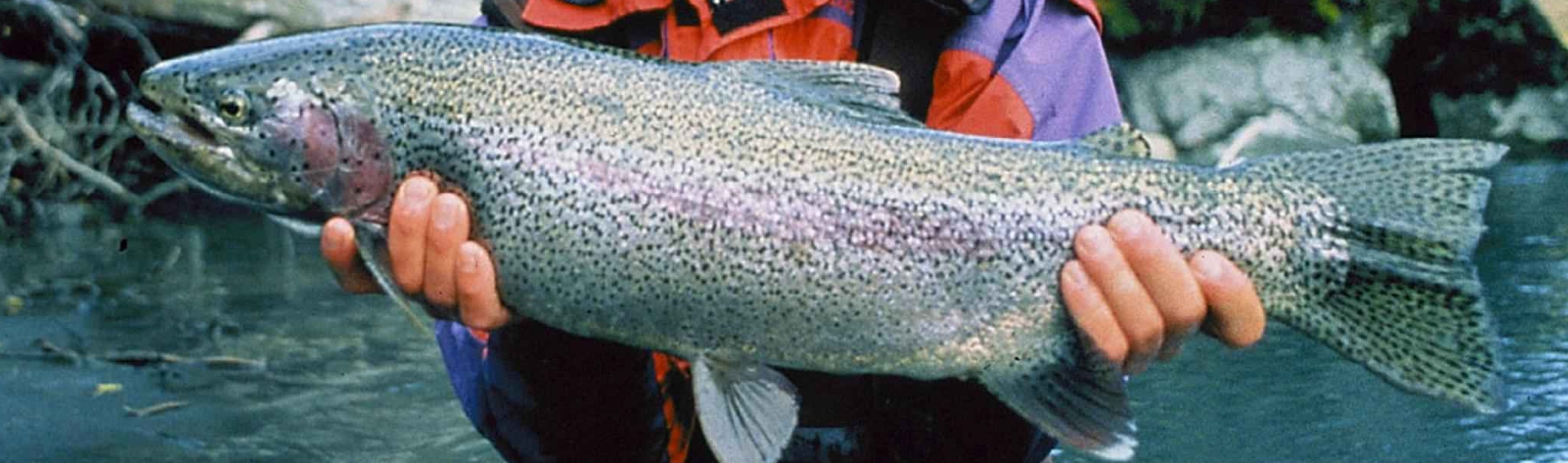
The steelhead is the undisputed monarch of Pacific Northwest fly fishing, a sea-run rainbow trout that combines the power of a salmon with the acrobatics of its resident rainbow cousins, wrapped in a chrome-bright package that can exceed 20 pounds. Genetically identical to rainbow trout (Oncorhynchus mykiss), steelhead are the anadromous form of the species: born in freshwater rivers, they migrate to the Pacific Ocean as juveniles, spend one to three years feeding in the rich saltwater environment, then return to their natal rivers to spawn. This ocean migration transforms a modest stream-resident rainbow into a muscular, silver-sided powerhouse that is widely considered the greatest gamefish available to fly anglers in North America. Steelhead are found in rivers throughout the Pacific Northwest, with Idaho, Oregon, and Washington offering the most celebrated fly-fishing opportunities. Idaho's Clearwater and Salmon rivers host legendary runs of summer steelhead, B-run fish that spend extra time in the ocean and return as massive 10- to 20-pound adults. Oregon's Deschutes River is perhaps the most iconic swing-fishing destination in the world, with summer steelhead providing consistent action from July through November. Washington's Olympic Peninsula rivers, the Skagit system, and tributaries of the Columbia River offer both summer and winter steelhead runs, drawing anglers from around the globe. Swing fishing for steelhead with a spey or switch rod is widely regarded as the pinnacle of fly-fishing pursuits. The technique involves casting a fly across and downstream, then allowing it to swing through the current on a tight line, covering water methodically as the angler steps downstream between each cast. The take of a steelhead on the swing, a sudden, violent pull that can nearly wrench the rod from your hands, is an experience that steelhead anglers describe as addictive beyond reason. The combination of the cast, the swing, the anticipation, the remote and beautiful river settings, and the sheer power of the fish creates a pursuit that many dedicated anglers build their entire fishing lives around.
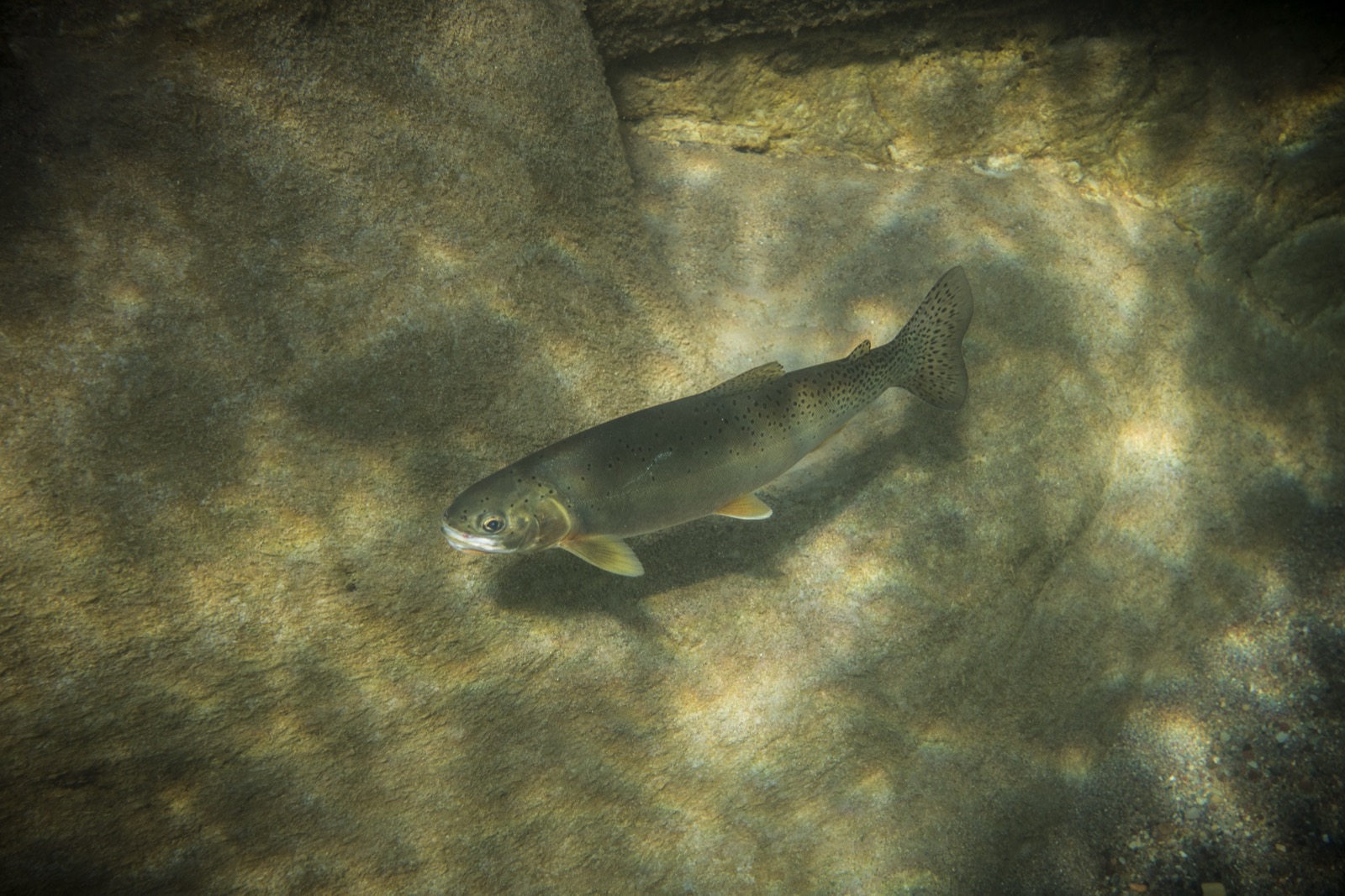
Westslope Cutthroat Trout
The westslope cutthroat trout is the most widely distributed native trout subspecies in the northern Rocky Mountains and holds the distinction of being Montana's official state fish. This interior subspecies of cutthroat trout evolved in the upper Columbia and Missouri River drainages west of the Continental Divide, inhabiting the cold, pristine mountain streams and alpine lakes of Idaho, western Montana, and pockets of eastern Washington and Oregon. Smaller and more delicately built than their Yellowstone cutthroat cousins, westslope cutthroats are a jewel of the backcountry, their buttery gold flanks peppered with fine black spots and accented by the hallmark crimson slashes beneath the jaw that define all cutthroat trout. Westslope cutthroats are the quintessential dry-fly trout of the northern Rockies. Found in headwater streams, cascading mountain creeks, and glacially carved alpine lakes from the Bitterroot Range to the Bob Marshall Wilderness, they inhabit some of the most breathtaking landscapes in the American West. On waters like the upper Blackfoot River, Rock Creek, the South Fork Flathead, and the St. Joe River in Idaho, westslope cutthroats rise eagerly to well-presented dry flies, often in settings so remote and wild that the fishing feels almost primeval. Their willingness to eat on the surface, combined with the spectacular scenery of their home waters, makes targeting westslope cutthroats one of the most rewarding experiences in western fly fishing. Despite their cultural and ecological importance, westslope cutthroat trout occupy only a fraction of their historic range. Hybridization with non-native rainbow trout and competition from introduced brook trout have eliminated genetically pure populations from many drainages. Today, the purest remaining westslope cutthroat populations persist in isolated headwater streams above natural or man-made barriers that prevent upstream migration of non-native species. Conservation efforts across Idaho, Montana, and Washington focus on protecting these stronghold populations, removing non-native competitors, and restoring connectivity where genetically pure fish still exist. Anglers who target westslope cutthroats become some of their strongest advocates, understanding firsthand the fragile beauty of the ecosystems these fish depend upon.
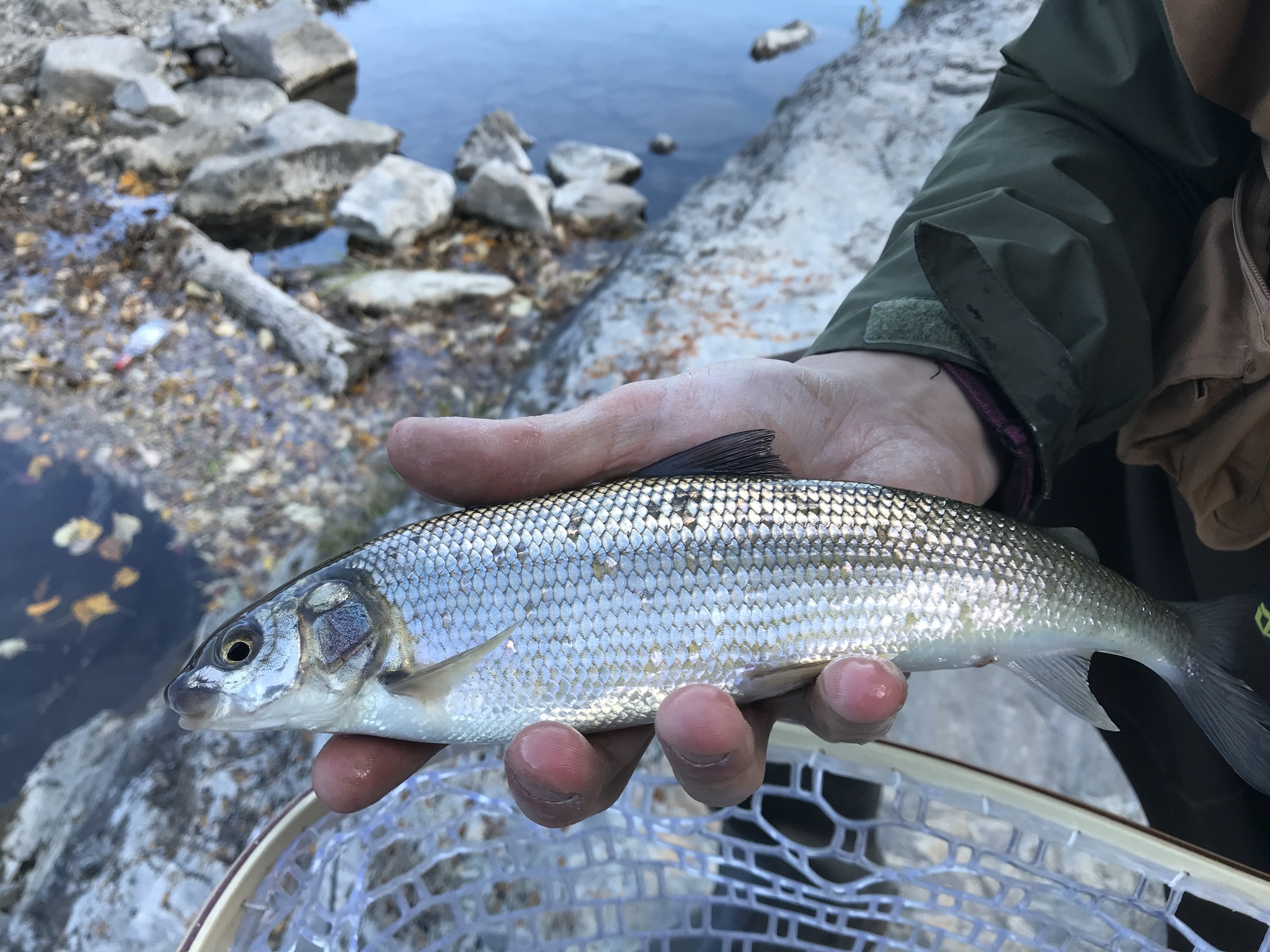
Mountain Whitefish
The mountain whitefish is one of Montana's most abundant native salmonids and arguably the most underappreciated gamefish in the state. A member of the whitefish subfamily (Coregoninae) within the broader salmonid family, mountain whitefish are present in virtually every cold-water river and large stream in Montana, often outnumbering trout by significant margins. On rivers like the Madison, Gallatin, Yellowstone, and Bitterroot, whitefish populations can exceed 1,000 fish per mile, making them the dominant salmonid species by biomass in many reaches. Despite this abundance, most fly anglers overlook whitefish entirely or view them as an unwelcome catch, which is unfortunate because they can provide outstanding sport on light tackle. Mountain whitefish are an important ecological component of Montana's river systems. They serve as a primary food source for larger brown trout, bald eagles, ospreys, otters, and other predators. Their fall spawning behavior (typically October through December) plays a critical role in nutrient cycling, and their eggs provide food for other fish and aquatic invertebrates during the lean winter months. In recent years, whitefish populations have been used as indicator species for overall river health, and declines in whitefish numbers on some Montana rivers have raised concerns about changing water conditions and disease pressure. For anglers willing to target them intentionally, mountain whitefish offer several advantages. They feed actively throughout the winter months when trout fishing can be slow, they are abundant and widely distributed, and they fight with surprising strength for their size; a 16-inch whitefish on a 3- or 4-weight rod provides a memorable tussle. Whitefish are also excellent table fare, with firm, mild-flavored white flesh that is delicious smoked or fried. Montana regulations typically allow a generous harvest limit for whitefish, recognizing their abundance and the role that harvest can play in managing populations on some waters.
Skagit River Hatch Chart
| Insect | Suggested Fly | Jan | Feb | Mar | Apr | May | Jun | Jul | Aug | Sep | Oct | Nov | Dec |
|---|---|---|---|---|---|---|---|---|---|---|---|---|---|
Winter Steelhead Flies all day | Woolly Bugger | ||||||||||||
Caddisflies (various) evening | Elk Hair Caddis | ||||||||||||
Blue-Winged Olive (Baetis) afternoon | BWO Emerger | ||||||||||||
Pale Morning Dun morning | PMD Comparadun | ||||||||||||
Stoneflies (various) all day | Pat's Rubber Legs | ||||||||||||
Blue-Winged Olive (Baetis) afternoon | BWO Emerger | ||||||||||||
Sea-Run Cutthroat Flies morning | Woolly Bugger |
Winter Steelhead Flies: Not a hatch; swing Intruders, leeches, and large dark streamers for winter steelhead.
Caddisflies (various): Summer caddis hatches on the upper river. Size 14-18.
Blue-Winged Olive (Baetis): Spring Baetis on the upper river above Marblemount. Size 16-20.
Pale Morning Dun: PMD hatches in upper Skagit tributaries. Size 14-18.
Stoneflies (various): Golden stones and other stoneflies in the upper river. Fish Pat's Rubber Legs as nymph.
Blue-Winged Olive (Baetis): Fall BWOs on overcast days. Size 18-20.
Sea-Run Cutthroat Flies: Not a hatch; swing small streamers and wet flies for sea-run cutthroat in lower river.
Recommended Flies
Woolly Bugger
Top PickSwing large Woolly Buggers for winter steelhead (#2-6)
Best in winter
Sex Dungeon
Top PickBig articulated streamer for trophy steelhead
Best in winter
Zuddler
Top PickIntruder-style pattern for steelhead swinging
Best in winter
Pat's Rubber Legs
Top PickStonefly nymph for upper river trout and steelhead
Best in spring
Parachute Adams
Top PickParachute Adams for upper river trout during summer mayfly hatches
Best in summer
Elk Hair Caddis
Top PickEvening caddis hatches on the upper Skagit
Best in summer
Pheasant Tail Nymph
Top PickNymph for upper river trout, Pheasant Tail as dropper
Best in summer
Also Effective
Curated Fly Boxes
Skagit Winter Steelhead Swing Box
WinterClassic steelhead patterns for the legendary Skagit. Big, dark, and provocative: these are the flies that have been fooling Skagit winter steelhead for decades.
Access Points & Boat Launches
Marblemount Bridge Access
Boat LaunchModerateUpper access point on the Skagit at Marblemount, where the Cascade River enters. The gravel launch handles rafts and drift boats and marks the top of the prime steelhead water. The Cascade River confluence creates excellent holding water. Summer trout fishing above the bridge accesses the upper Skagit's cleaner, colder water.
Rockport State Park / Sauk Confluence
Boat LaunchEasyMajor access at Rockport near the Sauk River confluence, where the Skagit gains significant volume. Developed ramp and parking handle drift boats and rafts. The Sauk confluence is one of the river's most productive steelhead areas, with extensive gravel bars and classic swing water. Also an excellent fall salmon viewing location.
Concrete / Dalles Bridge Access
Boat LaunchEasyTake-out point at Concrete marking the downstream boundary of the prime steelhead fly water. The developed ramp and large parking area handle the volume of steelhead boats during the catch-and-release season. The Dalles Bridge is a local landmark, and the surrounding town of Concrete provides basic services including lodging and a cafe.
Howard Miller Steelhead Park
Wade AccessEasyCounty park near Rockport with bank access to productive steelhead runs. The park sits on a broad gravel bar that provides some of the best wade-fishing access on the lower Skagit. During the catch-and-release steelhead season, this is a popular walk-and-wade spot for anglers who prefer to fish on foot rather than from a drift boat.
Regulations
Regulations
Regulations vary significantly by section and season; always check current WDFW regulations at wdfw.wa.gov. General trout season: June 1 through October 31 in most sections (selective gear rules, catch-and-release). Steelhead: Catch-and-release season opens when WDFW determines sufficient returns, typically February through April between Dalles Bridge (Concrete) and Cascade River Road (Marblemount). Wild steelhead must be released; up to 2 hatchery steelhead may be retained where allowed. Bull trout: catch-and-release only, must not be removed from water. Night closure in effect. Check WDFW emergency regulations for current closures and openings.
Always verify current regulations with Washington Dept. of Fish and Wildlife before fishing.
Some links may earn a commission. Learn more
Quick Facts
- Region
- Northwest Washington, Skagit County
- Water Type
- Freestone
- River Length
- 150 miles in Washington (~30 miles of prime fly fishing water from Marblemount to Concrete; additional upper river fishing above Marblemount)
- Difficulty
- Intermediate-Advanced
- Best Seasons
- spring, fall
- Trout Per Mile
- 500-1,200 (resident rainbow and bull trout in upper sections; steelhead runs vary annually)
- Record Trout
- Wild winter steelhead to 20+ lbs documented; bull trout to 28" in upper river; rainbow trout to 20" in resident populations
- Species
- Rainbow Trout, Bull Trout, Steelhead, Westslope Cutthroat Trout, Mountain Whitefish
- USGS Gauge
- 12194000
Local Shops & Guides
Red's Fly Shop
Ellensburg, WA
Red's Fly Shop is the Pacific Northwest's premier fly fishing outfitter, located on South Main Street in Ellensburg, Washington. The shop has built an enormous reputation for its comprehensive guide roster, detailed fishing reports, and expertise across a remarkable range of Washington and Northwest waters, including the Yakima, Klickitat, Methow, and Columbia Basin fisheries. The shop offers a full-service retail experience with an extensive selection of flies, rods, reels, waders, and accessories from leading brands. Red's is particularly well known for their fishing reports, which cover dozens of rivers and lakes across the Pacific Northwest and provide anglers with current conditions, recommended patterns, and tactical advice. Their online presence and educational content have made them a trusted resource for fly fishers across the region. Red's Fly Shop maintains what is widely considered the largest guide roster in Washington state, with professional guides covering the Yakima River, Klickitat River, Methow River, Rocky Ford Creek, and numerous other waters. Whether you're floating the Yakima for wild rainbows, swinging flies for Klickitat steelhead, or sight-fishing on Rocky Ford, Red's can match you with a guide who knows the water intimately. The shop also offers spey casting instruction, multi-river itineraries, and a level of professionalism that has set the standard for Pacific Northwest fly fishing outfitters.
(509) 929-1802
Brazda's Fly Fishing
Ellensburg, WA
Brazda's Fly Fishing is a professional guide service based in Ellensburg, Washington, offering fly fishing trips across a remarkable range of Washington state waters. What sets Brazda's apart is their versatility — while many guides specialize in a single river, Brazda's covers the Yakima, Klickitat, Methow, and Skagit rivers, making them one of the most well-rounded guide services in the Pacific Northwest. The Yakima River is the home water and core of the business, with float and wade trips available throughout the year targeting the Yakima's healthy population of wild rainbow trout. But Brazda's also guides steelhead trips on the Klickitat and Skagit rivers, trout trips on the Methow River in the North Cascades, and can customize itineraries that combine multiple rivers into a single trip. This breadth of coverage means Brazda's can always put clients on the best fishing available, regardless of season or conditions. Brazda's guide service is built on decades of experience across Washington's diverse fisheries, from the arid east-side valleys of the Yakima to the rainforest-draped steelhead rivers of the west side. Their spey casting instruction is particularly popular, helping anglers develop the skills needed for swinging flies on the state's steelhead rivers. For visiting anglers looking for a guide who can show them the full spectrum of Washington's fly fishing, Brazda's Fly Fishing offers an unmatched range of expertise.
(509) 962-2033
Where to Stay
Marblemount
A small community at the confluence of the Cascade and Skagit rivers, right in the heart of the best steelhead water. The gateway to North Cascades National Park.
Marblemount puts you at the top of the prime steelhead water with the shortest drive to the upper river trout fishing. Lodging is limited; cabins and vacation rentals are the best options.
Concrete
A historic small town on the Skagit at the lower end of the prime steelhead drift. More amenities than Marblemount with easy access to multiple boat launches.
Concrete is a good base with slightly more lodging and dining than Marblemount. The classic steelhead drift from Marblemount to Concrete puts you on the water all day. Guides often launch from Marblemount and take out near Concrete.