Klickitat River
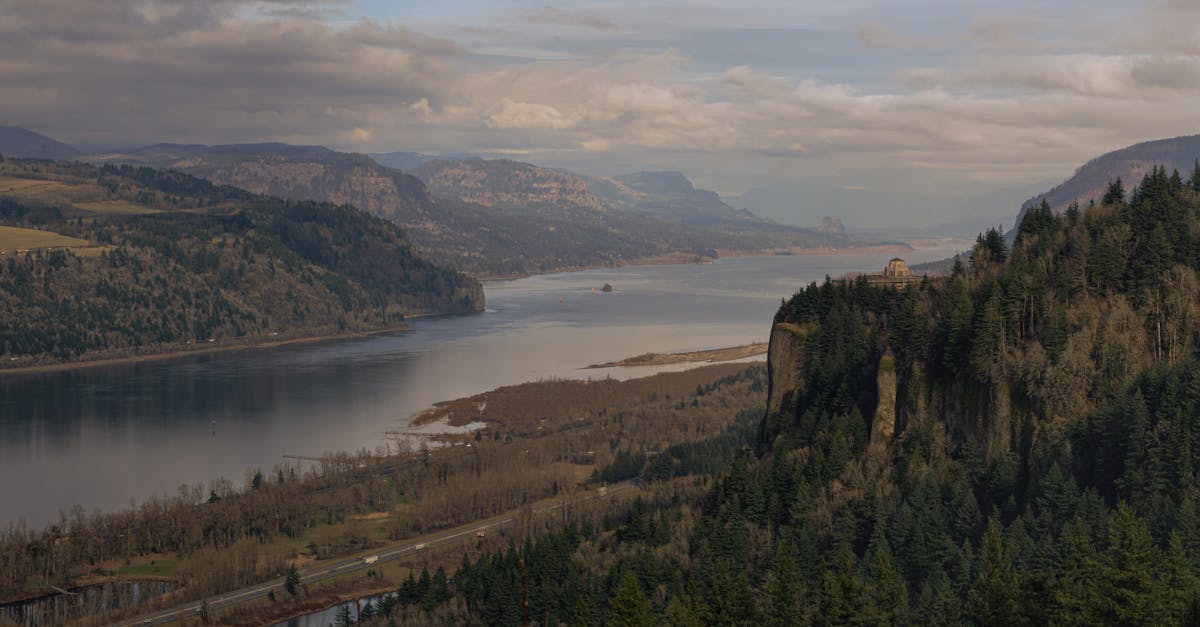
The Klickitat River is a hidden gem of the Columbia River Gorge, a wild and scenic river that flows through a remote basalt canyon to join the Columbia near the town of Lyle. Known primarily as one of Washington's finest summer steelhead rivers, the Klickitat also offers quality trout fishing in its upper reaches and a wilderness experience that feels far removed from civilization.
Klickitat River Fishing Report & Current Conditions
The Klickitat River is a freestone fishery, and it fishes best in summer and fall. Live USGS streamflow readings update throughout the day, while the monthly median flows below map the river's typical discharge across the year. Together they show current fishability and how today's water compares to the seasonal norm.
Current Conditions
Typical Monthly Flows
Historical median discharge (CFS) by month: Klickitat River
Overview
The Klickitat River carves a dramatic course through the eastern foothills of the Cascades, flowing roughly 96 miles from its headwaters on the slopes of Mount Adams to its confluence with the Columbia River at Lyle, Washington. The river is designated as a National Wild and Scenic River for much of its length, and this protection has preserved a remarkably wild and undeveloped corridor through the dry, canyon country of south-central Washington.
For fly fishers, the Klickitat is best known for its summer steelhead run. These chrome-bright fish enter the Columbia from the ocean and push up the Klickitat from late May through November, with the peak of the run occurring in September and October. The Klickitat's summer steelhead are powerful, acrobatic fish that average 6-10 pounds, with occasional specimens exceeding 15 pounds. The river's canyon setting, with towering basalt walls, scattered ponderosa pines, and golden grass hillsides, provides a spectacular backdrop for the pursuit.
The lower 18 miles of the Klickitat, from the Columbia River confluence at Lyle upstream through the town of Klickitat to the gorge section, offer the most accessible fishing. Highway 142 parallels this stretch, providing roadside pullouts and WDFW access sites. Above the gorge, the river becomes increasingly remote, accessed only by foot trails and rough roads through the Klickitat Wildlife Area managed by WDFW.
Resident rainbow trout and mountain whitefish inhabit the upper Klickitat above the gorge, providing a secondary fishery during summer months. The upper river flows through meadows and forested sections with a character quite different from the arid canyon below: cooler water temperatures, smaller stream size, and more intimate fishing.
The Klickitat's most dangerous feature is the Lyle Falls and gorge section near the river's mouth. This narrow, Class V+ canyon is deadly to boaters and swimmers. All river users must be aware of the mandatory take-out above the gorge. The WDFW fish trap and research facility at Lyle Falls monitors steelhead and salmon returns and is worth a visit to observe fish negotiating the fishway.
Water Characteristics
The Klickitat is a high-desert freestone river fed by snowmelt from Mount Adams and the eastern Cascades. The river's volcanic geology gives the water a distinctive character: slightly tannic with moderate clarity (2-5 feet of visibility during summer), flowing over a bed of dark basalt cobble and volcanic rock. During spring runoff, glacial melt from Mount Adams turns the river milky and high, limiting visibility to inches. By midsummer, the river typically clears to fishable conditions, with clarity improving through fall as glacial influence diminishes and spring-fed baseflow predominates.
Water temperatures are a critical factor on the Klickitat. The river's arid canyon setting and relatively shallow depth mean temperatures can climb into the mid-60s during August heat waves, stressful for steelhead and resident trout. Cool nights in the canyon help moderate temperatures, and several cold springs and tributary inputs create thermal refugia where fish concentrate during warm spells. Monitoring the USGS gauge at Pitt (14113000) for both flow and temperature data is essential for planning trips.
The Klickitat's water chemistry reflects its volcanic watershed: moderately alkaline with mineral content that supports healthy insect populations. Caddisflies dominate the insect community, with golden stoneflies, October Caddis, and various mayflies present throughout the season. The river's lower reach near the Columbia River confluence is influenced by Columbia River backwater during high dam releases, which can affect water clarity and fishing conditions in the lowermost mile or two.
Wading & Float Guide
The Klickitat is a wadeable steelhead river, and wading anglers account for much of the fishing effort. The lower 18 miles accessible from Highway 142 feature a bottom of volcanic basalt cobble and rounded river rock, with scattered larger boulders creating pocket water and holding lies. At typical summer flows (300-800 cfs at the Pitt gauge), most riffles and runs are wadeable to waist depth, though the river's dark basalt bottom and slightly tannic water make depth perception challenging. Felt-soled boots with studs are the preferred footwear; the basalt is notoriously slippery.
The classic steelhead fishing technique on the Klickitat is wading into position at the head of a run and swinging flies downstream through the holding water. The runs are well-defined: riffle transitions into deeper slots with moderate current, then tailing out into the next riffle. A wading staff is highly recommended, especially during higher flows in early season when snowmelt supplements the base flow.
Above the gorge section, the upper Klickitat is narrower (20-40 feet wide) with a steeper gradient and more pocket water character. Wading is easier in terms of depth but requires navigating around larger boulders and through faster pocket water. The upper river provides a more intimate wading experience, targeting resident trout rather than steelhead. The gorge section itself, the narrow canyon above Lyle Falls, is absolutely not wadeable and is dangerous. Never attempt to wade or fish in the Lyle Falls gorge area.
Pitt to Lyle (Lower Canyon)
The primary float section through the lower Klickitat canyon. Basalt-walled canyon with excellent steelhead holding water: deep runs, boulder gardens, and gravel tailouts. Multiple WDFW pullouts for wading. CRITICAL: You must take out above the Klickitat Gorge and Lyle Falls. The gorge is a Class V+ death trap. Carry maps and know the take-out location. Small rafts and pontoon boats are appropriate; the river is too small and rocky for standard drift boats.
Upper Access to Pitt (Mid-River)
Upper river float through a mix of canyon and meadow water. Good steelhead holding water in the deeper pools and runs. Logjams and sweepers are common hazards; scout unfamiliar sections. Smaller, more intimate character than the lower canyon. Less floated and less pressured. Best in late summer and fall when flows are moderate.
Rod & Tackle Guide
Lower Klickitat (Steelhead, Swinging)
- Rod
- 11' to 12'6" 7-weight switch or spey rod
- Line
- Skagit or Scandi head (350-450 grain) with floating or intermediate tip
- Leader & Tippet
- 6'-8' tapered to 8-10 lb, or straight 10 lb fluorocarbon
The Klickitat is a perfect switch rod river, narrow enough that a full spey rod can be overpowered, but deep enough that a switch rod's extra length helps mend and control the swing. A 7-weight switch rod in 11'-11'6" handles the river beautifully. Lighter Skagit heads and floating tips are ideal during the warm-water summer months when steelhead are active near the surface.
Lower Klickitat (Steelhead, Nymphing)
- Rod
- 10' to 11' 7-weight
- Line
- Weight-forward floating or euro nymph line
- Leader & Tippet
- Long mono leader for indicator nymphing, or euro nymph leader system
When summer temperatures push steelhead deep, nymphing with egg patterns, stonefly nymphs, and Glo Bugs (#8-12) under an indicator can be more effective than swinging. A longer single-hand or switch rod provides better mending and drift control. Euro nymphing techniques are increasingly effective for Klickitat steelhead in the deeper, slower pools.
Upper Klickitat (Trout)
- Rod
- 9' 5-weight
- Line
- Weight-forward floating
- Leader & Tippet
- 9' tapered to 4X-5X
A standard trout rod for the upper river's resident rainbow population. The 5-weight handles caddis and stonefly dries, hopper-dropper rigs, and small streamers. The upper Klickitat is more intimate water; cast accuracy matters more than distance.
Best Time to Fish the Klickitat River
Spring
Spring on the Klickitat is the transition between winter low flows and the approaching summer steelhead season. Runoff from Mount Adams snowmelt pushes the river high and milky from April through June. Fishing is generally poor during peak runoff, but as flows recede in late May and early June, the first summer steelhead begin arriving. Early-season steelhead are bright and aggressive; swing classic wet flies and intruder patterns through the lower canyon runs. Resident trout fishing in the upper river improves as flows stabilize, with caddis and stonefly hatches providing dry-fly opportunities.
Summer
Late June through August brings increasingly consistent steelhead fishing as more fish push into the river from the Columbia. The key to summer steelhead is fishing the cooler parts of the day: early morning (first light to 10 AM) and evening (5 PM to dark) when water temperatures are lowest. During midday heat, steelhead become inactive and seek the deepest, coolest holding water. Swing traditional steelhead flies (Skunks, Green Butts, Purple Perils, and Intruders in sizes 4-8) on floating or intermediate-tip lines through the classic runs. Trout fishing in the upper river is productive all summer with caddis, PMDs, and terrestrial patterns.
Fall
September and October are the peak months for Klickitat steelhead. The run is at its strongest, water temperatures have moderated from summer heat, and fish are aggressive. This is the time for classic steelhead presentation: swing flies through every run with confidence, covering water methodically. Blue, purple, and black patterns are traditional favorites in the fall. Cooler air temperatures allow productive fishing throughout the day rather than just morning and evening. October also brings fall chinook salmon into the river, adding excitement (check regulations for salmon fishing). The canyon's autumn colors, golden cottonwoods against basalt walls, are stunning.
Winter
The Klickitat steelhead season typically closes November 30, and winter fishing opportunities are limited. The river runs low and cold, with occasional ice formation in the canyon. Some anglers target mountain whitefish in the accessible lower sections during winter, using small nymphs and midge patterns. The upper river above the gorge is largely inaccessible in winter due to road conditions and snow. Use the off-season to tie steelhead patterns and plan for the coming year's run. Monitor WDFW pre-season forecasts for steelhead return projections.
Fishing Pressure & Local Tips
The Klickitat receives moderate steelhead fishing pressure during the September-October peak, concentrated on the lower 18 miles accessible from Highway 142. The river's relative obscurity compared to Washington's Puget Sound steelhead rivers (the Skagit, Sauk, and Skykomish) means fewer visiting anglers, though the Klickitat has a loyal following among Columbia Gorge and Portland-area fly fishers. The most popular runs near road access, the pullouts along Highway 142 and the WDFW Turkey Hole access, see the heaviest pressure on fall weekends.
Weekday fishing, even during peak season, offers significantly less competition. Walking upstream or downstream from the road-accessible runs to reach less-visited water is the simplest strategy for avoiding pressure. The upper river above the gorge receives very little fishing pressure due to limited access through the Klickitat Wildlife Area. For the adventurous angler willing to hike or use rough roads, the upper Klickitat offers near-solitude and good fishing for both steelhead and resident trout. Early season fishing (June through August) is much less crowded than the September-October peak.
Local Knowledge
The Klickitat's dark, basalt-bottomed runs create excellent steelhead holding water that is easy to read once you understand the pattern. Look for the transitions: where fast riffle water deepens into runs 3-5 feet deep with moderate, walking-speed current over a cobble and boulder bottom. These transitions are where steelhead rest during their upstream migration. The best runs have a defined "bucket," a deeper slot where the main current compresses between boulders or against the canyon wall. Present your swing through the bucket and the tailout below it, where steelhead position themselves facing into the current.
Water temperature dictates steelhead activity levels on the Klickitat more than on most rivers. Carry a thermometer and check water temperature at the start of each session. Below 50 degrees F, slow your swing and fish deeper with weighted flies on sink-tip lines. Between 50-58 degrees F is the sweet spot; steelhead are active and will move aggressively to a swung fly on a floating line. Above 60 degrees F, concentrate on the deepest, most shaded pools and fish only during the coolest hours.
The Klickitat's proximity to the Columbia Gorge wine country and the towns of Lyle and White Salmon makes it an excellent destination for angler-and-non-angler couples or groups. After a morning of steelhead fishing, the afternoon can be spent exploring the Gorge's wineries, breweries, and hiking trails. The Klickitat's canyon scenery itself, accessible from Highway 142 even for non-anglers, is worth the drive.
Species Present
Steelhead
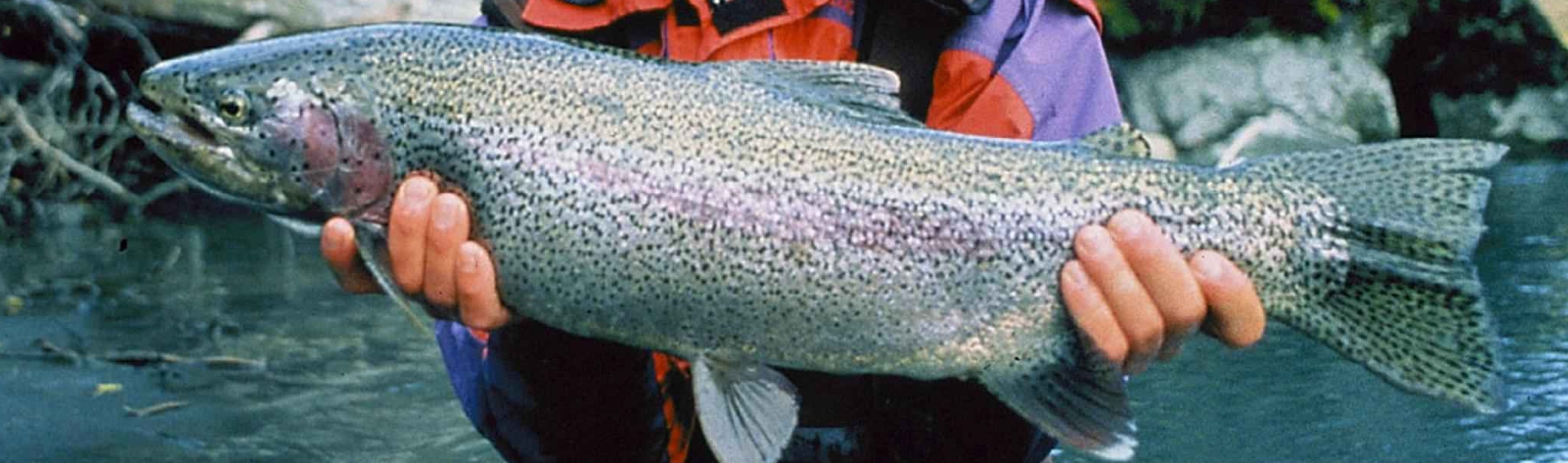
The steelhead is the undisputed monarch of Pacific Northwest fly fishing, a sea-run rainbow trout that combines the power of a salmon with the acrobatics of its resident rainbow cousins, wrapped in a chrome-bright package that can exceed 20 pounds. Genetically identical to rainbow trout (Oncorhynchus mykiss), steelhead are the anadromous form of the species: born in freshwater rivers, they migrate to the Pacific Ocean as juveniles, spend one to three years feeding in the rich saltwater environment, then return to their natal rivers to spawn. This ocean migration transforms a modest stream-resident rainbow into a muscular, silver-sided powerhouse that is widely considered the greatest gamefish available to fly anglers in North America. Steelhead are found in rivers throughout the Pacific Northwest, with Idaho, Oregon, and Washington offering the most celebrated fly-fishing opportunities. Idaho's Clearwater and Salmon rivers host legendary runs of summer steelhead, B-run fish that spend extra time in the ocean and return as massive 10- to 20-pound adults. Oregon's Deschutes River is perhaps the most iconic swing-fishing destination in the world, with summer steelhead providing consistent action from July through November. Washington's Olympic Peninsula rivers, the Skagit system, and tributaries of the Columbia River offer both summer and winter steelhead runs, drawing anglers from around the globe. Swing fishing for steelhead with a spey or switch rod is widely regarded as the pinnacle of fly-fishing pursuits. The technique involves casting a fly across and downstream, then allowing it to swing through the current on a tight line, covering water methodically as the angler steps downstream between each cast. The take of a steelhead on the swing, a sudden, violent pull that can nearly wrench the rod from your hands, is an experience that steelhead anglers describe as addictive beyond reason. The combination of the cast, the swing, the anticipation, the remote and beautiful river settings, and the sheer power of the fish creates a pursuit that many dedicated anglers build their entire fishing lives around.
Rainbow Trout
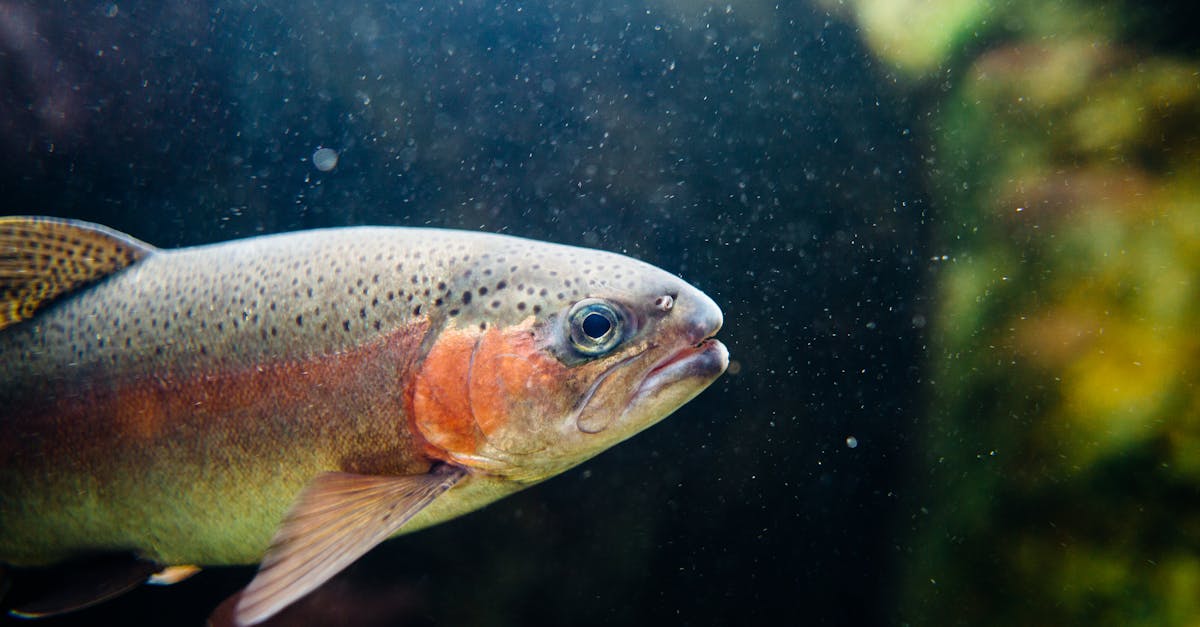
The rainbow trout is Montana's most widespread and popular gamefish, celebrated for its explosive surface strikes, aerial acrobatics, and willingness to take a well-presented dry fly. Native to Pacific Coast drainages from Alaska to Mexico, rainbows were first introduced to Montana's waters in the late 1800s and have since established thriving populations in nearly every major river system in the state. On legendary waters like the Madison, Missouri, and Bighorn, wild rainbow trout grow fat on prolific insect hatches and provide some of the finest dry-fly fishing in North America. Rainbow trout in Montana display remarkable variation depending on their home water. Fish in nutrient-rich tailwaters like the Missouri River below Holter Dam can exceed 20 inches with regularity, their deep bodies and broad tails reflecting the abundant food supply. Freestone river rainbows, such as those in the upper Madison and Gallatin, tend to be leaner and more athletic, shaped by faster currents and colder water temperatures. In many Montana rivers, rainbows spawn in the spring from March through June, and anglers should be mindful of spawning redds during this period to protect future generations of fish. Rainbows are arguably the most versatile trout species for fly anglers. They respond well to dry flies during hatches, aggressively chase streamers, and feed heavily on nymphs subsurface throughout the year. Their fighting ability is legendary: a hooked rainbow will often launch itself completely out of the water multiple times during a battle. Montana's catch-and-release regulations on many blue-ribbon streams have produced exceptional rainbow trout fisheries with high densities of large, healthy fish that continue to draw anglers from around the world.
Mountain Whitefish
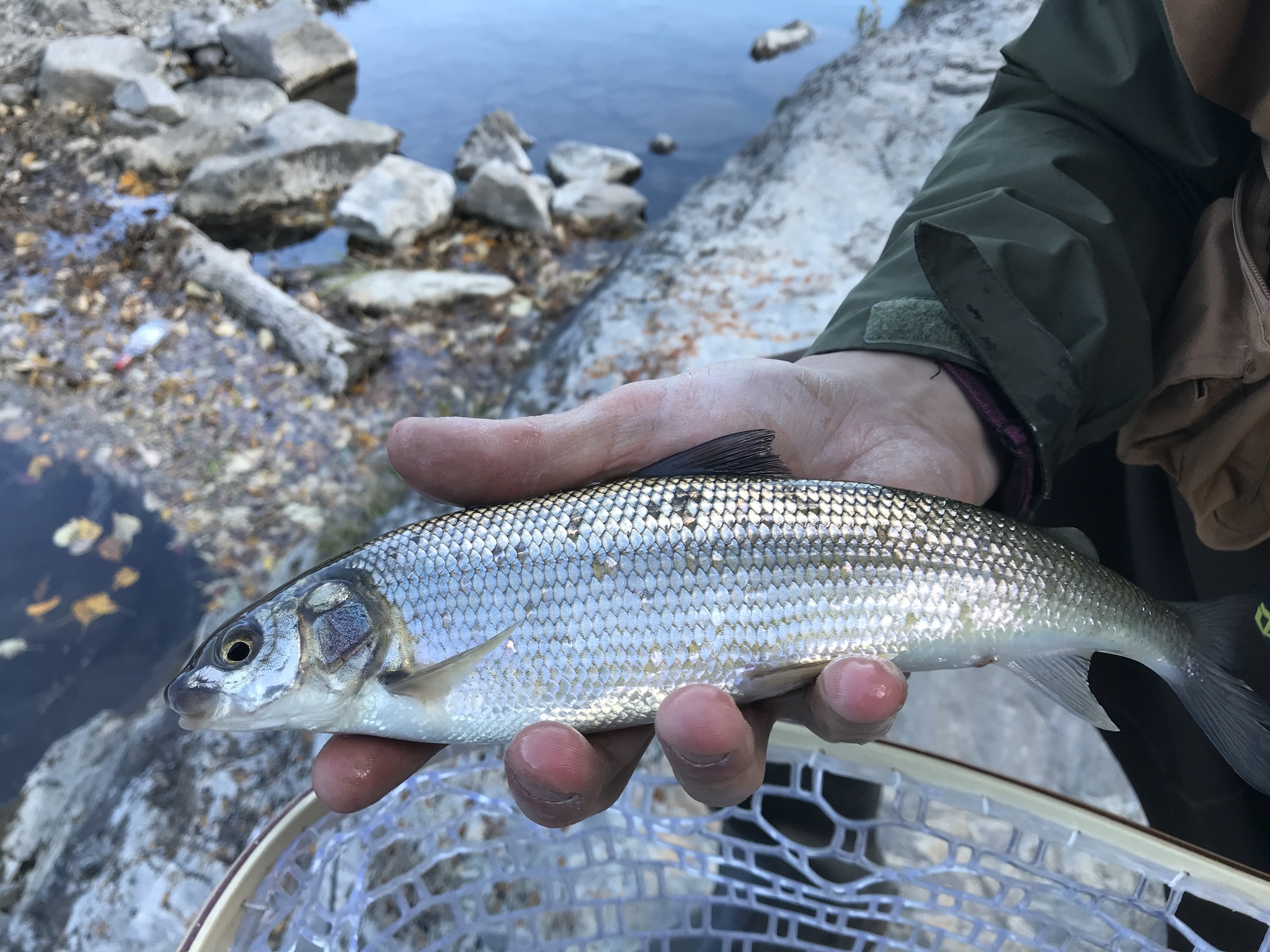
The mountain whitefish is one of Montana's most abundant native salmonids and arguably the most underappreciated gamefish in the state. A member of the whitefish subfamily (Coregoninae) within the broader salmonid family, mountain whitefish are present in virtually every cold-water river and large stream in Montana, often outnumbering trout by significant margins. On rivers like the Madison, Gallatin, Yellowstone, and Bitterroot, whitefish populations can exceed 1,000 fish per mile, making them the dominant salmonid species by biomass in many reaches. Despite this abundance, most fly anglers overlook whitefish entirely or view them as an unwelcome catch, which is unfortunate because they can provide outstanding sport on light tackle. Mountain whitefish are an important ecological component of Montana's river systems. They serve as a primary food source for larger brown trout, bald eagles, ospreys, otters, and other predators. Their fall spawning behavior (typically October through December) plays a critical role in nutrient cycling, and their eggs provide food for other fish and aquatic invertebrates during the lean winter months. In recent years, whitefish populations have been used as indicator species for overall river health, and declines in whitefish numbers on some Montana rivers have raised concerns about changing water conditions and disease pressure. For anglers willing to target them intentionally, mountain whitefish offer several advantages. They feed actively throughout the winter months when trout fishing can be slow, they are abundant and widely distributed, and they fight with surprising strength for their size; a 16-inch whitefish on a 3- or 4-weight rod provides a memorable tussle. Whitefish are also excellent table fare, with firm, mild-flavored white flesh that is delicious smoked or fried. Montana regulations typically allow a generous harvest limit for whitefish, recognizing their abundance and the role that harvest can play in managing populations on some waters.
Klickitat River Hatch Chart
| Insect | Suggested Fly | Jan | Feb | Mar | Apr | May | Jun | Jul | Aug | Sep | Oct | Nov | Dec |
|---|---|---|---|---|---|---|---|---|---|---|---|---|---|
Summer Steelhead Flies morning | Woolly Bugger | ||||||||||||
Golden Stonefly all day | Stimulator | ||||||||||||
Caddisflies (various) evening | Elk Hair Caddis | ||||||||||||
Pale Morning Dun morning | PMD Comparadun | ||||||||||||
October Caddis afternoon | X-Caddis | ||||||||||||
Blue-Winged Olive (Baetis) afternoon | BWO Emerger |
Summer Steelhead Flies: Not a hatch; swing classic steelhead patterns. Peak season September-October.
Golden Stonefly: Good stonefly activity in the upper river. Size 6-10.
Caddisflies (various): Evening caddis hatches in the canyon. Size 14-16.
Pale Morning Dun: PMD hatches in the upper river trout sections. Size 14-18.
October Caddis: Large orange caddis in the canyon. Size 8-10. Also attracts steelhead.
Blue-Winged Olive (Baetis): Fall Baetis in the upper river. Size 18-20.
Recommended Flies
Woolly Bugger
Top PickClassic steelhead streamer, swing through canyon runs
Best in fall
Sex Dungeon
Top PickArticulated streamer for aggressive fall steelhead
Best in fall
Zuddler
Top PickZuddler/Intruder style pattern for steelhead swinging
Best in fall
Stimulator
Top PickStimulator for upper river trout and stonefly imitation
Best in summer
Elk Hair Caddis
Top PickCaddis dry for upper river evening hatches
Best in summer
Pat's Rubber Legs
Top PickStonefly nymph for trout and steelhead
Best in summer
Curated Fly Boxes
Klickitat Summer Steelhead Box
Summer/FallThe Klickitat's summer-run steelhead are aggressive and willing to eat a swung fly. These patterns cover both classic and modern approaches to the canyon's chrome fish.
Access Points & Boat Launches
Lyle Access (WDFW)
Wade AccessEasyLowermost access point near the Klickitat's confluence with the Columbia River at the town of Lyle. The access provides bank fishing opportunities in the lower canyon runs where steelhead stage before continuing upstream. IMPORTANT: Do not wade or boat below this point; the Lyle Falls gorge downstream is extremely dangerous and has claimed lives.
Turkey Hole (WDFW Camp)
Wade AccessEasyWDFW fee campsite and river access along Highway 142, providing walk-in fishing to several productive steelhead runs in the mid-canyon. Turkey Hole is named for the deep pool that holds steelhead throughout the season. The campground makes a good base for multi-day steelhead fishing trips on the Klickitat.
Pitt Bridge Access
Boat LaunchModerateBridge crossing with gravel boat launch near the upstream limit of Highway 142 river access. The launch handles small rafts and pontoon boats for the float to Lyle. Also provides wade access to productive runs above and below the bridge. This marks the approximate upstream boundary of the easily accessible lower river canyon.
Regulations
Regulations
Steelhead: Check current WDFW regulations; summer steelhead season typically opens June 1 and runs through November 30 between the mouth and the posted WDFW markers. Barbless hooks required. Wild steelhead must be released; hatchery steelhead (adipose fin-clipped) may be retained, limit varies by year. Trout: Selective gear regulations in upper river, catch-and-release for wild trout. Night closure in effect. The Klickitat flows through the Yakama Nation reservation in its upper reaches; tribal fishing regulations may apply above certain markers. Always check current WDFW regulations at wdfw.wa.gov and respect all tribal boundary markers.
Always verify current regulations with Washington Dept. of Fish and Wildlife before fishing.
Some links may earn a commission. Learn more
Quick Facts
- Region
- South Central Washington, Klickitat County
- Water Type
- Freestone
- River Length
- 96 miles total (~18 miles of accessible lower river from Lyle to the gorge; additional upper river fishing above the gorge)
- Difficulty
- Intermediate-Advanced
- Best Seasons
- summer, fall
- Trout Per Mile
- 400-800 (resident rainbow trout in upper sections; steelhead runs vary annually, typically 1,500-4,000 fish per season)
- Record Trout
- Wild summer steelhead to 18 lbs documented; resident rainbow trout to 18" in upper river
- Species
- Steelhead, Rainbow Trout, Mountain Whitefish
- USGS Gauge
- 14113000
Local Shops & Guides
Ellensburg Angler
Ellensburg, WA
Ellensburg Angler is an Orvis-endorsed fly fishing outfitter located on North Main Street in Ellensburg, Washington, recognized as Orvis's 2016 Outfitter of the Year. The shop and guide service have been cornerstones of the Yakima Valley fly fishing community for decades, providing expert knowledge, quality gear, and professional guide trips on the Yakima River and surrounding waters. The shop carries a thoughtfully curated selection of flies, rods, reels, waders, and accessories, with a particular emphasis on patterns and gear suited to Yakima River fishing. Ellensburg Angler is especially known for their expertise on the Yakima's prolific hatches, which include outstanding PMD, caddis, and October caddis emergences that provide some of the best dry fly fishing in the Northwest. Their staff provides detailed, honest advice based on current conditions, and their fishing reports are a valuable planning resource. Ellensburg Angler's Orvis-endorsed guide service features experienced professionals who specialize in the Yakima River and Columbia Basin spring creeks including Rocky Ford Creek. Their guides offer float and wade trips tailored to all skill levels, from beginners experiencing their first day with a fly rod to accomplished anglers looking to refine their technique on the Yakima's selective wild rainbows. The 2016 Orvis Outfitter of the Year recognition reflects the shop's commitment to quality, conservation, and customer service.
(509) 925-3886
Worley Bugger Fly Co.
Ellensburg, WA
Worley Bugger Fly Co. is a full-service fly shop and guide service located on South Main Street in Ellensburg, Washington, serving the Yakima Valley fly fishing community since 1995. The shop has grown into one of the most recognized fly fishing retailers in the Pacific Northwest, known for their extensive online fly selection, quality guide service, and detailed Yakima River fishing reports. The shop carries a comprehensive inventory of flies, rods, reels, waders, and accessories, but it's their fly selection that truly sets them apart. Worley Bugger maintains one of the largest online fly catalogs in the Northwest, making their flies accessible to anglers across the country. In-store, the selection is equally impressive, with thousands of patterns covering every major hatch on the Yakima River and surrounding waters. Their fishing reports provide detailed, regularly updated information on Yakima River conditions, hatches, and productive patterns. Worley Bugger's guide service offers professional float and wade trips on the Yakima River and Rocky Ford Creek. Their guides are year-round professionals who know the Yakima's seasonal patterns intimately, from the blue-winged olive hatches of early spring through the legendary October caddis fishing in autumn. The shop has built a loyal following through consistent quality, competitive pricing, and a genuine enthusiasm for the sport that comes through in every interaction.
(888) 950-3474
Where to Stay
Lyle
A tiny Columbia River Gorge community near the mouth of the Klickitat. The closest lodging to the lower canyon steelhead water with stunning Gorge scenery.
Lyle is the closest town to the Klickitat's prime steelhead water. Very limited lodging, so book well in advance during the summer steelhead run (July-October). Vacation rentals are your best bet.
The Dalles
A larger town across the Columbia in Oregon with full amenities: hotels, restaurants, and supplies. About 20 minutes from the Klickitat River access points.
The Dalles has the most lodging options near the Klickitat. Chain hotels and restaurants make it an easy base. Cross the Columbia River bridge and you're at the Klickitat in 20 minutes.