Dublin Lake
Dublin Lake is a strikingly deep 236-acre lake in New Hampshire's Monadnock region, plunging to 100 feet with a mean depth of 64 feet. Managed as a Designated Trout Pond stocked with brook trout over a rainbow smelt forage base, it is one of only two historic homes of the extinct silver trout.
Overview
Dublin Lake sits high in the Monadnock region of southwestern New Hampshire, 236 acres of remarkably clear water at 1,480 feet of elevation in the town of Dublin, Cheshire County. On a map it looks like an ordinary mid-sized pond; on the depth chart it is anything but. The bottom falls away to 100 feet, and the mean depth is a startling 64 feet, a ratio of average to maximum depth almost unheard of in a lake this size. Dublin is less a bowl than a flooded well, an oligotrophic coldwater basin with narrow shoreline shelves that drop quickly into deep, cold, oxygen-rich water.
That depth is the reason Dublin Lake owns a peculiar place in American fisheries history. It was one of only two lakes ever known to hold the silver trout, a native char now extinct, and the same cold, clear conditions that once supported that lost fish make Dublin excellent brook trout habitat today. New Hampshire Fish and Game manages it as a Designated Trout Pond, stocking brook trout that grow well on a forage base that includes rainbow smelt, a rarity in a trout pond of this size and a key reason Dublin's brookies can run larger than the put-and-take average.
The fly angler's season here follows the temperature. At ice-out and through spring, brook trout cruise the thin shoreline shelves and the few shallow flats, and this is the window for smelt-imitating streamers stripped on intermediate lines, along with the season's first midge fishing. As the surface warms, the fish slide down to the thermocline, and summer success belongs to anglers willing to anchor and fish chironomid pupae deep under an indicator over the drop-offs. Fall cooling brings the brookies, now in spawning colors, back within easy reach of a floating line.
Dublin carries a warmwater supporting cast, with smallmouth and largemouth bass working the limited rocky and weedy margins, and the smallmouth in particular offer fine sport on streamers and poppers in early summer while the trout are deep. But this is fundamentally a coldwater lake, and it fishes like one.
Access is modest, which is part of the charm. A shallow gravel ramp with a tight turnaround and parking for only a handful of vehicles keeps the big-boat crowd away, and a speed restriction keeps the water quiet. Dublin is canoe, kayak, and float-tube water: a low-pressure, deep, clear trout pond in the shadow of Mount Monadnock that punches far above its size.
Depth & Character
- Surface Area
- 236acres
- Max Depth
- 100ft
- Mean Depth
- 64ft
- Elevation
- 1,480ft
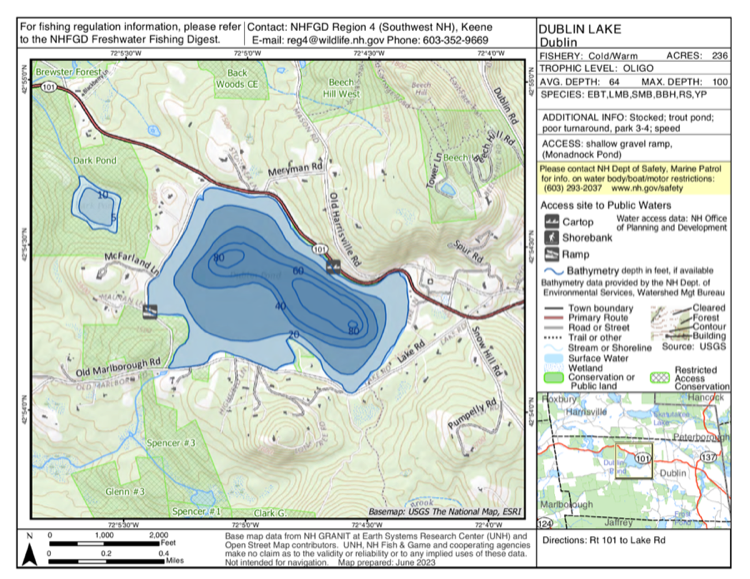
Bathymetric depth chart — click to open the full PDF. Source: Vermont DEC.
Source: Vermont DEC
Water Characteristics
Dublin Lake is a deep, clear, oligotrophic basin, and its defining feature is how fast it gets deep. With a mean depth of 64 feet against a maximum of 100, the depth chart shows tight contour lines nearly everywhere: narrow shoreline shelves give way almost immediately to steep walls falling into a broad, deep central basin. There is comparatively little shallow littoral zone, so the weedbeds, rocky margins, and insect habitat that do exist are concentrated in a thin band around the rim, and finding them matters.
The lake stratifies strongly in summer, with a well-defined thermocline separating warm surface water from the cold depths where the brook trout spend July and August. Water clarity is high, typical of a nutrient-poor lake at this elevation, which makes for spooky fish on calm days but also makes sight-fishing the shallow margins possible in spring and fall.
The forage base sets Dublin apart from most small New Hampshire trout ponds: rainbow smelt share the water with the usual chironomid populations, leeches, and the dragonflies and damselflies of the shoreline band. Yellow perch and brown bullhead round out the community, with smallmouth and largemouth bass patrolling the rocky and weedy edges.
Stocking
| Species | Size | Number | Program |
|---|---|---|---|
| Brook Trout | Varies by year | Stocked annually; counts in NHFG stocking report | NHFG Designated Trout Pond stocking |
Seasonal Fishing Guide
Spring
The fourth-Saturday-in-April opener lands right in the prime window. Freshly stocked and holdover brook trout cruise the shoreline shelves in cold, clear water. Cast smelt streamers and small Woolly Buggers on an intermediate line parallel to the drop-offs, and fish midge pupae on the shallow flats on calm mornings. This is the easiest fishing of the year and the best time to sight-fish the margins.
Summer
Strong stratification pushes brook trout down to the thermocline by late June. Anchor over the break in 15 to 30 feet and fish chironomid pupae deep under an indicator, or count down a leech on a sinking line along the walls. Early and late, midge clusters on flat water bring fish up for a Griffith's Gnat. Smallmouth bass on the rocky margins keep the middle of the day interesting with buggers and damselfly nymphs.
Fall
September cooling breaks down the thermocline and brings brook trout, now coloring up for the spawn, back onto the shelves and shallows. Streamer fishing along the shoreline break improves through the fall, and aggressive pre-spawn brookies chase smelt patterns and buggers well. Confirm Dublin's trout pond closing date in the current Digest before planning a late trip.
Winter
Designated Trout Pond seasons close in the fall and the lake sits quiet through winter; check the current NH Freshwater Fishing Digest for exact dates and any winter provisions before visiting. Use the off-season to study the depth chart, because on a lake this steep, knowing where the shelf breaks are is most of the game.
Access & Boats
Public access is a shallow gravel ramp suited to canoes, kayaks, and small trailered boats, with a notably poor turnaround and parking for only about three to four vehicles, so arrive early on spring weekends. A speed restriction applies on the lake, which keeps conditions calm for small craft. Route 101 runs close along the shoreline, offering roadside vantage, but the small launch is the practical starting point; a float tube or kayak is the ideal way to fish the drop-offs that begin almost within casting distance of shore.
Motor Restrictions
Speed restriction on the lake (noted on the NHFG depth chart); shallow gravel ramp best suited to small boats and paddle craft.
Fishing Pressure & Local Tips
Light. Dublin Lake flies under the radar even within the Monadnock region, overshadowed by larger nearby waters, and the tiny launch with parking for a few vehicles naturally caps effort. The speed restriction and lack of developed facilities keep recreational boat traffic modest as well. Anglers who make the trip, especially on weekday mornings in May or October, can reasonably expect to have this deep, clear trout pond nearly to themselves.
Local Knowledge
Fish the edges of the drop, not the middle. With a 64-foot mean depth, most of Dublin Lake is beyond practical fly range most of the time; the productive water is the narrow shelf and the first break where it plunges. In spring and fall, work streamers and buggers parallel to shore along that break line from a kayak or float tube. Smelt are in the lake, so carry a Grey Ghost or similar slim baitfish pattern and fish it with a fast, confident strip, especially early in the season when trout are hunting the shallows.
In summer, commit to the chironomid game. Anchor over 15 to 30 feet near the top of the thermocline, hang a chironomid pupa or zebra midge under an indicator within a few feet of the depth the fish are holding, and be patient; deep, clear ponds like this reward long soaks over constant relocation. Flat-calm evenings bring midge clusters to the surface, and a Griffith's Gnat on a long, fine leader will take cruising brookies when nothing else moves.
Do not ignore the bass. In June, while the trout begin sliding deep, smallmouth on the rocky margins take Woolly Buggers and damselfly nymphs readily and save many a slow trout day. And bring polarized glasses: the clarity that makes Dublin's fish wary also lets you spot cruisers along the shelves in spring and fall.
Species Present
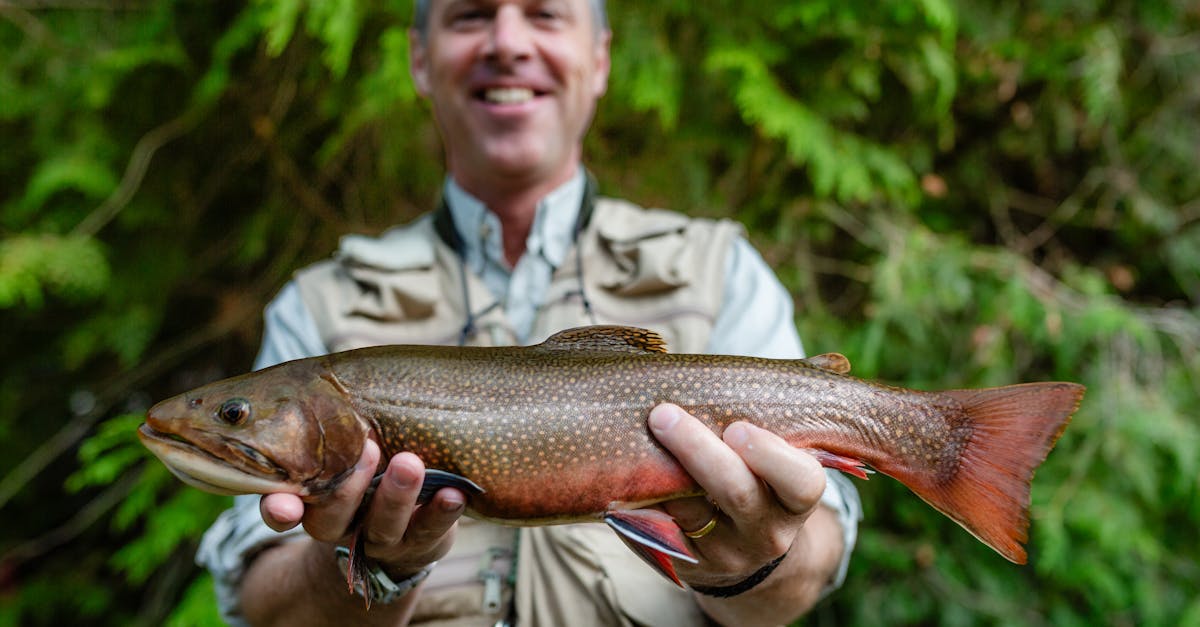
Brook Trout
The brook trout is widely considered the most beautiful freshwater fish in North America, and catching one in a pristine Montana mountain stream is an experience that captures the essence of backcountry fly fishing. Despite their common name, brook trout are not true trout at all; they are a species of char (genus Salvelinus), more closely related to lake trout and Arctic char than to rainbows or browns. Native to eastern North America from Georgia to Hudson Bay, brook trout were among the first salmonids introduced to Montana's waters in the late 1800s and have since established self-sustaining populations in cold, high-elevation streams and lakes throughout the state. In Montana, brook trout thrive best in small, cold headwater streams and high mountain lakes where competition from larger trout species is minimal. In these environments, they are often the dominant, or only, salmonid present. The trade-off is size: Montana stream-dwelling brook trout typically range from 6 to 10 inches, with fish over 12 inches considered noteworthy in most waters. What they lack in size, however, they more than make up for in beauty and willingness to eat a fly. Brookies are aggressive feeders that will strike attractor dry flies, nymphs, and small streamers with enthusiasm, making them an ideal species for beginning fly anglers and a delightful quarry for anyone who appreciates small-stream fishing. Brook trout do present a conservation paradox in Montana. While they are a beloved and beautiful gamefish, they are non-native and can negatively impact native species, particularly Yellowstone and westslope cutthroat trout. In headwater streams, brook trout often outcompete cutthroats for food and spawning habitat due to their higher reproductive rate and earlier maturation. As a result, Montana FWP has implemented brook trout removal projects on some streams to restore native cutthroat populations. In many waters, liberal harvest limits for brook trout are encouraged to reduce their numbers and benefit native fish. Anglers can enjoy excellent brook trout fishing while actively helping conservation by keeping a few for the pan.
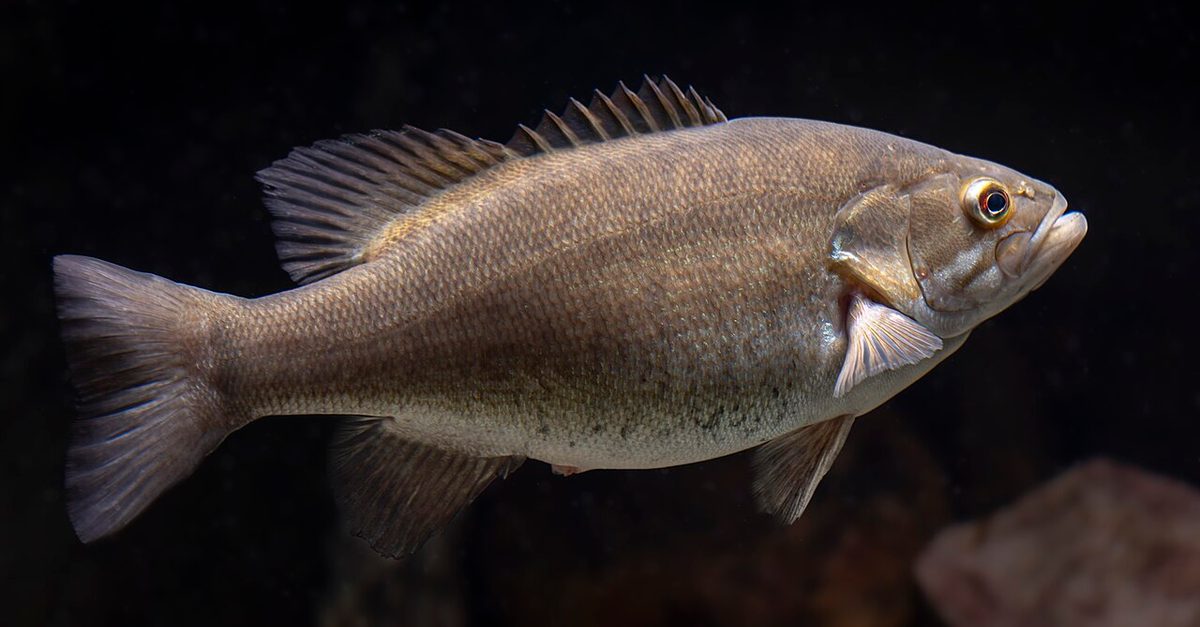
Smallmouth Bass
The smallmouth bass is one of the most popular and widely distributed gamefish in North America and one of the finest freshwater species available to fly anglers. Found in clear, cool rivers and lakes from the Great Lakes to the Southern Appalachians, smallmouth bass combine aggressive feeding behavior, remarkable fighting ability, and a preference for the kinds of rocky, current-rich habitats that are ideally suited to fly fishing. Pound for pound, the smallmouth bass is widely considered the hardest-fighting freshwater fish in North America, earning it the nickname 'the bronze bomber' for its explosive takes and powerful, acrobatic battles on the end of a line. While smallmouth bass are not a traditional trout-stream species, they have become increasingly important to fly anglers as warm-water fly fishing has grown in popularity. Rivers like the French Broad in North Carolina, the Susquehanna and Delaware in Pennsylvania, and the St. Lawrence in New York support world-class smallmouth fisheries that attract dedicated fly anglers. In many regions, smallmouth bass inhabit the lower reaches of the same river systems that hold trout in their upper reaches, providing fly anglers with a warm-water counterpart to their cold-water fishing. Smallmouth bass are particularly appealing to fly anglers because they readily take surface flies. On warm summer evenings, smallmouth will crush poppers, sliders, and large dry flies with explosive strikes that rival any trout rise. Their willingness to feed on the surface, combined with their strength and acrobatic leaping ability, makes smallmouth bass on a fly rod one of the most thrilling freshwater fly fishing experiences available.
Food Sources & Hatches
| Insect | Suggested Fly | Jan | Feb | Mar | Apr | May | Jun | Jul | Aug | Sep | Oct | Nov | Dec |
|---|---|---|---|---|---|---|---|---|---|---|---|---|---|
Chironomids (midges) Morning and evening | Chironomid (Bomber) | ||||||||||||
Midge clusters (adult) Evening | Griffith's Gnat | ||||||||||||
Rainbow smelt Early morning and dusk | Grey Ghost | ||||||||||||
Callibaetis and small mayflies Late morning through afternoon | Sparkle Dun | ||||||||||||
Damselflies Late morning to afternoon | Damselfly Nymph | ||||||||||||
Dragonflies All day | Dragonfly Nymph | ||||||||||||
Leeches All day; best in low light | Woolly Bugger |
Chironomids (midges): The staple food source in this deep, oligotrophic lake. Fish pupae deep under an indicator over the 15-30 foot contours in summer; emergences are strongest on calm mornings.
Midge clusters (adult): Flat-calm evenings bring clustered adult midges to the surface, and cruising brook trout sip them along the shelf edges. A Griffith's Gnat on a long, fine leader is the answer.
Rainbow smelt: Dublin holds a smelt forage base unusual for a trout pond its size. Slim baitfish streamers like the Grey Ghost stripped along the shoreline break take the largest brook trout of the year at ice-out.
Callibaetis and small mayflies: Limited by Dublin's narrow littoral band but present over the shelf on warm, settled days. A size 14-16 Sparkle Dun or Parachute Adams covers duns and emergers; cast to individual cruisers rather than blind-fishing the shallows.
Damselflies: Nymphs migrate toward the limited weedy and rocky margins in early summer. Both smallmouth and shallow-cruising trout intercept a slowly retrieved damsel nymph along the rim of the lake.
Dragonflies: Dragonfly nymphs prowl the narrow littoral band. A twitched nymph along the bottom near the shelf break is a good searching pattern when nothing shows on top.
Leeches: Available year-round and the most dependable searching bite on the lake. Count a bugger or leech down along the steep walls and retrieve with slow strips and pauses.
Recommended Flies
Chironomid (Bomber)
Top PickThe core summer technique on this deep, stratified pond: hang a Chironomid Bomber under an indicator over 15-30 feet near the thermocline and wait out the deep-holding brookies.
Best in Late spring through summer
Zebra Midge
Top PickA Zebra Midge trails well behind a larger chironomid or fishes alone on the shallow flats in spring; sizes 16-20 cover Dublin's midge base.
Best in Spring through fall
Grey Ghost
Top PickWith rainbow smelt in the forage base, a Grey Ghost stripped fast along the shoreline break is the best big-brookie fly on the lake, especially right after the late-April opener.
Best in Ice-out through early June; again in fall
Woolly Bugger
Top PickThe everyday searching pattern. Olive and black Woolly Buggers counted down along the steep drop-offs take brook trout in the cold months and smallmouth off the rocky margins in summer.
Best in All season
Also Effective
Access Points & Boat Launches
Dublin Lake Gravel Ramp
Boat LaunchModerateShallow gravel ramp providing the lake's public access, best suited to canoes, kayaks, float tubes, and small boats. The turnaround is tight and parking is limited to roughly three or four vehicles, so early arrival is wise in spring. A speed restriction applies on the water.
Route 101 Shoreline
Wade AccessEasyRoute 101 passes close along the lake, and the shoreline near the road offers spots to cast from the bank in spring and fall when brook trout cruise the shelves. The bottom drops off quickly, so wading is limited; treat this as bank-casting water and use pulloffs carefully along the highway.
Ramp-Area Shoreline Casting
Wade AccessEasy to ModerateThe bank immediately around the gravel ramp gives a shore angler a workable piece of the shallow shelf. It fishes well at the late-April opener and again in October, when brook trout hold in the margins; by midsummer the fish are below the thermocline and out of reach from shore. The shelf is narrow and the bottom steepens fast, so this is bank-casting rather than wading water.
Regulations
Regulations
Dublin Lake is managed by New Hampshire Fish and Game as a Designated Trout Pond. Trout pond waters open on the fourth Saturday in April, with closing dates and daily limits that vary by water, so consult the current NH Freshwater Fishing Digest for Dublin's specific season and creel rules. A speed restriction applies on the lake. A New Hampshire fishing license is required. Always verify current regulations with NH Fish and Game before fishing.
Always verify current regulations with Montana Fish, Wildlife & Parks before fishing.
Quick Facts
- Surface Area
- 236 acres
- Max Depth
- 100 ft
- Elevation
- 1,480 ft
- Lake Type
- Natural Lake
- Region
- Monadnock Region / Cheshire County
- Best Seasons
- spring, fall
- Species
- Brook Trout, Smallmouth Bass
- Difficulty
- Beginner to Intermediate
- Record Fish
- Dublin Lake's most notable fish is a ghost: it was one of only two lakes in the world known to hold the silver trout, a native char declared extinct in the twentieth century, a legacy of the same deep, cold water that grows quality brook trout today.
- Depth Chart
- Download PDF
Nearby Lakes & Ponds
Newfound Lake
Lakes Region / Grafton County
Lake Winnipesaukee
Lakes Region / Belknap & Carroll Counties
Squam Lake
Lakes Region / Grafton, Carroll & Belknap Counties
Lake Sunapee
Dartmouth-Lake Sunapee / Sullivan & Merrimack Counties
First Connecticut Lake
Great North Woods / Coos County
Second Connecticut Lake
Great North Woods / Coos County