Squam Lake
Squam Lake is New Hampshire's famously undeveloped Lakes Region jewel, 6,791 acres of clear, island-studded water managed for landlocked salmon and wild lake trout under the state's Large-Lake Fisheries Program. Ice-out streamers, Callibaetis coves, and a maze of rocky smallmouth shoals make it one of the most versatile fly-fishing lakes in New Hampshire.
Overview
Squam Lake sprawls across 6,791 acres of the central New Hampshire Lakes Region, its irregular shoreline reaching into three counties and its surface broken by wooded islands, granite points, and submerged rock shoals. It is one of the largest lakes in the state, but it does not feel like it. Where neighboring Winnipesaukee hums with development and horsepower, Squam's shores stay quiet and lightly built, and boat and speed restrictions keep the pace slow. Most people know it as the lake that stood in for the fictional Golden Pond in the 1981 film; anglers know it as one of the most inviting big waters in New England to fish with a fly rod from a canoe or small skiff.
The fishery has two distinct personalities. Squam is one of fourteen waters in New Hampshire Fish and Game's Large-Lake Fisheries Program, managed for landlocked Atlantic salmon and lake trout, with salmon and rainbow trout stocked annually while the lake trout and lake whitefish populations sustain themselves through natural reproduction. That is the coldwater half. The warmwater half is the smallmouth bass fishery, and it is exceptional: mile after mile of boulder-studded shoal, island drop-off, and gravel point, exactly the structure smallmouth are built for. Largemouth bass, chain pickerel, white perch, and black crappie fill out the list, and burbot and American eel round out a genuinely diverse fish community.
For fly anglers the year opens at ice-out, typically in April. Salmon and rainbows push onto shoreline shelves and stack near inlet mouths, and streamers fished on intermediate and sinking lines are the way to reach them. Classic New England smelt-style patterns — Grey Ghosts and similar slim baitfish flies — have been fished on this lake for a century, and they still work, cast from a drifting boat along a shoreline or slow-trolled down a drop-off. The window is short but dependable, and it closes as the surface warms through May.
June is when Squam becomes a fly fisher's lake rather than a troller's lake. Smallmouth move onto the shoals to spawn and then stay to feed, and a 6- or 7-weight with poppers, crayfish patterns, and baitfish streamers around the islands can produce numbers of hard-fighting fish. At the same time the quiet coves come alive with Callibaetis mayflies and damselfly migrations, giving anglers a legitimate dry-fly and sight-fishing game in water that never sees an indicator rig. Because Squam averages only 24 feet deep, with its 99-foot maximum confined to a few defined basins, the amount of fishable edge habitat is enormous compared with the state's deeper large lakes.
By midsummer the salmonids have dropped to the cool basins and the fly rod belongs to the bass, the early mornings, and the evenings. September and October reverse the pattern: cooling water pulls salmon and lakers back within reach, smallmouth feed hard along the shoals before shutting down, and the recreational traffic that defines a Lakes Region summer simply disappears. Squam in October, with the islands turning color and the water finally to yourself, is one of the great underrated fly fishing experiences in New Hampshire.
Depth & Character
- Surface Area
- 6,791acres
- Max Depth
- 99ft
- Mean Depth
- 24ft
- Elevation
- 561ft
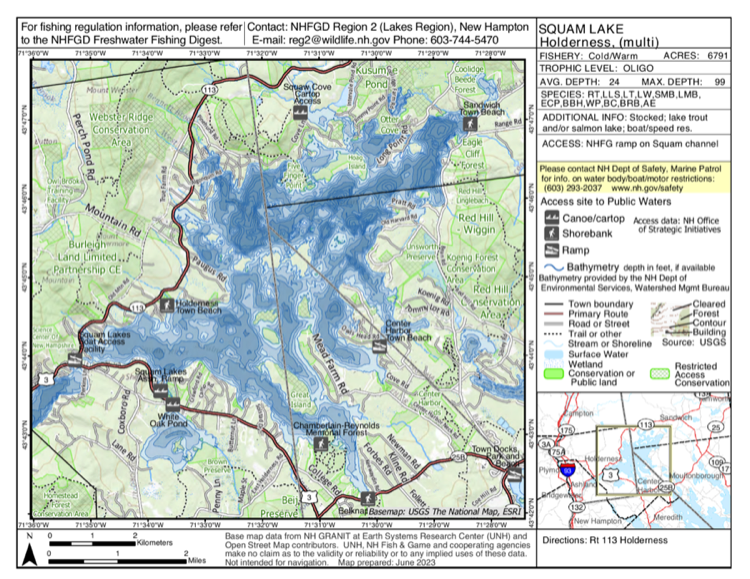
Bathymetric depth chart — click to open the full PDF. Source: Vermont DEC.
Source: Vermont DEC
Water Characteristics
Squam is a large, clear, oligotrophic natural lake with a mean depth of only 24 feet and a maximum of 99 feet. That combination — big surface area, modest average depth, a few deep basins — defines everything about how it fishes. The great majority of the lake is shallow enough to hold weed growth, rock structure, and insect life, while a limited amount of genuinely deep, cold water holds lake trout and lake whitefish through the summer.
The NHFG depth chart is worth studying before a first trip. The contours show a bottom that is anything but uniform: islands rise abruptly from deeper channels, long shoals extend far off points, and narrow troughs cut between land masses. The mid-depth shelf that wraps most of the shoreline is where salmon and rainbows cruise at ice-out and where smallmouth stage all summer; the deeper holes scattered through the main basin are where the lakers go once a thermocline sets up in late June. Rock and gravel dominate the shoreline, with softer bottom and weed growth confined to the protected coves and back bays.
Water clarity is excellent, typical of an oligotrophic Lakes Region basin, and it cuts both ways: sight-fishing over the shoals and in the coves is real, but fish are wary in flat calm and a chop or low light noticeably improves the streamer fishing. The productive shallows support strong chironomid populations, Callibaetis mayflies in the sheltered coves, damselflies and dragonflies along the weed edges, leeches, and abundant small baitfish and crayfish that feed everything from salmon to smallmouth. Squam's convoluted shape gives the wind plenty of places to funnel, and the island clusters mean a small-boat angler can almost always find a lee shore.
Stocking
| Species | Size | Number | Program |
|---|---|---|---|
| Landlocked Atlantic Salmon | Hatchery yearlings | Stocked annually; counts in NHFG stocking report | NHFG Large-Lake Fisheries Program - stocked annually |
| Rainbow Trout | Catchable hatchery trout | Stocked annually; counts in NHFG stocking report | NHFG annual stocking |
| Lake Trout | Wild - not stocked | None (wild population) | Naturally reproducing population; lake whitefish also wild |
Seasonal Fishing Guide
Spring
Ice-out through May is the coldwater window. Salmon and rainbows work shoreline shelves, points, and inlet mouths where a fly can reach them. Cast or slow-troll slim baitfish streamers - Grey Ghost and similar smelt-style patterns - on intermediate or type 3 sinking lines in the top 10 to 15 feet. Overcast, breezy mornings are far better than calm sun on this clear lake. As May warms, smallmouth begin staging on the shoals.
Summer
June is the best month of the year for fly anglers. Smallmouth are shallow around the islands and rocky shoals and will take poppers at dawn and dusk and crayfish or baitfish streamers through the day. Damselfly migrations along the weed edges and Callibaetis in the quiet coves give a genuine stillwater dry and nymph game. By July and August the salmon and lake trout have dropped to the cool basins; fish early, fish the shade of the islands, and let the bass carry the day.
Fall
September and October bring the salmonids back within reach as the surface cools and the lake destratifies. Streamer fishing along the same shelves that produced at ice-out picks up again, and smallmouth feed hard on the shoals before dropping deep. Boat traffic vanishes after Labor Day, which makes autumn the most pleasant time to be on Squam with a fly rod.
Winter
Open-water fly fishing is done. New Hampshire's ice fishing seasons apply for lake trout, salmon, and panfish, and conditions vary sharply between the broad bays and the narrow channels. Confirm current season dates in the NH Freshwater Fishing Digest and verify ice safety locally.
Access & Boats
The primary public access is the New Hampshire Fish and Game boat ramp on the Squam channel, the waterway connecting Little Squam Lake to the big lake near Holderness (Little Squam is mapped separately by NHFG). It puts boats, canoes, and kayaks a short run from the main basin and its island structure. Shoreline development around Squam is limited by design, and so is public shore access; for practical purposes this is a boat and paddle fishery. Boat and speed restrictions are in force lakewide, which is part of why the lake stays as quiet as it does — and which makes paddle craft and small skiffs practical here in a way they are not on Winnipesaukee.
Float tubes work well in the protected coves and around the closer island shoals, though the lake's size and open reaches demand respect for wind. A boat with enough range to move between island groups is a real advantage when smallmouth are scattered across miles of shoal.
Motor Restrictions
Boat and speed restrictions apply lakewide (noted on the NHFG lake map); check current New Hampshire boating rules before launching.
Ice Fishing
New Hampshire's winter ice fishing seasons and large-lake trout and salmon rules apply to Squam, and the lake draws local hardwater anglers for lake trout, salmon, and panfish. It is not a fly fishing pursuit, and conditions vary widely across a lake this large and irregular — narrows and channels can stay thin long after the broad bays set up. Confirm current season dates and species limits in the New Hampshire Freshwater Fishing Digest and check ice conditions locally before going out.
Fishing Pressure & Local Tips
Moderate on the water overall, but light where it counts for a fly rod. Squam's coldwater fishery draws a dedicated troller following at ice-out, and summer brings steady recreational traffic to a lake this scenic, yet the boat and speed restrictions and undeveloped shoreline keep it far quieter than Winnipesaukee. Fly-specific pressure is minimal, and the smallmouth fishery in particular is badly under-fished with a fly rod despite being one of the best in the state. Early mornings, weekdays, and the entire post-Labor Day stretch offer real solitude — in October you can work an island shoal for hours without seeing another boat.
Local Knowledge
Fish the transitions, not the middle. On a lake with a 24-foot average depth, the fish relate to edges: the lip where a shoal drops into a channel, the point of an island where wind pushes bait, the mouth of an inlet at ice-out. Study the NHFG depth chart before you launch and mark the places where 10 feet becomes 30 feet within a boat length. Those are the spots worth returning to all season.
For smallmouth, cover water. Squam has more good bass structure than any angler can fish in a season, so run a shoal with a popper or a baitfish streamer, give it fifteen minutes, and move on if nothing shows — fish that are on a shoal are usually willing. Topwater at dawn followed by crayfish-colored streamers bounced down the rocky drop-offs through the morning is the productive rhythm, and a fast, erratic strip almost always outfishes a slow one once the sun is up.
For salmon, the fly window is narrow and weather-driven. The two to three weeks after ice-out are worth more than the rest of the open-water season combined, and a gray, breezy morning beats a calm bluebird one every time on water this clear. Work slim baitfish streamers on an intermediate line along shoreline shelves and off tributary mouths, and keep the fly moving; salmon chase. Come fall, watch surface temperatures rather than the calendar — when they drop back through the mid-50s, the same water that produced in April produces again. And don't skip the quiet coves in summer: anchor or stake out a float tube at a weed edge, watch for Callibaetis cruisers, and lead them well, because the clear water demands long leaders and quiet presentations.
Species Present
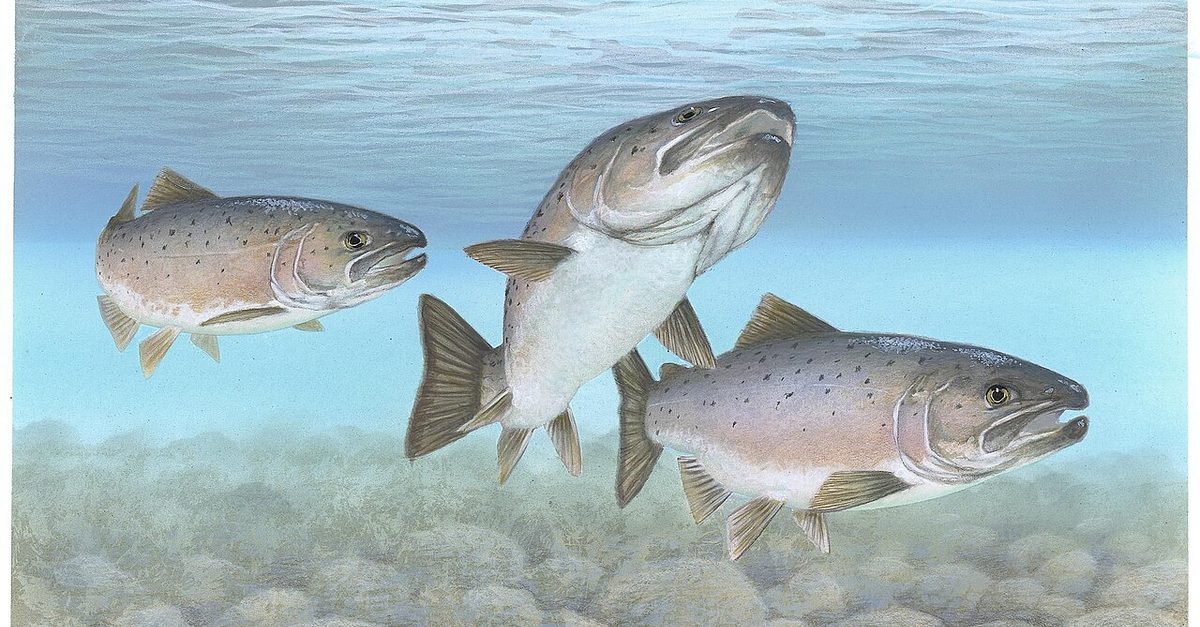
Landlocked Atlantic Salmon
The landlocked Atlantic salmon is one of New England's most prized gamefish, a freshwater-resident form of the Atlantic salmon that spends its entire life in lakes and rivers rather than migrating to the ocean. Found primarily in the lakes and rivers of Maine, New Hampshire, Vermont, and New York, landlocked salmon are genetically identical to their sea-run counterparts but have adapted to a completely freshwater life cycle, using large, cold lakes as their ocean substitute and tributary rivers as spawning habitat. Landlocked salmon are the signature gamefish of Maine's sporting camp tradition, where generations of anglers have gathered at remote wilderness lodges to fish for salmon in the Rangeley Lakes, Moosehead Lake, Sebago Lake, and the rivers that connect them. The fish combine the acrobatic fighting ability of their anadromous relatives with the accessibility of a freshwater species, leaping repeatedly when hooked and running with the kind of power and endurance that makes them one of the most exciting fish available on a fly rod in the northeastern United States. In rivers, landlocked salmon behave much like large resident trout, holding in classic lies and feeding on aquatic insects during hatches. They are particularly responsive to caddis and mayfly emergers, and the sight of a 3-pound landlocked salmon rising to a dry fly in a New England river is one of the defining experiences of northeastern fly fishing. In lakes, salmon are targeted with streamers that imitate smelt, their primary forage fish, trolled or cast from boats during the spring and fall when salmon cruise near the surface in cold-water conditions.

Lake Trout
The lake trout is the largest member of the char family and the signature deep-water gamefish of northern New England's coldest, cleanest glacial lakes. A native coldwater char of the northern tier of North America, the lake trout reaches the southern edge of its natural range in the deep, oligotrophic lakes carved by Pleistocene glaciers across northern New England, including Vermont's Lake Champlain and the remote glacial lakes of the Northeast Kingdom. Unlike the stream-dwelling brook trout to which it is related, the lake trout is a true creature of the depths, spending most of the year in the cold, dark, well-oxygenated water far below the surface. Lake trout are long-lived, slow-growing fish that can survive for decades in the frigid depths of their home lakes. Average fish run 18 to 24 inches, but trophy specimens exceeding 30 inches and 15 pounds are taken each season from the best Vermont waters, and the state record approaches 35 pounds. Their size and strength, combined with the challenge of reaching them in deep water, make lake trout a prized quarry for anglers willing to adapt their tactics to the fish's coldwater lifestyle. For fly anglers, the lake trout presents a unique seasonal opportunity. Through most of the year these fish hold too deep for practical fly fishing, but during the narrow windows of ice-out in spring and the fall turnover, lake trout move into the shallows to feed and spawn, bringing them within reach of a well-presented streamer. Casting large baitfish patterns near rocky shorelines and drop-offs during these periods can produce the fish of a lifetime, connecting the angler to the deep glacial history of Vermont's finest coldwater lakes.
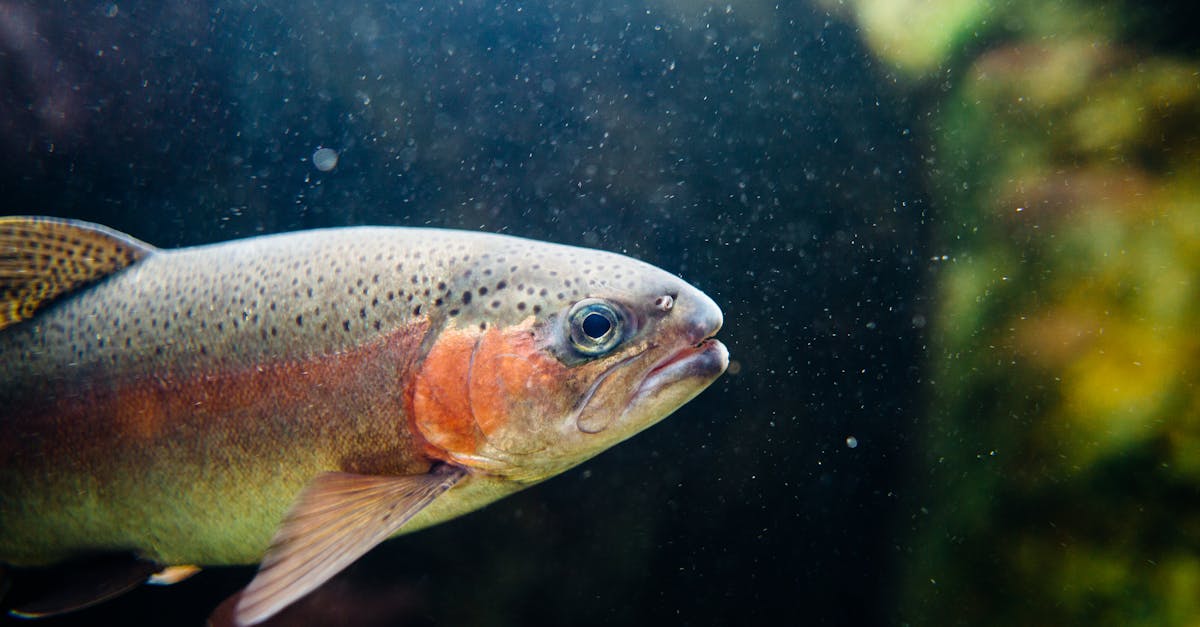
Rainbow Trout
The rainbow trout is Montana's most widespread and popular gamefish, celebrated for its explosive surface strikes, aerial acrobatics, and willingness to take a well-presented dry fly. Native to Pacific Coast drainages from Alaska to Mexico, rainbows were first introduced to Montana's waters in the late 1800s and have since established thriving populations in nearly every major river system in the state. On legendary waters like the Madison, Missouri, and Bighorn, wild rainbow trout grow fat on prolific insect hatches and provide some of the finest dry-fly fishing in North America. Rainbow trout in Montana display remarkable variation depending on their home water. Fish in nutrient-rich tailwaters like the Missouri River below Holter Dam can exceed 20 inches with regularity, their deep bodies and broad tails reflecting the abundant food supply. Freestone river rainbows, such as those in the upper Madison and Gallatin, tend to be leaner and more athletic, shaped by faster currents and colder water temperatures. In many Montana rivers, rainbows spawn in the spring from March through June, and anglers should be mindful of spawning redds during this period to protect future generations of fish. Rainbows are arguably the most versatile trout species for fly anglers. They respond well to dry flies during hatches, aggressively chase streamers, and feed heavily on nymphs subsurface throughout the year. Their fighting ability is legendary: a hooked rainbow will often launch itself completely out of the water multiple times during a battle. Montana's catch-and-release regulations on many blue-ribbon streams have produced exceptional rainbow trout fisheries with high densities of large, healthy fish that continue to draw anglers from around the world.
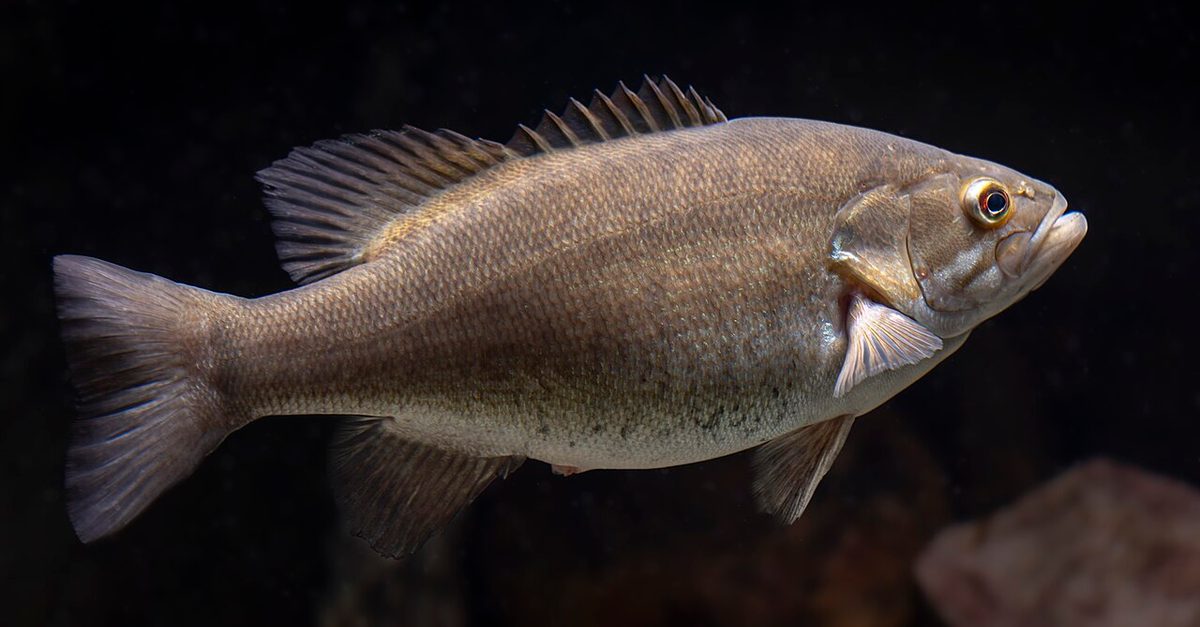
Smallmouth Bass
The smallmouth bass is one of the most popular and widely distributed gamefish in North America and one of the finest freshwater species available to fly anglers. Found in clear, cool rivers and lakes from the Great Lakes to the Southern Appalachians, smallmouth bass combine aggressive feeding behavior, remarkable fighting ability, and a preference for the kinds of rocky, current-rich habitats that are ideally suited to fly fishing. Pound for pound, the smallmouth bass is widely considered the hardest-fighting freshwater fish in North America, earning it the nickname 'the bronze bomber' for its explosive takes and powerful, acrobatic battles on the end of a line. While smallmouth bass are not a traditional trout-stream species, they have become increasingly important to fly anglers as warm-water fly fishing has grown in popularity. Rivers like the French Broad in North Carolina, the Susquehanna and Delaware in Pennsylvania, and the St. Lawrence in New York support world-class smallmouth fisheries that attract dedicated fly anglers. In many regions, smallmouth bass inhabit the lower reaches of the same river systems that hold trout in their upper reaches, providing fly anglers with a warm-water counterpart to their cold-water fishing. Smallmouth bass are particularly appealing to fly anglers because they readily take surface flies. On warm summer evenings, smallmouth will crush poppers, sliders, and large dry flies with explosive strikes that rival any trout rise. Their willingness to feed on the surface, combined with their strength and acrobatic leaping ability, makes smallmouth bass on a fly rod one of the most thrilling freshwater fly fishing experiences available.
Food Sources & Hatches
| Insect | Suggested Fly | Jan | Feb | Mar | Apr | May | Jun | Jul | Aug | Sep | Oct | Nov | Dec |
|---|---|---|---|---|---|---|---|---|---|---|---|---|---|
Chironomids (midges) Early morning and evening; emergences all day in cool weather | Chironomid (Bomber) | ||||||||||||
Callibaetis mayfly Late morning through afternoon on warm days | Parachute Adams | ||||||||||||
Damselfly nymphs (migration) Mid-morning to afternoon | Damselfly Nymph | ||||||||||||
Dragonfly nymphs All day | Dragonfly Nymph | ||||||||||||
Leeches Low light, dawn and dusk | Woolly Bugger | ||||||||||||
Baitfish and smelt-style forage First and last light; all day in cold water | Grey Ghost | ||||||||||||
Crayfish All day, best in warm water | Muddler Minnow |
Chironomids (midges): The most consistent insect food in the lake. Fish pupa patterns under an indicator over the mid-depth flats and along the edges of the coves; adults cluster on flat evenings.
Callibaetis mayfly: Strong in the quiet, protected coves and back bays. Duns bring cruising trout and even smallmouth to the surface; spinners fall in the evening. A speckled-wing dun profile matters more than exact size.
Damselfly nymphs (migration): June damsel migrations along the weed edges are one of the best sight-fishing opportunities on Squam. Swim an olive nymph just under the surface toward emergent structure.
Dragonfly nymphs: A season-long staple around weedbeds and rocky bottom. Crawl a big olive or brown nymph slowly along drop-offs; smallmouth eat them as readily as trout do.
Leeches: Not a hatch, but a constant. Black and olive leech and bugger patterns worked along shoal edges and cove margins take salmonids and bass throughout the open-water season.
Baitfish and smelt-style forage: The core coldwater food source. Slim silver-and-olive streamers along shoreline shelves and inlet mouths at ice-out and again in October are the highest-percentage salmon presentation of the year.
Crayfish: A main protein for Squam's smallmouth. Fish a brown or rust pattern down the rocky faces of island shoals with short, sharp strips and long pauses.
Recommended Flies
Grey Ghost
Top PickThe classic New England smelt-style streamer and the fly to have on at ice-out. Cast or slow-troll it on an intermediate line along shoreline shelves and off inlet mouths for landlocked salmon and rainbows.
Best in Spring and fall
Chironomid (Bomber)
Top PickChironomids are Squam's most dependable insect. Hang a pupa a foot or two off bottom under an indicator over the mid-depth flats and cove edges at first light.
Best in Spring through fall
Damselfly Nymph
Top PickJune damsel migrations along the weed edges of the coves. Swim an olive nymph just under the surface toward shore for one of the lake's best visual fisheries.
Best in Early summer
Woolly Bugger
Top PickThe all-purpose Squam fly. Olive and black buggers cover leeches, sculpins, and juvenile baitfish, and they take salmon, rainbows, and smallmouth along every shoal edge on the lake.
Best in All open-water season
Also Effective
Access Points & Boat Launches
NHFG Squam Channel Boat Launch
Boat LaunchEasyThe main public access to Squam, a New Hampshire Fish and Game ramp on the channel connecting Little Squam to the big lake near Holderness. It handles trailered boats as well as canoes and kayaks, with a short run out to the main basin and its island structure. Boat and speed restrictions are in force on the lake, so review posted rules before launching.
Squam Channel Shoreline (Holderness)
Wade AccessEasyLimited bank and shallow-water fishing along the channel near the state launch, the most practical option for anglers without a boat. Useful at ice-out when fish move toward moving water, and for smallmouth and panfish through the summer. Public shoreline on Squam proper is very restricted by the lake's undeveloped, largely private shores, so plan on floating to reach the main lake.
Regulations
Regulations
Squam is managed under New Hampshire's large-lake regulations, with specific season dates, length limits, and bag limits for landlocked salmon and lake trout published in the New Hampshire Freshwater Fishing Digest. Bass and other warmwater species follow statewide rules. Boat and speed restrictions apply lakewide and are noted on the NHFG lake map. A New Hampshire fishing license is required. Regulations on Large-Lake Program waters change as salmon and forage assessments change, so verify current seasons, limits, and boating rules with New Hampshire Fish and Game before you fish.
Always verify current regulations with Montana Fish, Wildlife & Parks before fishing.
Quick Facts
- Surface Area
- 6,791 acres
- Max Depth
- 99 ft
- Elevation
- 561 ft
- Lake Type
- Natural Lake
- Region
- Lakes Region / Grafton, Carroll & Belknap Counties
- Best Seasons
- spring, summer, fall
- Species
- Landlocked Atlantic Salmon, Lake Trout, Rainbow Trout, Smallmouth Bass
- Difficulty
- Beginner to Intermediate
- Record Fish
- Squam's lake trout and lake whitefish are wild, naturally reproducing populations rather than put-and-take stock, and the lake gives up quality lakers each season; its smallmouth bass fishery is regarded as one of the strongest in the Lakes Region.
- Depth Chart
- Download PDF
Nearby Lakes & Ponds
Newfound Lake
Lakes Region / Grafton County
Lake Winnipesaukee
Lakes Region / Belknap & Carroll Counties
Lake Sunapee
Dartmouth-Lake Sunapee / Sullivan & Merrimack Counties
First Connecticut Lake
Great North Woods / Coos County
Second Connecticut Lake
Great North Woods / Coos County
Lake Francis
Great North Woods / Coos County (Pittsburg)