Long Pond (Westmore)
Long Pond in Westmore is a small but startlingly deep trophy brook trout pond near Lake Willoughby, dropping to 74 feet beneath Bald Mountain with a backcountry feel and a simple gravel access.
Overview
Long Pond covers just 76 acres in the shadow of Bald Mountain near Lake Willoughby, yet plunges to 74 feet — an unusual depth-to-size ratio that keeps its water cold from top to bottom. Vermont Fish and Wildlife manages it as a trophy brook trout water, stocking 150 two-year-old brookies in 2026, and the pond's twin deep basins hold fish comfortably through the hottest weather.
This is a classic paddle-and-cast pond. The steep western drop-off, where 70-foot water rises to a narrow shelf, is the money zone: brook trout cruise the edge for chironomids in spring and fall, and a slowly retrieved black Woolly Bugger along the break takes fish all season. The Bald Mountain trailhead sits near the access, so it is easy to pair a morning of fishing with an afternoon hike above Willoughby's cliffs.
Depth & Character
- Surface Area
- 76acres
- Max Depth
- 74ft
- Elevation
- 1821ft
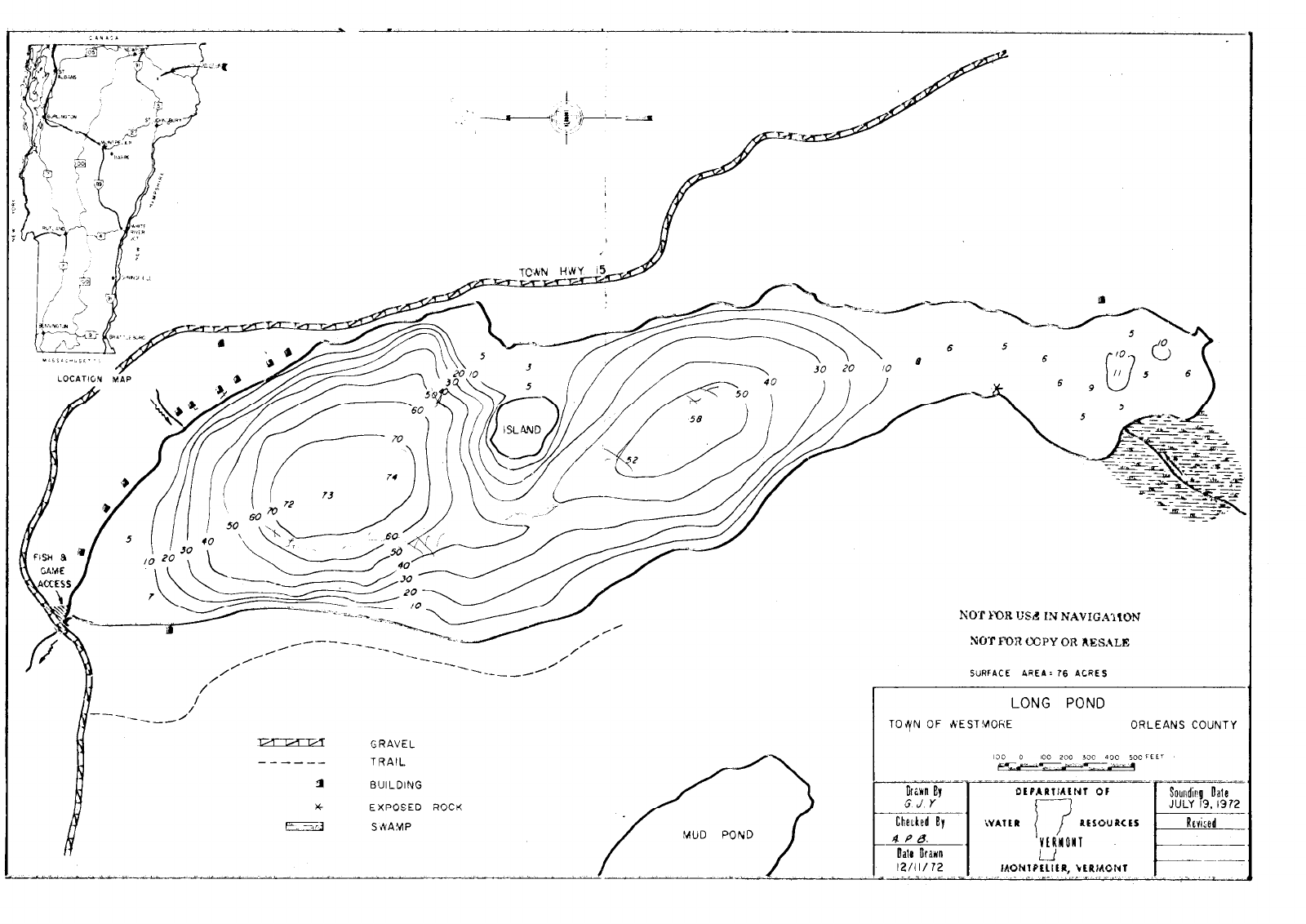
Bathymetric depth chart — click to open the full PDF. Source: Vermont DEC.
Source: Vermont DEC
Water Characteristics
Cold, clear water at 1,821 feet with two basins of 58 and 74 feet separated by an island shoal. The pond stays stratified with ample cold water, so trout hold shallow far later into summer than in most small ponds.
Stocking
| Species | Size | Number | Program |
|---|---|---|---|
| Brook Trout | 2-year-old | 150 | Trophy Trout Program (2026) |
Access & Boats
A Vermont Fish and Wildlife gravel access on the western shore off Long Pond Road serves cartop boats and canoes. The Bald Mountain trailhead is adjacent, and the road is gravel but well maintained.
Fishing Pressure & Local Tips
Light. Willoughby steals the crowds; Long Pond's regulars are mostly local trout anglers and hikers.
Local Knowledge
Fish the shelf around the island: brook trout push chironomid pupae against it at dusk, and an anchored float tube within casting range of both deep basins covers the best water on the pond.
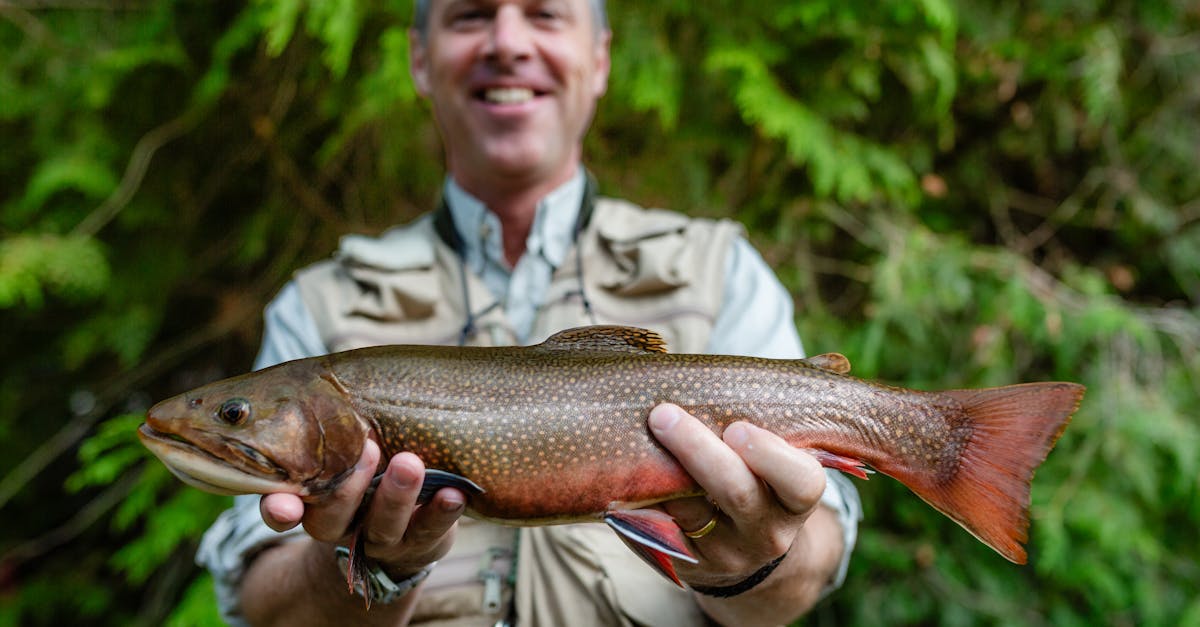
Species Present
Food Sources & Hatches
| Insect | Suggested Fly | Jan | Feb | Mar | Apr | May | Jun | Jul | Aug | Sep | Oct | Nov | Dec |
|---|---|---|---|---|---|---|---|---|---|---|---|---|---|
Chironomids (midges) morning | Chironomid (Bomber) | ||||||||||||
Callibaetis Mayflies afternoon | Parachute Adams | ||||||||||||
Leeches evening | Black Woolly Bugger |
Chironomids (midges): The deep, cold basins sustain midge fishing from spring through fall along the shelf.
Callibaetis Mayflies: Light hatches over the island shoal draw cruising brookies.
Leeches: Slow retrieves along the western drop-off take the largest fish.
Recommended Flies
Chironomid (Bomber)
Top PickChironomids along the shelf; productive spring through fall in this cold pond.
Best in spring
Black Woolly Bugger
Top PickBlack Woolly Bugger down the western drop-off for the largest brookies.
Best in summer
Also Effective
Access Points & Boat Launches
Long Pond Fishing Access (Westmore)
Boat LaunchModerateVermont Fish and Wildlife gravel access on the western shore off Long Pond Road, adjacent to the Bald Mountain trailhead. Cartop boats and canoes launch easily; the western drop-off begins almost immediately offshore.
Regulations
Regulations
Designated trophy trout water: 2-fish daily limit on trout with no length minimum. General season runs from the second Saturday in April through October 31. Vermont fishing license required. Verify current rules at vtfishandwildlife.com.
Always verify current regulations with Vermont Fish & Wildlife Department before fishing.
Quick Facts
- Surface Area
- 76 acres
- Max Depth
- 74 ft
- Elevation
- 1821 ft
- Lake Type
- Remote Pond
- Region
- Northeast Kingdom / Orleans County
- Best Seasons
- spring, summer, fall
- Species
- Brook Trout
- Depth Chart
- Download PDF
Nearby Lakes & Ponds
Lake Willoughby
Northeast Kingdom / Orleans County
Seymour Lake
Northeast Kingdom / Orleans County
Caspian Lake
Northeast Kingdom / Orleans County
Lake Memphremagog
Northeast Kingdom / Orleans County
Maidstone Lake
Northeast Kingdom / Essex County
Noyes Pond (Seyon Pond)
Central Vermont / Groton State Forest, Caledonia County