California
Fly fishing guide to California's best rivers
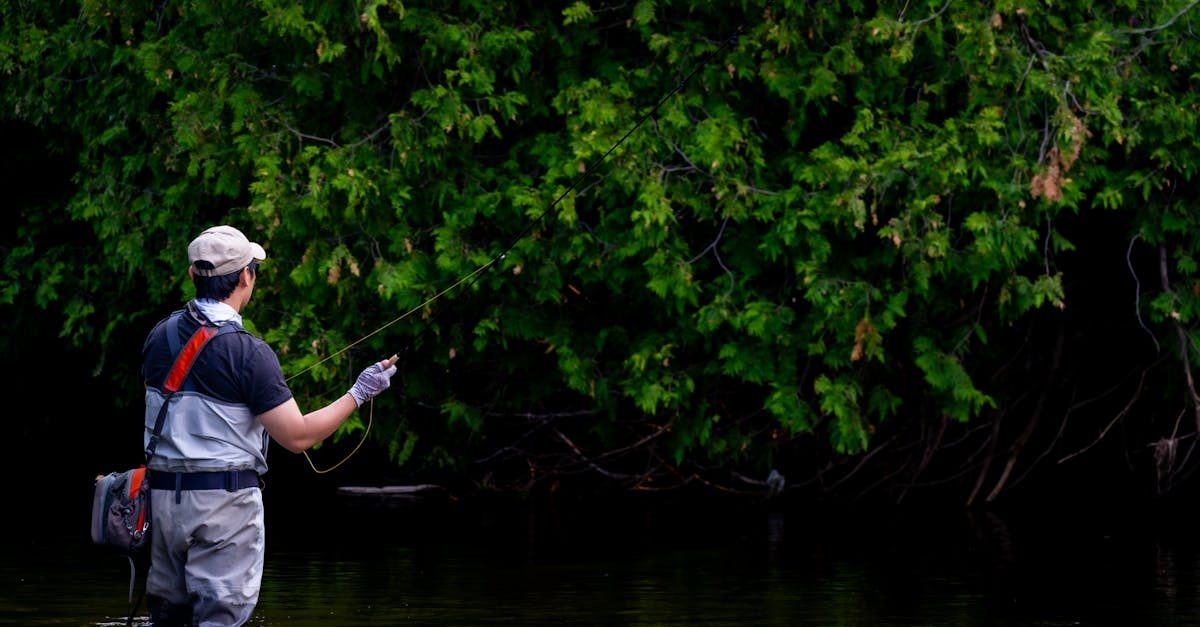
California's diverse geography produces an extraordinary range of fly fishing opportunities, from world-class tailwaters like the Lower Sacramento to intimate spring creeks like Hot Creek in the Eastern Sierra. Northern California's volcanic plateau holds legendary waters including Hat Creek, Fall River, and the McCloud, while the Truckee River system connects anglers to Lahontan cutthroat trout history. With year-round fishing and hatches to match, California is one of the West's most underrated fly fishing destinations.
California Rivers
10 rivers with detailed fishing guides, live conditions, and hatch charts
 Live
LiveEast Walker River
Eastern Sierra / Mono County
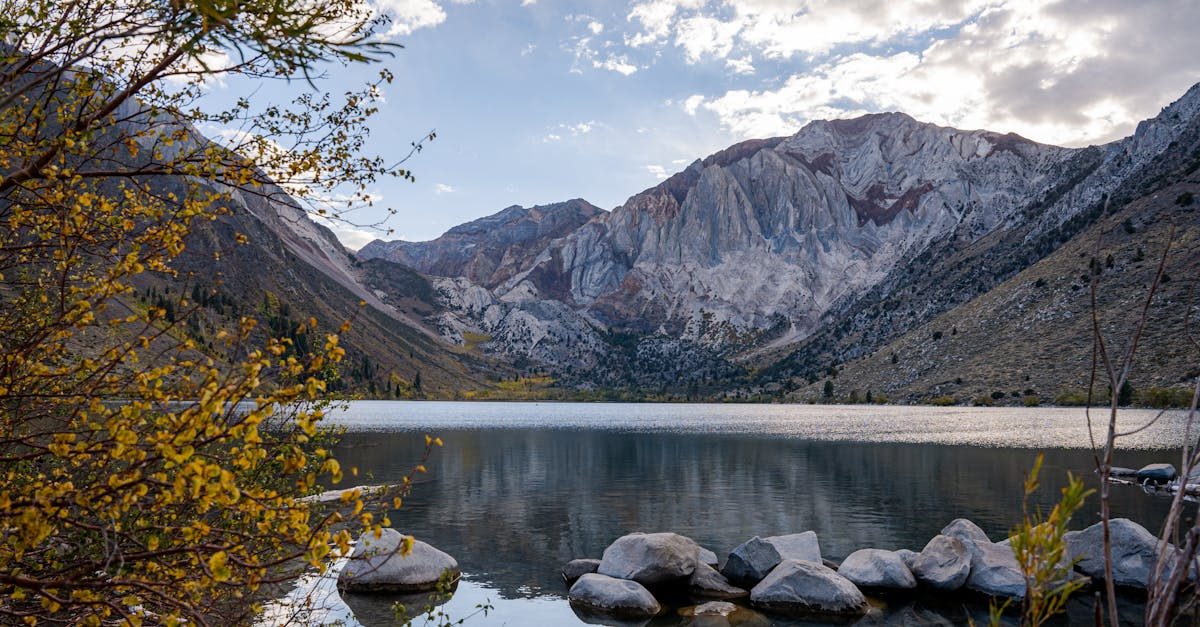
The East Walker River below Bridgeport Reservoir is one of the finest brown trout tailwaters in the Sierra Nevada, known for producing trophy-class fish that regularly exceed 20 inches. Cold releases from the reservoir sustain a population of browns that are disproportionately heavy for their length, feeding on prolific insect hatches in meadow water at high elevation. The river flows through open sagebrush country with spectacular mountain views, offering technical dry fly fishing and rewarding streamer work for dedicated anglers.
Fall River
Northern California / Shasta County
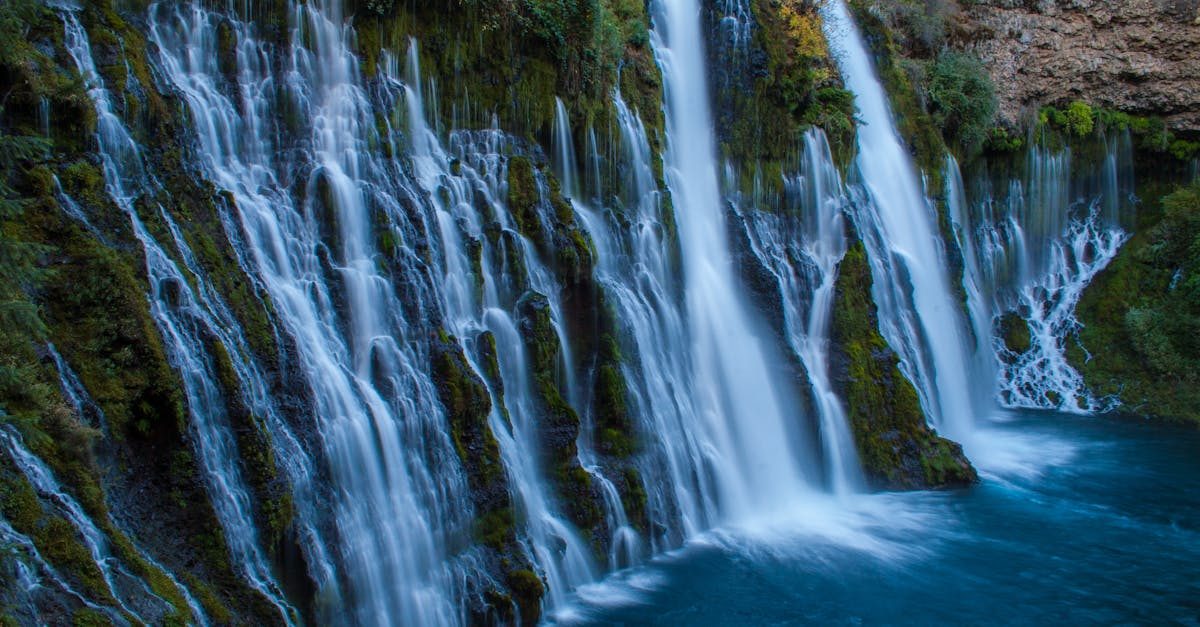
Fall River is one of the purest spring creeks in the world, fed entirely by massive volcanic springs that push millions of gallons of crystal-clear, cold water from the Modoc Plateau. The river meanders through broad meadows with virtually no gradient, creating slow, deep, weed-rich water that grows wild rainbow and brown trout to impressive sizes. Fish averaging 16-20 inches cruise the channels between aquatic vegetation, making this one of California's most challenging and rewarding fly fishing destinations.
 Live
LiveHat Creek
Northern California / Shasta County
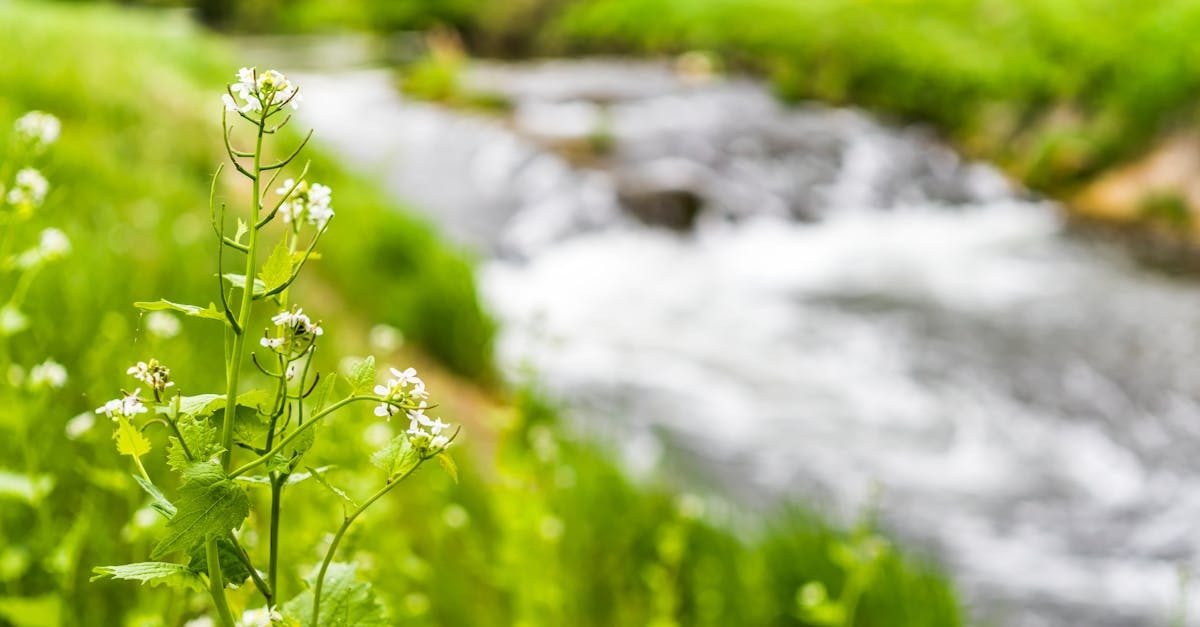
Hat Creek's Wild Trout Section is one of the most technically demanding spring creek fisheries in the American West. This 3.5-mile stretch of glassy, slow-moving water holds large, extremely selective trout that feed on prolific insect hatches in water so clear that every imperfection in presentation is punished. The famous Hexagenia hatch in late June and July draws anglers from across the country to test their skills against some of California's most educated trout.
Hot Creek
Eastern Sierra / Mono County
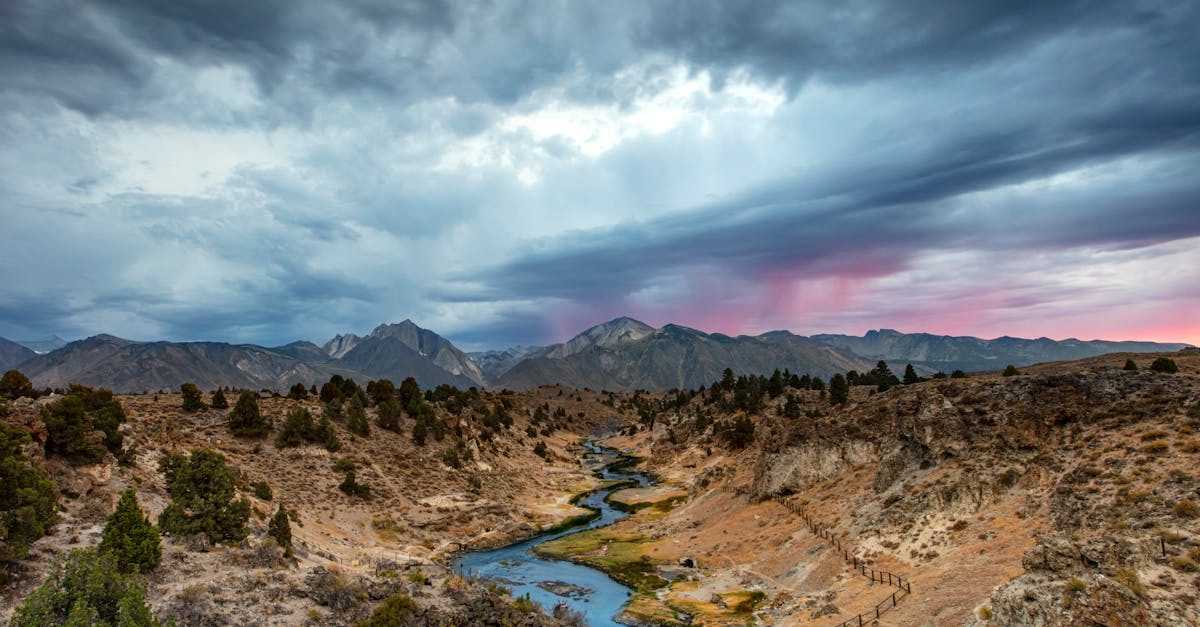
Hot Creek is arguably the most technically demanding trout stream in California, a short spring creek near Mammoth Lakes that packs an extraordinary density of large, wild trout into a remarkably small stretch of water. Geothermal springs warm the creek and create year-round growing conditions that produce browns and rainbows averaging 14-18 inches in a creek narrow enough to cast across. The public access section is managed as catch-and-release, and the fish are legendarily selective, making Hot Creek a proving ground for skilled fly fishers.
 Live
LiveLower Sacramento River
Northern California / Shasta County
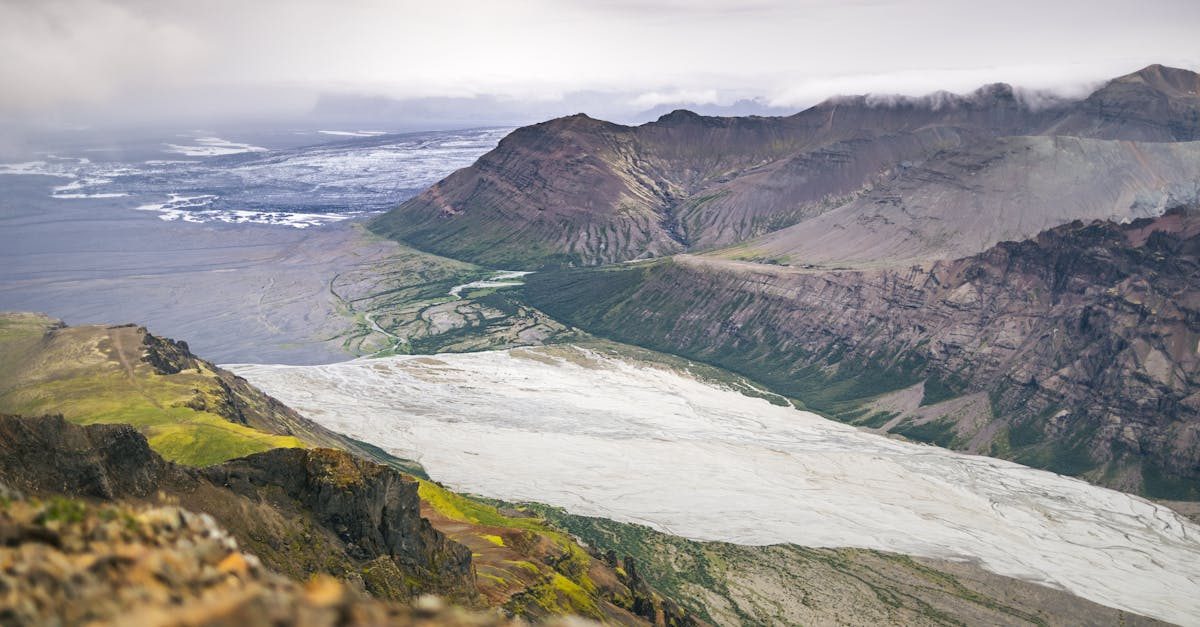
The Lower Sacramento River below Keswick Dam is widely considered the premier fly fishing tailwater in California and one of the best trout rivers in the western United States. Cold, nutrient-rich water released from Shasta and Keswick dams sustains a remarkable population of wild rainbow trout, with fish averaging 14-18 inches and larger specimens exceeding 20 inches taken regularly. This is big water with year-round fishing in a scenic setting through the city of Redding and south through the Sacramento Valley.
 Live
LiveMcCloud River
Northern California / Shasta County
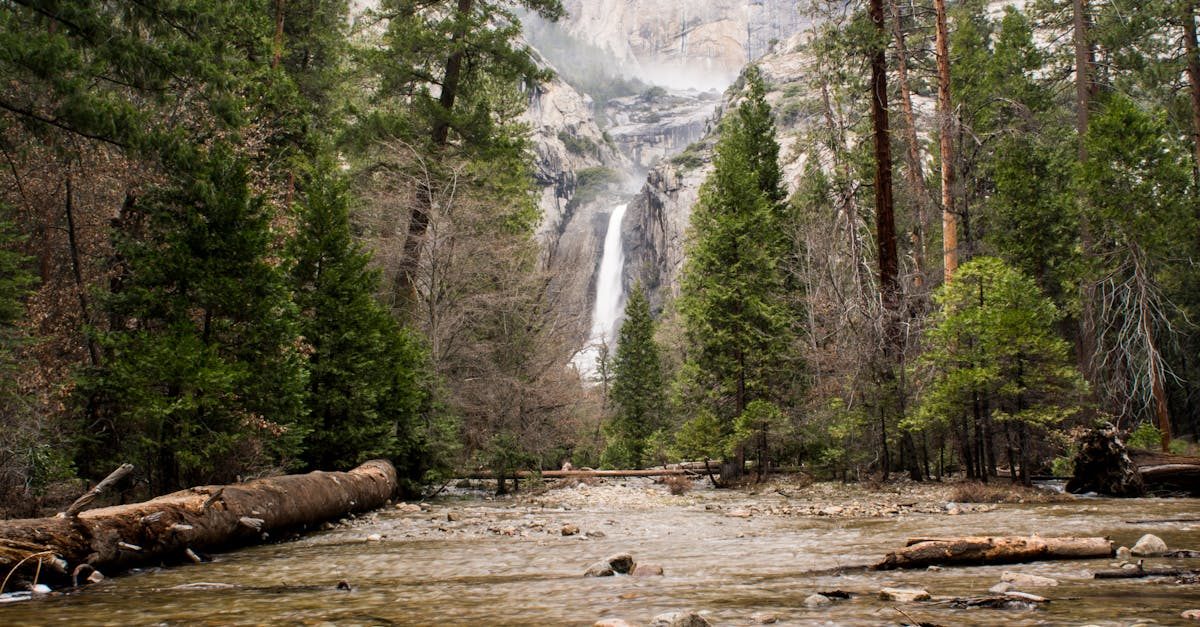
The McCloud River holds a legendary place in American fly fishing history as the source of rainbow trout eggs that were shipped worldwide in the late 1800s. Today, the river harbors a genetically distinct strain of wild McCloud redband rainbow trout in a dramatic canyon setting of emerald pools, boulder gardens, and old-growth forest. Access is challenging, the wading technical, but the reward is fishing for wild trout in one of California's most pristine and historically significant rivers.
 Live
LivePit River
Northern California / Shasta County
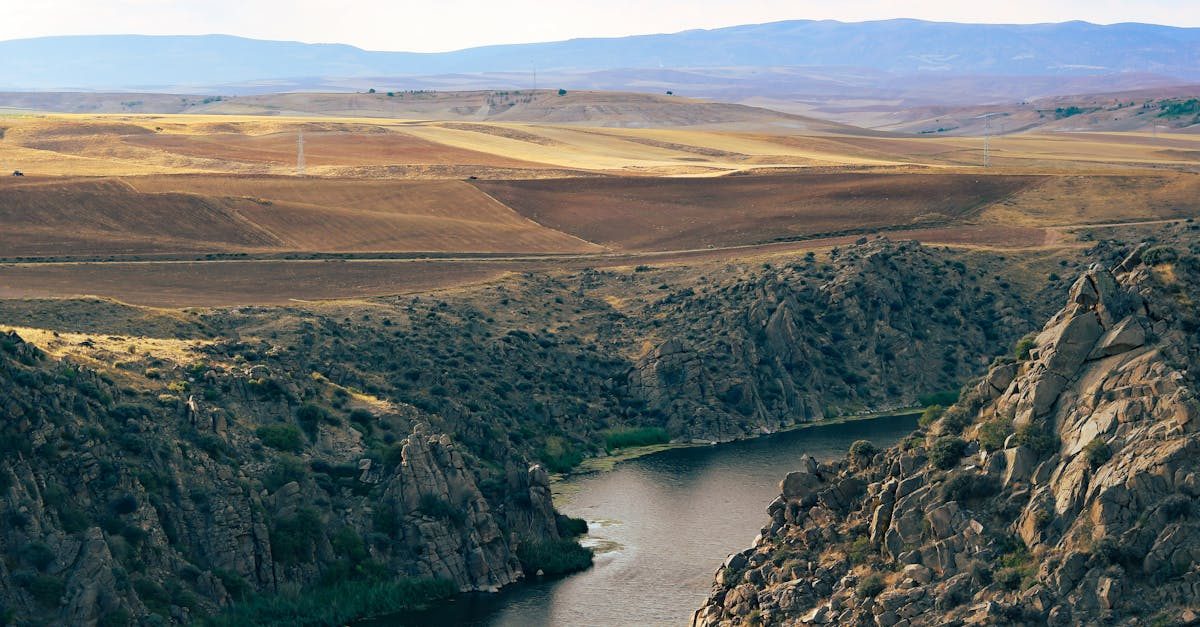
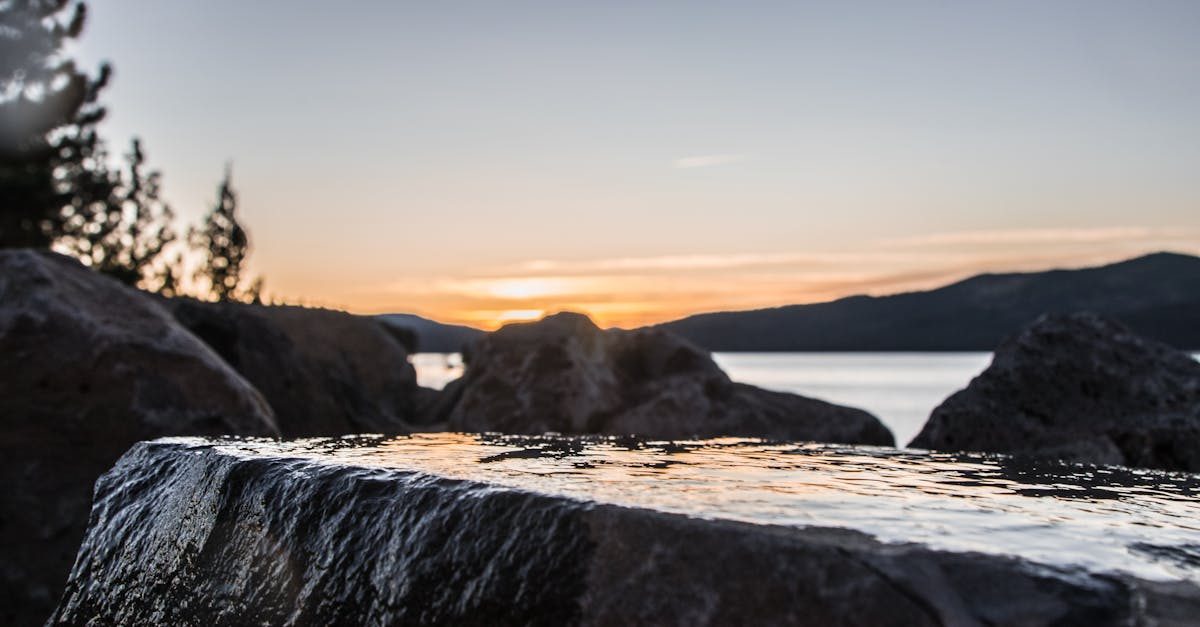
The Pit River is one of California's most underrated and challenging trout fisheries, flowing through a rugged volcanic canyon east of Redding. Divided into numbered reaches separated by PG&E powerhouses, the river offers cold tailwater conditions that grow trout to impressive average sizes, with rainbows and browns regularly exceeding 16 inches. The slick basalt bottom and fluctuating flows make the Pit genuinely demanding, but anglers who accept the challenge are rewarded with excellent wild trout fishing and minimal pressure.
 Live
LiveTruckee River
Eastern Sierra / Nevada and Placer Counties
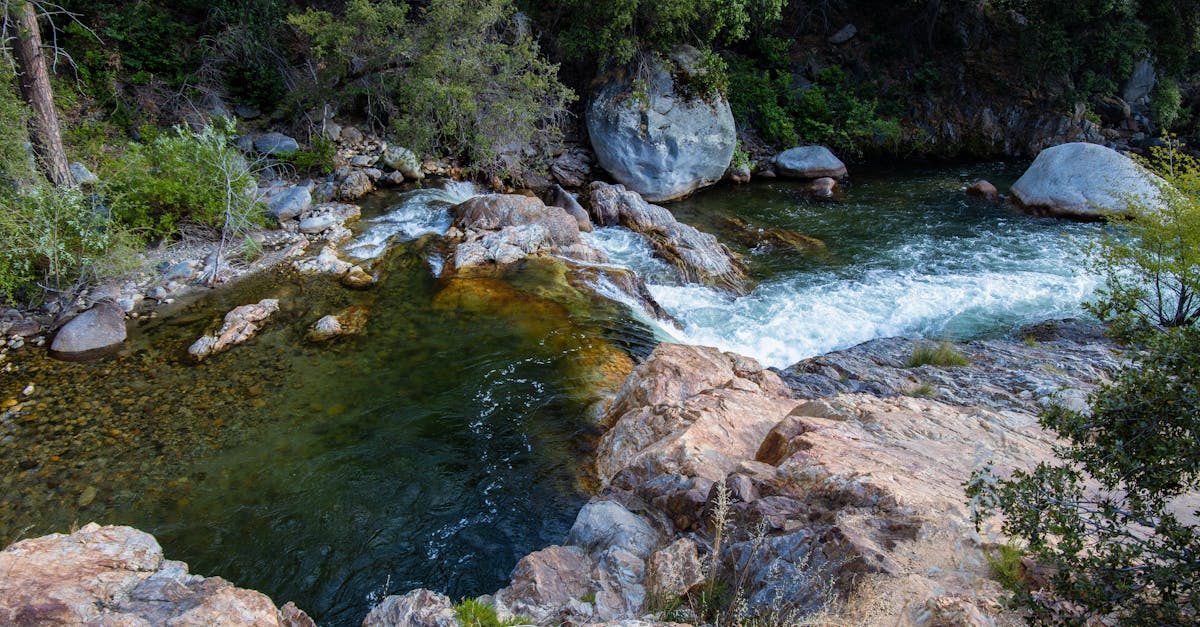
The Truckee River flows out of Lake Tahoe and winds through the mountain town of Truckee, offering accessible fly fishing in the heart of the Sierra Nevada. The California section provides a mix of pocket water, runs, and pools holding healthy populations of rainbow and brown trout, with special regulation sections producing improved fish sizes. The river also supports mountain whitefish and reintroduced Lahontan cutthroat trout as part of a long-term native species restoration effort.
 Live
LiveUpper Klamath River
Northern California / Siskiyou County
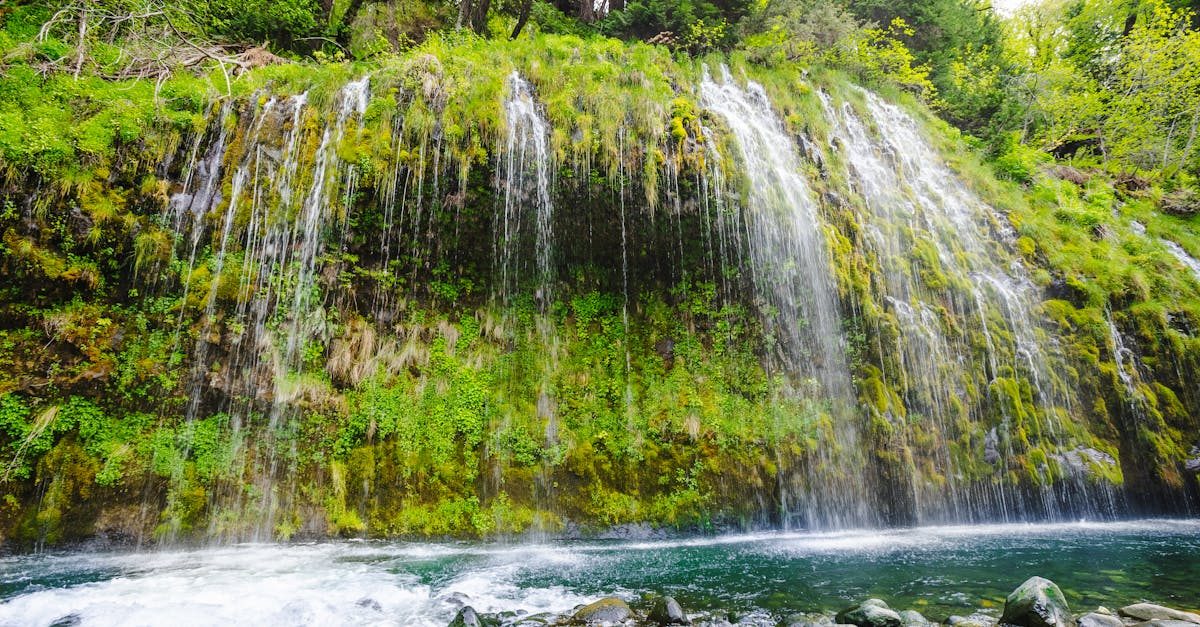
The Upper Klamath River is undergoing a historic transformation following the largest dam removal project in American history. With the removal of four dams completed in 2024, the river is reopening to anadromous fish runs for the first time in over a century. For fly anglers, the Upper Klamath offers the thrill of swinging flies for wild steelhead in remote, rugged canyon country, along with excellent opportunities for resident rainbow and brown trout. This is a river being reborn.
 Live
LiveUpper Sacramento River
Northern California / Siskiyou and Shasta Counties
The Upper Sacramento River above Shasta Lake is a classic freestone mountain trout stream that flows through the historic railroad town of Dunsmuir and along the I-5 corridor. Despite its proximity to the interstate, the river offers excellent wild trout fishing in beautiful canyon scenery with convenient roadside access. The river recovered remarkably from a devastating 1991 chemical spill and today supports healthy populations of wild rainbow and brown trout.