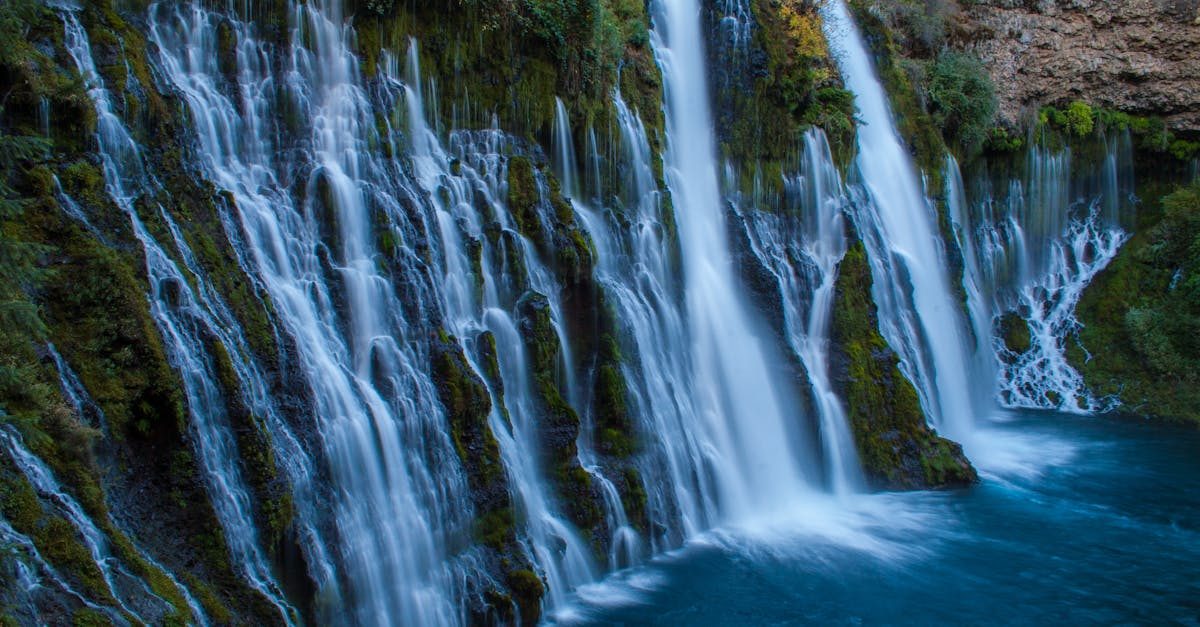
Fall River
Fall River is one of the purest spring creeks in the world, fed entirely by massive volcanic springs that push millions of gallons of crystal-clear, cold water from the Modoc Plateau. The river meanders through broad meadows with virtually no gradient, creating slow, deep, weed-rich water that grows wild rainbow and brown trout to impressive sizes. Fish averaging 16-20 inches cruise the channels between aquatic vegetation, making this one of California's most challenging and rewarding fly fishing destinations.
Overview
Fall River is a fly fisher's spring creek dream: crystal-clear water, prolific insect hatches, large wild trout, and a pristine setting in the volcanic high country of northeastern California. The river flows approximately 12 miles through private ranchland and limited public access areas before joining the Pit River. The entire system is spring-fed, with no significant surface tributaries, creating the stable flows and temperatures that define world-class spring creek habitat.
The river is almost exclusively fished from small boats due to the soft, mucky bottom and deep channels. Anglers use prams, pontoon boats, or canoes to position themselves above rising fish, anchor, and make delicate casts to sighted trout. This is sight-fishing at its finest and most technical. The water is so clear that every movement, every cast, and every presentation is visible to both angler and fish.
Access to Fall River is extremely limited. The majority of the river flows through private land, with access controlled by landowners and fishing lodges. The California Department of Fish and Wildlife maintains a small public access area at the Cal Trout section, which allows limited fishing by reservation. Several lodges offer guided access to private water, and this is the primary way most visiting anglers experience the river.
Fall River's wild trout are substantial fish. A 16-inch rainbow or brown is average, and fish exceeding 20 inches are encountered regularly. The combination of rich spring water, dense aquatic vegetation producing enormous insect populations, and minimal fishing pressure on much of the river creates ideal conditions for trophy fish. The genetic stock is pure, wild California rainbow and brown trout.
Water Characteristics
Fall River is fed entirely by massive volcanic springs that emerge from the porous lava bedrock of the Modoc Plateau. The springs contribute millions of gallons of cold, mineral-rich water daily, creating a river with virtually no temperature or flow fluctuation. Water temperatures remain remarkably stable year-round, typically 52-58 degrees, supporting continuous insect activity and trout feeding in every season.
Water clarity is exceptional, often exceeding 20 feet of visibility. This is both a blessing and a curse: the clarity allows anglers to sight-fish to individual trout, but it also means the fish can see every flaw in presentation and every movement of the angler. The water has a distinct emerald hue from the aquatic vegetation and mineral content.
The insect community is extraordinarily rich. Hexagenia mayflies are the signature hatch, Pale Morning Duns and Tricos provide summer and fall dry fly fishing, and midges are abundant year-round. Damselflies, caddisflies, and various other aquatic insects contribute to the trout diet. The dense beds of aquatic vegetation provide habitat for these insects and for forage fish like sculpin.
Wading & Float Guide
Wading Fall River is generally impractical and rarely attempted. The bottom is extremely soft silt and muck that can be knee-deep in places, and the channels between weed beds are often 4-8 feet deep. The meadow environment with dense aquatic vegetation makes wading treacherous. Additionally, the clear water and open terrain mean that wading anglers create disturbances visible to fish hundreds of feet away.
Fall River is fished from boats. Anglers use small prams, pontoon boats, or canoes to quietly approach rising fish, anchor upstream, and cast down to sighted trout. This boat-based sight-fishing approach is the defining characteristic of Fall River angling. On rare occasions, anglers can fish from the banks in the Cal Trout section, but even here, a boat provides far superior access to productive water.
Fall River (all sections)
Fall River is fished from small, anchored boats (prams, pontoons), not floated. Anglers position boats above rising fish and cast to sighted trout. Access is primarily through private lodges and the Cal Trout public section by reservation.
Rod & Tackle Guide
Fall River (all sections)
- Rod
- 9' to 10' 4-weight or 5-weight
- Line
- Weight-forward floating or double-taper
- Leader & Tippet
- 12-15' tapered to 6X or 7X fluorocarbon
A longer rod (9'6" to 10') helps with reach casts from an anchored boat. The light rod handles fine tippets and smaller flies. Bring a small anchor for your pram or pontoon boat.
Hexagenia hatch
- Rod
- 9' 5-weight
- Line
- Weight-forward floating
- Leader & Tippet
- 9-12' tapered to 4X or 5X
The larger Hex patterns allow for slightly heavier tippets. A headlamp is essential for evening/night fishing. Bring a full complement of Hex nymphs, emergers, adults, and spinners.
Best Time to Fish the Fall River
Spring
Spring fishing on Fall River begins in earnest in May as water temperatures warm into the optimal range. Pale Morning Dun hatches begin in late May and intensify through June. Blue-Winged Olive hatches occur on overcast days. Midge activity is constant, and fish will readily sip midges from the surface on calm mornings. Spring is an excellent time to fish Fall River before the intense summer pressure during the Hex hatch. Damselfly nymphs become active along the weed beds in late spring.
Summer
Summer is Hexagenia season on Fall River. The giant mayfly hatch typically begins in late June and runs through July, drawing dedicated anglers from across the West. Hex nymphs emerge at dusk, with the spinner fall occurring after dark. This is the most challenging and rewarding fishing of the year. Beyond the Hex, Trico spinners provide technical morning fishing from late July through September, and PMD hatches continue into early summer. The clear, slow water demands the finest tippets and most delicate presentations.
Fall
Fall on Fall River brings cooler temperatures, excellent BWO hatches, and aggressive pre-winter feeding. Trico spinners continue into September. The fishing pressure drops significantly after Labor Day, and anglers willing to brave the cooler weather can have exceptional experiences. By October, the ranch meadows turn gold, and the trout are at their heaviest. Brown trout become more willing to eat streamers as they prepare for spawning. November can bring early winter weather that limits access.
Fishing Pressure & Local Tips
Fall River receives light fishing pressure overall due to the extremely limited access. The Cal Trout public section sees the most concentrated pressure, as it is one of the few places anglers can fish without paying lodge fees or securing private access. Even here, the reservation system limits the number of anglers on the water on any given day.
The private lodge waters receive moderate guided pressure during the peak season (June through September), particularly during the Hexagenia hatch. However, the quality of the experience is maintained through careful management. The river is never crowded in the way that roadside waters can be. Fall and spring see minimal pressure, and winter is nearly deserted.
Local Knowledge
Fall River demands absolute precision in presentation. These are among the most selective trout in California, feeding in ultra-clear water where they have unlimited time to inspect every fly. Use the longest, finest leaders you can manage: 12-15 feet tapered to 6X or 7X fluorocarbon is standard. Drag-free drifts are mandatory; even the slightest drag will result in refusals.
For the Hexagenia hatch, timing and patience are everything. The hatch typically begins around 8 PM and peaks at dusk. Fish Hex nymphs and emergers as the hatch starts, then transition to adult patterns as the emergence progresses. Be prepared to fish well after dark during the spinner fall. Local lodges (Fall River Hotel, Lava Creek Lodge, Rick's Lodge) provide guided access and are the best way to experience the river for first-time visitors. Book Hex hatch dates a year in advance.
Species Present
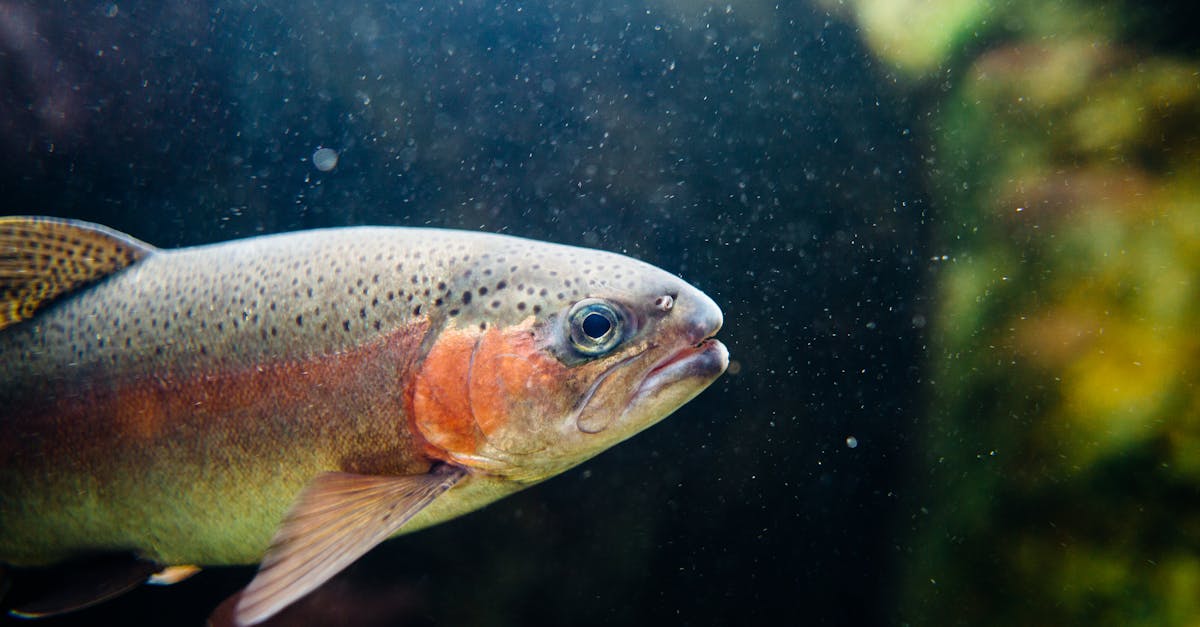
Rainbow Trout
The rainbow trout is Montana's most widespread and popular gamefish, celebrated for its explosive surface strikes, aerial acrobatics, and willingness to take a well-presented dry fly. Native to Pacific Coast drainages from Alaska to Mexico, rainbows were first introduced to Montana's waters in the late 1800s and have since established thriving populations in nearly every major river system in the state. On legendary waters like the Madison, Missouri, and Bighorn, wild rainbow trout grow fat on prolific insect hatches and provide some of the finest dry-fly fishing in North America. Rainbow trout in Montana display remarkable variation depending on their home water. Fish in nutrient-rich tailwaters like the Missouri River below Holter Dam can exceed 20 inches with regularity, their deep bodies and broad tails reflecting the abundant food supply. Freestone river rainbows, such as those in the upper Madison and Gallatin, tend to be leaner and more athletic, shaped by faster currents and colder water temperatures. In many Montana rivers, rainbows spawn in the spring from March through June, and anglers should be mindful of spawning redds during this period to protect future generations of fish. Rainbows are arguably the most versatile trout species for fly anglers. They respond well to dry flies during hatches, aggressively chase streamers, and feed heavily on nymphs subsurface throughout the year. Their fighting ability is legendary: a hooked rainbow will often launch itself completely out of the water multiple times during a battle. Montana's catch-and-release regulations on many blue-ribbon streams have produced exceptional rainbow trout fisheries with high densities of large, healthy fish that continue to draw anglers from around the world.
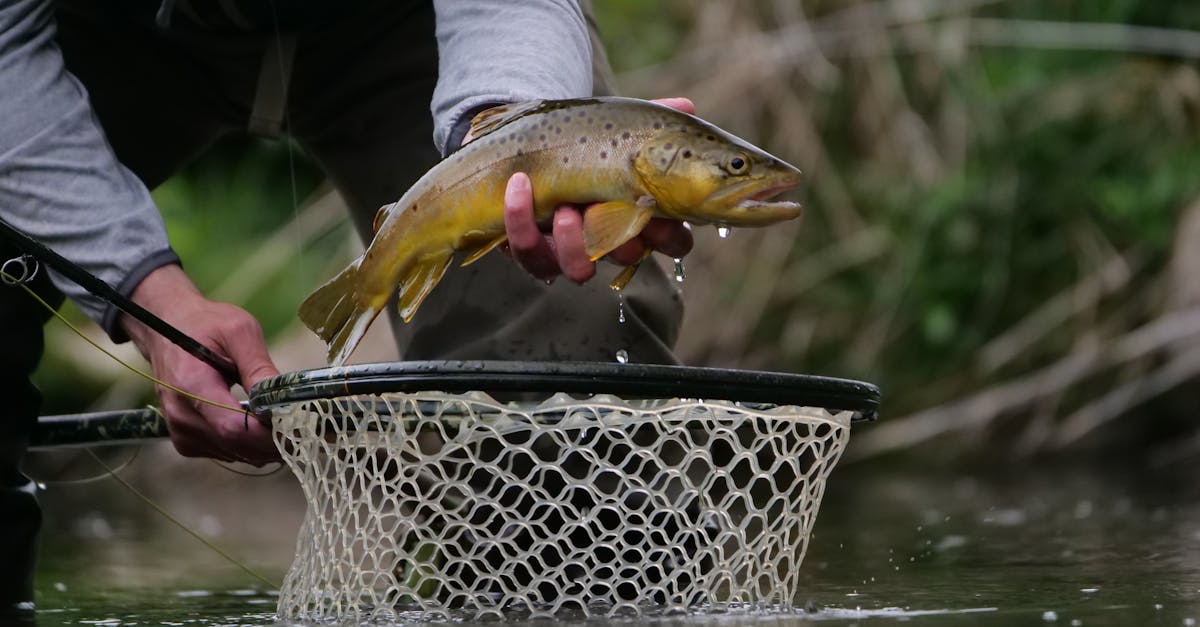
Brown Trout
The brown trout is the most cunning and elusive trout species swimming in Montana's rivers, and it rewards patient, skilled anglers with some of the state's most memorable catches. Originally native to Europe and western Asia, brown trout were first introduced to North American waters in 1883 and arrived in Montana shortly thereafter. They have since established robust, self-sustaining populations in virtually every major trout stream in the state, from the legendary spring creeks of the Paradise Valley to the sweeping runs of the lower Madison and the deep pools of the Bighorn. Brown trout grow larger than any other trout species in Montana, and fish exceeding 24 inches are caught with regularity on premium waters. The lower Madison River, the Missouri River below Holter Dam, and the Bighorn River are particularly renowned for producing trophy-class browns. Unlike rainbows, brown trout spawn in the fall (October through November), and their aggressive pre-spawn behavior creates an exciting window for streamer fishing as large males become territorial and attack anything that enters their domain. Browns are notably more nocturnal than other trout species, and many of the biggest fish are caught during low-light conditions. What sets brown trout apart from other species is their wariness and selectivity. Large browns are notoriously difficult to fool, often refusing flies that are even slightly off in size, color, or presentation. They tend to establish and defend prime feeding lies (undercut banks, logjams, deep pools, and boulder gardens), and an angler who learns to read water and identify these holding spots will consistently catch more and larger fish. This combination of difficulty, size potential, and intelligence makes the brown trout the most prized quarry for many serious Montana fly fishers.
Fall River Hatch Chart
| Insect | Suggested Fly | Jan | Feb | Mar | Apr | May | Jun | Jul | Aug | Sep | Oct | Nov | Dec |
|---|---|---|---|---|---|---|---|---|---|---|---|---|---|
Hexagenia (Hex) evening | Parachute Adams | ||||||||||||
Pale Morning Dun morning | PMD Comparadun | ||||||||||||
Tricos morning | Trico Spinner | ||||||||||||
Blue-Winged Olive (Baetis) afternoon | RS2 | ||||||||||||
Blue-Winged Olive (Baetis) afternoon | BWO Emerger | ||||||||||||
Midges morning | Zebra Midge | ||||||||||||
Damselflies all day | Woolly Bugger |
Hexagenia (Hex): Trophy Hex hatch. Giant mayflies at dusk. Peak late June to mid-July. Size 8-12.
Pale Morning Dun: Consistent PMD hatches. Mid-morning through early afternoon. Size 14-18.
Tricos: Late summer and fall spinner falls. Technical fishing. Size 18-24.
Blue-Winged Olive (Baetis): Spring BWOs on overcast days. Size 18-22.
Blue-Winged Olive (Baetis): Fall BWOs return with cooling temps. Size 18-22.
Midges: Year-round midge activity. Size 20-26.
Damselflies: Damsel nymphs along weed beds in summer. Size 10-12.
Recommended Flies
Parachute Adams
Top PickHex patterns for the legendary hatch; late June-July
Best in summer
PMD Comparadun
Top PickPMD Comparadun for consistent spring/summer hatches
Best in summer
Trico Spinner
Top PickTrico spinner for late summer technical fishing
Best in summer
Zebra Midge
Top PickYear-round midge patterns; essential spring creek staple
Best in winter
RS2
Top PickRS2 for BWO and midge emergers
Best in spring
BWO Emerger
Top PickBWO emerger for fall Baetis hatches
Best in fall
Pheasant Tail Nymph
Top PickPheasant Tail nymph for subsurface work
Best in spring
Also Effective
Access Points & Boat Launches
Cal Trout Public Access
Wade AccessModerateThe primary public access to Fall River, managed by California Trout. Catch-and-release only, flies with barbless hooks only, and advance reservation required. Limited number of anglers per day. Boat launch for small prams and pontoons. This is world-class spring creek fishing with trophy wild trout in crystal-clear water.
Fall River Lodge Access
Wade AccessEasy (for lodge guests)Private lodge access for guests. Fall River Hotel and other lodges provide guided access to private sections of the river. This is the primary way most visiting anglers experience Fall River. World-class spring creek fishing with large, selective trout. Book well in advance, especially for Hexagenia hatch dates in June-July.
Regulations
Regulations
Cal Trout Public Access: Catch-and-release only, artificial flies with barbless hooks only, advance reservation required. Private sections: Managed by landowners and lodges; typically catch-and-release with fly fishing only. California fishing license required. Access is highly restricted; contact Cal Trout or local lodges for current information. Verify regulations at wildlife.ca.gov/fishing.
Always verify current regulations with Montana Fish, Wildlife & Parks before fishing.
Some links may earn a commission. Learn more
Quick Facts
- Region
- Northern California / Shasta County
- Water Type
- Spring Creek
- River Length
- 12 fishable miles (limited access)
- Difficulty
- Advanced
- Best Seasons
- spring, summer, fall
- Trout Per Mile
- 800-1,500 (wild fish population)
- Record Trout
- Rainbow and brown trout exceeding 24 inches documented; fish over 6 lbs caught regularly
- Species
- Rainbow Trout, Brown Trout
Nearby Rivers
Lower Sacramento River
Northern California / Shasta County
McCloud River
Northern California / Shasta County
Hat Creek
Northern California / Shasta County
Upper Sacramento River
Northern California / Siskiyou and Shasta Counties
Pit River
Northern California / Shasta County
Truckee River
Eastern Sierra / Nevada and Placer Counties
East Walker River
Eastern Sierra / Mono County
Hot Creek
Eastern Sierra / Mono County
Upper Klamath River
Northern California / Siskiyou County