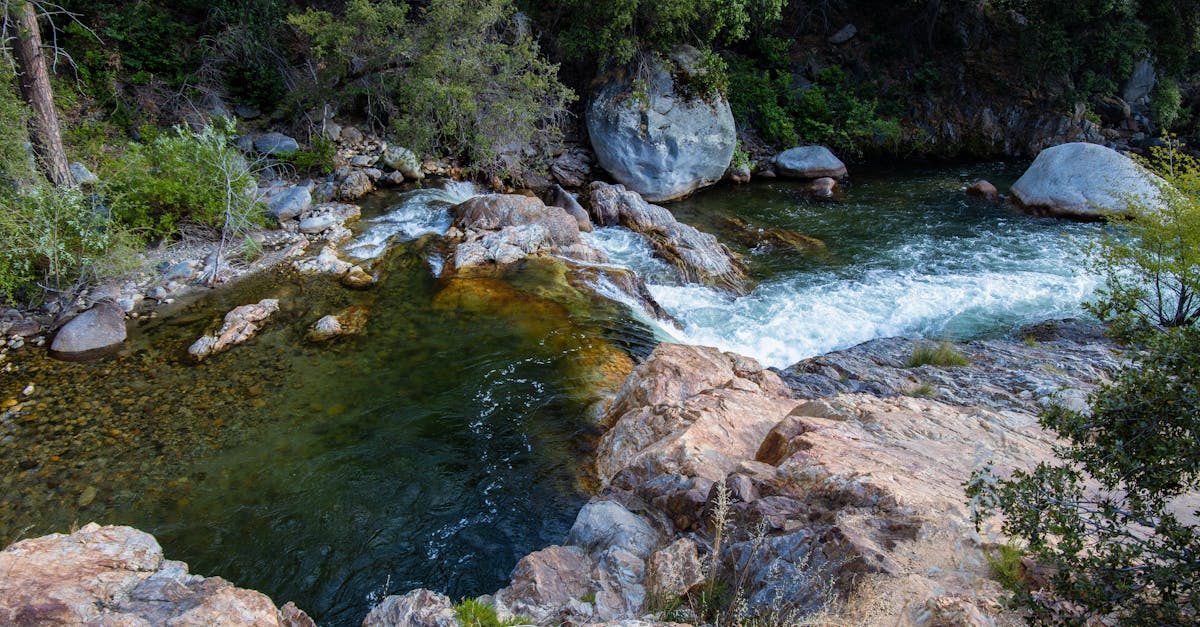
Upper Klamath River
The Upper Klamath River is undergoing a historic transformation following the largest dam removal project in American history. With the removal of four dams completed in 2024, the river is reopening to anadromous fish runs for the first time in over a century. For fly anglers, the Upper Klamath offers the thrill of swinging flies for wild steelhead in remote, rugged canyon country, along with excellent opportunities for resident rainbow and brown trout. This is a river being reborn.
Upper Klamath River Fishing Report & Current Conditions
The Upper Klamath River is a freestone fishery, and it fishes best in spring, summer, fall and winter. Live USGS streamflow readings update throughout the day, while the monthly median flows below map the river's typical discharge across the year. Together they show current fishability and how today's water compares to the seasonal norm.
Current Conditions
Typical Monthly Flows
Historical median discharge (CFS) by month: Upper Klamath River
Overview
The Klamath River is the second-largest river in California, flowing approximately 250 miles from its headwaters in Oregon to the Pacific Ocean. The Upper Klamath in California (the section from the former Iron Gate Dam site downstream to Happy Camp and beyond) has been profoundly altered by the historic dam removal project that culminated in 2024. Four dams on the Klamath (Iron Gate, Copco 1, Copco 2, and J.C. Boyle) were removed between 2023-2024, reopening over 420 miles of habitat to anadromous salmon and steelhead.
For over a century, these dams blocked migratory fish runs and degraded the river ecosystem. With the dams gone, wild steelhead and Chinook salmon are returning to historic spawning grounds, and the Upper Klamath is emerging as one of the most significant wild steelhead fisheries on the West Coast. The river flows through remote, rugged canyon country with a mix of long swinging runs, deep pools, and fast pocket water ideal for both steelhead and resident trout.
Traditional spey and switch rod techniques are the preferred methods for steelhead, with anglers swinging intruder-style flies, classic wet fly patterns, and modern streamers through tailouts and seams. The river also holds good numbers of "half-pounder" steelhead (immature fish in the 14-18 inch range) that aggressively chase flies and provide outstanding sport on lighter tackle. Resident rainbow and brown trout inhabit the river year-round and respond well to nymphing and dry fly techniques.
Access to the Upper Klamath requires some effort. The river flows through remote country, and reaching productive water often requires jet boat shuttles, drift boat floats, or significant hiking. But the solitude, scenery, and quality of the experience are unmatched. This is a frontier fishery, and anglers who explore it now are witnessing a rare event: a major river ecosystem being restored.
Water Characteristics
The Upper Klamath is a large, powerful freestone river with a boulder and cobble bottom. Water clarity varies seasonally, typically 2-5 feet of visibility once runoff subsides. The river never achieves gin-clear conditions, which works in the angler's favor for steelhead fishing. Water temperatures are cool year-round, ranging from the mid-40s in winter to the mid-50s in summer.
The insect community includes caddisflies (prolific), salmonflies in some sections, golden stoneflies, Blue-Winged Olives, and various small mayflies. The river also supports populations of sculpin, lamprey, and juvenile salmon and steelhead as forage. As the river ecosystem recovers from a century of dam impacts, the aquatic insect populations are expected to improve dramatically.
The anadromous fish runs are rebuilding after the dam removals. Biologists predict that steelhead and salmon populations will increase significantly over the coming decade as the river habitat heals and fish recolonize historic spawning grounds.
Wading & Float Guide
The Upper Klamath is a large river that demands respect from wading anglers. The river is typically 80-150 feet wide with a boulder and cobble bottom, moderate to strong current, and water depths that vary from knee-deep riffles to chest-deep pools. Felt-soled or studded wading boots are essential, and a wading staff provides critical stability.
At typical summer and fall flows (800-1,500 cfs in the upper sections), careful wading along the margins and through the shallower riffles is possible for experienced anglers. The main current channels are often too deep and fast to wade. When steelhead fishing, anglers typically wade to reach casting positions on gravel bars and tailouts, then swing flies through the productive water without moving.
During spring runoff (April through June), flows can exceed 3,000-5,000 cfs, making wading dangerous and largely impractical. Winter flows are typically moderate but cold water temperatures and the possibility of ice along the margins require preparation. Always check current flows and be aware of changing conditions.
Iron Gate area to Hornbrook
Upper river float with good steelhead and resident trout water. Class II rapids in some sections. Jet boat or drift boat access. Scenic canyon setting with improving habitat as the river recovers from dam removal.
Hornbrook to Seiad Valley
Extended remote canyon float with excellent steelhead runs and deep pools. Class II-III rapids require competent rowing. Multi-day trip or long day. Outstanding wild steelhead potential as runs rebuild.
Seiad Valley to Happy Camp
Lower canyon section with big-water character. Deep pools, long tailouts, and gravel bars ideal for swinging flies. Good jet boat access from Happy Camp.
Rod & Tackle Guide
Upper Klamath steelhead (swinging)
- Rod
- 10'6" to 13' spey rod (6-weight to 8-weight), or 9'6" to 10' switch rod (6-weight to 7-weight)
- Line
- Skagit or Scandi spey line with interchangeable tips; floating, intermediate, and sink-tip options
- Leader & Tippet
- 4' of 2X-3X fluorocarbon for swinging
Two-handed rods are ideal for covering water efficiently and swinging flies. Bring a variety of sink tips (intermediate, Type 3, Type 6) to adjust to different water depths and flows.
Upper Klamath resident trout and half-pounders
- Rod
- 9' 6-weight or 7-weight single-hand
- Line
- Weight-forward floating; sink-tip for nymphing or streamers
- Leader & Tippet
- 9' tapered to 3X-5X depending on technique
The 6-weight or 7-weight single-hand rod is versatile for trout and aggressive half-pounder steelhead. Handles nymphing, dry flies, and small streamers comfortably.
Best Time to Fish the Upper Klamath River
Spring
Spring brings the first steelhead runs of the year as winter fish linger and spring fish begin entering. Nymphing and swinging flies through the deeper runs is productive. Resident trout fishing improves as water temperatures warm. Caddis and stonefly hatches begin in May. Flows can be high and fast from snowmelt; check conditions carefully. The river is in transition as the ecosystem recovers from dam removal.
Summer
Summer steelhead enter the system from June onward, providing opportunities for swinging flies to fresh fish. Half-pounder steelhead are particularly aggressive and willing to chase flies. Resident rainbow and brown trout fishing is excellent with caddis and stonefly hatches. Dry fly fishing with attractor patterns (Stimulators, Elk Hair Caddis) is productive. Water temperatures remain cool thanks to the river's size and canyon shading.
Fall
Fall is the premier steelhead season on the Upper Klamath. Fall-run steelhead enter in September and continue through November, with peak fishing typically in October. Swing intruder-style flies, classic wet flies, and modern streamers through tailouts and swinging runs. The canyon takes on autumn colors, and the fishing can be outstanding. Chinook salmon also enter in fall; avoid fishing on spawning redds but take advantage of egg-eating trout downstream.
Winter
Winter steelhead fishing continues from December through February as late-season fish move through the system. This is classic winter steelhead fishing: cold temperatures, moderate flows, and the chance at chrome-bright fish. Swinging flies with sink-tips or nymphing with egg patterns and attractor nymphs is effective. Dress warmly in layers. The remote character of the Upper Klamath means winter access can be challenging due to weather and road conditions.
Fishing Pressure & Local Tips
The Upper Klamath receives light to moderate fishing pressure due to its remote location and access challenges. The nearest major population centers are Medford, Oregon, and Redding, California, both over an hour away. The combination of dirt roads, long floats, and rugged terrain naturally limits the number of anglers.
During the fall steelhead season (September-November), pressure increases moderately, particularly in the more accessible sections near Hornbrook and Happy Camp. However, the river's length and the distribution of fish means crowding is rare. Weekday fishing offers near-solitude. The remote sections accessed by multi-day float trips or extended hikes see very few anglers.
Local Knowledge
Steelhead fishing on the Upper Klamath rewards persistence and coverage. These are wild fish in a large river; success rates are lower than on heavily-stocked rivers, but the fish are truly wild and fight with incredible strength. Use traditional swinging techniques: quarter your cast downstream, let the fly swing across the current on a tight line, and take a step downstream after each cast. Cover water methodically.
For resident trout, use standard freestone tactics: nymphing with attractor patterns (Copper Johns, Prince Nymphs), dry-dropper rigs, and dry flies when hatches are on. Local knowledge is invaluable. The fly shops (Siskiyou Fly Fishers in Yreka, local guides in Happy Camp) can provide current run timing, productive sections, and access information. Consider hiring a guide for your first trip, as the river is large and unfamiliar territory. This is a frontier fishery; embrace the adventure.
Species Present
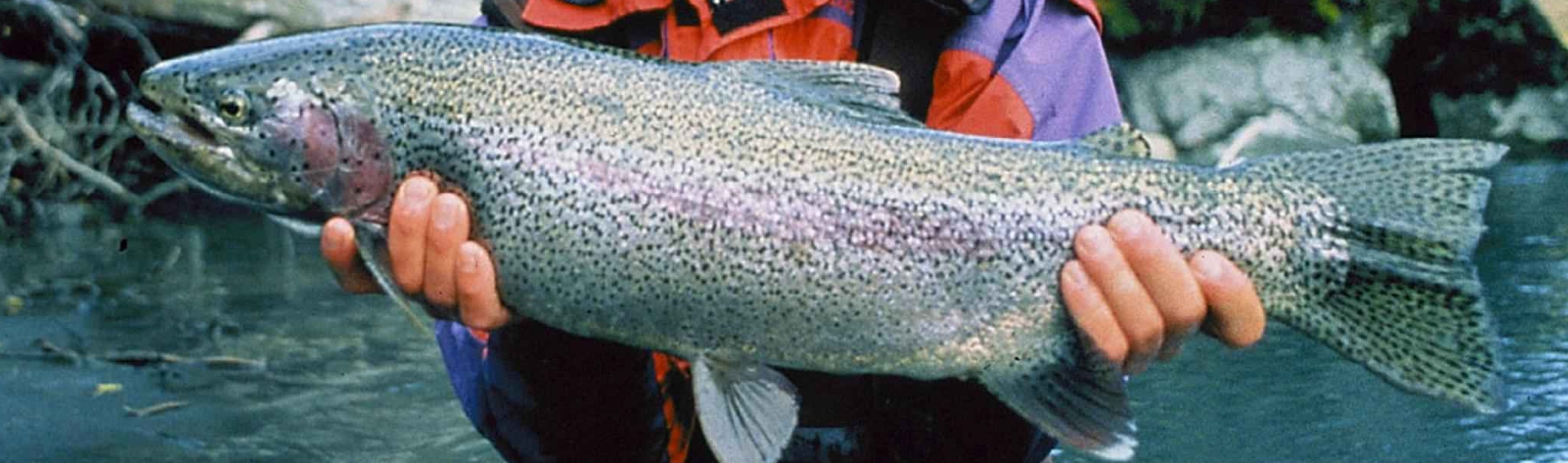
Steelhead
The steelhead is the undisputed monarch of Pacific Northwest fly fishing, a sea-run rainbow trout that combines the power of a salmon with the acrobatics of its resident rainbow cousins, wrapped in a chrome-bright package that can exceed 20 pounds. Genetically identical to rainbow trout (Oncorhynchus mykiss), steelhead are the anadromous form of the species: born in freshwater rivers, they migrate to the Pacific Ocean as juveniles, spend one to three years feeding in the rich saltwater environment, then return to their natal rivers to spawn. This ocean migration transforms a modest stream-resident rainbow into a muscular, silver-sided powerhouse that is widely considered the greatest gamefish available to fly anglers in North America. Steelhead are found in rivers throughout the Pacific Northwest, with Idaho, Oregon, and Washington offering the most celebrated fly-fishing opportunities. Idaho's Clearwater and Salmon rivers host legendary runs of summer steelhead, B-run fish that spend extra time in the ocean and return as massive 10- to 20-pound adults. Oregon's Deschutes River is perhaps the most iconic swing-fishing destination in the world, with summer steelhead providing consistent action from July through November. Washington's Olympic Peninsula rivers, the Skagit system, and tributaries of the Columbia River offer both summer and winter steelhead runs, drawing anglers from around the globe. Swing fishing for steelhead with a spey or switch rod is widely regarded as the pinnacle of fly-fishing pursuits. The technique involves casting a fly across and downstream, then allowing it to swing through the current on a tight line, covering water methodically as the angler steps downstream between each cast. The take of a steelhead on the swing, a sudden, violent pull that can nearly wrench the rod from your hands, is an experience that steelhead anglers describe as addictive beyond reason. The combination of the cast, the swing, the anticipation, the remote and beautiful river settings, and the sheer power of the fish creates a pursuit that many dedicated anglers build their entire fishing lives around.
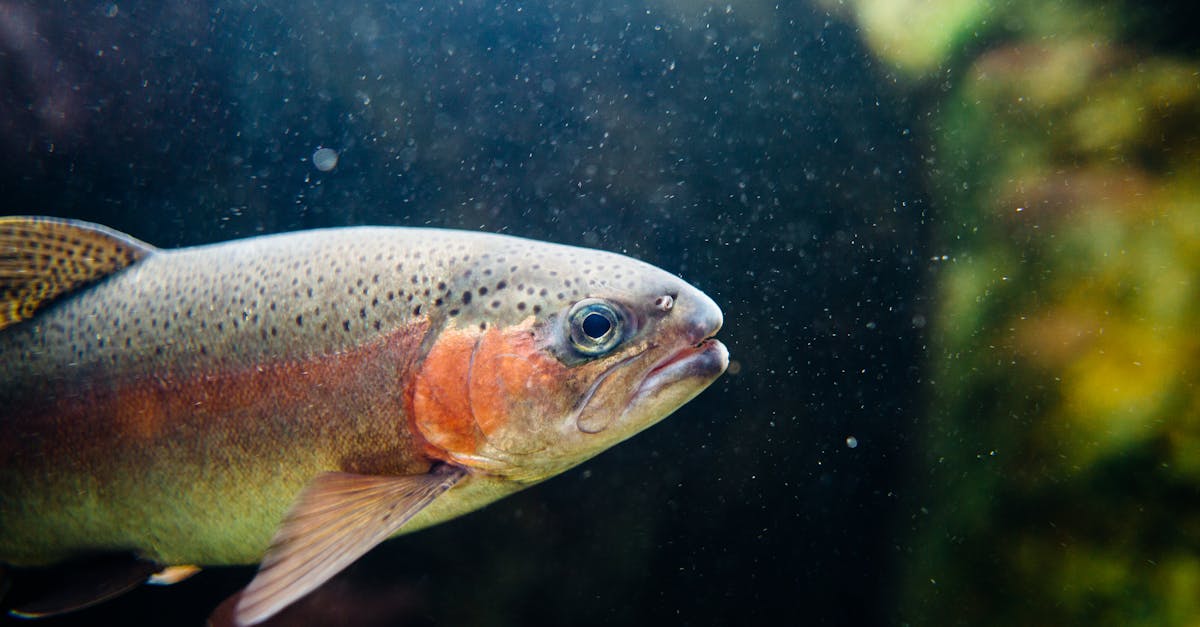
Rainbow Trout
The rainbow trout is Montana's most widespread and popular gamefish, celebrated for its explosive surface strikes, aerial acrobatics, and willingness to take a well-presented dry fly. Native to Pacific Coast drainages from Alaska to Mexico, rainbows were first introduced to Montana's waters in the late 1800s and have since established thriving populations in nearly every major river system in the state. On legendary waters like the Madison, Missouri, and Bighorn, wild rainbow trout grow fat on prolific insect hatches and provide some of the finest dry-fly fishing in North America. Rainbow trout in Montana display remarkable variation depending on their home water. Fish in nutrient-rich tailwaters like the Missouri River below Holter Dam can exceed 20 inches with regularity, their deep bodies and broad tails reflecting the abundant food supply. Freestone river rainbows, such as those in the upper Madison and Gallatin, tend to be leaner and more athletic, shaped by faster currents and colder water temperatures. In many Montana rivers, rainbows spawn in the spring from March through June, and anglers should be mindful of spawning redds during this period to protect future generations of fish. Rainbows are arguably the most versatile trout species for fly anglers. They respond well to dry flies during hatches, aggressively chase streamers, and feed heavily on nymphs subsurface throughout the year. Their fighting ability is legendary: a hooked rainbow will often launch itself completely out of the water multiple times during a battle. Montana's catch-and-release regulations on many blue-ribbon streams have produced exceptional rainbow trout fisheries with high densities of large, healthy fish that continue to draw anglers from around the world.
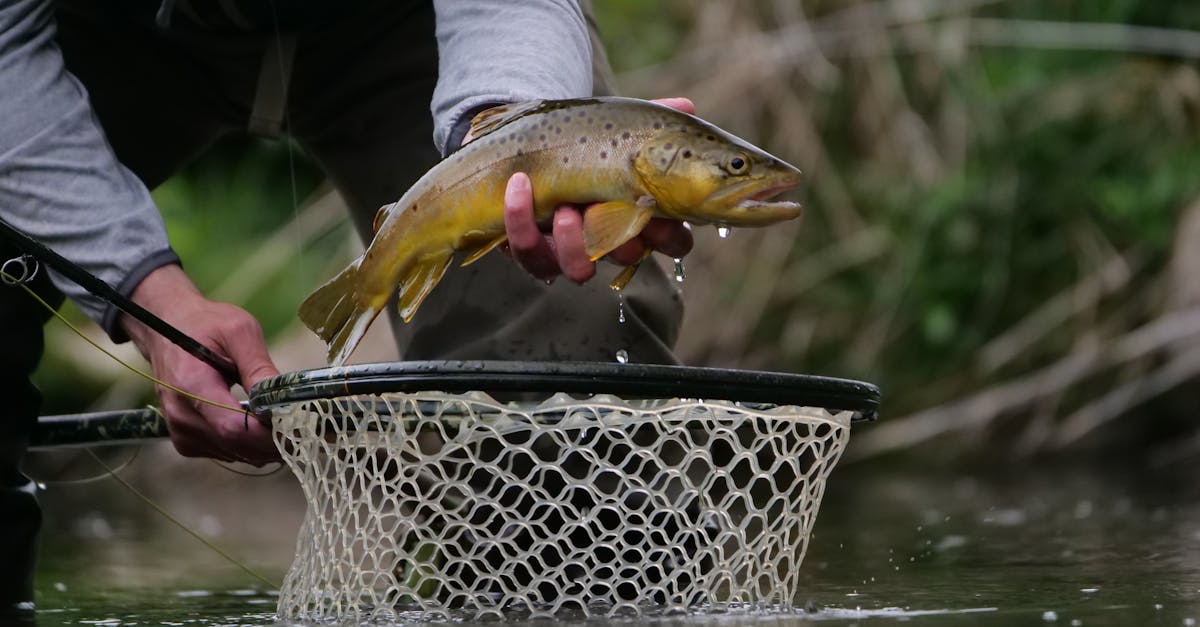
Brown Trout
The brown trout is the most cunning and elusive trout species swimming in Montana's rivers, and it rewards patient, skilled anglers with some of the state's most memorable catches. Originally native to Europe and western Asia, brown trout were first introduced to North American waters in 1883 and arrived in Montana shortly thereafter. They have since established robust, self-sustaining populations in virtually every major trout stream in the state, from the legendary spring creeks of the Paradise Valley to the sweeping runs of the lower Madison and the deep pools of the Bighorn. Brown trout grow larger than any other trout species in Montana, and fish exceeding 24 inches are caught with regularity on premium waters. The lower Madison River, the Missouri River below Holter Dam, and the Bighorn River are particularly renowned for producing trophy-class browns. Unlike rainbows, brown trout spawn in the fall (October through November), and their aggressive pre-spawn behavior creates an exciting window for streamer fishing as large males become territorial and attack anything that enters their domain. Browns are notably more nocturnal than other trout species, and many of the biggest fish are caught during low-light conditions. What sets brown trout apart from other species is their wariness and selectivity. Large browns are notoriously difficult to fool, often refusing flies that are even slightly off in size, color, or presentation. They tend to establish and defend prime feeding lies (undercut banks, logjams, deep pools, and boulder gardens), and an angler who learns to read water and identify these holding spots will consistently catch more and larger fish. This combination of difficulty, size potential, and intelligence makes the brown trout the most prized quarry for many serious Montana fly fishers.
Upper Klamath River Hatch Chart
| Insect | Suggested Fly | Jan | Feb | Mar | Apr | May | Jun | Jul | Aug | Sep | Oct | Nov | Dec |
|---|---|---|---|---|---|---|---|---|---|---|---|---|---|
Caddisflies (various) evening | Elk Hair Caddis | ||||||||||||
Salmonfly (Pteronarcys) all day | Norm Wood Special | ||||||||||||
Golden Stonefly all day | Stimulator | ||||||||||||
Blue-Winged Olive (Baetis) afternoon | Parachute Adams | ||||||||||||
Blue-Winged Olive (Baetis) afternoon | BWO Emerger | ||||||||||||
October Caddis evening | Elk Hair Caddis |
Caddisflies (various): Prolific caddis hatches. Dominant insect. Size 14-18.
Salmonfly (Pteronarcys): Giant stoneflies in some sections. Size 4-8.
Golden Stonefly: Summer golden stones. Size 8-12.
Blue-Winged Olive (Baetis): Spring BWOs. Size 16-20.
Blue-Winged Olive (Baetis): Fall BWOs. Size 18-20.
October Caddis: Fall orange caddis. Size 8-10.
Recommended Flies
Zuddler
Top Pick#1 steelhead pattern; swing intruder-style flies
Best in fall
Woolly Bugger
Top PickWoolly Bugger for swinging to steelhead and resident trout
Best in fall
Elk Hair Caddis
Top PickCaddis dry for resident trout; prolific hatches
Best in summer
Stimulator
Top PickStimulator for stonefly hatches and attractor fishing
Best in summer
Pat's Rubber Legs
Top PickStonefly nymph for resident trout
Best in spring
San Juan Worm
Top PickEgg patterns during winter steelhead season
Best in winter
Also Effective
Access Points & Boat Launches
Hornbrook Access
Boat LaunchEasyBoat launch and wade access in the town of Hornbrook. Put-in for float trips downstream and take-out for upper floats. Good steelhead water in fall and winter. Resident trout fishing year-round. The river here offers long runs and gravel bars ideal for swinging flies.
Happy Camp River Access
Boat LaunchEasyPrimary access point in Happy Camp for the lower Upper Klamath. Boat launch for jet boats and drift boats. Excellent steelhead water downstream with deep pools and swinging runs. Resident trout fishing in summer. Local guide services available. This is a key access point for the middle river.
Seiad Valley Access
Wade AccessModerateWade and boat access in Seiad Valley. The river here flows through a scenic valley with excellent steelhead runs and pools. Fall and winter steelhead fishing is outstanding. Summer resident trout fishing with caddis hatches. Limited services in the small community.
Regulations
Regulations
Upper Klamath River (CA): Steelhead and salmon regulations vary by season and location; check carefully. Typically, wild steelhead must be released. Hatchery steelhead (adipose fin clipped) may be retained in some sections during certain seasons. Resident trout: general California regulations. Barbless hooks required for steelhead. California fishing license with steelhead card required. Verify current rules at wildlife.ca.gov/fishing.
Always verify current regulations with Montana Fish, Wildlife & Parks before fishing.
Some links may earn a commission. Learn more
Quick Facts
- Region
- Northern California / Siskiyou County
- Water Type
- Freestone
- River Length
- 65+ fishable miles (Iron Gate area to Happy Camp and beyond)
- Difficulty
- Intermediate-Advanced
- Best Seasons
- spring, summer, fall, winter
- Trout Per Mile
- Variable; resident trout 400-800 per mile in upper sections; steelhead runs rebuilding
- Record Trout
- Steelhead to 15 lbs documented; half-pounders 14-18 inches; resident rainbows to 18 inches
- Species
- Steelhead, Rainbow Trout, Brown Trout
- USGS Gauge
- 11516530
Nearby Rivers
Lower Sacramento River
Northern California / Shasta County
McCloud River
Northern California / Shasta County
Hat Creek
Northern California / Shasta County
Fall River
Northern California / Shasta County
Upper Sacramento River
Northern California / Siskiyou and Shasta Counties
Pit River
Northern California / Shasta County
Truckee River
Eastern Sierra / Nevada and Placer Counties
East Walker River
Eastern Sierra / Mono County
Hot Creek
Eastern Sierra / Mono County