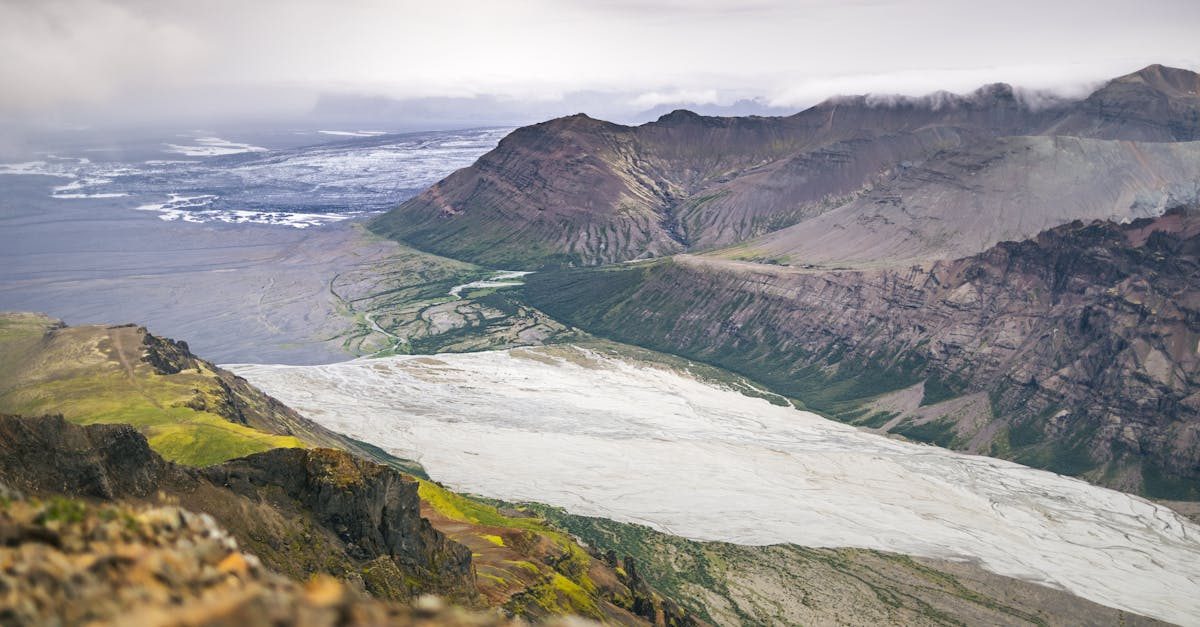
Lower Sacramento River
The Lower Sacramento River below Keswick Dam is widely considered the premier fly fishing tailwater in California and one of the best trout rivers in the western United States. Cold, nutrient-rich water released from Shasta and Keswick dams sustains a remarkable population of wild rainbow trout, with fish averaging 14-18 inches and larger specimens exceeding 20 inches taken regularly. This is big water with year-round fishing in a scenic setting through the city of Redding and south through the Sacramento Valley.
Lower Sacramento River Fishing Report & Current Conditions
The Lower Sacramento River is a tailwater fishery, and it fishes best in spring, summer, fall and winter. Live USGS streamflow readings update throughout the day, while the monthly median flows below map the river's typical discharge across the year. Together they show current fishability and how today's water compares to the seasonal norm.
Current Conditions
Typical Monthly Flows
Historical median discharge (CFS) by month: Lower Sacramento River
Overview
The Lower Sacramento River flows from Keswick Dam downstream approximately 32 miles to the town of Anderson, creating one of the most productive and accessible trout fisheries on the West Coast. The river begins its journey at the base of Keswick Dam, which regulates releases from massive Shasta Lake upstream. These cold bottom-releases maintain stable water temperatures year-round, typically in the 48-55 degree range, supporting continuous trout feeding and growth even during California's hot summer months.
The river flows through and around the city of Redding, offering the unusual combination of urban convenience and world-class fly fishing. Multiple public access points, boat launches, and wade-fishing areas line the river corridor, and the proximity to hotels, restaurants, and fly shops makes the Lower Sac an ideal destination for visiting anglers. Despite the urban setting, the riparian corridor of cottonwoods, willows, and sycamores creates a green tunnel that feels surprisingly wild.
The Lower Sacramento is predominantly a drift boat fishery. Guides run clients through long runs, deep slots, and gravel tailouts that hold impressive numbers of trout. A typical guided trip might cover 8-12 miles of river, hitting dozens of productive lies. Wading opportunities exist but are limited due to the river's size (typically 100-150 feet wide), strong current, and fluctuating flows from dam releases. The most productive wading is found in the upper reaches near Keswick Dam and at specific access points like the Posse Grounds and Bonnyview Bridge.
What sets the Lower Sacramento apart from other California trout waters is the sheer density of fish. It is not uncommon for experienced anglers to land 20 or more trout in a day during peak conditions, and the average size is impressive. The river also serves as a critical spawning corridor for Sacramento River winter-run Chinook salmon, an endangered species, so anglers must be aware of seasonal regulations designed to protect these fish.
Water Characteristics
The Lower Sacramento is a classic tailwater with cold, clear water maintained by bottom releases from Keswick Dam. Water clarity is typically 4-6 feet of visibility, improving to 8-10 feet during low, stable flows in fall and winter. The river never achieves gin-clear spring creek conditions, which works in the angler's favor by making trout less leader-shy and more willing to eat.
Water temperatures are the river's defining characteristic. The cold releases from Shasta Lake keep temperatures in the 48-55 degree range year-round, creating ideal trout habitat even when air temperatures soar above 100 degrees in summer. This thermal stability supports year-round insect activity and continuous trout feeding. The substrate is predominantly gravel and cobble, excellent habitat for both trout spawning and aquatic insect production.
The insect community is diverse and abundant. Caddisflies are the dominant order, with multiple species hatching throughout the year. The October Caddis (Dicosmoecus) is the signature hatch, bringing large trout to the surface for size 8-10 dry flies. Golden Stoneflies, Blue-Winged Olives, Pale Morning Duns, and midges round out the mayfly and stonefly populations. The river also supports healthy populations of sculpin and other forage fish, making streamer fishing viable.
Wading & Float Guide
The Lower Sacramento is a large tailwater river that demands respect from wading anglers. The river is typically 100-150 feet wide with a gravel and cobble bottom, moderate to strong current, and water depths that can change quickly. During normal flows (3,500-5,500 cfs at the Keswick gauge), much of the river is too deep or too fast for comfortable wading, particularly in the main channel. The edges, gravel bars, and inside bends offer the best wading opportunities.
Felt-soled or studded wading boots are strongly recommended, and a wading staff provides essential stability. The current is deceptively powerful, and the smooth cobble bottom can be slippery. Chest waders are recommended in all seasons. The biggest challenge for wade anglers is dealing with fluctuating flows from dam releases. Water levels can rise or fall significantly within hours depending on power generation demands, so always park well above the current water line and be aware of changing conditions.
The upper river near Keswick Dam and the areas around Posse Grounds and Bonnyview offer the most wade-friendly access. Below Anderson, the river becomes even larger and more challenging for foot anglers. Most serious fishing on the Lower Sac is done from drift boats, which provide access to the entire river and allow anglers to cover miles of productive water in a day.
Keswick Dam to Posse Grounds
Upper tailwater section with excellent trout habitat. Consistent runs, gravel bars, and deep slots. Class I water throughout. This is classic Lower Sac fishing with high trout density and good access. Half-day float.
Posse Grounds to Bonnyview Bridge
The most popular float section on the Lower Sac. Diverse water types including long runs, pocket water behind boulders, and deep bank water. Excellent dry-dropper and nymphing opportunities. Class I-II water. Full-day float.
Bonnyview Bridge to Anderson River Park
Lower river float with big water character. Deep pools, long glides, and undercut banks holding large rainbows. Less pressure than upper sections. Class I-II rapids. Full-day trip.
Anderson to Red Bluff
Extended lower river section with excellent fishing but warmer water in summer. Good fall and winter steelhead opportunities. Class I water, mostly. Long day or overnight trip.
Rod & Tackle Guide
Upper river wade fishing (Keswick to Posse Grounds)
- Rod
- 9' 5-weight or 6-weight
- Line
- Weight-forward floating
- Leader & Tippet
- 9' tapered to 4X or 5X
The 6-weight is preferable for the larger water and heavier nymph rigs. Bring a wading staff and wear studded boots for the slick cobble bottom.
Drift boat fishing (all sections)
- Rod
- 9' 6-weight
- Line
- Weight-forward floating; bring a sink-tip for streamers
- Leader & Tippet
- 9' tapered to 3X-5X depending on technique
The 6-weight is the standard for Lower Sac drift boat fishing. It handles indicator rigs, dry-dropper setups, and streamer casting comfortably. Two-rod setup is ideal: one for nymphing, one for dries or streamers.
Winter steelhead
- Rod
- 9'6" to 10' 7-weight or 8-weight; switch rod or light spey
- Line
- Floating with sink-tips; or full spey setup
- Leader & Tippet
- 4' of 2X-3X fluorocarbon for swinging; 9' to 4X for nymphing
Steelhead fishing demands heavier gear. A 7-weight or 8-weight single-hand rod handles egg patterns and heavy nymph rigs; a switch rod or spey rod is ideal for swinging flies.
Best Time to Fish the Lower Sacramento River
Spring
Spring offers outstanding fishing as the river comes alive after winter. Caddis hatches begin in March and intensify through April and May, with both tan and green caddis emerging. Blue-Winged Olive hatches occur on overcast days, typically in the afternoons. Golden Stoneflies begin showing up in May. Nymphing with caddis larvae, Copper Johns, and stonefly nymphs is consistently productive. Water temperatures warm into the ideal feeding range, and trout become increasingly aggressive. Spring flows are typically stable in the 3,500-4,500 cfs range.
Summer
Summer is prime time on the Lower Sac. The October Caddis hatch begins as early as July and continues through September, providing exceptional dry fly fishing in the evenings. PMD hatches occur sporadically in June and July. Caddis remain prolific throughout summer. The classic Lower Sac rig is a caddis dry or indicator with a beadhead nymph trailing 18-24 inches below. Early morning sessions before the heat of the day can be magical, and evening caddis emergences bring aggressive surface feeding. Water temperatures remain in the optimal range thanks to cold dam releases.
Fall
Fall fishing on the Lower Sacramento is excellent, though anglers must be aware of seasonal closures to protect spawning Chinook salmon. When fishing is open, trout feed aggressively in preparation for winter. Caddis hatches continue into October, and BWO hatches return as water temperatures cool. Egg patterns become effective as salmon spawn in the gravel, and trout key on drifting salmon eggs. Streamer fishing improves as predatory rainbows chase juvenile salmon. Check regulations carefully, as closures can vary by section and change annually.
Winter
Winter offers a unique opportunity on the Lower Sac: the chance to fish for both resident rainbow trout and migratory steelhead. Trout fishing remains productive with midges, small nymphs, and egg patterns. Steelhead enter the system from December through March, and swinging flies or drifting egg patterns through deeper runs can produce explosive takes from fish exceeding 10 lbs. Dress warmly in layers, as winter mornings can be cold. Flows are typically lower and more stable in winter, providing excellent wading conditions.
Fishing Pressure & Local Tips
The Lower Sacramento receives heavy fishing pressure year-round, particularly from guided drift boat trips. The river's proximity to Redding and the I-5 corridor makes it easily accessible from the San Francisco Bay Area and beyond. Summer weekends see significant boat traffic, with multiple guide operations running daily trips. Popular boat launches like Posse Grounds and Bonnyview can be busy on peak days.
However, the river's length (32 miles of quality water) and the drift boat nature of most fishing means pressure is distributed effectively. Boats are constantly moving, so encounters with other anglers are brief. For wading anglers, weekday mornings offer the best opportunities to avoid crowds. Fall and winter see reduced pressure, particularly during the salmon closure periods when many anglers shift to other waters. Hiring a guide for your first trip is highly recommended, as local knowledge of productive lies and effective techniques will significantly improve your success.
Local Knowledge
The Lower Sacramento rewards a methodical approach. Read the water carefully and identify the likely holding lies: the cushion of slack water in front of and behind boulders, the deeper trough along undercut banks, the seam between fast and slow current, and the tailouts of pools. Trout in the Lower Sac are not as selective as spring creek fish, but they are opportunistic and respond well to well-presented flies on the first or second drift.
For drift boat fishing, the double-nymph rig or dry-dropper rig dominates. Use a high-floating indicator or buoyant dry fly with one or two nymphs trailing below, and adjust your weight to tick the bottom occasionally. When the October Caddis are on (typically August through October), focus on the evening hours from 5 PM to dark. The local fly shops (The Fly Shop in Redding, Shasta Trout in Redding) are excellent resources for current conditions and fly recommendations. Watch the USGS gauge 11370500; optimal flows for wade fishing are 3,000-4,000 cfs, while drift boat fishing is comfortable up to 6,000 cfs.
Species Present
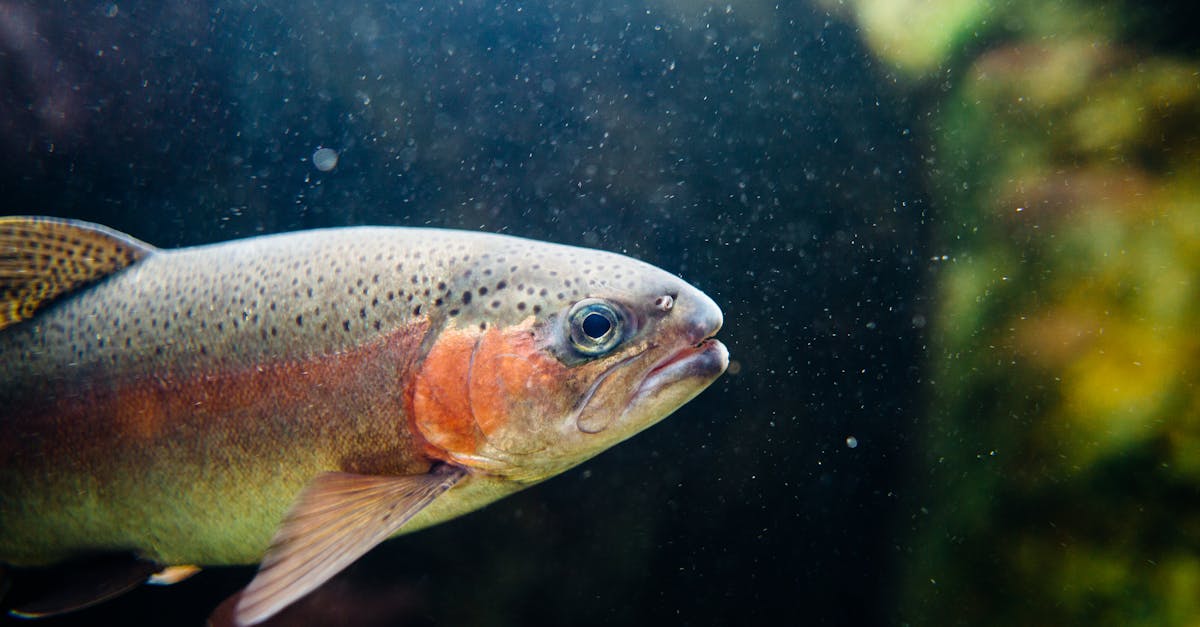
Rainbow Trout
The rainbow trout is Montana's most widespread and popular gamefish, celebrated for its explosive surface strikes, aerial acrobatics, and willingness to take a well-presented dry fly. Native to Pacific Coast drainages from Alaska to Mexico, rainbows were first introduced to Montana's waters in the late 1800s and have since established thriving populations in nearly every major river system in the state. On legendary waters like the Madison, Missouri, and Bighorn, wild rainbow trout grow fat on prolific insect hatches and provide some of the finest dry-fly fishing in North America. Rainbow trout in Montana display remarkable variation depending on their home water. Fish in nutrient-rich tailwaters like the Missouri River below Holter Dam can exceed 20 inches with regularity, their deep bodies and broad tails reflecting the abundant food supply. Freestone river rainbows, such as those in the upper Madison and Gallatin, tend to be leaner and more athletic, shaped by faster currents and colder water temperatures. In many Montana rivers, rainbows spawn in the spring from March through June, and anglers should be mindful of spawning redds during this period to protect future generations of fish. Rainbows are arguably the most versatile trout species for fly anglers. They respond well to dry flies during hatches, aggressively chase streamers, and feed heavily on nymphs subsurface throughout the year. Their fighting ability is legendary: a hooked rainbow will often launch itself completely out of the water multiple times during a battle. Montana's catch-and-release regulations on many blue-ribbon streams have produced exceptional rainbow trout fisheries with high densities of large, healthy fish that continue to draw anglers from around the world.
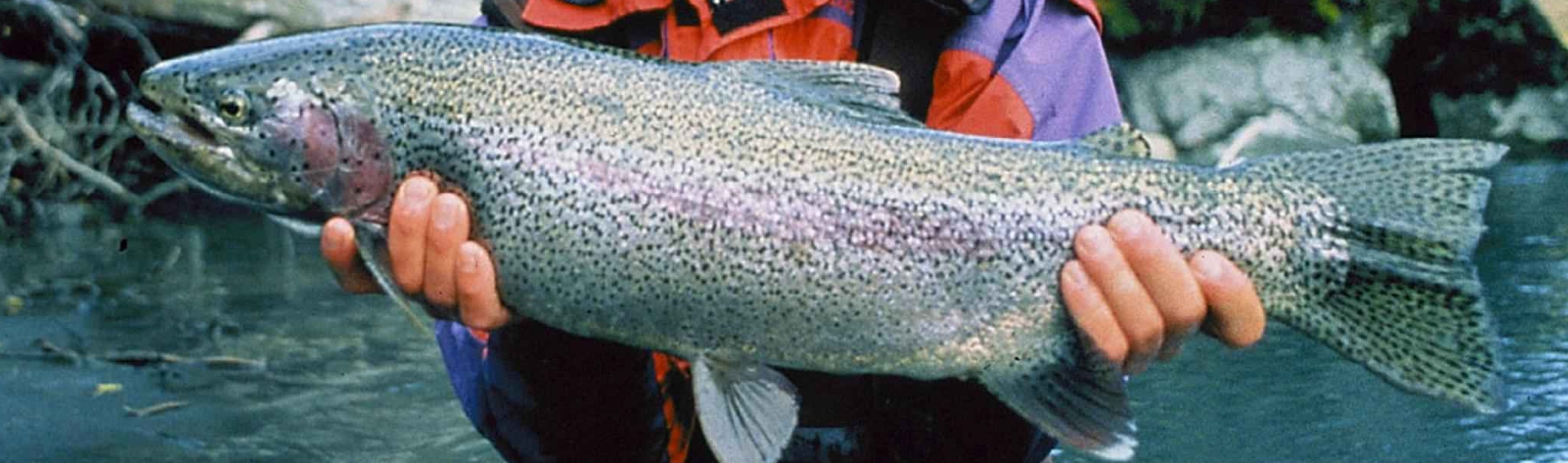
Steelhead
The steelhead is the undisputed monarch of Pacific Northwest fly fishing, a sea-run rainbow trout that combines the power of a salmon with the acrobatics of its resident rainbow cousins, wrapped in a chrome-bright package that can exceed 20 pounds. Genetically identical to rainbow trout (Oncorhynchus mykiss), steelhead are the anadromous form of the species: born in freshwater rivers, they migrate to the Pacific Ocean as juveniles, spend one to three years feeding in the rich saltwater environment, then return to their natal rivers to spawn. This ocean migration transforms a modest stream-resident rainbow into a muscular, silver-sided powerhouse that is widely considered the greatest gamefish available to fly anglers in North America. Steelhead are found in rivers throughout the Pacific Northwest, with Idaho, Oregon, and Washington offering the most celebrated fly-fishing opportunities. Idaho's Clearwater and Salmon rivers host legendary runs of summer steelhead, B-run fish that spend extra time in the ocean and return as massive 10- to 20-pound adults. Oregon's Deschutes River is perhaps the most iconic swing-fishing destination in the world, with summer steelhead providing consistent action from July through November. Washington's Olympic Peninsula rivers, the Skagit system, and tributaries of the Columbia River offer both summer and winter steelhead runs, drawing anglers from around the globe. Swing fishing for steelhead with a spey or switch rod is widely regarded as the pinnacle of fly-fishing pursuits. The technique involves casting a fly across and downstream, then allowing it to swing through the current on a tight line, covering water methodically as the angler steps downstream between each cast. The take of a steelhead on the swing, a sudden, violent pull that can nearly wrench the rod from your hands, is an experience that steelhead anglers describe as addictive beyond reason. The combination of the cast, the swing, the anticipation, the remote and beautiful river settings, and the sheer power of the fish creates a pursuit that many dedicated anglers build their entire fishing lives around.
Lower Sacramento River Hatch Chart
| Insect | Suggested Fly | Jan | Feb | Mar | Apr | May | Jun | Jul | Aug | Sep | Oct | Nov | Dec |
|---|---|---|---|---|---|---|---|---|---|---|---|---|---|
Caddisflies (various species) evening | Elk Hair Caddis | ||||||||||||
October Caddis evening | Elk Hair Caddis | ||||||||||||
Blue-Winged Olive (Baetis) afternoon | Parachute Adams | ||||||||||||
Blue-Winged Olive (Baetis) afternoon | BWO Emerger | ||||||||||||
Pale Morning Dun morning | PMD Comparadun | ||||||||||||
Golden Stonefly all day | Stimulator | ||||||||||||
Midges morning | Zebra Midge |
Caddisflies (various species): Prolific caddis hatches, the dominant insect. Tan and green caddis. Size 14-18.
October Caddis: The signature hatch. Large orange caddis. Best action 6 PM to dark. Size 8-10.
Blue-Winged Olive (Baetis): Spring BWOs on overcast days. Size 16-20.
Blue-Winged Olive (Baetis): Fall BWOs return as water cools. Size 18-20.
Pale Morning Dun: Sporadic summer PMD hatches. Size 16-18.
Golden Stonefly: Golden stone activity in spring. Size 8-12.
Midges: Year-round, especially important in winter. Size 18-24.
Recommended Flies
Elk Hair Caddis
Top Pick#1 pattern during October Caddis hatch; evening fishing July-October
Best in summer
Pheasant Tail Nymph
Top PickEssential nymph year-round; use as dropper in double-nymph rigs
Best in spring
Pat's Rubber Legs
Top PickGolden stonefly nymph; deadly in spring and early summer
Best in spring
Parachute Adams
Top PickUniversal mayfly pattern for BWO and PMD hatches
Best in summer
Zebra Midge
Top PickCritical winter pattern; fish slow, deep runs
Best in winter
Woolly Bugger
Top PickStreamer for fall rainbows and winter steelhead
Best in fall
Lightning Bug
Top PickFlash nymph for off-color water or deeper runs
Best in spring
San Juan Worm
Top PickEgg pattern during salmon spawn season
Best in fall
Also Effective
Access Points & Boat Launches
Keswick Dam Area
Wade AccessModerateUpper tailwater access near Keswick Dam. This area provides walk-in wade access to the cold, clear water immediately below the dam. Excellent trout habitat with deep runs, gravel bars, and pocket water. Limited parking and short walk to the river. Some of the best wading on the Lower Sac.
Posse Grounds Boat Launch
Boat LaunchEasyThe most popular put-in for guided drift boat trips on the Lower Sacramento. Well-maintained concrete boat ramp with ample trailer parking. Also provides excellent wade access to the surrounding river. The runs and pools near Posse Grounds hold good numbers of rainbows year-round. Expect company on summer weekends.
Bonnyview Bridge
Boat LaunchEasyMid-river access serving as both a take-out from Posse Grounds and a put-in for lower sections. Concrete boat ramp and good wade access upstream and downstream of the bridge. The water here offers diverse habitat including long runs, pocket water, and deep slots holding large rainbows.
Anderson River Park
Boat LaunchEasyLower river access in the town of Anderson. Serves as the take-out for extended float trips from Posse Grounds or Bonnyview. Improved boat ramp and park facilities. Good wade fishing access in the surrounding area. The lower river is warmer in summer but excellent in fall and winter for both trout and steelhead.
Regulations
Regulations
Keswick Dam to Highway 44 (Balls Ferry): Barbless hooks required year-round. Seasonal closures may be in effect to protect spawning Chinook salmon, typically October through December; check current regulations. Trout bag limit 2 fish, minimum 16 inches. Some sections may be catch-and-release for trout during certain periods. California fishing license required. Regulations change frequently to protect endangered salmon; always verify current rules at wildlife.ca.gov/fishing.
Always verify current regulations with Montana Fish, Wildlife & Parks before fishing.
Some links may earn a commission. Learn more
Quick Facts
- Region
- Northern California / Shasta County
- Water Type
- Tailwater
- River Length
- 32 fishable miles (Keswick Dam to Anderson)
- Difficulty
- Intermediate
- Best Seasons
- spring, summer, fall, winter
- Trout Per Mile
- 3,500-5,000 in prime sections
- Record Trout
- Rainbow trout exceeding 24 inches documented; fish over 6 lbs caught annually
- Species
- Rainbow Trout, Steelhead
- USGS Gauge
- 11370500
Nearby Rivers
McCloud River
Northern California / Shasta County
Hat Creek
Northern California / Shasta County
Fall River
Northern California / Shasta County
Upper Sacramento River
Northern California / Siskiyou and Shasta Counties
Pit River
Northern California / Shasta County
Truckee River
Eastern Sierra / Nevada and Placer Counties
East Walker River
Eastern Sierra / Mono County
Hot Creek
Eastern Sierra / Mono County
Upper Klamath River
Northern California / Siskiyou County