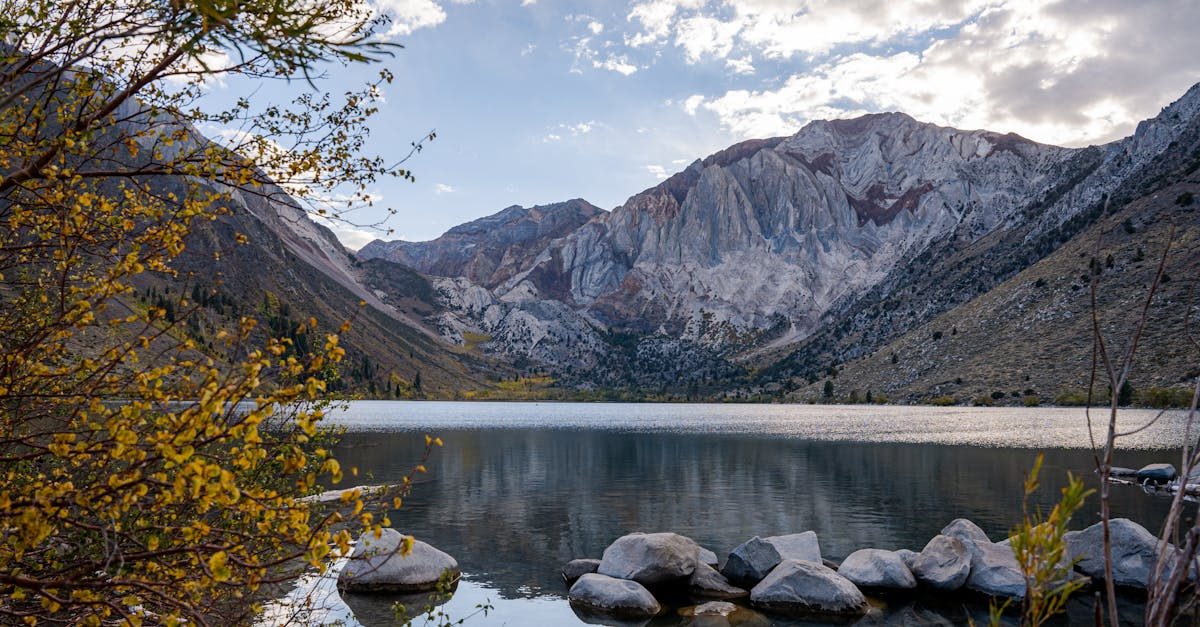
East Walker River
The East Walker River below Bridgeport Reservoir is one of the finest brown trout tailwaters in the Sierra Nevada, known for producing trophy-class fish that regularly exceed 20 inches. Cold releases from the reservoir sustain a population of browns that are disproportionately heavy for their length, feeding on prolific insect hatches in meadow water at high elevation. The river flows through open sagebrush country with spectacular mountain views, offering technical dry fly fishing and rewarding streamer work for dedicated anglers.
East Walker River Fishing Report & Current Conditions
The East Walker River is a tailwater fishery, and it fishes best in spring, summer and fall. Live USGS streamflow readings update throughout the day, while the monthly median flows below map the river's typical discharge across the year. Together they show current fishability and how today's water compares to the seasonal norm.
Current Conditions
Typical Monthly Flows
Historical median discharge (CFS) by month: East Walker River
Overview
The East Walker River flows from the high country of the Sierra Nevada eastward through Bridgeport Valley before joining the West Walker in Nevada. For fly anglers, the prime water is the roughly 8-mile section below Bridgeport Reservoir in California. This tailwater stretch meanders through open meadows at approximately 6,500 feet elevation, creating slow, clear runs and deep bends that hold exceptional brown trout.
The East Walker's claim to fame is the quality of its brown trout. Fish averaging 14-18 inches are common, and browns exceeding 20 inches are caught with regularity. Trophy fish over 24 inches and 6 lbs are taken each season. These browns are heavy-bodied, brilliantly colored, and remarkably strong. The combination of cold tailwater temperatures, rich insect life, and relatively light pressure creates ideal conditions for growing large trout.
The river flows through a mix of public and private land, with the California Department of Fish and Wildlife managing public access areas along much of the fishable stretch. The meadow environment with undercut banks, willow-lined channels, and deep pools holding cruising browns creates classic sight-fishing opportunities. The open terrain and clear water demand stealthy approaches and precise casts.
Water releases from Bridgeport Reservoir are managed for irrigation, which means flows can fluctuate seasonally. However, the cold bottom-releases maintain excellent trout habitat even during low-flow periods.
Water Characteristics
The East Walker below Bridgeport Reservoir is a classic meadow tailwater. Cold bottom-releases from the reservoir maintain water temperatures in the 48-58 degree range throughout the fishing season, creating ideal trout habitat. Water clarity is typically 4-8 feet of visibility, excellent for sight-fishing but clear enough to demand careful approaches.
The substrate is predominantly silt and gravel in the meadow sections, transitioning to cobble in the riffles. The river's slow gradient creates deep pools and undercut banks that provide excellent cover for large brown trout. The insect community is rich: Blue-Winged Olives, Pale Morning Duns, Tricos, caddisflies, and midges all contribute to the diet.
The meadow environment with sagebrush, willows, and grasslands supports terrestrial insect populations that become important in summer and fall. Sculpin and other forage fish are present, making streamer fishing viable year-round.
Wading & Float Guide
The East Walker River is generally wadeable during normal summer and fall flows (50-150 cfs). The bottom is composed of silt, gravel, and cobble with some soft, mucky sections along the banks. The current is gentle in the meadow stretches, creating comfortable wading for most anglers. Felt-soled boots work well; studded boots are less necessary than on rocky freestone streams.
The meadow environment with undercut banks and deep bends means anglers should wade carefully to avoid bank collapse and silting the water. Many experienced anglers fish from the banks whenever possible, crouching low and making long casts to sighted fish. When wading is necessary, move slowly and deliberately.
During spring runoff or high reservoir releases, flows can exceed 300 cfs, making wading more challenging. Always check current flows before your trip.
East Walker River (CA section)
The East Walker is primarily a wade fishery. The meadow water is shallow and slow, not well-suited to drift boats. Anglers walk the banks and wade to productive lies.
Rod & Tackle Guide
East Walker River (meadow sections)
- Rod
- 9' 5-weight or 6-weight
- Line
- Weight-forward floating; sink-tip for streamers
- Leader & Tippet
- 9-12' tapered to 5X or 6X for dries/nymphs; 4' of 2X-3X for streamers
The 6-weight is preferable for streamer work and casting in the frequent wind. Bring polarized sunglasses for sight-fishing and a selection of streamer patterns for fall trophy browns.
Best Time to Fish the East Walker River
Spring
Spring fishing on the East Walker begins in late April or early May as snow melts and access roads open. BWO hatches are reliable on overcast days, typically from 1 PM to 4 PM. Midge activity is constant. Nymphing with Pheasant Tails, Zebra Midges, and small attractors is productive as trout feed aggressively after the lean winter. By June, PMD hatches begin. Spring flows can be high depending on snowpack and reservoir releases; check conditions before making the drive.
Summer
Summer offers the most consistent fishing on the East Walker. PMD hatches are reliable from mid-June through July, providing excellent dry fly action during mid-morning to early afternoon. Caddis hatches occur sporadically. Trico spinners provide technical morning fishing in August. The meadow water is perfect for stalking individual fish: spot a rising or cruising brown, get into position, and make a careful presentation. Streamer fishing along undercut banks in the early morning or late evening targets the largest browns.
Fall
Fall is the premier season for trophy brown trout on the East Walker. Browns become increasingly aggressive as they prepare for spawning in October and November. BWO hatches return with cooler temperatures. Streamer fishing is at its peak; swing or strip olive and brown Woolly Buggers, Zuddlers, and sculpin patterns through deep bends and undercut banks. The autumn colors in Bridgeport Valley are spectacular. By November, weather becomes unpredictable, and early winter storms can close access roads.
Fishing Pressure & Local Tips
The East Walker receives moderate fishing pressure concentrated during the peak summer months (June through August) and the fall trophy brown season (September through October). The river's location near Bridgeport and the scenic Eastern Sierra highway (US 395) makes it accessible to Bay Area and Southern California anglers.
Weekends see the most pressure, particularly at the popular access points. Weekday fishing offers significantly reduced competition. Spring and late fall see fewer anglers due to unpredictable weather and road conditions. Anglers willing to walk away from parking areas can find lightly-pressured water.
Local Knowledge
The East Walker rewards patience and precision. These brown trout are wary and well-educated, particularly the larger fish. Approach each section of river carefully, staying low and moving slowly. Glass the water for several minutes before casting to identify feeding lanes and individual fish. Long casts with delicate presentations are often necessary.
For streamer fishing (the most effective technique for the largest browns), use a sink-tip line or weighted flies and work the undercut banks and deep bends methodically. Retrieve with slow, steady strips or swing the fly across the current. Early morning and late evening are prime times. The local fly shops (Ken's Sporting Goods in Bridgeport, The Trout Fitter in Mammoth Lakes) provide current conditions and fly recommendations. Watch the USGS gauge at Bridgeport (10293000); optimal flows are 80-180 cfs.
Species Present
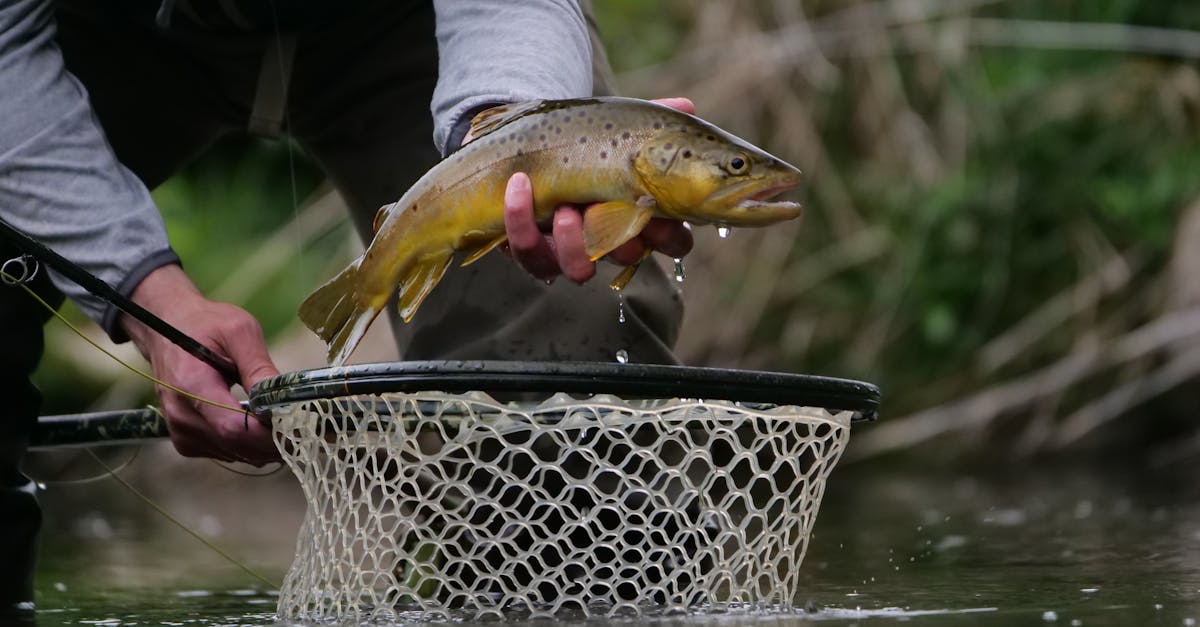
Brown Trout
The brown trout is the most cunning and elusive trout species swimming in Montana's rivers, and it rewards patient, skilled anglers with some of the state's most memorable catches. Originally native to Europe and western Asia, brown trout were first introduced to North American waters in 1883 and arrived in Montana shortly thereafter. They have since established robust, self-sustaining populations in virtually every major trout stream in the state, from the legendary spring creeks of the Paradise Valley to the sweeping runs of the lower Madison and the deep pools of the Bighorn. Brown trout grow larger than any other trout species in Montana, and fish exceeding 24 inches are caught with regularity on premium waters. The lower Madison River, the Missouri River below Holter Dam, and the Bighorn River are particularly renowned for producing trophy-class browns. Unlike rainbows, brown trout spawn in the fall (October through November), and their aggressive pre-spawn behavior creates an exciting window for streamer fishing as large males become territorial and attack anything that enters their domain. Browns are notably more nocturnal than other trout species, and many of the biggest fish are caught during low-light conditions. What sets brown trout apart from other species is their wariness and selectivity. Large browns are notoriously difficult to fool, often refusing flies that are even slightly off in size, color, or presentation. They tend to establish and defend prime feeding lies (undercut banks, logjams, deep pools, and boulder gardens), and an angler who learns to read water and identify these holding spots will consistently catch more and larger fish. This combination of difficulty, size potential, and intelligence makes the brown trout the most prized quarry for many serious Montana fly fishers.
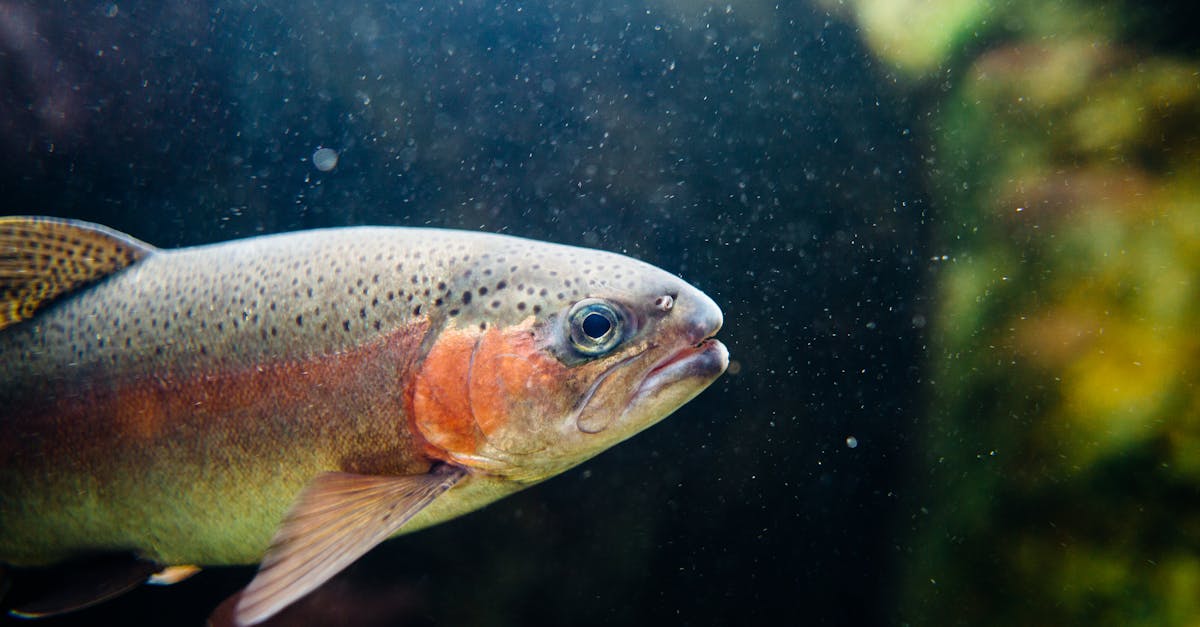
Rainbow Trout
The rainbow trout is Montana's most widespread and popular gamefish, celebrated for its explosive surface strikes, aerial acrobatics, and willingness to take a well-presented dry fly. Native to Pacific Coast drainages from Alaska to Mexico, rainbows were first introduced to Montana's waters in the late 1800s and have since established thriving populations in nearly every major river system in the state. On legendary waters like the Madison, Missouri, and Bighorn, wild rainbow trout grow fat on prolific insect hatches and provide some of the finest dry-fly fishing in North America. Rainbow trout in Montana display remarkable variation depending on their home water. Fish in nutrient-rich tailwaters like the Missouri River below Holter Dam can exceed 20 inches with regularity, their deep bodies and broad tails reflecting the abundant food supply. Freestone river rainbows, such as those in the upper Madison and Gallatin, tend to be leaner and more athletic, shaped by faster currents and colder water temperatures. In many Montana rivers, rainbows spawn in the spring from March through June, and anglers should be mindful of spawning redds during this period to protect future generations of fish. Rainbows are arguably the most versatile trout species for fly anglers. They respond well to dry flies during hatches, aggressively chase streamers, and feed heavily on nymphs subsurface throughout the year. Their fighting ability is legendary: a hooked rainbow will often launch itself completely out of the water multiple times during a battle. Montana's catch-and-release regulations on many blue-ribbon streams have produced exceptional rainbow trout fisheries with high densities of large, healthy fish that continue to draw anglers from around the world.
East Walker River Hatch Chart
| Insect | Suggested Fly | Jan | Feb | Mar | Apr | May | Jun | Jul | Aug | Sep | Oct | Nov | Dec |
|---|---|---|---|---|---|---|---|---|---|---|---|---|---|
Blue-Winged Olive (Baetis) afternoon | RS2 | ||||||||||||
Blue-Winged Olive (Baetis) afternoon | BWO Emerger | ||||||||||||
Pale Morning Dun morning | Sparkle Dun | ||||||||||||
Tricos morning | Trico Spinner | ||||||||||||
Caddisflies (various) evening | Elk Hair Caddis | ||||||||||||
Midges morning | Zebra Midge |
Blue-Winged Olive (Baetis): Spring BWOs on overcast days. Size 18-22.
Blue-Winged Olive (Baetis): Fall BWOs, the dominant surface activity. Size 18-22.
Pale Morning Dun: Summer PMD hatches. Mid-morning to early afternoon. Size 16-18.
Tricos: Late summer spinner falls. Size 18-22.
Caddisflies (various): Sporadic caddis activity. Size 14-16.
Midges: Year-round midge activity. Size 18-24.
Recommended Flies
Woolly Bugger
Top Pick#1 pattern for trophy browns; swing or strip along banks
Best in fall
Zuddler
Top PickZuddler streamer for fall browns
Best in fall
Sparkle Dun
Top PickPMD Sparkle Dun for summer hatches
Best in summer
RS2
Top PickRS2 for BWO emergers spring and fall
Best in spring
Parachute Adams
Top PickParachute Adams for mayfly hatches
Best in summer
Pheasant Tail Nymph
Top PickPheasant Tail nymph year-round
Best in spring
Zebra Midge
Top PickZebra Midge for subsurface work
Best in winter
Also Effective
Access Points & Boat Launches
East Walker below Bridgeport Reservoir
Wade AccessEasyPrimary public access to the East Walker tailwater below Bridgeport Reservoir. Multiple pulloffs and designated access points provide walk-in access to the meadow water. Trophy brown trout fishing in slow, clear runs. Sight-fishing opportunities with careful approaches. Watch for private land boundaries.
East Walker Wildlife Area
Wade AccessEasyCalifornia DFW Wildlife Area providing public access to the East Walker. Walk-in access to meadow sections with undercut banks and deep bends holding large browns. Excellent streamer water in fall. Respect wildlife area regulations; primarily managed for waterfowl habitat.
Regulations
Regulations
East Walker River (below Bridgeport Reservoir): General California trout regulations. Bag limit 5 trout, minimum size 14 inches. Some anglers practice catch-and-release voluntarily to protect the trophy fishery. California fishing license required. Seasonal closures may occur; check current regulations. Access crosses public and private land; respect posted boundaries. Verify at wildlife.ca.gov/fishing.
Always verify current regulations with Montana Fish, Wildlife & Parks before fishing.
Some links may earn a commission. Learn more
Quick Facts
- Region
- Eastern Sierra / Mono County
- Water Type
- Tailwater
- River Length
- 8 fishable miles (CA section below Bridgeport Reservoir)
- Difficulty
- Intermediate
- Best Seasons
- spring, summer, fall
- Trout Per Mile
- 600-1,000 (wild brown trout)
- Record Trout
- Brown trout exceeding 26 inches documented; fish over 7 lbs caught annually
- Species
- Brown Trout, Rainbow Trout
- USGS Gauge
- 10293000
Nearby Rivers
Lower Sacramento River
Northern California / Shasta County
McCloud River
Northern California / Shasta County
Hat Creek
Northern California / Shasta County
Fall River
Northern California / Shasta County
Upper Sacramento River
Northern California / Siskiyou and Shasta Counties
Pit River
Northern California / Shasta County
Truckee River
Eastern Sierra / Nevada and Placer Counties
Hot Creek
Eastern Sierra / Mono County
Upper Klamath River
Northern California / Siskiyou County