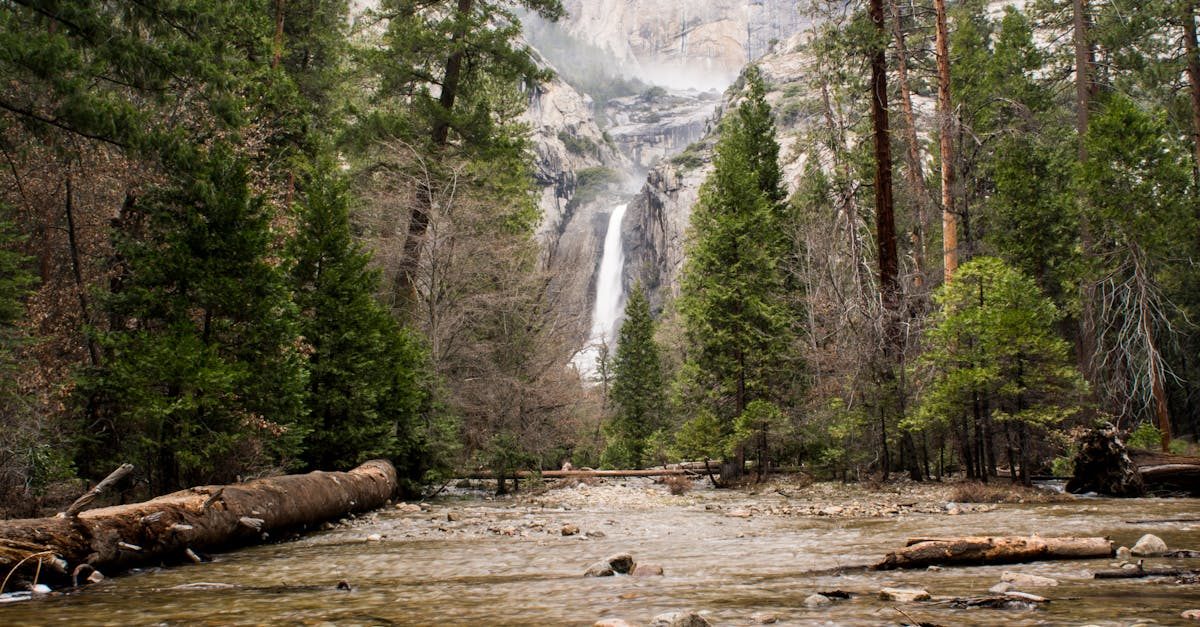
McCloud River
The McCloud River holds a legendary place in American fly fishing history as the source of rainbow trout eggs that were shipped worldwide in the late 1800s. Today, the river harbors a genetically distinct strain of wild McCloud redband rainbow trout in a dramatic canyon setting of emerald pools, boulder gardens, and old-growth forest. Access is challenging, the wading technical, but the reward is fishing for wild trout in one of California's most pristine and historically significant rivers.
McCloud River Fishing Report & Current Conditions
The McCloud River is a freestone fishery, and it fishes best in spring, summer and fall. Live USGS streamflow readings update throughout the day, while the monthly median flows below map the river's typical discharge across the year. Together they show current fishability and how today's water compares to the seasonal norm.
Current Conditions
Typical Monthly Flows
Historical median discharge (CFS) by month: McCloud River
Overview
The McCloud River flows approximately 77 miles from its headwaters on the southern slopes of Mount Shasta to its confluence with the Pit River in Shasta Lake. The river's claim to fame rests on its role in fish conservation history. In 1872, Livingston Stone established a fish hatchery on the McCloud and began collecting eggs from the river's native rainbow trout population. Over the following decades, millions of eggs were shipped from the McCloud to stock waters across the United States, Europe, and beyond. The McCloud redband trout became the genetic foundation for rainbow trout populations worldwide.
The prime fly fishing water on the McCloud is the section below McCloud Reservoir, where the river tumbles through a narrow, steep-walled canyon over volcanic rock. This is pocket water and plunge pool fishing at its finest, with the river cascading through boulder gardens, around bedrock outcrops, and into deep, jade-green pools shaded by Douglas fir, ponderosa pine, and incense cedar. The canyon walls rise steeply on both sides, and the sound of the river echoes off the rock.
Access to the McCloud is limited and challenging. The Nature Conservancy manages the McCloud River Preserve, a 2,300-acre property encompassing several miles of prime river. Fishing on the preserve is by reservation only, limited to a small number of anglers per day, and strictly catch-and-release with barbless flies only. Public water above and below the preserve offers additional fishing, though the steep terrain and lack of maintained trails require scrambling and route-finding skills.
The McCloud's wild trout are not large by tailwater standards. A 12-inch redband is a respectable fish, and anything over 14 inches is a trophy. But what these fish lack in size, they make up for in beauty, with brilliant rose-pink lateral stripes, and fighting spirit. The genetic distinctiveness of the McCloud redband population makes every fish landed a connection to fly fishing history.
Water Characteristics
The McCloud River is a cold, clear freestone stream with spring-fed characteristics. Water clarity is excellent, typically 6-10 feet of visibility, and the water has a distinctly emerald hue from the volcanic rock substrate. Water temperatures remain cold year-round, rarely exceeding 60 degrees even in summer, thanks to spring inputs and the river's high elevation origin.
The substrate is primarily volcanic basalt, boulders, and cobble, with pockets of gravel in the pool tailouts. This creates outstanding pocket water and plunge pool habitat. The insect community includes golden stoneflies, caddisflies (multiple species), Blue-Winged Olives, and various small mayflies. Terrestrial insects contribute to the trout diet in summer and fall.
The McCloud's water quality is exceptionally high, supporting a healthy aquatic ecosystem. The wild redband trout population is self-sustaining through natural reproduction. While trout density is not as high as in heavily managed waters, the fish are truly wild, genetically unique, and beautifully adapted to their environment.
Wading & Float Guide
Wading the McCloud River is challenging and potentially dangerous. The canyon bottom is composed of volcanic rock, boulders, and bedrock shelves that are extremely slick, particularly when covered with algae. The current is fast and powerful in many sections, and the pools can be surprisingly deep. Felt-soled wading boots are recommended, though studded boots provide better traction on the rock. A wading staff is not optional.
The nature of McCloud fishing is more about careful movement from pool to pool than sustained wading. Anglers typically approach a pool from below, fish it thoroughly with short casts, and then scramble upstream to the next pool. Crossing the river should be done only at the shallowest riffles and with extreme caution. The canyon walls limit movement, so committing to a direction (upstream or downstream) is important.
At normal summer flows (50-150 cfs below the reservoir), much of the river can be carefully waded. During spring runoff or dam releases, flows can spike to 300-500 cfs, making wading treacherous. Always check current flows before your trip and be prepared to adjust your plans based on conditions.
McCloud River (all sections)
The McCloud River canyon is too narrow, steep, and boulder-choked for floating. This is strictly a wade-fishing destination accessed by hiking and scrambling.
Rod & Tackle Guide
McCloud River canyon (all sections)
- Rod
- 8' to 8'6" 4-weight or 5-weight
- Line
- Weight-forward floating or double-taper
- Leader & Tippet
- 7.5' to 9' tapered to 4X or 5X
A shorter rod (8' to 8'6") is advantageous in the tight canyon with overhanging branches. The lighter 4-weight or 5-weight handles the smaller flies and lighter tippets well. Bring felt-soled or studded boots and a wading staff.
Best Time to Fish the McCloud River
Spring
Spring fishing on the McCloud depends heavily on snowpack and reservoir releases. In low snowpack years, the river can fish well by late April or early May. In heavy snow years, runoff can keep the river unfishable until mid-June. The golden stonefly hatch typically begins in late May and continues through June, providing the best dry fly fishing of the year. Fish large stonefly patterns (Stimulators, Sofa Pillows in sizes 8-12) bounced through pocket water and along the banks. Caddis hatches also begin in spring.
Summer
Summer is the most reliable and pleasant season on the McCloud. Flows stabilize, water temperatures cool into the optimal feeding range, and the canyon is accessible without dealing with spring mud or fall cold. Caddis hatches are prolific throughout summer, with evening emergences bringing good surface activity. Golden stonefly adults remain active through July. Dry fly fishing with attractor patterns (Elk Hair Caddis, Stimulators, Parachute Adams in sizes 12-16) is effective. Nymphing with Prince Nymphs, Hare's Ears, and small Woolly Buggers works throughout the day.
Fall
Fall on the McCloud brings cooler temperatures, autumn color in the canyon, and the return of Blue-Winged Olive hatches. The fishing can be excellent in September and October, with trout feeding aggressively before winter. By November, the weather becomes unpredictable, and access roads may be impacted by early snow. Fall is a beautiful time to experience the McCloud, with fewer anglers and the chance to have the river to yourself. October Caddis hatches can provide late-season dry fly opportunities.
Fishing Pressure & Local Tips
The McCloud River receives light to moderate fishing pressure, primarily due to access limitations. The Nature Conservancy preserve strictly limits angler numbers through its reservation system, ensuring a quality experience for those who secure access. Public sections see more pressure but are still lightly fished compared to roadside rivers. The difficulty of the terrain naturally filters out casual anglers.
Summer weekends see the highest pressure, particularly in the more accessible public areas near Ah-Di-Na campground. Weekdays offer significantly more solitude. The preserve is the premier water and is worth the effort to secure a reservation well in advance. Fall sees minimal pressure, and the river is nearly deserted by November.
Local Knowledge
Fishing the McCloud successfully requires a respectful, careful approach. These wild trout are spooky in the clear water, and a heavy footfall or careless casting will put fish down for hours. Approach each pool from below, staying low and moving slowly. Make your first casts count, as the fish will often eat on the first good drift but refuse after that.
Short-line nymphing is deadly effective: use a 7.5-9 foot leader, add a couple of small split shot, and high-stick nymph through the pocket water and pool heads. When dry fly fishing, focus on the foam lines, the slack water behind boulders, and the tailouts of pools. Bring a small selection of attractor dries, caddis patterns, and nymphs rather than trying to match every hatch precisely. For access to the Nature Conservancy preserve, make reservations well in advance at nature.org. Local knowledge from The Fly Shop in Redding can be invaluable.
Species Present
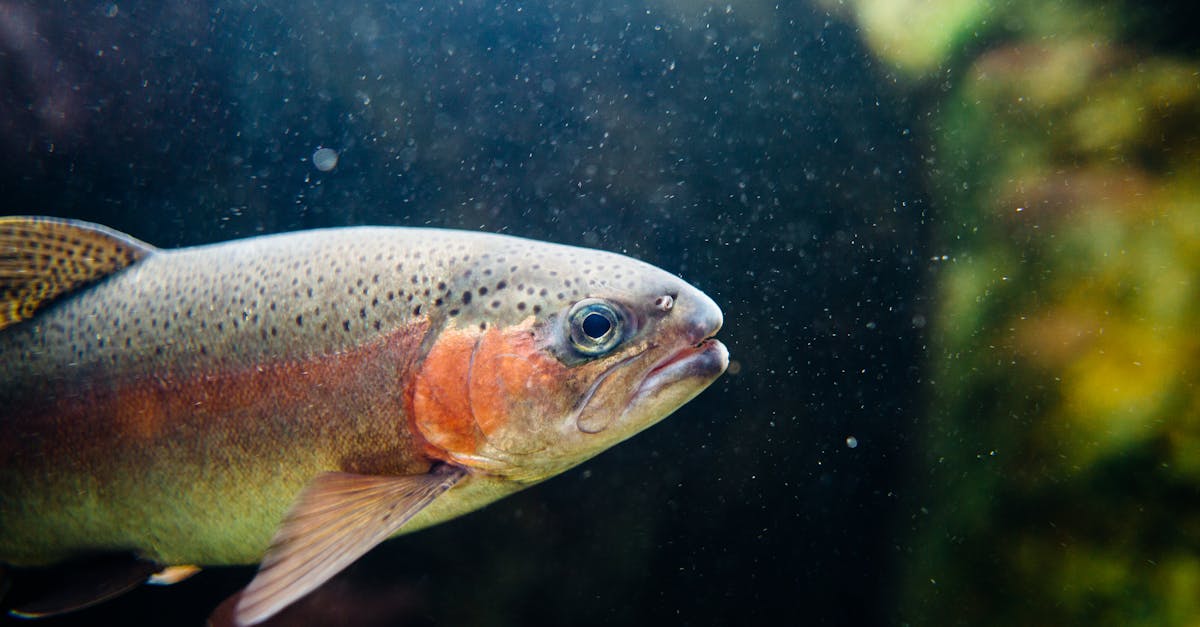
Rainbow Trout
The rainbow trout is Montana's most widespread and popular gamefish, celebrated for its explosive surface strikes, aerial acrobatics, and willingness to take a well-presented dry fly. Native to Pacific Coast drainages from Alaska to Mexico, rainbows were first introduced to Montana's waters in the late 1800s and have since established thriving populations in nearly every major river system in the state. On legendary waters like the Madison, Missouri, and Bighorn, wild rainbow trout grow fat on prolific insect hatches and provide some of the finest dry-fly fishing in North America. Rainbow trout in Montana display remarkable variation depending on their home water. Fish in nutrient-rich tailwaters like the Missouri River below Holter Dam can exceed 20 inches with regularity, their deep bodies and broad tails reflecting the abundant food supply. Freestone river rainbows, such as those in the upper Madison and Gallatin, tend to be leaner and more athletic, shaped by faster currents and colder water temperatures. In many Montana rivers, rainbows spawn in the spring from March through June, and anglers should be mindful of spawning redds during this period to protect future generations of fish. Rainbows are arguably the most versatile trout species for fly anglers. They respond well to dry flies during hatches, aggressively chase streamers, and feed heavily on nymphs subsurface throughout the year. Their fighting ability is legendary: a hooked rainbow will often launch itself completely out of the water multiple times during a battle. Montana's catch-and-release regulations on many blue-ribbon streams have produced exceptional rainbow trout fisheries with high densities of large, healthy fish that continue to draw anglers from around the world.
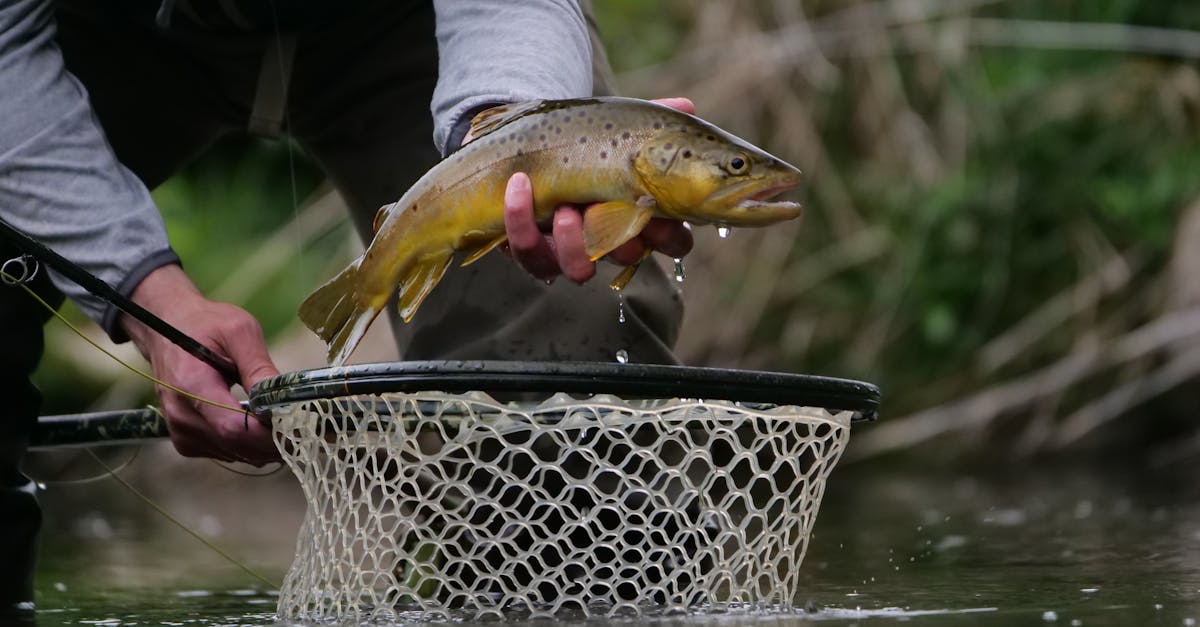
Brown Trout
The brown trout is the most cunning and elusive trout species swimming in Montana's rivers, and it rewards patient, skilled anglers with some of the state's most memorable catches. Originally native to Europe and western Asia, brown trout were first introduced to North American waters in 1883 and arrived in Montana shortly thereafter. They have since established robust, self-sustaining populations in virtually every major trout stream in the state, from the legendary spring creeks of the Paradise Valley to the sweeping runs of the lower Madison and the deep pools of the Bighorn. Brown trout grow larger than any other trout species in Montana, and fish exceeding 24 inches are caught with regularity on premium waters. The lower Madison River, the Missouri River below Holter Dam, and the Bighorn River are particularly renowned for producing trophy-class browns. Unlike rainbows, brown trout spawn in the fall (October through November), and their aggressive pre-spawn behavior creates an exciting window for streamer fishing as large males become territorial and attack anything that enters their domain. Browns are notably more nocturnal than other trout species, and many of the biggest fish are caught during low-light conditions. What sets brown trout apart from other species is their wariness and selectivity. Large browns are notoriously difficult to fool, often refusing flies that are even slightly off in size, color, or presentation. They tend to establish and defend prime feeding lies (undercut banks, logjams, deep pools, and boulder gardens), and an angler who learns to read water and identify these holding spots will consistently catch more and larger fish. This combination of difficulty, size potential, and intelligence makes the brown trout the most prized quarry for many serious Montana fly fishers.
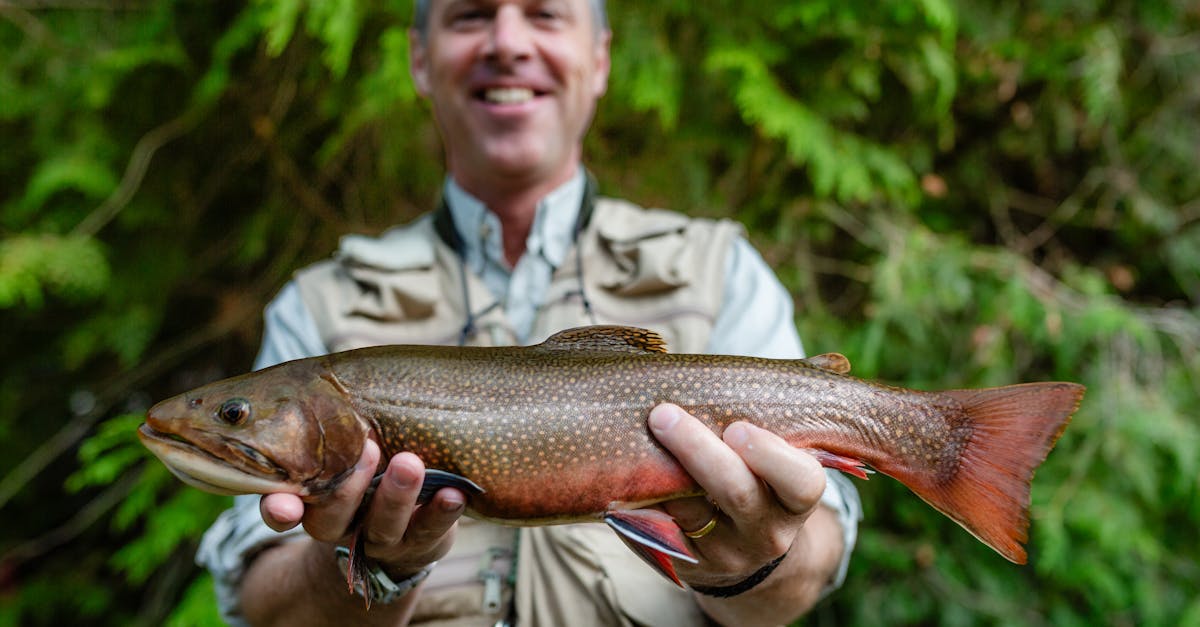
Brook Trout
The brook trout is widely considered the most beautiful freshwater fish in North America, and catching one in a pristine Montana mountain stream is an experience that captures the essence of backcountry fly fishing. Despite their common name, brook trout are not true trout at all; they are a species of char (genus Salvelinus), more closely related to lake trout and Arctic char than to rainbows or browns. Native to eastern North America from Georgia to Hudson Bay, brook trout were among the first salmonids introduced to Montana's waters in the late 1800s and have since established self-sustaining populations in cold, high-elevation streams and lakes throughout the state. In Montana, brook trout thrive best in small, cold headwater streams and high mountain lakes where competition from larger trout species is minimal. In these environments, they are often the dominant, or only, salmonid present. The trade-off is size: Montana stream-dwelling brook trout typically range from 6 to 10 inches, with fish over 12 inches considered noteworthy in most waters. What they lack in size, however, they more than make up for in beauty and willingness to eat a fly. Brookies are aggressive feeders that will strike attractor dry flies, nymphs, and small streamers with enthusiasm, making them an ideal species for beginning fly anglers and a delightful quarry for anyone who appreciates small-stream fishing. Brook trout do present a conservation paradox in Montana. While they are a beloved and beautiful gamefish, they are non-native and can negatively impact native species, particularly Yellowstone and westslope cutthroat trout. In headwater streams, brook trout often outcompete cutthroats for food and spawning habitat due to their higher reproductive rate and earlier maturation. As a result, Montana FWP has implemented brook trout removal projects on some streams to restore native cutthroat populations. In many waters, liberal harvest limits for brook trout are encouraged to reduce their numbers and benefit native fish. Anglers can enjoy excellent brook trout fishing while actively helping conservation by keeping a few for the pan.
McCloud River Hatch Chart
| Insect | Suggested Fly | Jan | Feb | Mar | Apr | May | Jun | Jul | Aug | Sep | Oct | Nov | Dec |
|---|---|---|---|---|---|---|---|---|---|---|---|---|---|
Golden Stonefly all day | Stimulator | ||||||||||||
Caddisflies (various) evening | Elk Hair Caddis | ||||||||||||
Blue-Winged Olive (Baetis) afternoon | Parachute Adams | ||||||||||||
Blue-Winged Olive (Baetis) afternoon | BWO Emerger | ||||||||||||
October Caddis evening | Elk Hair Caddis | ||||||||||||
Terrestrials afternoon | Chubby Chernobyl |
Golden Stonefly: The signature spring/summer hatch. Size 8-12.
Caddisflies (various): Prolific caddis throughout season. Size 14-18.
Blue-Winged Olive (Baetis): Spring BWOs on overcast days. Size 16-20.
Blue-Winged Olive (Baetis): Fall BWOs return. Size 18-20.
October Caddis: Large orange caddis in fall. Size 8-10.
Terrestrials: Ants, beetles along canyon banks. Size 12-16.
Recommended Flies
Stimulator
Top Pick#1 dry fly for golden stonefly hatch; May-July
Best in summer
Elk Hair Caddis
Top PickCaddis dry for evening hatches
Best in summer
Parachute Adams
Top PickUniversal attractor dry; works year-round
Best in summer
Prince Nymph
Top PickEssential nymph for pocket water; dropper behind dry
Best in spring
Pheasant Tail Nymph
Top PickMayfly nymph for slower pools
Best in spring
Woolly Bugger
Top PickSmall Woolly Bugger stripped through pools
Best in fall
Also Effective
Access Points & Boat Launches
McCloud River Preserve (TNC)
Wade AccessModerateThe Nature Conservancy's McCloud River Preserve provides access to several miles of premier wild trout water. Catch-and-release only, barbless flies only, and advance reservation required. Limited number of anglers per day ensures a quality experience. The preserve protects genetically unique McCloud redband trout in pristine canyon habitat.
Ah-Di-Na Campground Area
Wade AccessDifficultPublic access to the McCloud River near Ah-Di-Na campground. The river here flows through beautiful canyon country with pocket water, plunge pools, and wild redband trout. Steep trails descend to the river. This is technical wading over slick volcanic rock, but the setting and wild fish are worth the effort.
Lower McCloud (below reservoir)
Wade AccessDifficultAccess to the lower McCloud River canyon below McCloud Reservoir. Roadside pulloffs provide access to steep trails descending to the river. The canyon is narrow and dramatic, with the river cascading through boulder gardens and deep pools. Wild redband trout hold in the pocket water. Challenging terrain requires scrambling skills.
Regulations
Regulations
McCloud River Preserve (Nature Conservancy): Catch-and-release only, barbless flies only, reservation required. Limited number of anglers per day. Public sections vary by location; check California Department of Fish and Wildlife regulations. Generally, artificial lures and barbless hooks required on much of the river. California fishing license required. Verify current rules at wildlife.ca.gov/fishing and contact The Nature Conservancy for preserve access at nature.org.
Always verify current regulations with Montana Fish, Wildlife & Parks before fishing.
Some links may earn a commission. Learn more
Quick Facts
- Region
- Northern California / Shasta County
- Water Type
- Freestone
- River Length
- 77 miles total; ~15 miles of accessible fly fishing water
- Difficulty
- Intermediate-Advanced
- Best Seasons
- spring, summer, fall
- Trout Per Mile
- 500-1,200 (wild fish population)
- Record Trout
- McCloud redbands typically 8-14 inches; occasional fish to 16 inches
- Species
- Rainbow Trout, Brown Trout, Brook Trout
- USGS Gauge
- 11367500
Nearby Rivers
Lower Sacramento River
Northern California / Shasta County
Hat Creek
Northern California / Shasta County
Fall River
Northern California / Shasta County
Upper Sacramento River
Northern California / Siskiyou and Shasta Counties
Pit River
Northern California / Shasta County
Truckee River
Eastern Sierra / Nevada and Placer Counties
East Walker River
Eastern Sierra / Mono County
Hot Creek
Eastern Sierra / Mono County
Upper Klamath River
Northern California / Siskiyou County