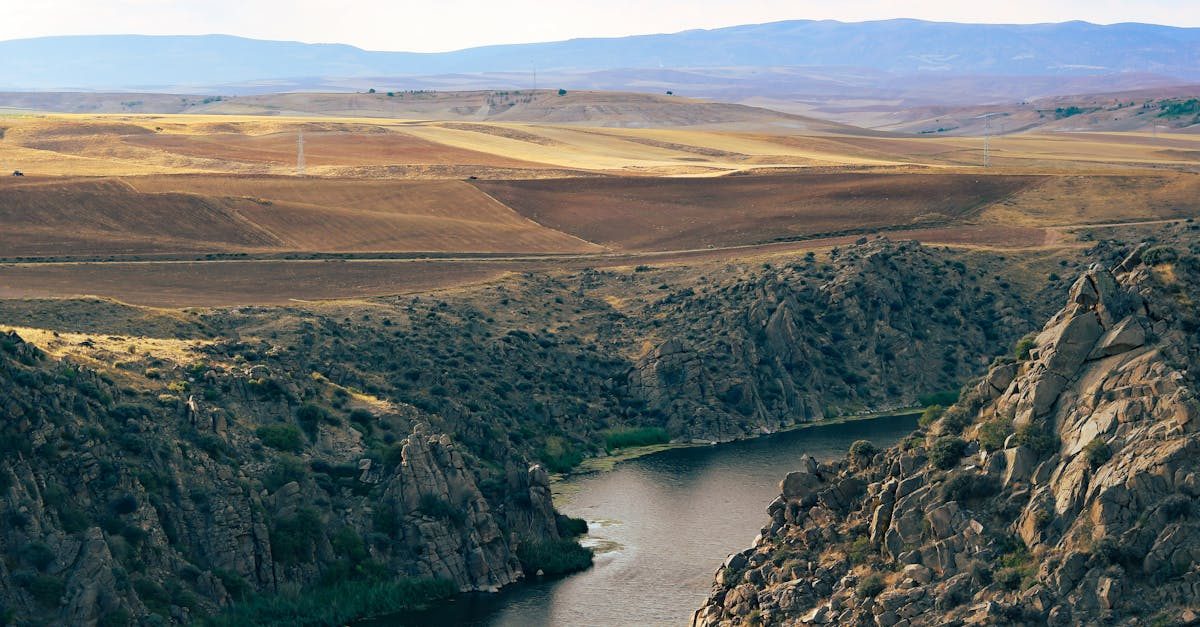
Pit River
The Pit River is one of California's most underrated and challenging trout fisheries, flowing through a rugged volcanic canyon east of Redding. Divided into numbered reaches separated by PG&E powerhouses, the river offers cold tailwater conditions that grow trout to impressive average sizes, with rainbows and browns regularly exceeding 16 inches. The slick basalt bottom and fluctuating flows make the Pit genuinely demanding, but anglers who accept the challenge are rewarded with excellent wild trout fishing and minimal pressure.
Pit River Fishing Report & Current Conditions
The Pit River is a tailwater/freestone fishery, and it fishes best in spring, summer and fall. Live USGS streamflow readings update throughout the day, while the monthly median flows below map the river's typical discharge across the year. Together they show current fishability and how today's water compares to the seasonal norm.
Current Conditions
Typical Monthly Flows
Historical median discharge (CFS) by month: Pit River
Overview
The Pit River flows approximately 207 miles from its headwaters in Modoc County to its confluence with the Sacramento River arm of Shasta Lake. For fly anglers, the productive water is concentrated in the reaches between PG&E powerhouses (numbered Pit 1 through Pit 7), where tailwater releases create cold, nutrient-rich conditions. The most popular and accessible fly fishing sections are Pit 3, Pit 4, and Pit 5, each offering distinct character and excellent trout habitat.
The river flows through a dramatic volcanic canyon of dark basalt rock, creating a landscape unlike any other California trout stream. The canyon walls are steep and craggy, the river bottom is composed of dark, slick boulders, and the water has a distinctive greenish tint. The powerhouses regulate flows based on electricity generation demands, creating tailwater-like conditions with temperature stability and periodic flow fluctuations.
What makes the Pit River special is the average size of its trout. Fish in the 14-18 inch range are common, and browns and rainbows exceeding 20 inches are caught with regularity. The cold water, abundant insect life, and relatively light fishing pressure combine to create conditions that grow large trout. The wild rainbow trout are particularly beautiful, with deep bodies and brilliant coloring.
Access to the Pit is more challenging than roadside rivers. Most sections require hikes of varying difficulty to reach the water, and the slick basalt bottom demands careful wading. These access challenges naturally limit pressure and contribute to the quality of the fishing.
Water Characteristics
The Pit River below the powerhouses has hybrid tailwater-freestone characteristics. The powerhouse releases provide temperature-moderated water similar to a tailwater, with temperatures typically in the 48-58 degree range year-round. However, the river lacks the gin-clear water of classic tailwaters, instead showing a greenish tint with 3-6 feet of visibility, which works in the angler's favor by making fish less leader-shy.
The substrate is unique: dark volcanic basalt boulders and bedrock create a visually striking and physically challenging environment. The insect community is dominated by caddisflies, with golden stoneflies, Blue-Winged Olives, and midges contributing. Sculpin and other forage fish are abundant, supporting the growth of large predatory trout.
The river's flows fluctuate based on powerhouse operations, but the cold temperatures remain stable, creating excellent trout habitat year-round. The combination of cold water, abundant food, and light pressure produces trout with above-average size.
Wading & Float Guide
Wading the Pit River is notoriously challenging and potentially dangerous. The bottom is composed of smooth, dark basalt boulders covered with a slick coating of algae and biofilm. Even experienced waders with felt-soled or studded boots find the footing treacherous. A wading staff is absolutely essential, not optional.
Flows can fluctuate significantly and rapidly when powerhouses adjust generation. Water levels that are wadeable in the morning can rise a foot or more by afternoon, cutting off retreat routes and making previously safe crossings dangerous. Always be aware of changing flows, park well above the current water line, and have an exit strategy.
At typical summer flows (300-700 cfs in most sections), careful wading along the margins and across shallower riffles is possible for experienced anglers. The main current channels are often too deep and fast to wade. Many anglers fish from the banks when possible, moving from spot to spot rather than wading continuously. The combination of slick rock, powerful current, and fluctuating flows makes the Pit one of the most physically demanding wade-fishing rivers in California.
Pit River (all sections)
The Pit River sections are primarily wade-fishing destinations. Some kayak anglers run sections, but this is not a traditional drift boat fishery. Access from trails and roads to individual reaches (Pit 3, Pit 4, Pit 5).
Rod & Tackle Guide
Pit River (Pit 3, Pit 4, Pit 5 sections)
- Rod
- 9' 5-weight or 6-weight
- Line
- Weight-forward floating; sink-tip for streamers
- Leader & Tippet
- 9' tapered to 4X or 5X
The 6-weight handles heavier nymph rigs and streamers comfortably. Studded wading boots are strongly recommended over felt. Bring a wading staff and be prepared for challenging conditions.
Best Time to Fish the Pit River
Spring
Spring fishing on the Pit depends on flows and temperatures. By late April and May, the river begins producing good fishing as water temperatures warm. BWO hatches provide dry fly opportunities on overcast days. Golden stonefly nymphs are active, and nymphing with weighted flies through the deeper runs is productive. Caddis hatches begin in May and intensify through June. Spring flows can be high and fast depending on reservoir releases; check gauges before making the trip.
Summer
Summer is the most consistent season on the Pit. Caddis hatches are prolific throughout summer, with multiple species emerging. These are the dominant insect, and swinging soft hackles or fishing caddis dries in the evenings is deadly. Golden stonefly adults remain active through July. The river's tailwater characteristics keep temperatures cold even during hot summer days, maintaining excellent fishing through August. Dry-dropper rigs and nymph rigs are equally effective.
Fall
Fall brings some of the best fishing of the year on the Pit. Caddis hatches continue into October, and BWO hatches return with cooler temperatures. Brown trout become increasingly aggressive as they prepare for spawning, and streamer fishing with sculpin and leech patterns targets the largest fish. The October Caddis emergence provides late-season dry fly action. Pressure drops dramatically after Labor Day, and anglers willing to brave the cooling weather can have exceptional experiences.
Fishing Pressure & Local Tips
The Pit River receives light to moderate fishing pressure thanks to its reputation for difficult wading and challenging access. Anglers who fish the Pit tend to be experienced, dedicated fly fishers willing to accept the physical demands. The Pit 3 and Pit 4 sections see the most pressure, particularly on summer weekends, but even then the river rarely feels crowded.
Weekday fishing offers near-solitude. Fall and spring see minimal pressure. The difficulty of the wading and the possibility of rapid flow changes naturally filter out casual anglers, preserving the quality of the experience for those who make the effort.
Local Knowledge
Success on the Pit River requires accepting the physical challenge and adapting to the unique conditions. Wear studded wading boots or the best felt-sole boots you own, bring a wading staff, and move slowly and deliberately. Scout your route before committing. Watch for changing water levels throughout the day, and be prepared to exit the river if flows rise significantly.
For fishing tactics, caddis patterns dominate. Swing soft hackles (Partridge and Orange, LaFontaine Sparkle Pupa) through the runs and pocket water. Fish caddis dries in the evenings. Nymphing with weighted caddis larvae and stonefly nymphs through the deeper slots is consistently productive. Streamer fishing with sculpin patterns targets the largest browns. The local fly shops (Fly Shop in Redding, Clearwater Lodge) can provide current flow information and access directions for the various Pit sections.
Species Present
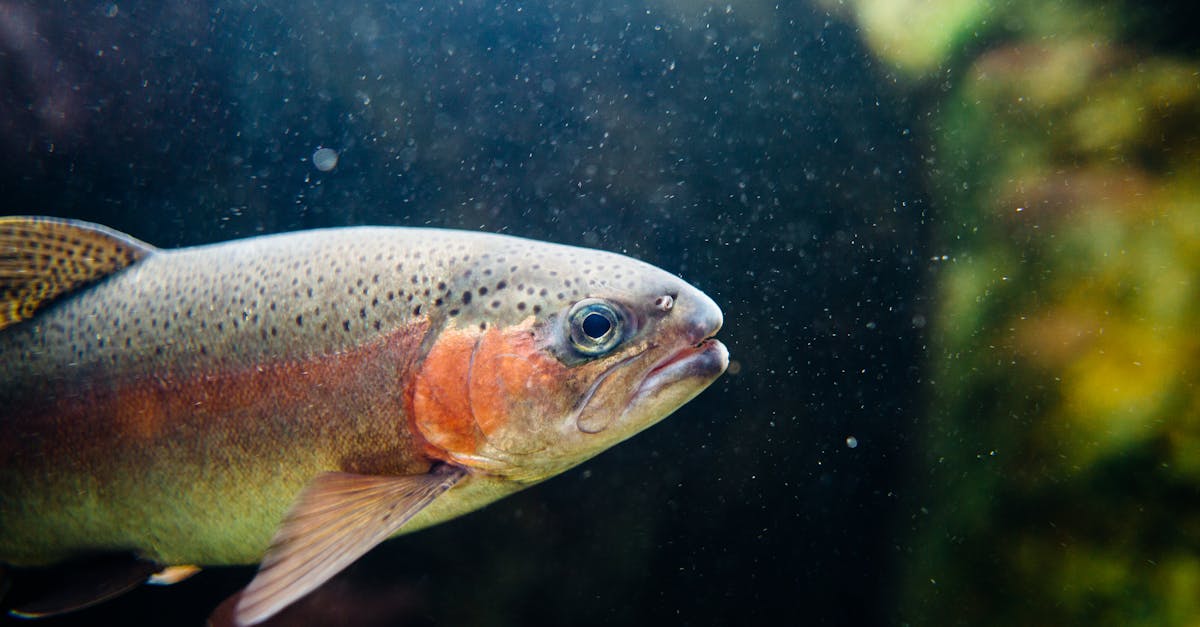
Rainbow Trout
The rainbow trout is Montana's most widespread and popular gamefish, celebrated for its explosive surface strikes, aerial acrobatics, and willingness to take a well-presented dry fly. Native to Pacific Coast drainages from Alaska to Mexico, rainbows were first introduced to Montana's waters in the late 1800s and have since established thriving populations in nearly every major river system in the state. On legendary waters like the Madison, Missouri, and Bighorn, wild rainbow trout grow fat on prolific insect hatches and provide some of the finest dry-fly fishing in North America. Rainbow trout in Montana display remarkable variation depending on their home water. Fish in nutrient-rich tailwaters like the Missouri River below Holter Dam can exceed 20 inches with regularity, their deep bodies and broad tails reflecting the abundant food supply. Freestone river rainbows, such as those in the upper Madison and Gallatin, tend to be leaner and more athletic, shaped by faster currents and colder water temperatures. In many Montana rivers, rainbows spawn in the spring from March through June, and anglers should be mindful of spawning redds during this period to protect future generations of fish. Rainbows are arguably the most versatile trout species for fly anglers. They respond well to dry flies during hatches, aggressively chase streamers, and feed heavily on nymphs subsurface throughout the year. Their fighting ability is legendary: a hooked rainbow will often launch itself completely out of the water multiple times during a battle. Montana's catch-and-release regulations on many blue-ribbon streams have produced exceptional rainbow trout fisheries with high densities of large, healthy fish that continue to draw anglers from around the world.
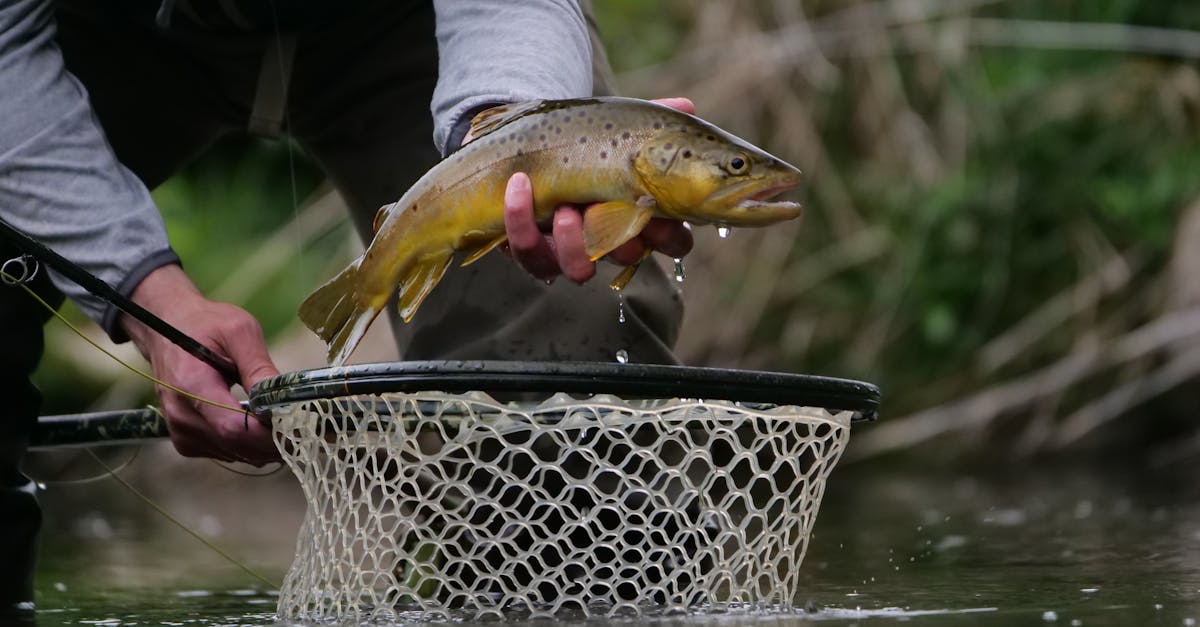
Brown Trout
The brown trout is the most cunning and elusive trout species swimming in Montana's rivers, and it rewards patient, skilled anglers with some of the state's most memorable catches. Originally native to Europe and western Asia, brown trout were first introduced to North American waters in 1883 and arrived in Montana shortly thereafter. They have since established robust, self-sustaining populations in virtually every major trout stream in the state, from the legendary spring creeks of the Paradise Valley to the sweeping runs of the lower Madison and the deep pools of the Bighorn. Brown trout grow larger than any other trout species in Montana, and fish exceeding 24 inches are caught with regularity on premium waters. The lower Madison River, the Missouri River below Holter Dam, and the Bighorn River are particularly renowned for producing trophy-class browns. Unlike rainbows, brown trout spawn in the fall (October through November), and their aggressive pre-spawn behavior creates an exciting window for streamer fishing as large males become territorial and attack anything that enters their domain. Browns are notably more nocturnal than other trout species, and many of the biggest fish are caught during low-light conditions. What sets brown trout apart from other species is their wariness and selectivity. Large browns are notoriously difficult to fool, often refusing flies that are even slightly off in size, color, or presentation. They tend to establish and defend prime feeding lies (undercut banks, logjams, deep pools, and boulder gardens), and an angler who learns to read water and identify these holding spots will consistently catch more and larger fish. This combination of difficulty, size potential, and intelligence makes the brown trout the most prized quarry for many serious Montana fly fishers.
Pit River Hatch Chart
| Insect | Suggested Fly | Jan | Feb | Mar | Apr | May | Jun | Jul | Aug | Sep | Oct | Nov | Dec |
|---|---|---|---|---|---|---|---|---|---|---|---|---|---|
Caddisflies (various) evening | Elk Hair Caddis | ||||||||||||
Golden Stonefly all day | Stimulator | ||||||||||||
Blue-Winged Olive (Baetis) afternoon | Parachute Adams | ||||||||||||
Blue-Winged Olive (Baetis) afternoon | BWO Emerger | ||||||||||||
October Caddis evening | Elk Hair Caddis | ||||||||||||
Midges morning | Zebra Midge |
Caddisflies (various): The dominant insect. Prolific throughout season. Size 14-18.
Golden Stonefly: Summer golden stone activity. Size 8-12.
Blue-Winged Olive (Baetis): Spring BWOs on overcast days. Size 16-20.
Blue-Winged Olive (Baetis): Fall BWOs return. Size 18-20.
October Caddis: Large orange caddis in fall. Size 8-10.
Midges: Year-round in slower sections. Size 18-24.
Recommended Flies
Elk Hair Caddis
Top Pick#1 pattern; prolific caddis hatches year-round
Best in summer
CDC Caddis Emerger
Top PickSoft hackle caddis emergers; swing through runs
Best in summer
Pat's Rubber Legs
Top PickStonefly nymph for deep water
Best in spring
Pheasant Tail Nymph
Top PickPheasant Tail nymph; versatile dropper
Best in spring
Woolly Bugger
Top PickWoolly Bugger for fall browns; strip or swing
Best in fall
Sculpzilla
Top PickSculpzilla for trophy browns
Best in fall
Also Effective
Access Points & Boat Launches
Pit 3 Powerhouse
Wade AccessDifficultAccess to the Pit 3 reach, one of the most popular sections for fly fishing. Trail access from parking area down to the river. The Pit 3 section offers excellent wild trout fishing with rainbows and browns averaging 14-18 inches. Challenging wading on slick basalt rock. Bring studded boots and a wading staff.
Pit 4 Dam Area
Wade AccessDifficultAccess to the Pit 4 reach below the powerhouse. Hike required to reach the river. The Pit 4 section is known for large wild trout and prolific caddis hatches. The slick basalt bottom makes wading treacherous; experienced anglers only. Flows can fluctuate with powerhouse operations.
Regulations
Regulations
Pit River sections vary by reach; most are general California trout regulations. Some special regulation areas exist. Typically, bag limit 5 trout, minimum size 10 inches (varies by section). Artificial flies and lures recommended. California fishing license required. Powerhouse operations cause flow fluctuations; be aware of changing water levels. Verify current regulations at wildlife.ca.gov/fishing.
Always verify current regulations with Montana Fish, Wildlife & Parks before fishing.
Some links may earn a commission. Learn more
Quick Facts
- Region
- Northern California / Shasta County
- Water Type
- Tailwater/Freestone
- River Length
- 207 miles total; ~25 miles of quality fly fishing (Pit 3-5 sections)
- Difficulty
- Advanced
- Best Seasons
- spring, summer, fall
- Trout Per Mile
- 600-1,200 (wild fish, large average size)
- Record Trout
- Rainbow and brown trout exceeding 22 inches; fish over 5 lbs documented
- Species
- Rainbow Trout, Brown Trout
- USGS Gauge
- 11363000
Nearby Rivers
Lower Sacramento River
Northern California / Shasta County
McCloud River
Northern California / Shasta County
Hat Creek
Northern California / Shasta County
Fall River
Northern California / Shasta County
Upper Sacramento River
Northern California / Siskiyou and Shasta Counties
Truckee River
Eastern Sierra / Nevada and Placer Counties
East Walker River
Eastern Sierra / Mono County
Hot Creek
Eastern Sierra / Mono County
Upper Klamath River
Northern California / Siskiyou County