Canadice Lake
Canadice Lake is the smallest and highest of New York's Finger Lakes, 649 undeveloped acres of City of Rochester watershed water ringed by forest instead of cottages. A roughly 10-horsepower cap and a compact 95-foot basin make it arguably the best float-tube trout lake in western New York.
Overview
Canadice Lake is the runt of the Finger Lakes, and that is exactly why fly anglers should care about it. At 649 acres it is the smallest of the eleven, and at 1,096 feet of elevation it is the highest — a narrow, north-south trough tucked into the hill country of Ontario County southwest of Honeoye. Where most Finger Lakes carry a rim of cottages, docks, and summer traffic, Canadice carries hardwood forest right down to the waterline on both shores. The lake is a City of Rochester drinking-water supply, and the watershed protections that come with that status have kept development off the shoreline entirely.
The result is a coldwater lake that fishes like a remote pond but holds Finger Lakes fish. Lake trout, brown trout, and rainbow trout share the basin with smallmouth bass and chain pickerel, and smelt and alewives supply the forage that keeps the salmonids growing. Landlocked Atlantic salmon show up occasionally as surplus hatchery fish rather than as a managed fishery. DEC's 2022 distribution records put 4,250 nine-inch brown trout into the lake, and those browns — cruising weed edges and shoreline breaks within easy reach of a fly line — are the most consistent fly-rod target Canadice offers.
What makes the lake genuinely special for a fly angler is scale. Maximum depth is only 95 feet, a fraction of the abyssal trenches in Seneca or Cayuga, and the motor restriction of roughly 10 horsepower means nobody is running big boats or pulling wakes. A float tube, a canoe, or a kick boat can cover meaningful water here in a morning, and every productive contour on the DEC depth chart sits within reach of a hand-powered craft. Anglers who find the big Finger Lakes intimidating — too deep, too windy, too much of a downrigger game — find Canadice legible.
The fishing year opens at ice-out, when lake trout push shallow and browns and rainbows work the wooded shorelines behind the smelt. Through late spring the browns hold along weed edges and rocky points where damsel nymphs and Woolly Buggers do their best work. Summer pushes the lakers deep and turns the game technical: chironomid emergences over the 20-to-40-foot mud basin at dawn, Callibaetis in the shallower coves, and evening midge activity on flat water. Fall reverses the sequence, with browns aggressive along the margins through October and lake trout back within fly range by November.
Canadice is not a numbers lake and it is not a destination in the resort sense — there is no marina, no lakeside restaurant, no crowd. It is a quiet, cottage-free, forest-rimmed piece of water that rewards anglers who like solving a stillwater on their own terms. Pair it with neighboring Hemlock Lake for a two-lake day, respect the watershed access rules, and you have one of the most underrated small-water trout fisheries in New York.
Depth & Character
- Surface Area
- 649acres
- Max Depth
- 95ft
- Elevation
- 1,096ft
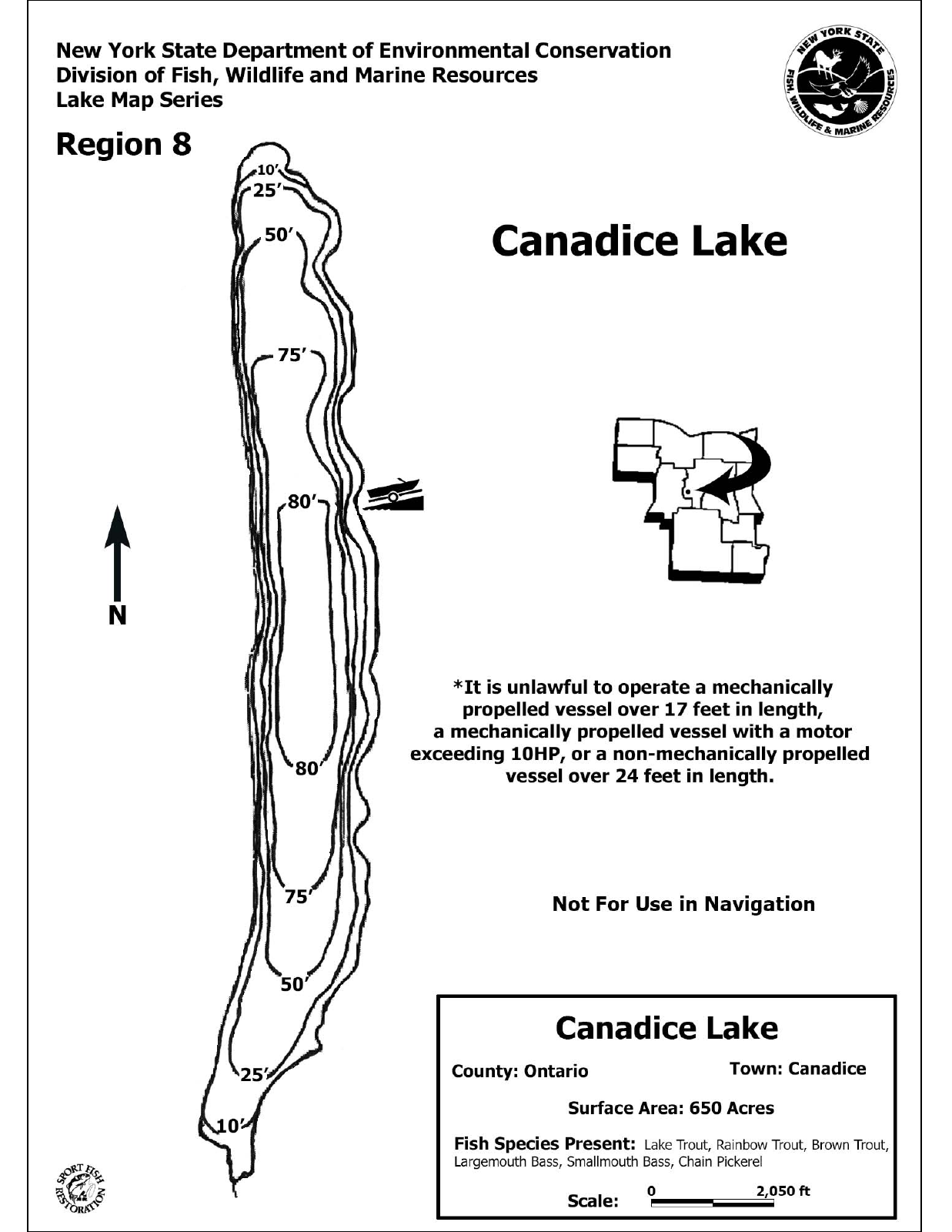
Bathymetric depth chart — click to open the full PDF. Source: Vermont DEC.
Source: Vermont DEC
Water Characteristics
Canadice is a narrow glacial trough with a maximum depth of 95 feet, shallow by Finger Lakes standards but deep enough to stratify hard through the summer. The DEC contour map shows the basin dropping steadily from both shorelines toward a long central deep, with the widest shelf water at the north and south ends where the lake tapers into wadeable gravel and marshy inlet flats. Because the lake sits at 1,096 feet — the highest elevation of any Finger Lake — it runs a touch colder than its neighbors and holds its spring temperatures a little longer.
Water clarity is very good, a consequence of the lake's status as a protected drinking-water supply with no shoreline development and no septic load. That clarity is a mixed blessing: fish see leaders, and flat calm afternoons can be genuinely difficult. Once the thermocline sets up in early summer, lake trout drop below practical fly range and the coldwater fishery compresses into a narrow band, while browns and rainbows work the cooler shoreline seams early and late in the day.
Structure for a fly angler comes down to three things: the weed edges that fringe the shallower ends and protected pockets, the rocky points and breaks along both shores where the bottom tips into deeper water, and the broad 20-to-40-foot mud flats that produce the chironomid emergences. Smelt and alewives are the primary forage, and where you find bait pushed against a wind-blown shoreline you will usually find browns and lakers working underneath it.
Stocking
| Species | Size | Number | Program |
|---|---|---|---|
| Brown Trout | 9 in | 4,250 | NYSDEC annual stocking (2022 actual distribution report) |
| Lake Trout | Fingerling | Not reported | Long-running DEC lake trout program; no rows appear in the 2022 actual stocking report, so stocking is likely intermittent or alternate-year. Verify with the current-year Ontario County stocking list before relying on it. |
Seasonal Fishing Guide
Spring
Ice-out through May is the best window of the year. Lake trout move shallow and browns and rainbows work the wooded shorelines behind smelt and alewives — fish a Grey Ghost or Thin Mint on an intermediate line along the east and west shore drops. As water warms through May, shift to Woolly Buggers and damsel nymphs along the weed edges at the north and south ends, where the browns stack up.
Summer
Lake trout drop below fly range once the lake stratifies. Fish dawn and dusk: chironomid pupae hung under an indicator over the 20-to-40-foot mud basin, Callibaetis duns in the shallower coves on calm mornings, and damsel nymphs along the weed lines in June and July. Evening midge clusters give a Griffith's Gnat window on flat water. The horsepower cap means summer boat traffic never spoils the fishing.
Fall
September and October cooling pulls browns back onto the shorelines and makes them aggressive. Strip buggers, leeches, and small streamers along the rocky breaks and weed edges. By November lake trout are back within fly-rod reach in the top fifteen feet — smelt streamers on a slow full-sink line along the shoreline drop are the play, and this is the most overlooked fishing on the lake.
Winter
Open-water access is limited by weather and by watershed rules, and the research record does not confirm an established ice fishery. If you intend to fish Canadice in winter, confirm access and ice-fishing permissions with DEC Region 8 and the City of Rochester first, and verify ice conditions independently.
Access & Boats
Access is deliberately modest. The main put-in is an unimproved gravel ramp on the east side of the lake off Canadice Road near Birch Hill Road, suitable for trailered small boats but not for anything large. A cartop launch at the south end handles canoes, kayaks, prams, and float tubes, and informal pull-offs along the east shore give walk-in shore anglers access to the bank. A motor limit of roughly 10 horsepower applies, which effectively makes this a hand-powered and small-outboard fishery.
Because the lake is a City of Rochester water supply, shoreline use is governed by watershed access rules — no swimming, restrictions on where you may walk and camp, and no development. Float tubes and kick boats are the ideal craft here: the lake is small enough that a tuber can cover the productive shoreline in a session, and the horsepower cap means you will not be fighting boat wakes. Check current watershed access requirements before your first trip, as permit and posting rules have changed over the years.
Motor Restrictions
Motor limit of approximately 10 horsepower under City of Rochester watershed rules; effectively a canoe, kayak, pram, and float-tube fishery.
Ice Fishing
Canadice sits high enough and cold enough to lock up most winters, but this is City of Rochester watershed land and winter shoreline use falls under the same access restrictions that govern the rest of the year. The research record does not confirm an established ice fishery here, and anglers should verify current winter access, permit requirements, and ice-fishing permissions with DEC Region 8 and the City of Rochester before planning a trip. Never assume access on a watershed lake.
Fishing Pressure & Local Tips
Light, and lighter still for fly anglers. Canadice has no cottages, no marina, and no room for big boats, which filters out most of the recreational traffic that crowds the larger Finger Lakes on a summer weekend. The gravel ramp sees a trickle of small-boat trollers in spring and fall and the occasional bass angler in summer. Fly-specific pressure is close to nonexistent. A weekday morning in May or October on a float tube will very often be a solo experience, and even peak-season Saturdays feel quiet by Finger Lakes standards.
Local Knowledge
Fish the lake as a stillwater, not as a scaled-down big lake. The highest-percentage approach through spring and fall is to work a Woolly Bugger or damsel nymph along the weed edges and rocky breaks on an intermediate line from a float tube, covering water at a walking-pace retrieve with occasional pauses. Browns here are shoreline-oriented for most of the season and will move several feet to intercept a fly; rainbows respond better to a faster strip.
For summer, learn the chironomid game over the 20-to-40-foot mud. Anchor or use a drogue, hang a Chironomid Bomber or Zebra Midge a foot or two off the bottom under an indicator, and be patient — this is the technique that produces browns and the occasional rainbow when the shorelines have gone quiet. Vary depth in one-foot increments until you find the band the fish are working, then leave it alone.
Bookend your season at ice-out and in November. Lake trout are within fly-rod reach at both ends of the calendar, cruising shallow water in the top ten to fifteen feet, and a smelt streamer like a Grey Ghost fished on an intermediate or slow full-sink line along the shoreline drop is the way to intercept them. In between, they are a downrigger fish. Given the lake's clarity, a longer leader and a subdued presentation pay off on bright, calm days — and consider pairing a Canadice morning with an afternoon on neighboring Hemlock Lake, five minutes away over the ridge.
Species Present
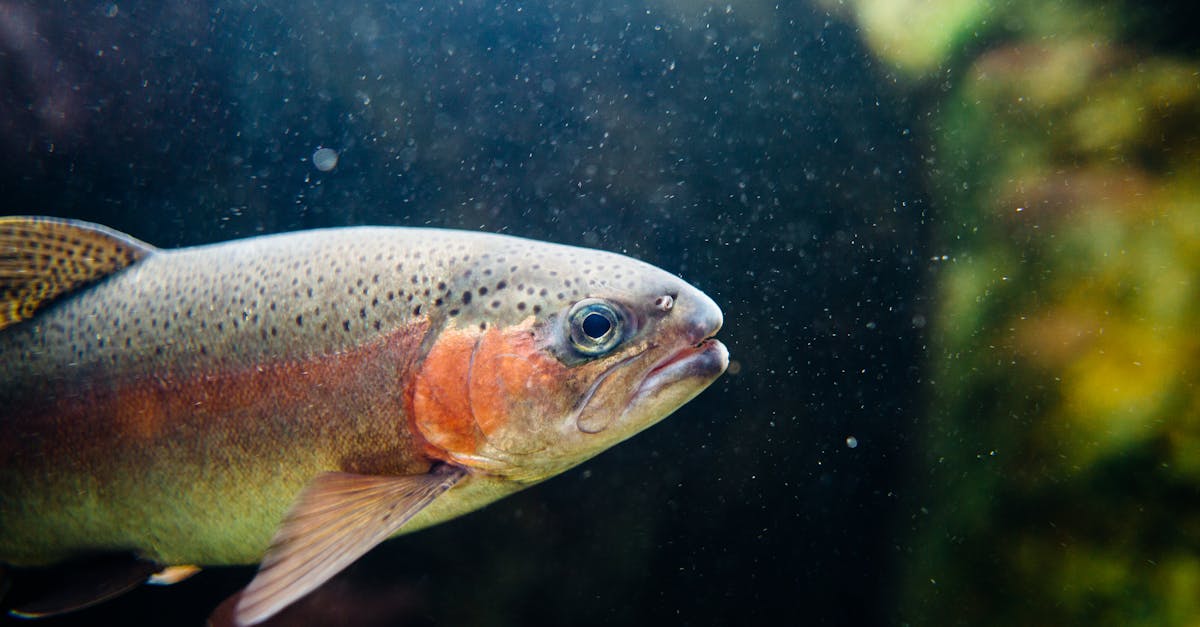
Rainbow Trout
The rainbow trout is Montana's most widespread and popular gamefish, celebrated for its explosive surface strikes, aerial acrobatics, and willingness to take a well-presented dry fly. Native to Pacific Coast drainages from Alaska to Mexico, rainbows were first introduced to Montana's waters in the late 1800s and have since established thriving populations in nearly every major river system in the state. On legendary waters like the Madison, Missouri, and Bighorn, wild rainbow trout grow fat on prolific insect hatches and provide some of the finest dry-fly fishing in North America. Rainbow trout in Montana display remarkable variation depending on their home water. Fish in nutrient-rich tailwaters like the Missouri River below Holter Dam can exceed 20 inches with regularity, their deep bodies and broad tails reflecting the abundant food supply. Freestone river rainbows, such as those in the upper Madison and Gallatin, tend to be leaner and more athletic, shaped by faster currents and colder water temperatures. In many Montana rivers, rainbows spawn in the spring from March through June, and anglers should be mindful of spawning redds during this period to protect future generations of fish. Rainbows are arguably the most versatile trout species for fly anglers. They respond well to dry flies during hatches, aggressively chase streamers, and feed heavily on nymphs subsurface throughout the year. Their fighting ability is legendary: a hooked rainbow will often launch itself completely out of the water multiple times during a battle. Montana's catch-and-release regulations on many blue-ribbon streams have produced exceptional rainbow trout fisheries with high densities of large, healthy fish that continue to draw anglers from around the world.
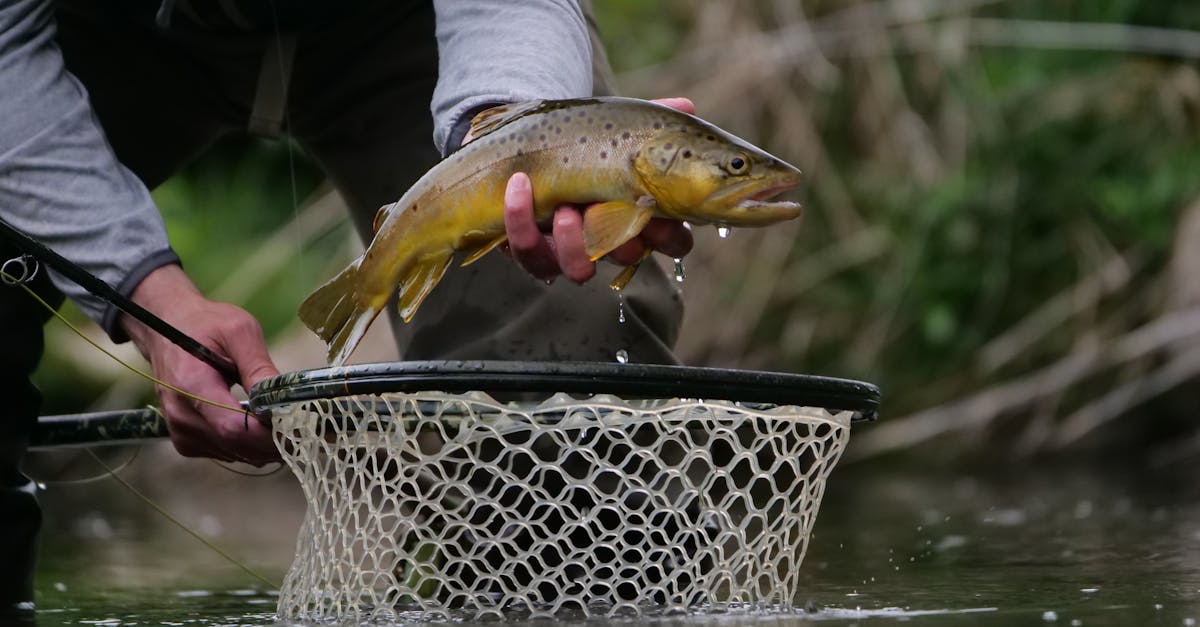
Brown Trout
The brown trout is the most cunning and elusive trout species swimming in Montana's rivers, and it rewards patient, skilled anglers with some of the state's most memorable catches. Originally native to Europe and western Asia, brown trout were first introduced to North American waters in 1883 and arrived in Montana shortly thereafter. They have since established robust, self-sustaining populations in virtually every major trout stream in the state, from the legendary spring creeks of the Paradise Valley to the sweeping runs of the lower Madison and the deep pools of the Bighorn. Brown trout grow larger than any other trout species in Montana, and fish exceeding 24 inches are caught with regularity on premium waters. The lower Madison River, the Missouri River below Holter Dam, and the Bighorn River are particularly renowned for producing trophy-class browns. Unlike rainbows, brown trout spawn in the fall (October through November), and their aggressive pre-spawn behavior creates an exciting window for streamer fishing as large males become territorial and attack anything that enters their domain. Browns are notably more nocturnal than other trout species, and many of the biggest fish are caught during low-light conditions. What sets brown trout apart from other species is their wariness and selectivity. Large browns are notoriously difficult to fool, often refusing flies that are even slightly off in size, color, or presentation. They tend to establish and defend prime feeding lies (undercut banks, logjams, deep pools, and boulder gardens), and an angler who learns to read water and identify these holding spots will consistently catch more and larger fish. This combination of difficulty, size potential, and intelligence makes the brown trout the most prized quarry for many serious Montana fly fishers.

Lake Trout
The lake trout is the largest member of the char family and the signature deep-water gamefish of northern New England's coldest, cleanest glacial lakes. A native coldwater char of the northern tier of North America, the lake trout reaches the southern edge of its natural range in the deep, oligotrophic lakes carved by Pleistocene glaciers across northern New England, including Vermont's Lake Champlain and the remote glacial lakes of the Northeast Kingdom. Unlike the stream-dwelling brook trout to which it is related, the lake trout is a true creature of the depths, spending most of the year in the cold, dark, well-oxygenated water far below the surface. Lake trout are long-lived, slow-growing fish that can survive for decades in the frigid depths of their home lakes. Average fish run 18 to 24 inches, but trophy specimens exceeding 30 inches and 15 pounds are taken each season from the best Vermont waters, and the state record approaches 35 pounds. Their size and strength, combined with the challenge of reaching them in deep water, make lake trout a prized quarry for anglers willing to adapt their tactics to the fish's coldwater lifestyle. For fly anglers, the lake trout presents a unique seasonal opportunity. Through most of the year these fish hold too deep for practical fly fishing, but during the narrow windows of ice-out in spring and the fall turnover, lake trout move into the shallows to feed and spawn, bringing them within reach of a well-presented streamer. Casting large baitfish patterns near rocky shorelines and drop-offs during these periods can produce the fish of a lifetime, connecting the angler to the deep glacial history of Vermont's finest coldwater lakes.
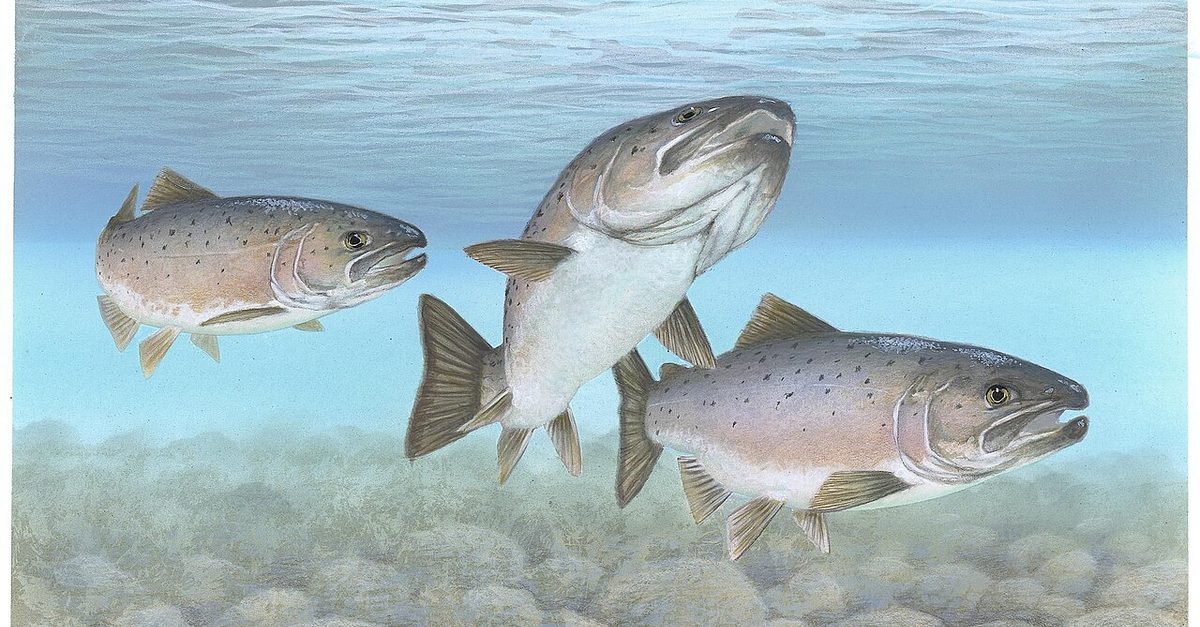
Landlocked Atlantic Salmon
The landlocked Atlantic salmon is one of New England's most prized gamefish, a freshwater-resident form of the Atlantic salmon that spends its entire life in lakes and rivers rather than migrating to the ocean. Found primarily in the lakes and rivers of Maine, New Hampshire, Vermont, and New York, landlocked salmon are genetically identical to their sea-run counterparts but have adapted to a completely freshwater life cycle, using large, cold lakes as their ocean substitute and tributary rivers as spawning habitat. Landlocked salmon are the signature gamefish of Maine's sporting camp tradition, where generations of anglers have gathered at remote wilderness lodges to fish for salmon in the Rangeley Lakes, Moosehead Lake, Sebago Lake, and the rivers that connect them. The fish combine the acrobatic fighting ability of their anadromous relatives with the accessibility of a freshwater species, leaping repeatedly when hooked and running with the kind of power and endurance that makes them one of the most exciting fish available on a fly rod in the northeastern United States. In rivers, landlocked salmon behave much like large resident trout, holding in classic lies and feeding on aquatic insects during hatches. They are particularly responsive to caddis and mayfly emergers, and the sight of a 3-pound landlocked salmon rising to a dry fly in a New England river is one of the defining experiences of northeastern fly fishing. In lakes, salmon are targeted with streamers that imitate smelt, their primary forage fish, trolled or cast from boats during the spring and fall when salmon cruise near the surface in cold-water conditions.
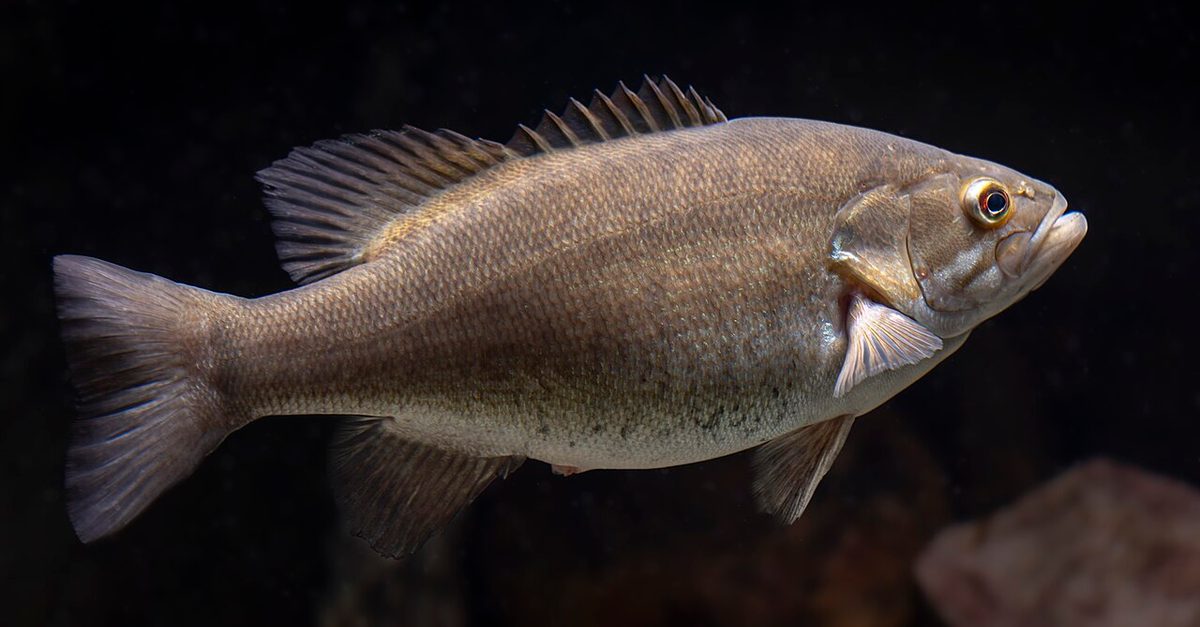
Smallmouth Bass
The smallmouth bass is one of the most popular and widely distributed gamefish in North America and one of the finest freshwater species available to fly anglers. Found in clear, cool rivers and lakes from the Great Lakes to the Southern Appalachians, smallmouth bass combine aggressive feeding behavior, remarkable fighting ability, and a preference for the kinds of rocky, current-rich habitats that are ideally suited to fly fishing. Pound for pound, the smallmouth bass is widely considered the hardest-fighting freshwater fish in North America, earning it the nickname 'the bronze bomber' for its explosive takes and powerful, acrobatic battles on the end of a line. While smallmouth bass are not a traditional trout-stream species, they have become increasingly important to fly anglers as warm-water fly fishing has grown in popularity. Rivers like the French Broad in North Carolina, the Susquehanna and Delaware in Pennsylvania, and the St. Lawrence in New York support world-class smallmouth fisheries that attract dedicated fly anglers. In many regions, smallmouth bass inhabit the lower reaches of the same river systems that hold trout in their upper reaches, providing fly anglers with a warm-water counterpart to their cold-water fishing. Smallmouth bass are particularly appealing to fly anglers because they readily take surface flies. On warm summer evenings, smallmouth will crush poppers, sliders, and large dry flies with explosive strikes that rival any trout rise. Their willingness to feed on the surface, combined with their strength and acrobatic leaping ability, makes smallmouth bass on a fly rod one of the most thrilling freshwater fly fishing experiences available.
Food Sources & Hatches
| Insect | Suggested Fly | Jan | Feb | Mar | Apr | May | Jun | Jul | Aug | Sep | Oct | Nov | Dec |
|---|---|---|---|---|---|---|---|---|---|---|---|---|---|
Chironomids (Midges) First light through mid-morning; again at dusk | Chironomid (Bomber) | ||||||||||||
Midge Clusters (Adult) Evening on flat calm water | Griffith's Gnat | ||||||||||||
Callibaetis (Speckled Dun) Mid-morning through early afternoon | Parachute Adams | ||||||||||||
Damselflies Mid-morning through afternoon | Damselfly Nymph | ||||||||||||
Dragonflies All day | Dragonfly Nymph | ||||||||||||
Smelt and Alewife (Baitfish) Dawn and dusk; overcast days best | Grey Ghost | ||||||||||||
Leeches Dawn, dusk, and overcast days | Woolly Bugger |
Chironomids (Midges): The single most important insect on Canadice. Emergences come off the 20-to-40-foot mud basin from ice-out into fall. Hang pupae a foot or two off the bottom under an indicator and adjust depth in small increments until you find the feeding band.
Midge Clusters (Adult): Browns sip clustered adults on still evenings over the north flats. Clear water and no chop make this a technical, sight-fishing game — long leaders and a delicate presentation.
Callibaetis (Speckled Dun): The reliable stillwater mayfly of the shallower coves and shelf water at both ends of the lake. Duns bring rainbows and browns to the surface on warm, overcast mornings.
Damselflies: Nymphs migrate toward shore and shoreline vegetation in early summer, and browns patrol the weed edges to intercept them. A slow, twitching retrieve parallel to the weed line is the classic Canadice presentation.
Dragonflies: Big nymphs crawl the bottom and weed margins all summer and make an excellent searching pattern when nothing is emerging. Fish them deep and slow along the drop-offs from a float tube.
Smelt and Alewife (Baitfish): Smelt and alewives are the forage base that grows lake trout and browns here. At ice-out and again in November, bait pushes shallow and salmonids follow it into fly-rod range along the shoreline drops.
Leeches: A year-round staple over the weed edges and mud flats. Black and olive leech and bugger patterns on an intermediate line account for more Canadice browns than any other fly.
Recommended Flies
Woolly Bugger
Top PickThe most productive single pattern on the lake. Olive and black in sizes 6-10 on an intermediate line, stripped along weed edges and rocky breaks for browns and rainbows.
Best in Spring through fall
Chironomid (Bomber)
Top PickChironomid pupae fished under an indicator over the 20-to-40-foot mud basin at first light. The technical summer game when the shorelines go quiet.
Best in Late spring through early fall
Damselfly Nymph
Top PickDamsel nymphs during the early-summer migration to the weed edges. Twitch it parallel to the weed line at a walking pace; browns take it hard.
Best in June and July
Grey Ghost
Top PickSmelt streamer for lake trout, browns, and the occasional surplus landlocked salmon when bait is pushed shallow. Fish it on an intermediate or slow full-sink line along the shoreline drop.
Best in Ice-out through May; again in November
Also Effective
Access Points & Boat Launches
Canadice Road Gravel Ramp (East Shore)
Boat LaunchEasyThe lake's primary put-in, an unimproved gravel ramp on the east side off Canadice Road near Birch Hill Road. Suitable for small trailered boats, car-toppers, and float tubes; the roughly 10 hp motor limit keeps larger craft off the water. Bank fishing is possible near the ramp.
South End Cartop Launch
Boat LaunchEasyA hand-carry launch at the south end of the lake for canoes, kayaks, prams, and float tubes. Puts a paddler directly onto the shallower southern flats and weed edges that hold browns in spring and fall, with the mud basin a short paddle north.
East Shore Pull-Offs
Wade AccessEasy to ModerateInformal pull-offs along Canadice Road on the east shore give walk-in anglers access to the bank and to wadeable gravel where the shoreline shelves before dropping off. Best in spring and fall when browns and lake trout work close to shore; the forested, cottage-free shoreline makes for pleasant walking between spots.
Regulations
Regulations
Canadice falls under New York's Finger Lakes and tributaries regulations, which provide a year-round season for trout and salmon on the lake itself, with statewide and Region 8 length and creel limits applying to lake trout, brown trout, rainbow trout, and landlocked salmon. Additional City of Rochester watershed rules govern shoreline access and use, including a prohibition on swimming and a motor restriction of roughly 10 horsepower. A New York State fishing license is required. Regulations, watershed access rules, and special-water provisions change; verify current rules with DEC Region 8 and the current NYS Fishing Regulations Guide before you fish.
Always verify current regulations with Montana Fish, Wildlife & Parks before fishing.
Quick Facts
- Surface Area
- 649 acres
- Max Depth
- 95 ft
- Elevation
- 1,096 ft
- Lake Type
- Natural Lake
- Region
- Finger Lakes / Ontario County
- Best Seasons
- spring, summer, fall
- Species
- Rainbow Trout, Brown Trout, Lake Trout, Landlocked Atlantic Salmon, Smallmouth Bass
- Difficulty
- Beginner to Intermediate
- Record Fish
- The dossier does not record a state or lake record from Canadice. Expect browns in the 12-to-18-inch class from the stocked cohorts with larger holdover fish present, and lake trout of typical Finger Lakes size accessible to fly anglers only at ice-out and in late fall.
- Depth Chart
- Download PDF
Nearby Lakes & Ponds
Lake Placid
Adirondack High Peaks / Essex County
Cranberry Lake
Adirondacks / St. Lawrence County
Stillwater Reservoir
Beaver River Country / Herkimer County
Skaneateles Lake
Finger Lakes / Onondaga, Cortland & Cayuga Counties
Lake George
Adirondacks / Warren, Essex & Washington Counties
Schroon Lake
Adirondacks / Warren & Essex Counties