Clark Canyon Reservoir
Clark Canyon Reservoir is a 4,815-acre high-desert impoundment in the Beaverhead Valley that grows Eagle Lake-strain rainbows to trophy size on an enormous scud population. Indicator chironomid fishing from ice-out and summer Callibaetis gulpers over the flats make it one of Montana's most productive stillwaters for fly anglers.
Overview
Clark Canyon Reservoir sits at 5,559 feet in the wide, sage-covered country south of Dillon, where the Red Rock River and Horse Prairie Creek come together behind a Bureau of Reclamation dam. At 4,815 surface acres and 94 feet at its deepest, it is a big, open sheet of high-desert water with none of the timber-and-granite drama of a mountain lake. What it has instead is fertility. The flats and shoreline shelves of this reservoir carry an extraordinary density of scuds, and the rainbows that eat them put on weight at a rate that seems implausible to anglers used to freestone trout.
The fishery is built on Eagle Lake-strain rainbow trout, planted in enormous numbers by Montana Fish, Wildlife & Parks. A single recent season saw more than 105,000 fingerlings at roughly two inches go in alongside nearly 38,000 fish at close to six inches and several thousand larger trout near nine inches. Those fish disappear into the scud beds and come back out fat, deep-bodied, and hard-fighting. Brown trout share the reservoir and add a second target, particularly for anglers throwing streamers along the rocky points and the face of the dam.
For a fly angler the calendar opens the moment the ice lets go. Chironomids emerge in staggering numbers from the soft-bottomed flats, and an indicator rig hung over 8 to 20 feet of water is the single most productive technique on the reservoir from ice-out through spring. Fish are shallow, hungry after winter, and often concentrated in the warmer arms where the tributaries come in. This is the window that produces the reservoir's reputation-making rainbows, and it is also the least crowded time of year.
Summer shifts the game to the surface. Callibaetis mayflies come off the weedy shoals through the warm months and set rainbows cruising in loose pods, sipping duns and spinners in the same maddening, unhurried way they do on Hebgen. Sight-casting a Sparkle Dun or a small parachute to a moving fish on a calm morning is the most enjoyable fishing Clark Canyon offers. Damselfly migrations toward the shoreline weeds in early summer give a second reliable target, and leeches and Woolly Buggers stripped on sink-tips near the dam and off the points cover water when nothing is showing.
The reservoir's outflow becomes the Beaverhead River, one of Montana's best-known tailwaters, and many anglers treat the two as a single destination — flats and gulpers on the lake in the morning, tailwater trout below the dam in the afternoon. Wind is the constant here. The Beaverhead Valley funnels it hard and nearly daily, and learning to fish the lee shorelines rather than fighting the chop is the difference between a good day and a frustrating one. Ice-out and fall are the peak periods, but Clark Canyon fishes well any month the water is open for an angler willing to read the wind.
Depth & Character
- Surface Area
- 4,815acres
- Max Depth
- 94ft
- Elevation
- 5,559ft
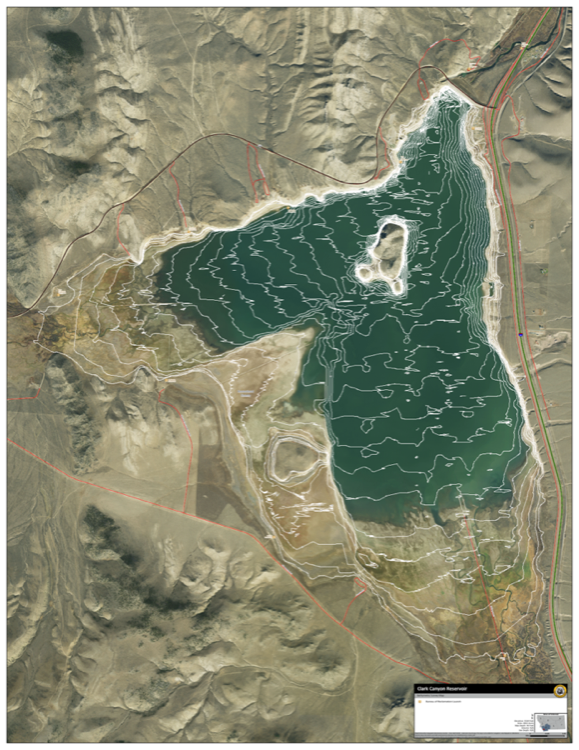
Bathymetric depth chart — click to open the full PDF. Source: Vermont DEC.
Source: Vermont DEC
Water Characteristics
Clark Canyon is a fertile, relatively shallow-shouldered high-desert reservoir with a maximum depth of 94 feet concentrated in the old river channel near the dam. The depth chart shows how much of the reservoir's area sits over comparatively shallow ground: broad shelves and gradual contours extend well out from shore in the upper arms where the Red Rock River and Horse Prairie Creek enter, then step down through a series of tightening contours toward the deep water at the dam face. That structure is the map of the fishery — the flats and their drop-off edges hold the food, and the deep channel gives fish a place to go when the surface layer warms.
The biological engine is scuds. Dense populations of freshwater shrimp live in the weed and silt of the shallows, and they are available to trout year-round, which is why Clark Canyon rainbows grow so fast and carry such deep bodies. Chironomids emerge from the soft bottoms in huge numbers, and Callibaetis mayflies and damselflies come off the weedier shoals through the summer. Water clarity is generally good but varies with wind, reservoir level, and spring runoff from the two inflows; being a working irrigation storage reservoir, water levels can swing substantially over a season and reshape which flats are worth fishing.
Wind is a defining water characteristic here as much as a weather one. Sustained valley wind builds a chop that stirs the shallows, pushes food and fish onto the lee shorelines, and can shut down the flat-water gulper game in minutes. On the other hand, that same wind lane concentrates fish predictably for anglers who follow it.
Stocking
| Species | Size | Number | Program |
|---|---|---|---|
| Rainbow Trout (Eagle Lake strain) | 2.2 in fingerling | 105,715 | Montana FWP, 2025 plant |
| Rainbow Trout (Eagle Lake strain) | 5.7 in | 37,996 | Montana FWP, 2025 plant |
| Rainbow Trout (Eagle Lake strain) | 8.7 in | 6,954 | Montana FWP, 2025 plant (larger catchable-size fish) |
Seasonal Fishing Guide
Spring
The peak window. From ice-out onward, chironomid pupae fished under an indicator over 8-20 feet on the flats are deadly, and post-winter rainbows are shallow and eager. Concentrate near the Red Rock River and Horse Prairie Creek arms where inflow warms the water first. Carry scud patterns as a dropper. If the wind kills the indicator game, strip leeches and Woolly Buggers on the lee shorelines.
Summer
Callibaetis hatches bring cruising rainbows to the weedy shoals — hunt gulpers on calm mornings with Sparkle Duns, small parachutes and spinners, casting ahead of a moving fish rather than at the last rise. Damselfly nymphs migrating toward shore in early summer are a reliable second option. Afternoons usually blow out; switch to sink-tips and buggers off the points and near the dam.
Fall
A second peak. Cooling water pulls fish back into the shallows and brown trout get aggressive around rocky structure and the dam face. Streamer fishing on intermediate and sink-tip lines is at its best, and chironomid fishing picks back up on the flats. Pressure is minimal and the biggest fish of the year are in play.
Winter
The reservoir ices over and the fly-fishing season effectively pauses. Use the winter to plan for ice-out, and check current access-site and ice conditions with Montana FWP or Dillon-area shops; on a fluctuating irrigation reservoir, conditions differ every year. Anglers wanting moving water in winter can fish the Beaverhead River tailwater below the dam.
Access & Boats
Clark Canyon is a Bureau of Reclamation reservoir with developed public recreation sites, including campgrounds and boat ramps at Lewis & Clark, Beaverhead, and West Cameahwait. Ramps make this easy water for a boat, and the shallow, weedy flats and protected bays are excellent float-tube and pontoon water. Wadeable shorelines are extensive — the gradual shelves around much of the reservoir let a shore angler cover productive water on foot, which is unusual for a reservoir this size. The dam area and rocky points are the most reliable shore-based streamer spots. The outflow below the dam is the head of the Beaverhead River, so a single trip can combine stillwater and tailwater fishing.
Ice Fishing
The reservoir freezes over in winter, and ice-out in early spring is the pivotal event on the fly angler's calendar rather than the ice season itself. Winter access and ice conditions vary considerably year to year on a working storage reservoir with fluctuating levels, so check current conditions and access-site status with Montana FWP or local Dillon shops before planning a winter trip. Fly anglers should focus their planning on the weeks immediately after the ice releases, when chironomid fishing is at its best.
Fishing Pressure & Local Tips
Moderate, and lighter than the numbers of fish would suggest. Clark Canyon draws a steady local following from Dillon and the surrounding valley plus a summer camping and recreational boating crowd at the developed sites, but most visiting anglers in this corner of Montana are aimed at the Beaverhead River below the dam rather than the reservoir above it. Fly-specific pressure on the flats is genuinely light, especially at ice-out and in fall. Weekdays in spring can feel close to empty; midsummer weekends bring more boat traffic, which is another argument for early mornings.
Local Knowledge
Fish the chironomid game properly and this reservoir will hand you the biggest stillwater rainbows of your season. Anchor over 8 to 20 feet on the soft-bottomed flats, run a long leader under an indicator, and suspend the pupa a foot or two off the bottom. Patience matters more than casting: set up, let the rig sit, and adjust depth in small increments until you find the level the fish are working. From ice-out through spring this outproduces everything else on the water.
Always carry a scud imitation. The reservoir's rainbows are built on freshwater shrimp, and a small tan or gray scud pattern fished slowly along the weed edges — or dropped below a chironomid — is a fish-catcher when no hatch is happening. It is the closest thing to a year-round confidence fly on Clark Canyon.
Plan around the wind rather than against it. The Beaverhead Valley blows most afternoons, so the calm gulper window for summer Callibaetis is early morning. When the wind is up, quit trying to sight-fish and go to work on the lee shorelines with a damselfly nymph, a leech, or a Woolly Bugger on an intermediate or sink-tip line. Trout stack where the wind pushes food, and the chop gives you cover to get close.
Species Present
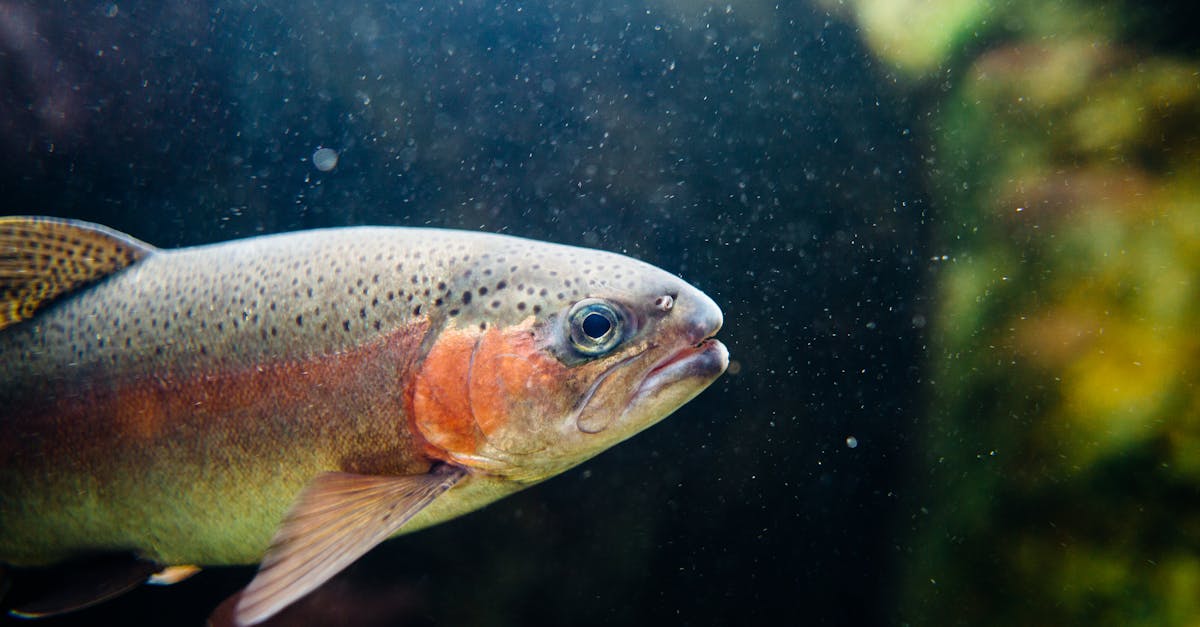
Rainbow Trout
The rainbow trout is Montana's most widespread and popular gamefish, celebrated for its explosive surface strikes, aerial acrobatics, and willingness to take a well-presented dry fly. Native to Pacific Coast drainages from Alaska to Mexico, rainbows were first introduced to Montana's waters in the late 1800s and have since established thriving populations in nearly every major river system in the state. On legendary waters like the Madison, Missouri, and Bighorn, wild rainbow trout grow fat on prolific insect hatches and provide some of the finest dry-fly fishing in North America. Rainbow trout in Montana display remarkable variation depending on their home water. Fish in nutrient-rich tailwaters like the Missouri River below Holter Dam can exceed 20 inches with regularity, their deep bodies and broad tails reflecting the abundant food supply. Freestone river rainbows, such as those in the upper Madison and Gallatin, tend to be leaner and more athletic, shaped by faster currents and colder water temperatures. In many Montana rivers, rainbows spawn in the spring from March through June, and anglers should be mindful of spawning redds during this period to protect future generations of fish. Rainbows are arguably the most versatile trout species for fly anglers. They respond well to dry flies during hatches, aggressively chase streamers, and feed heavily on nymphs subsurface throughout the year. Their fighting ability is legendary: a hooked rainbow will often launch itself completely out of the water multiple times during a battle. Montana's catch-and-release regulations on many blue-ribbon streams have produced exceptional rainbow trout fisheries with high densities of large, healthy fish that continue to draw anglers from around the world.
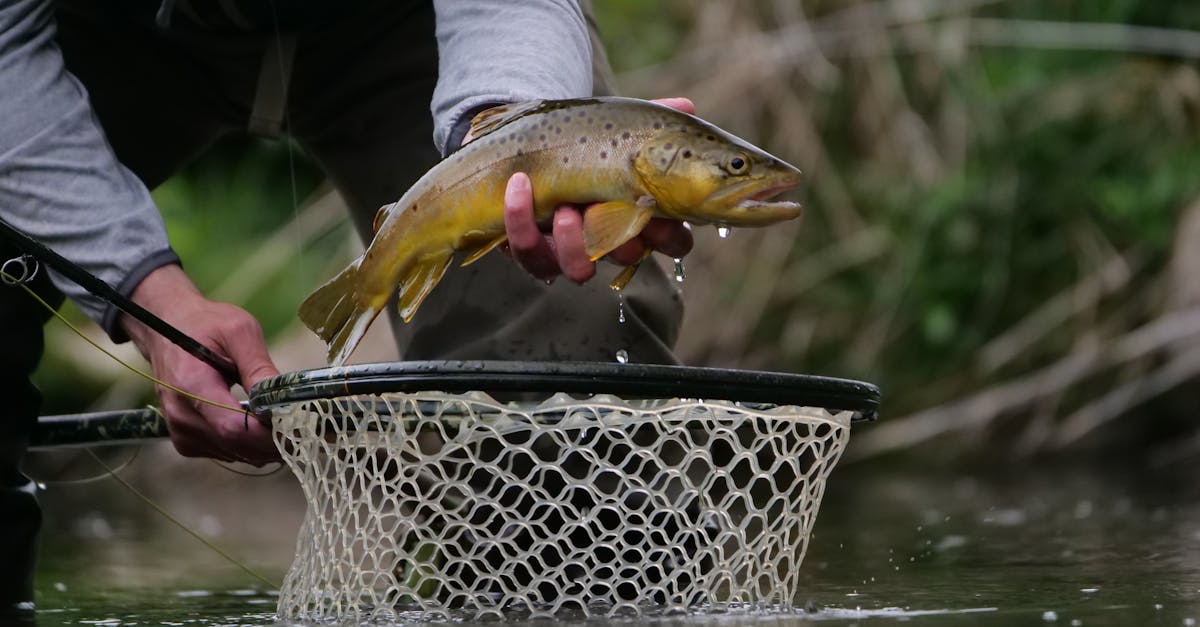
Brown Trout
The brown trout is the most cunning and elusive trout species swimming in Montana's rivers, and it rewards patient, skilled anglers with some of the state's most memorable catches. Originally native to Europe and western Asia, brown trout were first introduced to North American waters in 1883 and arrived in Montana shortly thereafter. They have since established robust, self-sustaining populations in virtually every major trout stream in the state, from the legendary spring creeks of the Paradise Valley to the sweeping runs of the lower Madison and the deep pools of the Bighorn. Brown trout grow larger than any other trout species in Montana, and fish exceeding 24 inches are caught with regularity on premium waters. The lower Madison River, the Missouri River below Holter Dam, and the Bighorn River are particularly renowned for producing trophy-class browns. Unlike rainbows, brown trout spawn in the fall (October through November), and their aggressive pre-spawn behavior creates an exciting window for streamer fishing as large males become territorial and attack anything that enters their domain. Browns are notably more nocturnal than other trout species, and many of the biggest fish are caught during low-light conditions. What sets brown trout apart from other species is their wariness and selectivity. Large browns are notoriously difficult to fool, often refusing flies that are even slightly off in size, color, or presentation. They tend to establish and defend prime feeding lies (undercut banks, logjams, deep pools, and boulder gardens), and an angler who learns to read water and identify these holding spots will consistently catch more and larger fish. This combination of difficulty, size potential, and intelligence makes the brown trout the most prized quarry for many serious Montana fly fishers.
Food Sources & Hatches
| Insect | Suggested Fly | Jan | Feb | Mar | Apr | May | Jun | Jul | Aug | Sep | Oct | Nov | Dec |
|---|---|---|---|---|---|---|---|---|---|---|---|---|---|
Chironomids (midges) Morning through afternoon; heaviest emergences in spring | Chironomid (Bomber) | ||||||||||||
Chironomid pupa (small dark) All day | Zebra Midge | ||||||||||||
Scuds (freshwater shrimp) All day, year-round | Ray Charles | ||||||||||||
Callibaetis mayfly Late morning on calm days; spinners in the evening | Sparkle Dun | ||||||||||||
Callibaetis dun (parachute presentation) Mid-morning to early afternoon | Parachute Adams | ||||||||||||
Damselfly nymph migration Late morning through afternoon | Damselfly Nymph | ||||||||||||
Leeches and baitfish (searching forage) Best early and late; all day in wind and chop | Woolly Bugger |
Chironomids (midges): The defining hatch at Clark Canyon. Pupae emerge in enormous numbers from the soft-bottomed flats from ice-out onward. Fish Chironomid Bombers or Zebra Midges under an indicator over 8-20 feet, suspended a foot or two off the bottom.
Chironomid pupa (small dark): A small dark pupa is the everyday searching pattern here. Run it as the lower fly on a two-fly indicator rig when fish refuse a larger chironomid.
Scuds (freshwater shrimp): Not a hatch but the reservoir's most important food source. Dense scud populations in the weeds and silt are what grow Clark Canyon rainbows so fast. Fish a small tan or gray scud slowly along weed edges or as a dropper below a chironomid.
Callibaetis mayfly: Summer gulper fishing over the weedy shoals. Rainbows cruise in loose pods sipping duns and spinners. Sight-cast ahead of a moving fish; a Sparkle Dun or small parachute covers both stages.
Callibaetis dun (parachute presentation): A Parachute Adams in the right size is the simplest and most reliable Callibaetis dun imitation for cruising fish on flat water.
Damselfly nymph migration: Early-summer damsel nymphs swim toward shoreline weeds and vegetation to emerge. Fish an olive damsel nymph on a floating or intermediate line with short, twitchy strips just above and along the weed tops.
Leeches and baitfish (searching forage): The default when nothing is showing. Strip Woolly Buggers and leech patterns on intermediate and sink-tip lines near the dam, off rocky points and along the lee shorelines. Brown trout in particular respond in fall.
Recommended Flies
Chironomid (Bomber)
Top PickThe number-one fly on the reservoir. Fished under an indicator over the soft-bottom flats a foot or two off bottom, it accounts for more big Clark Canyon rainbows than anything else.
Best in Spring through fall, peak at ice-out
Zebra Midge
Top PickSmall dark chironomid pupa for the second fly on an indicator rig, or when fish refuse a larger profile. Sizes 16-20.
Best in Year-round when water is open
Ray Charles
Top PickScud/sowbug imitation for the reservoir's defining food source. Fish it slowly along weed edges or drop it below a chironomid. Tan and gray in sizes 14-18.
Best in Year-round
Woolly Bugger
Top PickThe wind-day workhorse. Strip it on an intermediate or sink-tip line along lee shorelines, rocky points and near the dam. Olive and brown for leech and sculpin profiles.
Best in Spring and fall
Access Points & Boat Launches
Lewis & Clark Campground and Boat Ramp
Boat LaunchEasyDeveloped Bureau of Reclamation recreation site on the reservoir with a boat ramp and campground. A convenient main launch for reaching the flats and the water near the dam, and a practical base for anglers combining reservoir and Beaverhead River tailwater fishing.
Beaverhead Campground and Boat Ramp
Boat LaunchEasySecond developed campground and boat ramp on the reservoir, giving access to the middle and upper water. Good jumping-off point for float tubes and pontoons working the nearby weedy flats and shoreline shelves.
West Cameahwait Recreation Site
Boat LaunchEasyRecreation site on the western side of the reservoir with launch access to the upper arms. Reaches the shallower, weedier water near the tributary inflows that fishes best at ice-out and during Callibaetis season.
Shoreline Flats Walk-In Access
Wade AccessEasy to ModerateThe reservoir's gradual shelves and weedy flats make extensive stretches of shoreline wadeable on foot, an unusual advantage on a reservoir this size. Walk out from the developed sites and fish the drop-off edges; float tubes launch easily from the same shorelines.
Regulations
Regulations
Standard southwest Montana trout regulations apply to Clark Canyon Reservoir, and a Montana fishing license is required. Bag and length limits for rainbow and brown trout, plus any site-specific rules for the reservoir and the tailwater below the dam, change from year to year — verify current regulations at myfwp.mt.gov before you fish.
Always verify current regulations with Montana Fish, Wildlife & Parks before fishing.
Quick Facts
- Surface Area
- 4,815 acres
- Max Depth
- 94 ft
- Elevation
- 5,559 ft
- Lake Type
- Reservoir
- Region
- Southwest Montana / Beaverhead Valley; Beaverhead County
- Best Seasons
- spring, summer, fall
- Species
- Rainbow Trout, Brown Trout
- Difficulty
- Intermediate
- Record Fish
- Clark Canyon's Eagle Lake-strain rainbows grow exceptionally fast on the reservoir's dense scud population, and trophy-class fish are the reason anglers make the trip; heavy, deep-bodied rainbows well beyond the size of typical stocked trout are caught every season.
- Depth Chart
- Download PDF
Nearby Lakes & Ponds
Georgetown Lake
Southwest Montana / Anaconda-Pintler; Deer Lodge and Granite Counties
Hebgen Lake
Southwest Montana / Madison Valley; Gallatin County
Browns Lake
Western Montana / Blackfoot Valley; Powell County
Dailey Lake
South-central Montana / Paradise Valley; Park County
Canyon Ferry Lake
West-central Montana / Missouri River; Broadwater and Lewis and Clark counties
Placid Lake
Western Montana / Clearwater Valley; Missoula County