Georgetown Lake
Georgetown Lake is Montana's premier trout stillwater, 2,818 shallow, weedy, spectacularly fertile acres perched at 6,336 feet below the Anaconda-Pintler peaks. Legendary Callibaetis gulper fishing, ice-out chironomid emergences, and June damselfly migrations make it the state's most complete fly-rod lake.
Overview
Georgetown Lake sits at 6,336 feet in the saddle between Anaconda and Philipsburg, tucked under the eastern flank of the Anaconda-Pintler Wilderness in southwest Montana. It covers 2,818 acres but holds only about 43,000 acre-feet of water, and that ratio tells you almost everything you need to know: this is a broad, shallow, sun-warmed basin averaging just 15 feet deep. Where most Montana reservoirs are canyon plugs with steep walls and cold, sterile depths, Georgetown is a fertile bowl of weed flats and shoals. It is, by a wide margin, the state's best-known and most beloved stillwater for fly anglers.
Shallow plus fertile equals fast growth. The lake's extensive submerged vegetation supports enormous populations of scuds, chironomids, damselfly and dragonfly nymphs, and leeches, and trout convert that biomass into weight at a rate river fish in the surrounding drainages cannot match. Rainbow trout are the headline fish, supported by heavy annual Eagle Lake-strain plants. Brook trout are equally important here and unusual in that they are both stocked in large numbers and reproduce naturally, giving Georgetown a brookie population dense enough that Montana FWP has historically encouraged harvest. Kokanee salmon add a landlocked-sockeye dimension that drives much of the winter fishery, and westslope cutthroat round out the species list.
The fly angler's year opens at ice-out, usually sometime in April or early May depending on the winter. Chironomids come off almost immediately over the weed flats, and a pupa suspended under an indicator in eight to fifteen feet of water is the single most productive presentation on the lake in spring. By early June the damselfly migration begins, with nymphs swimming toward shoreline vegetation and emergent stems in numbers that turn otherwise cautious trout reckless. This is the window when an olive damsel nymph retrieved with short, twitchy strips near the weed edges outfishes everything else.
Then come the gulpers. From roughly late June through August, Georgetown produces the dense Callibaetis emergences that made its reputation. On calm mornings, pods of rainbows and cutthroat cruise the flats in loose circuits, porpoising through drifting duns and spinners, and a fly angler in a float tube or from a quietly anchored boat gets legitimate sight-fishing at rising trout in stillwater. Reading the direction of a cruising pod and leading it by several feet is the whole game. When the wind comes up, as it does most afternoons at this elevation, the flat-water fishing shuts off and the lake reverts to a strip-and-search fishery with leeches, buggers, and scud patterns along the drop-offs.
Fall cools the water back down and brings some of the best streamer and scud fishing of the year before ice forms, and then Georgetown converts into one of Montana's busiest winter ice fisheries, with brook trout and kokanee drawing crowds of shelters onto the frozen flats. Very few Western lakes fish well in all four seasons; Georgetown is one of them, and its combination of easy access, forgiving depth, and world-class insect life makes it approachable for a newcomer to stillwater and endlessly technical for anyone who wants it to be.
Depth & Character
- Surface Area
- 2,818acres
- Mean Depth
- 15ft
- Elevation
- 6,336ft
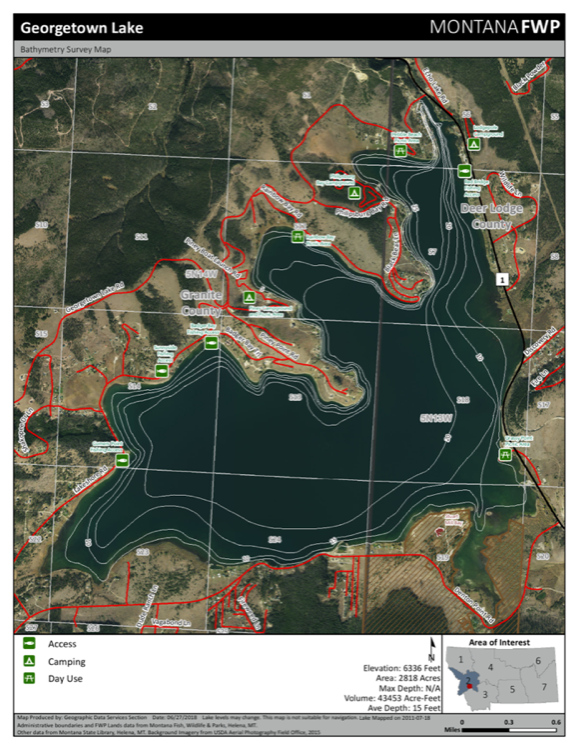
Bathymetric depth chart — click to open the full PDF. Source: Vermont DEC.
Source: Vermont DEC
Water Characteristics
Georgetown is a shallow, highly productive reservoir. The FWP bathymetric survey lists an average depth of only 15 feet across 2,818 acres, with 43,453 acre-feet of storage; the chart does not print a maximum depth figure, and in practice the deepest holes near the dam and along the old channel are the exception rather than the rule. Because so much of the lake bottom sits inside the photic zone, submerged vegetation blankets huge areas of the basin, and the depth chart's broad, widely spaced contours reveal exactly what you would expect: expansive flats and shoals separated by subtle troughs rather than dramatic structure.
That shallowness has consequences. The lake warms readily through summer and does not stratify the way a deep coldwater lake does, so trout are never far out of fly-rod reach; there is no thermocline retreat that pulls the fish beyond a floating or intermediate line. Water clarity is generally good in spring and fall and can turn greener as summer algal productivity peaks. The weedbeds themselves are the primary structure on the lake, and learning to fish weed edges, channels between beds, and the transition from vegetation to open bottom is more valuable than any depth reading.
Forage is the other defining feature. Scuds are abundant year-round in the vegetation, chironomids emerge from ice-out through fall, damselfly and dragonfly nymphs live in the weeds, and Callibaetis mayflies hatch prolifically from early summer into August. Leeches round out the menu. Fish grow quickly on this buffet, and their condition shows it.
Stocking
| Species | Size | Number | Program |
|---|---|---|---|
| Brook Trout (Utah strain) | 4.95 in fingerling | 44,226 | Montana FWP June 2026 plant (FishMT stocking records) |
| Rainbow Trout (Eagle Lake strain) | 4.0 in fingerling | 26,472 | Montana FWP June 2026 plant (FishMT stocking records) |
| Rainbow Trout (Eagle Lake strain) | Fall plant | ~47,000 | Montana FWP fall 2025 stocking (approximate) |
| Rainbow Trout (Eagle Lake strain) | Summer plant | ~20,000 | Montana FWP summer 2025 stocking (approximate) |
Seasonal Fishing Guide
Spring
Ice-out through early June is prime. Chironomids come off almost as soon as the ice leaves; anchor over the weed flats and hang a pupa under an indicator in eight to fifteen feet of water, a foot or two off bottom. Scud patterns work anywhere there is vegetation. By early June the damselfly migration starts and an olive damsel nymph fished close to shoreline weeds with short strips becomes the best fly on the lake.
Summer
The Callibaetis gulper fishery peaks from late June into August. Be on flat water at dawn with a floating line, a Parachute Adams or Sparkle Dun, and a long leader, and sight-cast to cruising pods by leading them several feet. Once the wind builds mid-morning, switch to leeches, Woolly Buggers, and dragonfly nymphs stripped along weed edges on an intermediate line, or go back to chironomids under an indicator.
Fall
Cooling water pulls trout back onto the shallow flats and turns on some of the best streamer and scud fishing of the year, with far less traffic than summer. Strip leeches and buggers over and along the weedbeds, and expect brook trout to be aggressive and colored up ahead of spawning. Fish until the lake locks up.
Winter
Georgetown becomes one of southwest Montana's busiest ice fisheries, with brook trout and kokanee the main targets over the shallow flats. Small jigged chironomid, scud, and midge imitations work well. Confirm current FWP winter season dates and check ice conditions locally before going out.
Access & Boats
Georgetown is one of the easiest big stillwaters in Montana to get onto. Montana Highway 1, the Pintler Veterans Memorial Scenic Highway between Anaconda and Philipsburg, runs along the lake, and multiple FWP and Forest Service sites ring the shoreline with boat ramps and parking. Denton's Point, Piney, Comers, and Southern Cross are the main developed accesses, and the FWP depth chart also shows the Pebble Beach Picnic Area and Badger Bay fishing access.
Because the lake averages just 15 feet deep, it is outstanding float-tube and pontoon water; kick boats let you work the weed flats slowly and quietly, which is exactly what gulper fishing and damsel migrations demand. Small boats and canoes are equally effective. Shoreline anglers do well too, since much of the perimeter is weedy shoal that can be waded or fished from the bank without needing to reach deep water. Wind is the main constraint on any craft here; plan to launch at whichever access is on the lee side of the day's breeze.
Ice Fishing
Georgetown supports a large and genuinely popular winter ice fishery. Brook trout and kokanee are the primary winter targets, and the shallow, uniform basin means productive water is available almost anywhere the ice is safe. Shelter towns build up on the flats through mid-winter and the lake draws anglers from across southwest Montana. Fly anglers who jig can fish small chironomid and scud imitations effectively under the ice. Verify current FWP winter season dates and check ice thickness locally before heading out.
Fishing Pressure & Local Tips
Heavy by Montana stillwater standards, and Georgetown makes no secret of it: this is the most famous trout lake in the state, sits directly on a paved highway between two towns, and hosts summer recreation and a major winter ice fishery on top of the angling. That said, 2,818 acres absorb a lot of people. Summer weekends bring recreational boat traffic that flattens the gulper fishing by mid-morning, but weekday dawns in July and August, and the entire ice-out through early-June window, are far quieter than the lake's reputation suggests. Fall is the least-pressured open-water period.
Local Knowledge
Fish early. The Callibaetis gulper game depends on flat water, and at 6,336 feet the wind reliably arrives by late morning and stays. Be on the flats at first light with a floating line and a small parachute or Sparkle Dun already tied on, and treat the calm hours as the appointment you cannot miss. When a pod of cruisers is working, do not cast at the last rise; watch two or three rises to establish the direction of travel and put the fly four to six feet ahead of the fish.
When the wind kills the surface fishing, switch modes rather than going home. A chironomid pupa hung under an indicator over eight to fifteen feet of water on the weed flats produces all spring and much of the summer, and the chop actually helps by adding motion to the fly. Long fluorocarbon leaders and a fly suspended a foot or two off the bottom is the standard rig. On breezy afternoons, an intermediate line with a leech, Woolly Bugger, or scud stripped along the outside edge of a weedbed is the reliable fallback.
Do not overlook the brook trout. Georgetown's brookies both stock heavily and spawn naturally, and the population is dense enough that a small streamer or a bright soft hackle worked over the weeds can produce fish after fish. In early June, dedicate at least one session entirely to the damselfly migration: fish an olive damsel nymph on a floating line close to shoreline vegetation with short, quick strips, and pause when a fish follows rather than speeding up.
Species Present
Rainbow Trout
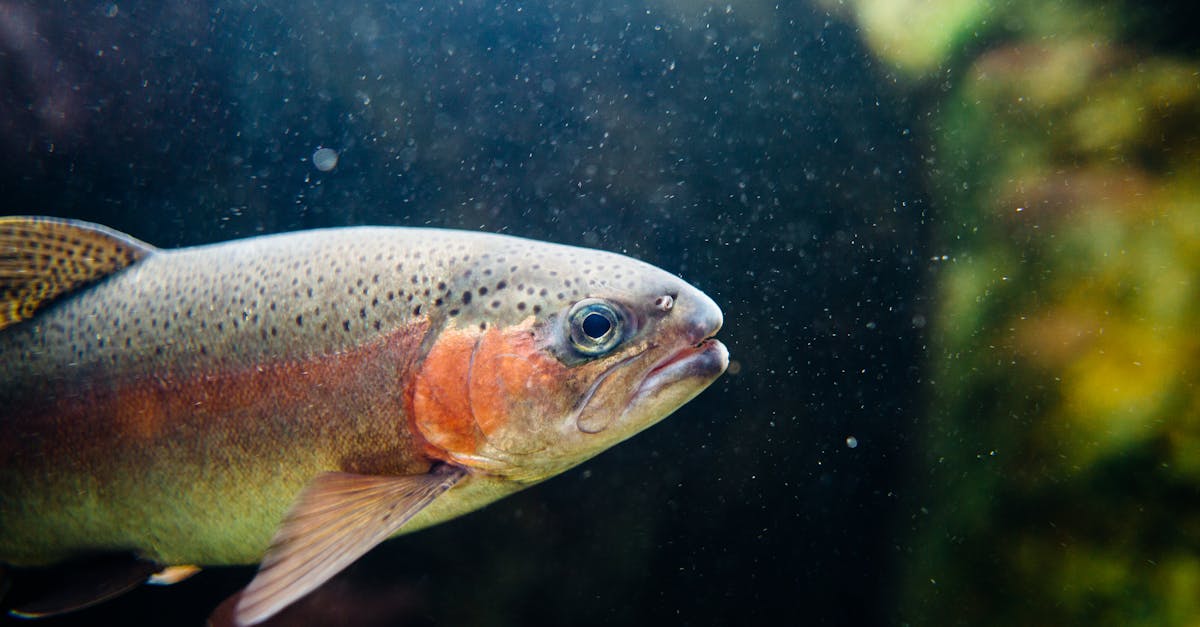
The rainbow trout is Montana's most widespread and popular gamefish, celebrated for its explosive surface strikes, aerial acrobatics, and willingness to take a well-presented dry fly. Native to Pacific Coast drainages from Alaska to Mexico, rainbows were first introduced to Montana's waters in the late 1800s and have since established thriving populations in nearly every major river system in the state. On legendary waters like the Madison, Missouri, and Bighorn, wild rainbow trout grow fat on prolific insect hatches and provide some of the finest dry-fly fishing in North America. Rainbow trout in Montana display remarkable variation depending on their home water. Fish in nutrient-rich tailwaters like the Missouri River below Holter Dam can exceed 20 inches with regularity, their deep bodies and broad tails reflecting the abundant food supply. Freestone river rainbows, such as those in the upper Madison and Gallatin, tend to be leaner and more athletic, shaped by faster currents and colder water temperatures. In many Montana rivers, rainbows spawn in the spring from March through June, and anglers should be mindful of spawning redds during this period to protect future generations of fish. Rainbows are arguably the most versatile trout species for fly anglers. They respond well to dry flies during hatches, aggressively chase streamers, and feed heavily on nymphs subsurface throughout the year. Their fighting ability is legendary: a hooked rainbow will often launch itself completely out of the water multiple times during a battle. Montana's catch-and-release regulations on many blue-ribbon streams have produced exceptional rainbow trout fisheries with high densities of large, healthy fish that continue to draw anglers from around the world.
Brook Trout
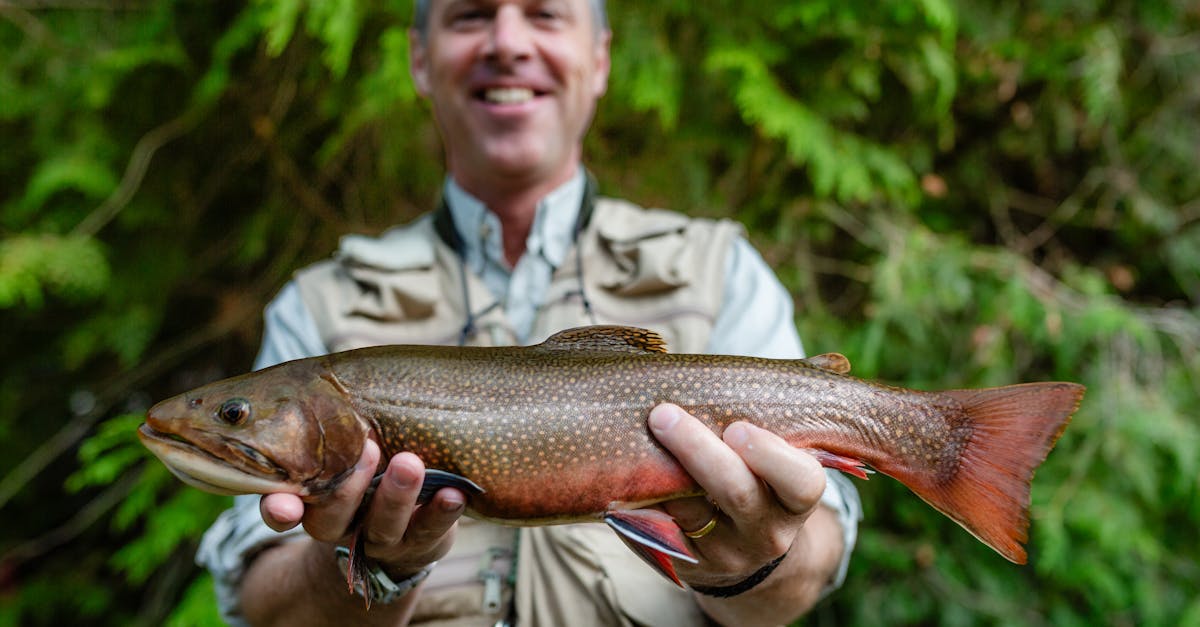
The brook trout is widely considered the most beautiful freshwater fish in North America, and catching one in a pristine Montana mountain stream is an experience that captures the essence of backcountry fly fishing. Despite their common name, brook trout are not true trout at all; they are a species of char (genus Salvelinus), more closely related to lake trout and Arctic char than to rainbows or browns. Native to eastern North America from Georgia to Hudson Bay, brook trout were among the first salmonids introduced to Montana's waters in the late 1800s and have since established self-sustaining populations in cold, high-elevation streams and lakes throughout the state. In Montana, brook trout thrive best in small, cold headwater streams and high mountain lakes where competition from larger trout species is minimal. In these environments, they are often the dominant, or only, salmonid present. The trade-off is size: Montana stream-dwelling brook trout typically range from 6 to 10 inches, with fish over 12 inches considered noteworthy in most waters. What they lack in size, however, they more than make up for in beauty and willingness to eat a fly. Brookies are aggressive feeders that will strike attractor dry flies, nymphs, and small streamers with enthusiasm, making them an ideal species for beginning fly anglers and a delightful quarry for anyone who appreciates small-stream fishing. Brook trout do present a conservation paradox in Montana. While they are a beloved and beautiful gamefish, they are non-native and can negatively impact native species, particularly Yellowstone and westslope cutthroat trout. In headwater streams, brook trout often outcompete cutthroats for food and spawning habitat due to their higher reproductive rate and earlier maturation. As a result, Montana FWP has implemented brook trout removal projects on some streams to restore native cutthroat populations. In many waters, liberal harvest limits for brook trout are encouraged to reduce their numbers and benefit native fish. Anglers can enjoy excellent brook trout fishing while actively helping conservation by keeping a few for the pan.
Kokanee Salmon
The kokanee salmon is the landlocked, freshwater-resident form of the sockeye salmon (Oncorhynchus nerka), a fish that completes its entire life cycle in lakes and their tributaries without ever migrating to the sea. Where sockeye salmon spend their adult lives in the Pacific Ocean before returning to spawn, kokanee remain permanently in freshwater, using large, cold, nutrient-rich lakes as their marine substitute. Though they are the same species, kokanee mature at a much smaller size than sea-run sockeye, typically maturing at 10 to 16 inches, and they have become one of the most important coldwater gamefish and forage species across the reservoirs and lakes of the western United States. Kokanee are prized both as a sport fish and as a table fish, with rich, orange-red flesh comparable to their ocean-going sockeye relatives. They travel in large, roving schools that suspend in the cold open water of lakes, feeding on plankton, and this schooling behavior makes them a favorite target of trollers who can locate a school and take fish after fish. In Montana, kokanee support popular fisheries in Georgetown Lake, the Rocky Mountain Front reservoirs, and historically in the Missouri River reservoirs such as Hauser Lake, where the state record fish was taken. The dramatic spawning runs, when the lake turns red with maturing fish, are a signature autumn spectacle in the northern Rockies. Kokanee also play a crucial ecological role as the primary forage for trophy trout in many western lakes. Large lake trout, bull trout, brown trout, and rainbow trout grow to enormous sizes in lakes where kokanee are abundant, and fisheries managers carefully balance kokanee populations against predator demand. This dual role, as both a beloved sport fish in their own right and the foundation of trophy trout fisheries, makes the kokanee one of the most managed and monitored fish in the West. For the fly angler, kokanee present a unique challenge, since their plankton-feeding habits make them far less inclined to chase a fly than most salmonids.
Westslope Cutthroat Trout
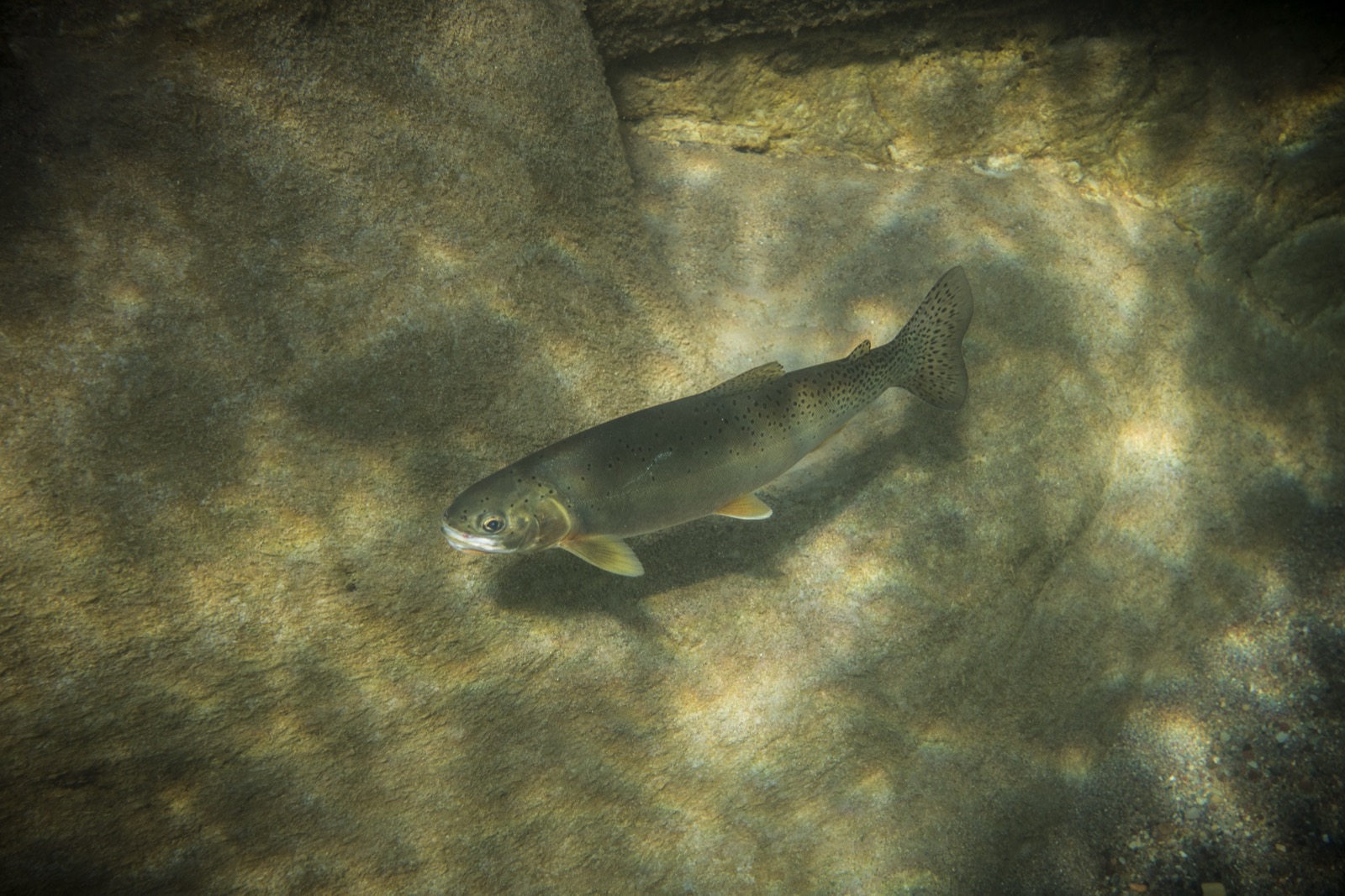
The westslope cutthroat trout is the most widely distributed native trout subspecies in the northern Rocky Mountains and holds the distinction of being Montana's official state fish. This interior subspecies of cutthroat trout evolved in the upper Columbia and Missouri River drainages west of the Continental Divide, inhabiting the cold, pristine mountain streams and alpine lakes of Idaho, western Montana, and pockets of eastern Washington and Oregon. Smaller and more delicately built than their Yellowstone cutthroat cousins, westslope cutthroats are a jewel of the backcountry, their buttery gold flanks peppered with fine black spots and accented by the hallmark crimson slashes beneath the jaw that define all cutthroat trout. Westslope cutthroats are the quintessential dry-fly trout of the northern Rockies. Found in headwater streams, cascading mountain creeks, and glacially carved alpine lakes from the Bitterroot Range to the Bob Marshall Wilderness, they inhabit some of the most breathtaking landscapes in the American West. On waters like the upper Blackfoot River, Rock Creek, the South Fork Flathead, and the St. Joe River in Idaho, westslope cutthroats rise eagerly to well-presented dry flies, often in settings so remote and wild that the fishing feels almost primeval. Their willingness to eat on the surface, combined with the spectacular scenery of their home waters, makes targeting westslope cutthroats one of the most rewarding experiences in western fly fishing. Despite their cultural and ecological importance, westslope cutthroat trout occupy only a fraction of their historic range. Hybridization with non-native rainbow trout and competition from introduced brook trout have eliminated genetically pure populations from many drainages. Today, the purest remaining westslope cutthroat populations persist in isolated headwater streams above natural or man-made barriers that prevent upstream migration of non-native species. Conservation efforts across Idaho, Montana, and Washington focus on protecting these stronghold populations, removing non-native competitors, and restoring connectivity where genetically pure fish still exist. Anglers who target westslope cutthroats become some of their strongest advocates, understanding firsthand the fragile beauty of the ecosystems these fish depend upon.
Food Sources & Hatches
| Insect | Suggested Fly | Jan | Feb | Mar | Apr | May | Jun | Jul | Aug | Sep | Oct | Nov | Dec |
|---|---|---|---|---|---|---|---|---|---|---|---|---|---|
Chironomids (midges) Morning through afternoon; emergences intensify on overcast days | Chironomid (Bomber) | ||||||||||||
Callibaetis mayfly Late morning on calm days; spinner activity early morning | Parachute Adams | ||||||||||||
Damselfly nymph migration Mid-morning through afternoon | Damselfly Nymph | ||||||||||||
Dragonfly nymphs All day, best in low light | Dragonfly Nymph | ||||||||||||
Scuds All day | Ray Charles | ||||||||||||
Leeches All day, best in wind and low light | Woolly Bugger | ||||||||||||
Midge clusters (adults) Calm evenings and early mornings | Griffith's Gnat |
Chironomids (midges): The backbone of Georgetown's stillwater fishing. Pupae emerge from the weed flats from ice-out onward. Suspend a Chironomid Bomber or Zebra Midge under an indicator in eight to fifteen feet, one to two feet off bottom, and let wind chop supply the motion.
Callibaetis mayfly: The famous gulper hatch. Rainbows and cutthroat cruise the flats in pods, porpoising through duns and spinners. Sight-fish with a Parachute Adams or Sparkle Dun in 14-16 and lead cruising fish rather than casting to the last rise.
Damselfly nymph migration: Early-summer migration of nymphs toward shoreline vegetation and emergent stems. Fish an olive damsel nymph on a floating or clear intermediate line close to weeds with short, twitchy strips. One of the most reliable big-fish windows of the year.
Dragonfly nymphs: Large nymphs live throughout Georgetown's weedbeds and are available year-round. Crawl or strip a heavy dragon nymph along weed edges and channels between beds; effective when nothing is showing on top.
Scuds: Dense scud populations in the submerged vegetation drive Georgetown's fast growth rates. A scud pattern fished slowly over and through the weeds produces in every season, including under the ice.
Leeches: The default searching food source when no hatch is happening. Strip black or olive leech and bugger patterns along weed edges and drop-offs on an intermediate line, especially on windy afternoons and through fall.
Midge clusters (adults): On flat evenings, adult midges gather on the surface and trout sip them alongside Callibaetis spinners. A Griffith's Gnat in 18-20 covers the situation when fish are rising but refusing mayfly imitations.
Recommended Flies
Chironomid (Bomber)
Top PickThe Chironomid Bomber is the highest-percentage fly on Georgetown from ice-out onward. Fish it under an indicator over the weed flats in eight to fifteen feet of water, suspended a foot or two off the bottom.
Best in Spring through fall
Damselfly Nymph
Top PickOlive damsel nymphs during the June migration are the season's best big-fish opportunity. Retrieve with short, quick strips near shoreline vegetation and emergent weeds.
Best in Early summer
Parachute Adams
Top PickParachute Adams in 14-16 covers the Callibaetis gulper fishing on calm mornings. Lead cruising pods by several feet and let the fly sit; a drag-free stillwater presentation is the whole game.
Best in Summer
Woolly Bugger
Top PickA Woolly Bugger stripped along weed edges and drop-offs on an intermediate line is the reliable fallback when wind flattens the dry-fly fishing. Olive and black in sizes 6-10.
Best in Spring through fall
Also Effective
Access Points & Boat Launches
Denton's Point
Boat LaunchEasyDeveloped access on the north side of the lake with a boat ramp, and one of the most-used launches on Georgetown. Convenient staging point for the weed flats and a natural launch when the wind is from the south.
Piney
Boat LaunchEasyForest Service site on the southern shore with a boat ramp and campground, popular with boaters and float-tubers working the southern flats. Good jumping-off point for shoreline weedbeds within easy kicking distance.
Comers
Boat LaunchEasyAccess site on the eastern side of the lake with ramp and parking, providing quick water access from Montana Highway 1. A practical launch for reaching the eastern shoals and adjacent weed flats.
Southern Cross
Boat LaunchEasyAccess on the western side of the lake near the old Southern Cross townsite, with a ramp and parking. Useful when easterly wind makes the far shore unfishable, and close to productive shoreline vegetation for float tubes.
Regulations
Regulations
Georgetown Lake falls under Montana's Western District standard trout regulations. Brook trout limits here have historically been liberalized to encourage harvest from the lake's dense, naturally reproducing population, and kokanee are subject to their own provisions. A Montana fishing license is required. Regulations, bag limits, and seasons change; verify current rules for Georgetown Lake at myfwp.mt.gov before you fish.
Always verify current regulations with Montana Fish, Wildlife & Parks before fishing.
Quick Facts
- Surface Area
- 2,818 acres
- Elevation
- 6,336 ft
- Lake Type
- Reservoir
- Region
- Southwest Montana / Anaconda-Pintler; Deer Lodge and Granite Counties
- Best Seasons
- spring, summer, fall, winter
- Species
- Rainbow Trout, Brook Trout, Kokanee Salmon, Westslope Cutthroat Trout
- Difficulty
- Beginner-Intermediate
- Depth Chart
- Download PDF
Nearby Lakes & Ponds
Hebgen Lake
Southwest Montana / Madison Valley; Gallatin County
Clark Canyon Reservoir
Southwest Montana / Beaverhead Valley; Beaverhead County
Browns Lake
Western Montana / Blackfoot Valley; Powell County
Dailey Lake
South-central Montana / Paradise Valley; Park County
Canyon Ferry Lake
West-central Montana / Missouri River; Broadwater and Lewis and Clark counties
Placid Lake
Western Montana / Clearwater Valley; Missoula County