Canyon Ferry Lake
Canyon Ferry Lake is a 33,534-acre Missouri River reservoir spread across the valley floor east of Helena, the largest and most heavily managed trout stillwater in west-central Montana. Fly anglers come for the shallow weedy flats on the north end and a renowned fall shoreline fishery for cruising rainbows.
Overview
Canyon Ferry Lake is the giant of west-central Montana stillwater. Impounded on the Missouri River between Townsend and Helena, it covers 33,534 acres and holds more than 1.5 million acre-feet of water, sprawling across the broad valley floor at an elevation of 3,798 feet with a maximum depth of 166 feet near the dam. Straddling Broadwater and Lewis and Clark counties, the reservoir is a Bureau of Reclamation project ringed by dozens of FWP and BOR recreation sites, and it is the most intensively documented lake fishery in the region: Montana's stocking database carries more than 2,200 individual plant records for this water alone.
The fishery is a classic put-grow-take rainbow operation running at scale. Fall plants of large rainbows, seven inches and better, arrive in lots of roughly fifteen to seventeen thousand fish, and those trout put on weight fast in a fertile reservoir loaded with invertebrates and forage. Brown trout share the water, kokanee provide a deepwater salmon component, and Yellowstone cutthroat are part of the stocking mix as well. The result is a lake where a fly angler can reasonably expect numbers of healthy rainbows rather than the one-fish-a-day hunt that defines Montana's deep coldwater lakes.
For fly rods, Canyon Ferry is not really a whole-lake proposition. The interest concentrates on the shallow, weedy flats at the north end of the reservoir, the water around the Silos, and the shorelines and bays where trout can be reached with a cast. These flats warm early, grow weed, and produce the insect life that matters: chironomids from ice-out onward, Callibaetis through the warm months, and damselfly migrations in early summer that pull rainbows into water skinny enough to sight-fish. In spring and early summer this is genuine flats fishing, with cruisers visible against pale weed and marl and a well-placed damsel nymph doing more work than any amount of blind casting.
The reservoir's signature is its fall shore fishery. As surface temperatures drop through September and October, rainbows move tight to the shoreline and cruise the edges within easy casting range, and anglers walking the banks with a stripped leech or bugger get shots at the best fish of the year without ever launching a boat. It is one of the few fly opportunities in Montana where a big reservoir becomes, for a few weeks, wading-and-walking water.
Scale is the main challenge. Thirty-three thousand acres is a lot of blank water, the valley wind blows hard and often, and a boat or float tube multiplies the amount of productive shoreline an angler can reach. Because the Missouri River runs through the system, Canyon Ferry also fits naturally into a trip built around the river itself: the reservoir sits upstream of Hauser and the famous Missouri tailwater reaches below, and a windy afternoon on the flats pairs well with a morning of moving water nearby.
Depth & Character
- Surface Area
- 33,534acres
- Max Depth
- 166ft
- Elevation
- 3,798ft
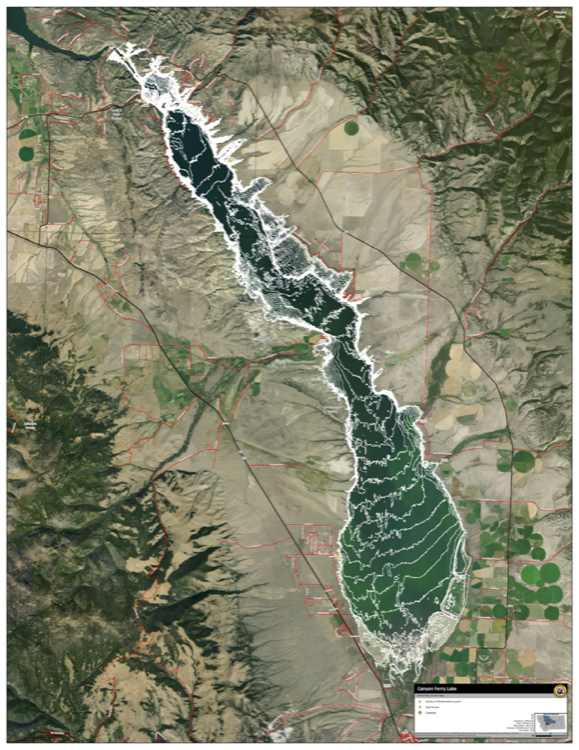
Bathymetric depth chart — click to open the full PDF. Source: Vermont DEC.
Source: Vermont DEC
Water Characteristics
Canyon Ferry is a large, relatively shallow-shouldered reservoir with a deep basin near the dam. Maximum depth reaches 166 feet, and the bathymetric chart shows contours tightening toward the dam end while the upper reservoir and the north-end shelves stay broad and gradual. That geometry is why fly fishing here is a shoreline and flats game: hundreds of surface acres sit in water shallow enough to grow weed and hold cruising trout, while the deep basin functions mostly as summer refuge and kokanee habitat.
Water clarity is typical of a productive valley reservoir rather than an alpine lake, and it varies with wind, runoff, and the season's drawdown. The shallow flats develop real weed growth through summer, and those beds are the engine of the fishery, holding chironomid larvae, Callibaetis nymphs, damsel and dragonfly nymphs, scuds, and leeches. A thermocline sets up through midsummer and pushes trout deeper during the heat of the day, but morning and evening still bring fish onto the shelves.
Water level matters more here than on a natural lake. Canyon Ferry is an irrigation and power storage project, and the reservoir draws down through the season, which shifts where the weed edges and productive shelves sit from spring to fall. Read the depth chart for the general shape of the flats and drop-offs, then read the current shoreline for where the weed line actually is on the day you fish.
Stocking
| Species | Size | Number | Program |
|---|---|---|---|
| Rainbow Trout | 7+ in | 15,000-17,000 per lot | MT FWP fall put-grow-take stocking (2025 plants) |
| Kokanee Salmon | Fingerling | Varies by year | MT FWP kokanee stocking program |
| Yellowstone Cutthroat Trout | Fingerling | Varies by year | MT FWP cutthroat stocking program |
Seasonal Fishing Guide
Spring
Ice-out through May is chironomid season. Anchor on the edge of the north-end flats and fish pupae under an indicator a foot or two off bottom, or hang them naked on a long leader in shallower water. As the flats warm, rainbows push shallow to feed, and a slowly retrieved leech or bugger along the developing weed line covers water efficiently. Wind is the main variable; fish the protected shorelines when the valley blows.
Summer
Early summer brings the damselfly migration, the best sight-fishing window of the year. Work a damsel nymph just over the weed tops on a floating or clear intermediate line and expect visible follows. Callibaetis carry through the warm months, with cruisers taking duns and cripples on calm mornings. By midday, heat and boat traffic push trout deeper; switch to dragonfly nymphs and leeches on an intermediate line along drop-offs, and fish dawn and dusk.
Fall
September and October are Canyon Ferry's signature weeks. Cooling water pulls rainbows tight to the shoreline where they cruise within easy casting range, and walk-and-cast shore fishing with leeches and Woolly Buggers rivals anything a boat can do. Strip parallel to the bank, cover ground rather than camping on one spot, and favor gray, breezy days. Kokanee move toward tributaries and shallower water as they mature.
Winter
The fly season is effectively over once the reservoir ices. Winter effort is a jigging fishery over deeper structure under the Missouri drainage regulations. Ice conditions on a large, drawn-down reservoir are variable and wind-scoured; check locally and verify current winter rules with Montana FWP.
Access & Boats
Access is exceptionally good for a lake this size. Dozens of FWP and Bureau of Reclamation recreation sites and boat ramps ring the reservoir, giving trailered boats, cartop craft, and float tubes multiple options regardless of wind direction. The shallow, weedy flats on the north end, including the water around the Silos, are the prime fly-fishing target and can be worked from shore, from a tube, or from a boat anchored on the edge of a weed bed.
Shore access is legitimate here rather than a consolation prize, especially in fall when rainbows cruise the banks. Wading is generally soft-bottomed and shallow along the flats, so felt-free boots and a stripping basket beat chest-deep ambitions. Float tubes and pontoons are ideal on calm mornings, but the valley wind can build fast on open water; keep a tube close to a shoreline you can retreat to.
Ice Fishing
Canyon Ferry usually ices over in winter, and the reservoir sees hard-water angling under Montana's Missouri drainage regulations, which include kokanee, perch, and walleye provisions alongside the standard trout rules. For a fly angler this is effectively the off-season: winter fishing here is a jigging game over deep structure rather than anything a fly line addresses. Ice conditions on a large, wind-exposed, actively managed reservoir vary considerably with drawdown and weather, so verify local conditions and current winter regulations with Montana FWP before venturing out.
Fishing Pressure & Local Tips
Canyon Ferry is a busy recreational lake within easy reach of Helena, and summer brings heavy boat, sail, and general recreation traffic, plus steady effort from gear anglers targeting trout, kokanee, perch, and walleye. Fly pressure, however, is modest and concentrated: the flats specialists show up for the damsel and Callibaetis weeks in early summer and again for the fall shoreline run, and outside those windows a fly angler can have a mile of weed edge to themselves. Weekday mornings before the wind and the boat traffic build are the best combination of solitude and conditions all season.
Local Knowledge
Fish the flats, not the middle. On a reservoir this large the temptation is to cover water, but the productive fly zone is a comparatively narrow band: the weedy north-end shelves and the shoreline edges. Anchor or stake out on a weed line rather than drifting aimlessly, and let the fish come to you. In spring and early summer, work a damselfly nymph with short, steady strips just over the top of the weed and watch for the wake of a following rainbow before you set.
Commit to the fall shore game. From September into October, rainbows patrol the banks in water you can reach on foot, and a black or olive leech pattern stripped parallel to shore is as effective as anything. Walk and cast rather than standing in one place; these are cruising fish, and covering shoreline until you intersect a travel lane beats waiting for one to find you. Overcast, breezy days are consistently better than bluebird calm.
Use the wind instead of fighting it. The valley blows nearly every afternoon, and the lee shorelines and wind-drift lanes concentrate drifting insects and disoriented forage. If the flat you planned to fish is a whitecapped mess, move to the protected side of a point or bay and fish the seam where the chop meets calm water. Plan mornings for sight fishing and afternoons for stripped leeches, buggers, and streamers on an intermediate line.
Species Present
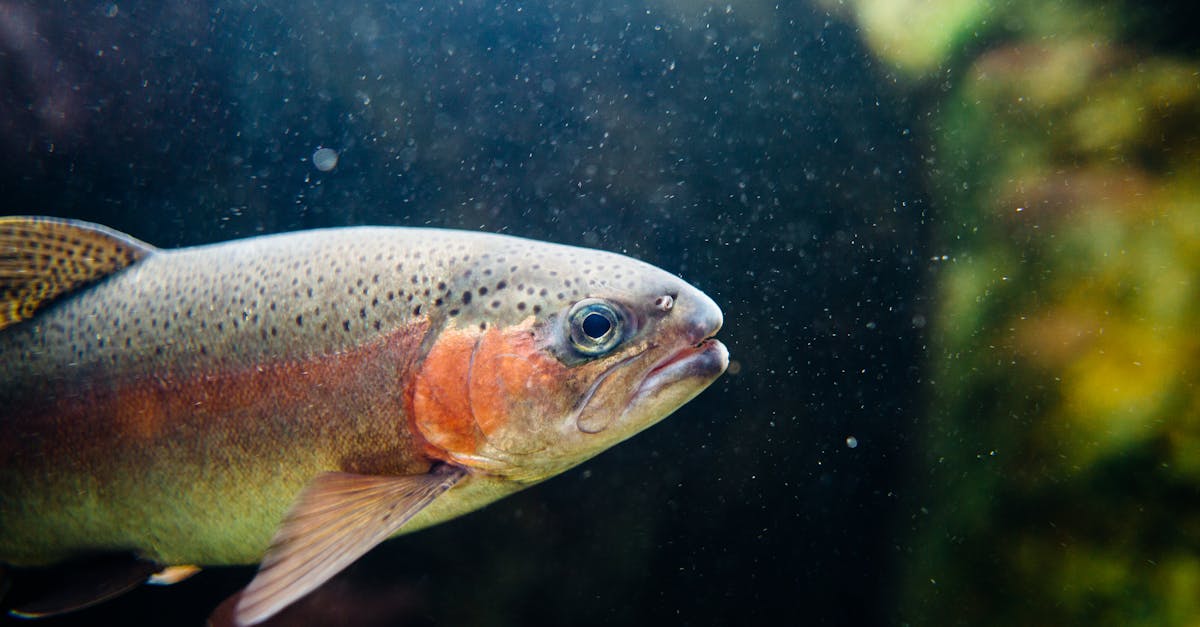
Rainbow Trout
The rainbow trout is Montana's most widespread and popular gamefish, celebrated for its explosive surface strikes, aerial acrobatics, and willingness to take a well-presented dry fly. Native to Pacific Coast drainages from Alaska to Mexico, rainbows were first introduced to Montana's waters in the late 1800s and have since established thriving populations in nearly every major river system in the state. On legendary waters like the Madison, Missouri, and Bighorn, wild rainbow trout grow fat on prolific insect hatches and provide some of the finest dry-fly fishing in North America. Rainbow trout in Montana display remarkable variation depending on their home water. Fish in nutrient-rich tailwaters like the Missouri River below Holter Dam can exceed 20 inches with regularity, their deep bodies and broad tails reflecting the abundant food supply. Freestone river rainbows, such as those in the upper Madison and Gallatin, tend to be leaner and more athletic, shaped by faster currents and colder water temperatures. In many Montana rivers, rainbows spawn in the spring from March through June, and anglers should be mindful of spawning redds during this period to protect future generations of fish. Rainbows are arguably the most versatile trout species for fly anglers. They respond well to dry flies during hatches, aggressively chase streamers, and feed heavily on nymphs subsurface throughout the year. Their fighting ability is legendary: a hooked rainbow will often launch itself completely out of the water multiple times during a battle. Montana's catch-and-release regulations on many blue-ribbon streams have produced exceptional rainbow trout fisheries with high densities of large, healthy fish that continue to draw anglers from around the world.
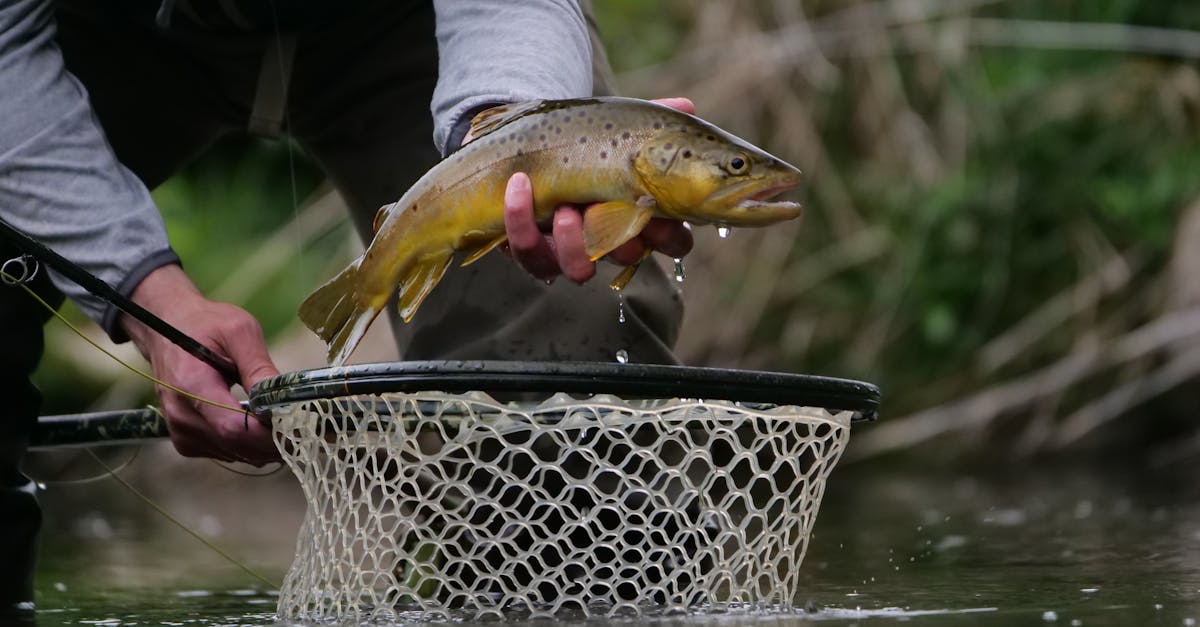
Brown Trout
The brown trout is the most cunning and elusive trout species swimming in Montana's rivers, and it rewards patient, skilled anglers with some of the state's most memorable catches. Originally native to Europe and western Asia, brown trout were first introduced to North American waters in 1883 and arrived in Montana shortly thereafter. They have since established robust, self-sustaining populations in virtually every major trout stream in the state, from the legendary spring creeks of the Paradise Valley to the sweeping runs of the lower Madison and the deep pools of the Bighorn. Brown trout grow larger than any other trout species in Montana, and fish exceeding 24 inches are caught with regularity on premium waters. The lower Madison River, the Missouri River below Holter Dam, and the Bighorn River are particularly renowned for producing trophy-class browns. Unlike rainbows, brown trout spawn in the fall (October through November), and their aggressive pre-spawn behavior creates an exciting window for streamer fishing as large males become territorial and attack anything that enters their domain. Browns are notably more nocturnal than other trout species, and many of the biggest fish are caught during low-light conditions. What sets brown trout apart from other species is their wariness and selectivity. Large browns are notoriously difficult to fool, often refusing flies that are even slightly off in size, color, or presentation. They tend to establish and defend prime feeding lies (undercut banks, logjams, deep pools, and boulder gardens), and an angler who learns to read water and identify these holding spots will consistently catch more and larger fish. This combination of difficulty, size potential, and intelligence makes the brown trout the most prized quarry for many serious Montana fly fishers.
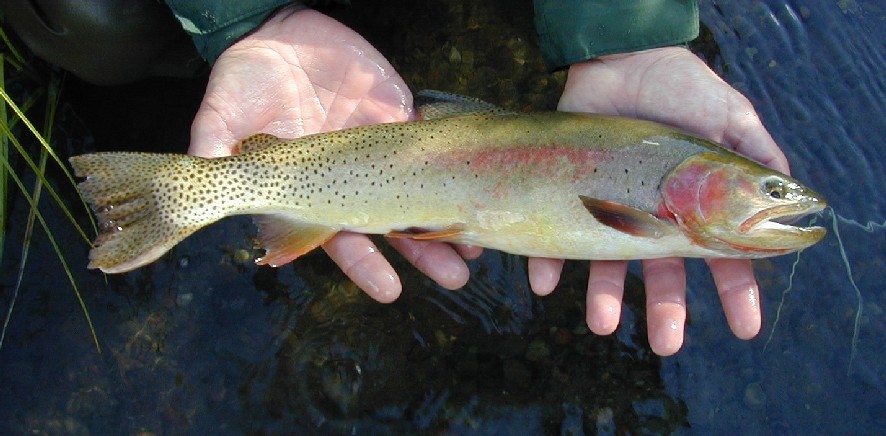
Yellowstone Cutthroat Trout
The Yellowstone cutthroat trout is Montana's most iconic native fish, a living symbol of the wild, untrammeled waters of the Greater Yellowstone Ecosystem. This subspecies of cutthroat trout evolved in the Yellowstone River drainage over thousands of years and is uniquely adapted to the cold, clear streams and rivers of south-central Montana. Named for the vivid red-orange slash marks beneath its lower jaw, the 'cut throat' that gives the entire cutthroat species complex its name, the Yellowstone cutthroat is one of the most beautiful and culturally significant fish in the American West. Yellowstone cutthroats are generally considered the most eager surface feeders among Montana's trout species, making them a favorite among dry-fly purists. They tend to be less wary than brown trout and more willing to eat a well-presented dry fly, even when no hatch is occurring. On their home waters (the Yellowstone River above Livingston, Slough Creek in Yellowstone National Park, the upper Lamar River, and numerous tributary streams throughout the Absaroka and Beartooth ranges), cutthroats will rise freely to attractor dry flies like Royal Wulffs, Stimulators, and Elk Hair Caddis, providing the kind of classic western dry-fly experience that anglers travel thousands of miles to enjoy. Despite their eagerness at the end of a fly line, Yellowstone cutthroat trout face significant conservation challenges. Habitat loss, hybridization with introduced rainbow trout, competition from non-native brook trout and lake trout, and the impacts of whirling disease have reduced their historic range by roughly 60 percent. Montana Fish, Wildlife & Parks, along with federal agencies and conservation groups, has invested heavily in cutthroat restoration projects, including barrier construction to prevent upstream migration of non-native species and targeted removal of lake trout from Yellowstone Lake. Anglers play an important role in cutthroat conservation by practicing careful catch-and-release techniques and supporting habitat protection efforts.
Kokanee Salmon
The kokanee salmon is the landlocked, freshwater-resident form of the sockeye salmon (Oncorhynchus nerka), a fish that completes its entire life cycle in lakes and their tributaries without ever migrating to the sea. Where sockeye salmon spend their adult lives in the Pacific Ocean before returning to spawn, kokanee remain permanently in freshwater, using large, cold, nutrient-rich lakes as their marine substitute. Though they are the same species, kokanee mature at a much smaller size than sea-run sockeye, typically maturing at 10 to 16 inches, and they have become one of the most important coldwater gamefish and forage species across the reservoirs and lakes of the western United States. Kokanee are prized both as a sport fish and as a table fish, with rich, orange-red flesh comparable to their ocean-going sockeye relatives. They travel in large, roving schools that suspend in the cold open water of lakes, feeding on plankton, and this schooling behavior makes them a favorite target of trollers who can locate a school and take fish after fish. In Montana, kokanee support popular fisheries in Georgetown Lake, the Rocky Mountain Front reservoirs, and historically in the Missouri River reservoirs such as Hauser Lake, where the state record fish was taken. The dramatic spawning runs, when the lake turns red with maturing fish, are a signature autumn spectacle in the northern Rockies. Kokanee also play a crucial ecological role as the primary forage for trophy trout in many western lakes. Large lake trout, bull trout, brown trout, and rainbow trout grow to enormous sizes in lakes where kokanee are abundant, and fisheries managers carefully balance kokanee populations against predator demand. This dual role, as both a beloved sport fish in their own right and the foundation of trophy trout fisheries, makes the kokanee one of the most managed and monitored fish in the West. For the fly angler, kokanee present a unique challenge, since their plankton-feeding habits make them far less inclined to chase a fly than most salmonids.
Food Sources & Hatches
| Insect | Suggested Fly | Jan | Feb | Mar | Apr | May | Jun | Jul | Aug | Sep | Oct | Nov | Dec |
|---|---|---|---|---|---|---|---|---|---|---|---|---|---|
Chironomid (Midge) Morning and evening, with emergences all day in spring | Chironomid (Bomber) | ||||||||||||
Chironomid pupa (small, deep) First light and last light | Zebra Midge | ||||||||||||
Callibaetis Mid-morning through early afternoon on calm days | Parachute Adams | ||||||||||||
Damselfly migration Late morning into afternoon as the water warms | Damselfly Nymph | ||||||||||||
Dragonfly nymph All day, best in low light | Dragonfly Nymph | ||||||||||||
Leeches Dawn, dusk, and overcast days | Woolly Bugger | ||||||||||||
Forage fish (perch fry and minnows) Early morning and evening | Muddler Minnow |
Chironomid (Midge): The foundation food source on the weedy flats. Fish pupae under an indicator a foot or two off bottom from ice-out through spring, and again in fall. Black, olive, and red bodies with silver ribbing cover most days.
Chironomid pupa (small, deep): When trout refuse the larger pupa, drop to a size 16-18 Zebra Midge on 4X-5X fluorocarbon. Deadly hung under a bigger chironomid as a dropper over 10-20 feet of water on the flat edges.
Callibaetis: The signature summer mayfly of Montana's weedy stillwaters. Cruising rainbows work the flats picking off duns and cripples; lead the fish and let the fly sit. Speckled-wing duns in sizes 14-16.
Damselfly migration: Early summer's best sight-fishing. Nymphs swim toward shore and emergent vegetation and trout intercept them in inches of water. Retrieve with short, steady strips just above the weed tops.
Dragonfly nymph: A big, year-round meal along the weed edges and drop-offs. Fish a heavy olive or brown nymph on an intermediate line with long, slow pulls followed by pauses; strikes usually come on the pause.
Leeches: The most reliable fly on the reservoir and the core of the fall shore fishery. Black, olive, and maroon in sizes 6-10, stripped parallel to the bank or along weed lines.
Forage fish (perch fry and minnows): Canyon Ferry supports warmwater species alongside its trout, and by late summer young-of-year forage fish stack along shoreline weed and rock. Muddlers and small baitfish patterns on an intermediate line pick up the larger browns and rainbows.
Recommended Flies
Chironomid (Bomber)
Top PickChironomid Bomber under an indicator on the north-end flats is the highest-percentage technique from ice-out through May and again in October. Set depth so the fly hangs just off the bottom.
Best in Spring through fall
Damselfly Nymph
Top PickThe June-July damsel migration turns Canyon Ferry into sight-fishing water. Strip a damsel nymph over the weed tops toward shore and expect visible follows before the take.
Best in Early summer
Woolly Bugger
Top PickThe workhorse. Olive and black Woolly Buggers stripped along weed lines and shorelines account for more Canyon Ferry rainbows than anything else, and they are the core of the fall shore fishery.
Best in Spring through fall
Parachute Adams
Top PickParachute Adams in 14-16 covers Callibaetis duns on calm mornings when rainbows cruise the flats. Lead the fish, then leave the fly still.
Best in Summer
Also Effective
Access Points & Boat Launches
Silos Recreation Area
Boat LaunchEasyDeveloped Bureau of Reclamation recreation site on the reservoir's west side, the traditional jumping-off point for the shallow, weedy flats that make up Canyon Ferry's best fly water. Boat ramp access plus long stretches of walkable shoreline; float tubes and pontoons launch easily here on calm mornings. Prime for damsel and Callibaetis fishing in early summer and for the fall shoreline rainbow run.
Canyon Ferry Dam Area Recreation Sites
Boat LaunchEasyCluster of FWP and Bureau of Reclamation recreation sites and boat ramps at the north end near the dam, where the reservoir reaches its maximum depth of 166 feet. The best launching point for boats working the deeper basin and the north-end shorelines, and a practical base when south winds make the upper reservoir unfishable.
Upper Reservoir Access near Townsend
Boat LaunchEasyRecreation sites and ramps at the south end of the reservoir where the Missouri River enters, closest to Townsend. The upper reservoir is shallower and river-influenced, with soft-bottom flats and bays that warm early in spring and hold cruising trout. Good tube and small-boat water, though drawdown can lengthen the walk to the water later in the season.
North-End Flats Shoreline Walk-In
Wade AccessEasy to ModerateWalk-in shoreline along the north-end flats reached from the perimeter recreation sites and pullouts. This is the fall shore fishery: rainbows cruise the bank within casting range from September into October, and anglers cover ground on foot stripping leeches and buggers parallel to shore. Bottom is soft and shallow, so wade sparingly and fish from the bank where possible.
Regulations
Regulations
Canyon Ferry falls under Montana's standard trout regulations for the Missouri drainage, with additional provisions covering kokanee, perch, and walleye. A Montana fishing license is required. Season dates, bag and length limits, and any lake-specific provisions change from year to year, so verify current regulations at myfwp.mt.gov before you fish.
Always verify current regulations with Montana Fish, Wildlife & Parks before fishing.
Quick Facts
- Surface Area
- 33,534 acres
- Max Depth
- 166 ft
- Elevation
- 3,798 ft
- Lake Type
- Reservoir
- Region
- West-central Montana / Missouri River; Broadwater and Lewis and Clark counties
- Best Seasons
- spring, summer, fall
- Species
- Rainbow Trout, Brown Trout, Yellowstone Cutthroat Trout, Kokanee Salmon
- Difficulty
- Beginner-Intermediate
- Record Fish
- Canyon Ferry is known for the condition of its rainbows rather than for record-book fish; stocked trout grow quickly on the reservoir's rich forage base, and the fall shoreline fishery produces the heaviest rainbows of the year.
- Depth Chart
- Download PDF
Nearby Lakes & Ponds
Georgetown Lake
Southwest Montana / Anaconda-Pintler; Deer Lodge and Granite Counties
Hebgen Lake
Southwest Montana / Madison Valley; Gallatin County
Clark Canyon Reservoir
Southwest Montana / Beaverhead Valley; Beaverhead County
Browns Lake
Western Montana / Blackfoot Valley; Powell County
Dailey Lake
South-central Montana / Paradise Valley; Park County
Placid Lake
Western Montana / Clearwater Valley; Missoula County