Hebgen Lake
Hebgen Lake is the 12,563-acre Madison River reservoir west of West Yellowstone, and the most famous "gulper" water in the American West. On calm summer mornings, pods of rainbows and browns cruise the Madison and Grayling Arms sipping Callibaetis and Trico spinners within casting range of a wading angler.
Overview
Hebgen Lake is the impoundment that turns the upper Madison River into a lake for fifteen miles before letting it go again. At 12,563 acres and 6,546 feet of elevation, it sprawls northwest from West Yellowstone along US-287 in a set of long, shallow arms — the Madison Arm, the Grayling Arm, and the wide main body running down to the dam. Water enters cold and rich out of the Madison drainage, spreads across acres of shallow shoal, and grows trout that behave less like reservoir fish than like the selective risers of a spring creek. Downstream the river re-forms and runs into Quake Lake and on through the Madison Valley, so a trip here pairs naturally with a few days on the Madison River itself.
What made Hebgen famous is the gulper fishery. On a windless July or August morning, the surface of the Madison and Grayling Arms goes to glass, Callibaetis duns and Trico spinners collect in the film, and rainbows and browns begin to cruise in slow, deliberate lines, taking bug after bug and pushing a visible wake. The fish are moving, not holding, so the game is not casting to a spot but reading a direction: watch a pod, guess the next rise, and put a small dry two feet in front of it. It is the closest thing in Montana stillwater fishing to sight-casting to bonefish, and anglers plan entire trips around a five-day stretch of calm weather in August.
The fishery is essentially wild. Rainbows and browns in Hebgen sustain themselves out of the Madison system; the hatchery rainbow plants of the Gerrard and Desmet strains ended in 2016, and what swims here now is the product of natural reproduction in the reservoir's tributaries. The one active stocking program is a conservation effort: Arctic grayling, a native Montana fish, have been reintroduced with large fry plants of the Rogers Lake strain, and the Grayling Arm carries the name for good reason. Westslope cutthroat also share the water, which gives Hebgen an unusually broad salmonid roster for a Montana reservoir.
The fly-fishing season opens with chironomids at ice-out, when trout work the shallow flats and inside edges before the lake warms. Damselfly migrations light up the weedy margins in early summer, the Callibaetis and Trico show carries July into September, and fall brings wind-drifted Baetis and hungry browns staging toward tributary mouths. Because so much of the lake is shallow, fish stay within reach of a floating or intermediate line for most of the year — an important difference from deep western reservoirs where summer trout drop out of fly range entirely.
Hebgen rewards patience and punishes wind. The same shallow arms that make the gulper fishing possible turn to whitecaps by mid-morning most days, which is why the serious crowd is on the water before sunrise and off it by ten. Fish it from a boat, a pram, or a float tube, or simply wade the long shallow shorelines of the arms; the lake is big, but the fishing happens in a narrow band of skinny water you can cover on foot.
Depth & Character
- Surface Area
- 12,563acres
- Max Depth
- 70ft
- Elevation
- 6,546ft
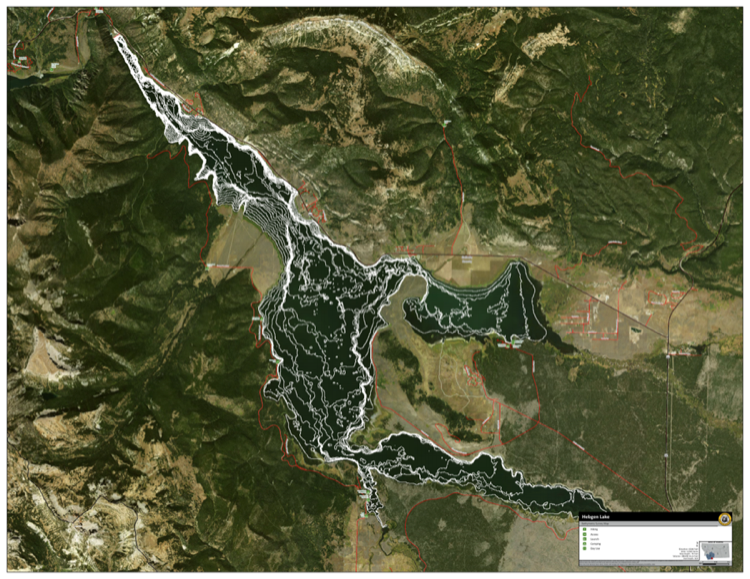
Bathymetric depth chart — click to open the full PDF. Source: Vermont DEC.
Source: Vermont DEC
Water Characteristics
Hebgen is a large, shallow, fertile reservoir: 12,563 surface acres holding roughly 386,200 acre-feet, with a maximum depth of about 70 feet concentrated near the dam. The FWP bathymetric chart shows the shape of the fishery clearly — the Madison and Grayling Arms are broad, gently sloping shelves, while the main body deepens gradually toward the dam end. Most of the lake is far shallower than its maximum depth suggests, and that is the whole reason the surface fishing works.
Those shallow arms are weedy and productive, growing the chironomid, Callibaetis, damselfly, and scud populations that feed the trout. Water clarity is generally good and the shallow flats warm through the summer, pushing fish to feed hard early and late in the day. Deep water near the dam gives trout a thermal refuge in a hot August, but even in midsummer, cruising fish come up onto the flats at first light.
The defining variable is wind. Hebgen sits in an open valley at 6,546 feet, and afternoon wind is close to a daily certainty. The lake is calm at dawn, rippled by mid-morning, and often unfishable by early afternoon; in fall, wind-driven waves concentrate drifting Baetis along lee shorelines and can actually improve the fishing for anglers who dress for it.
Stocking
| Species | Size | Number | Program |
|---|---|---|---|
| Arctic Grayling | Fry | 77,550 | Rogers Lake strain, Montana FWP grayling restoration (2022 plant) |
| Arctic Grayling | Fry | 4,534 | Rogers Lake strain, Montana FWP grayling restoration (2023 plant) |
| Rainbow Trout | Not specified | Discontinued | Historic Gerrard and Desmet strain plants ended in 2016; rainbows and browns are now mainly self-sustaining out of the Madison drainage |
Seasonal Fishing Guide
Spring
Ice-out is the chironomid show. Trout work the shallow flats and inside weed edges before the lake warms, and a Chironomid Bomber or Zebra Midge hung under an indicator over 6-15 feet of water is the most consistent presentation on the lake. Fish the Madison and Grayling Arms and the protected bays, and expect the best conditions on calm, overcast mornings. Strip leeches and Woolly Buggers on an intermediate line between emergences.
Summer
This is the gulper season. From July into September, calm mornings bring Callibaetis duns and Trico spinners to the surface and pods of rainbows and browns cruise the arms sipping them. Be on the water before sunrise with Callibaetis Sparkle Duns, cripples, and small parachutes, plus a Trico spinner for the earliest hour. Damselfly migrations in June and early July give a superb nymph option along the weed edges, and afternoons belong to the wind.
Fall
September brings cooling water, a second window of Callibaetis and midge activity, and wind-drifted Baetis on gray days. Browns become aggressive as they stage toward tributary mouths; streamers and leeches on intermediate and sink-tip lines fished along drop-offs and shoreline points produce the biggest fish of the year. Fall on Hebgen is cold and windy and often worth every minute of it.
Winter
The lake freezes at 6,546 feet and fly fishing effectively pauses until ice-out. Winter hard-water angling is a conventional-tackle affair here. Use the off-season to tie Callibaetis cripples and chironomid pupae, and watch spring ice-out reports out of West Yellowstone so you can hit the first chironomid window.
Access & Boats
Numerous USFS and FWP access sites and boat ramps ring the lake, most of them reached from US-287 west of West Yellowstone. Rainbow Point, Lonesomehurst, Spring Creek, and the Madison Arm are the principal developed accesses, with ramps and campgrounds spread between the Madison Arm at the West Yellowstone end and the north-shore sites along the highway. The huge shallow bays are ideal for boats, prams, and float tubes, and the shallow shorelines of both the Madison and Grayling Arms offer genuine wade fishing — you can walk out a long way over firm shoal and cover cruising fish without a boat. A boat or tube still helps enormously for following a moving pod of gulpers across open water.
Ice Fishing
Hebgen freezes hard at 6,546 feet and the fly-fishing calendar here effectively runs from ice-out to freeze-up; the earliest productive fly fishing is the chironomid window right after the ice leaves. Winter hard-water angling on the lake is a conventional-tackle pursuit rather than a fly-rod one. Confirm current winter season dates, access site conditions, and ice safety with Montana FWP and local sources before heading out.
Fishing Pressure & Local Tips
Hebgen is famous and West Yellowstone is a fly-fishing town, so the gulper season draws a knowledgeable crowd — expect company on the Madison and Grayling Arms during a calm August morning, along with recreational boat traffic later in the day. The pressure is concentrated in time rather than space, though: the lake is enormous, the fishable window is only a few hours long, and anglers who arrive before first light or fish the shoulder seasons in May and October frequently have long stretches of shoreline to themselves. Weekday mornings and the post-Labor Day weeks are the quietest productive periods.
Local Knowledge
Watch the weather more closely than the hatch chart. Gulper fishing requires flat water, and flat water on Hebgen means being on the lake before sunrise. Rig two rods the night before — one with a Callibaetis dun or cripple, one with a Trico spinner — so you are not fumbling with tippet while a pod works past you in the half light.
Cast ahead of the fish, not at the rise. A cruising Hebgen trout may be five feet past the ring by the time your fly lands, so track the direction of successive rises and lead the fish. Long leaders and fine tippet matter on glassy water; so does leaving the fly alone once it lands. Most refusals here come from drag and from lining fish, not from pattern choice.
Do not ignore the subsurface game. Chironomid pupae under an indicator over the shallow flats produce from ice-out through June and again in fall, damselfly nymphs swimming toward the weed edges are deadly in early summer, and a Woolly Bugger or leech stripped along a drop-off will find browns when nothing is showing on top. When the wind comes up and the gulpers quit, switch lines rather than going back to camp.
Species Present
Rainbow Trout
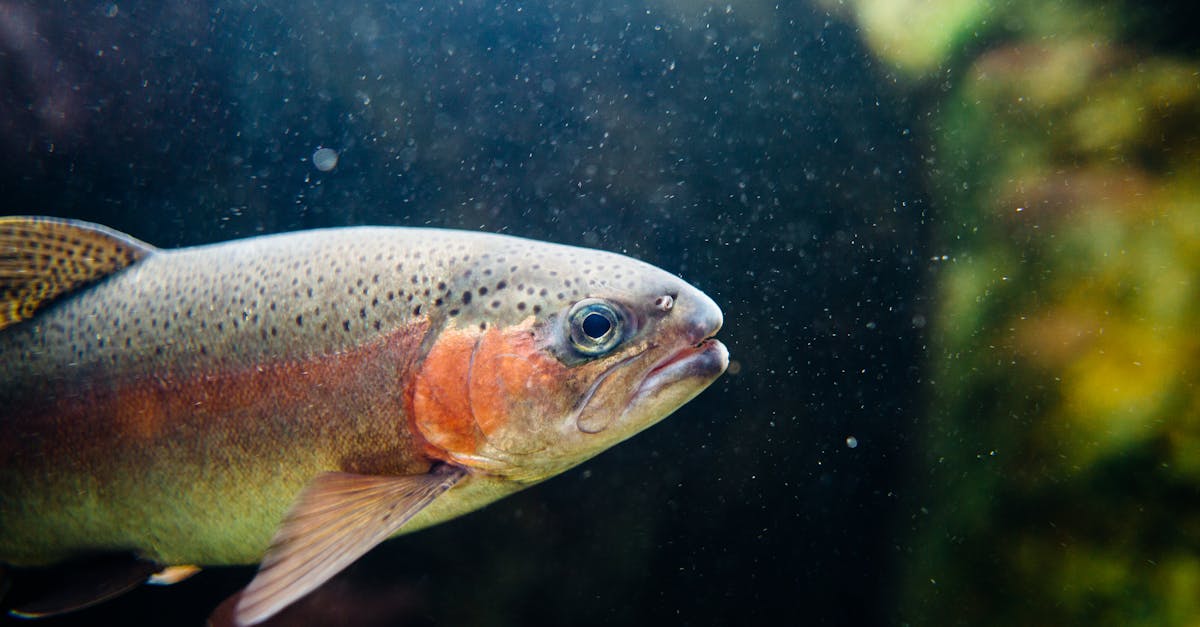
The rainbow trout is Montana's most widespread and popular gamefish, celebrated for its explosive surface strikes, aerial acrobatics, and willingness to take a well-presented dry fly. Native to Pacific Coast drainages from Alaska to Mexico, rainbows were first introduced to Montana's waters in the late 1800s and have since established thriving populations in nearly every major river system in the state. On legendary waters like the Madison, Missouri, and Bighorn, wild rainbow trout grow fat on prolific insect hatches and provide some of the finest dry-fly fishing in North America. Rainbow trout in Montana display remarkable variation depending on their home water. Fish in nutrient-rich tailwaters like the Missouri River below Holter Dam can exceed 20 inches with regularity, their deep bodies and broad tails reflecting the abundant food supply. Freestone river rainbows, such as those in the upper Madison and Gallatin, tend to be leaner and more athletic, shaped by faster currents and colder water temperatures. In many Montana rivers, rainbows spawn in the spring from March through June, and anglers should be mindful of spawning redds during this period to protect future generations of fish. Rainbows are arguably the most versatile trout species for fly anglers. They respond well to dry flies during hatches, aggressively chase streamers, and feed heavily on nymphs subsurface throughout the year. Their fighting ability is legendary: a hooked rainbow will often launch itself completely out of the water multiple times during a battle. Montana's catch-and-release regulations on many blue-ribbon streams have produced exceptional rainbow trout fisheries with high densities of large, healthy fish that continue to draw anglers from around the world.
Brown Trout
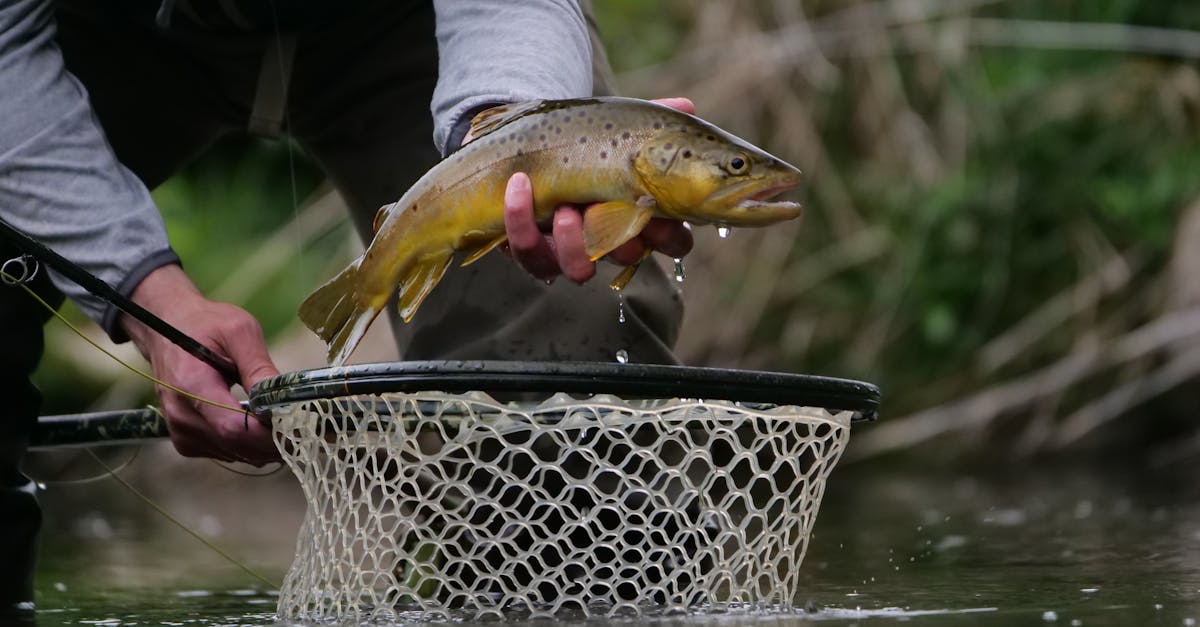
The brown trout is the most cunning and elusive trout species swimming in Montana's rivers, and it rewards patient, skilled anglers with some of the state's most memorable catches. Originally native to Europe and western Asia, brown trout were first introduced to North American waters in 1883 and arrived in Montana shortly thereafter. They have since established robust, self-sustaining populations in virtually every major trout stream in the state, from the legendary spring creeks of the Paradise Valley to the sweeping runs of the lower Madison and the deep pools of the Bighorn. Brown trout grow larger than any other trout species in Montana, and fish exceeding 24 inches are caught with regularity on premium waters. The lower Madison River, the Missouri River below Holter Dam, and the Bighorn River are particularly renowned for producing trophy-class browns. Unlike rainbows, brown trout spawn in the fall (October through November), and their aggressive pre-spawn behavior creates an exciting window for streamer fishing as large males become territorial and attack anything that enters their domain. Browns are notably more nocturnal than other trout species, and many of the biggest fish are caught during low-light conditions. What sets brown trout apart from other species is their wariness and selectivity. Large browns are notoriously difficult to fool, often refusing flies that are even slightly off in size, color, or presentation. They tend to establish and defend prime feeding lies (undercut banks, logjams, deep pools, and boulder gardens), and an angler who learns to read water and identify these holding spots will consistently catch more and larger fish. This combination of difficulty, size potential, and intelligence makes the brown trout the most prized quarry for many serious Montana fly fishers.
Westslope Cutthroat Trout
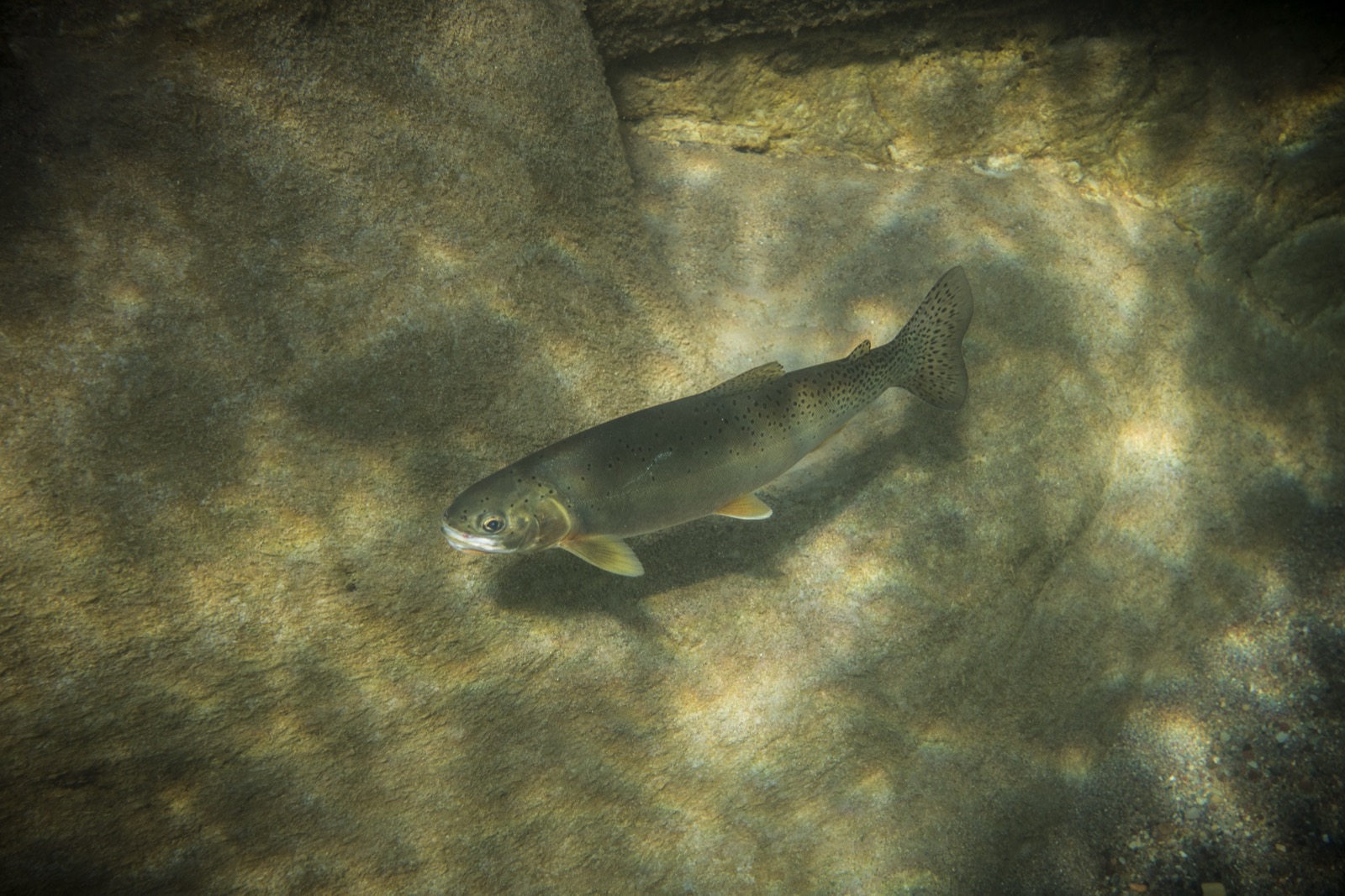
The westslope cutthroat trout is the most widely distributed native trout subspecies in the northern Rocky Mountains and holds the distinction of being Montana's official state fish. This interior subspecies of cutthroat trout evolved in the upper Columbia and Missouri River drainages west of the Continental Divide, inhabiting the cold, pristine mountain streams and alpine lakes of Idaho, western Montana, and pockets of eastern Washington and Oregon. Smaller and more delicately built than their Yellowstone cutthroat cousins, westslope cutthroats are a jewel of the backcountry, their buttery gold flanks peppered with fine black spots and accented by the hallmark crimson slashes beneath the jaw that define all cutthroat trout. Westslope cutthroats are the quintessential dry-fly trout of the northern Rockies. Found in headwater streams, cascading mountain creeks, and glacially carved alpine lakes from the Bitterroot Range to the Bob Marshall Wilderness, they inhabit some of the most breathtaking landscapes in the American West. On waters like the upper Blackfoot River, Rock Creek, the South Fork Flathead, and the St. Joe River in Idaho, westslope cutthroats rise eagerly to well-presented dry flies, often in settings so remote and wild that the fishing feels almost primeval. Their willingness to eat on the surface, combined with the spectacular scenery of their home waters, makes targeting westslope cutthroats one of the most rewarding experiences in western fly fishing. Despite their cultural and ecological importance, westslope cutthroat trout occupy only a fraction of their historic range. Hybridization with non-native rainbow trout and competition from introduced brook trout have eliminated genetically pure populations from many drainages. Today, the purest remaining westslope cutthroat populations persist in isolated headwater streams above natural or man-made barriers that prevent upstream migration of non-native species. Conservation efforts across Idaho, Montana, and Washington focus on protecting these stronghold populations, removing non-native competitors, and restoring connectivity where genetically pure fish still exist. Anglers who target westslope cutthroats become some of their strongest advocates, understanding firsthand the fragile beauty of the ecosystems these fish depend upon.
Arctic Grayling
The Arctic grayling is one of North America's most beautiful and distinctive freshwater fish, instantly recognized by its enormous, sail-like dorsal fin adorned with rows of iridescent spots that shimmer in shades of blue, purple, and rose. A member of the salmon family but placed in its own genus, Thymallus, the grayling is a fish of cold, clear northern waters, with a natural range that once stretched across Arctic and subarctic drainages of Alaska, Canada, and the northern Rockies. In the contiguous United States, the Arctic grayling holds special significance as a relict of the last ice age, its populations isolated in Montana as the glaciers retreated thousands of years ago. Montana occupies a unique place in the grayling's story as home to the last native, river-dwelling populations of Arctic grayling in the lower 48 states. The Big Hole River in southwestern Montana holds the final self-sustaining population of fluvial (river-dwelling) Arctic grayling south of Canada, a genetically distinct fish that has become a flagship for native fish conservation in the northern Rockies. Beyond this remnant river population, grayling persist in numerous Montana lakes both native and stocked, and restoration efforts have worked to expand the fish back into portions of its historic range using carefully managed hatchery strains. For fly anglers, the Arctic grayling is a pure delight: an eager, almost naive surface feeder that rises freely to dry flies and fights with a spirited, if not powerful, energy. The sight of that spectacular dorsal fin breaking the surface as a grayling takes a fly is one of the great experiences in northern fly fishing. Montana grayling are targeted in high mountain lakes such as those stocked with the Rogers Lake strain, in restoration waters including Hebgen Lake, and in the remote reaches of the Centennial Valley, where the fish connects anglers to a living remnant of the ice age and to one of the West's most important native fish conservation efforts.
Food Sources & Hatches
| Insect | Suggested Fly | Jan | Feb | Mar | Apr | May | Jun | Jul | Aug | Sep | Oct | Nov | Dec |
|---|---|---|---|---|---|---|---|---|---|---|---|---|---|
Chironomid (midge) Morning, with a second window in the evening | Chironomid (Bomber) | ||||||||||||
Chironomid pupa (small, deep) All day on overcast water | Zebra Midge | ||||||||||||
Callibaetis Late morning on calm water | Sparkle Dun | ||||||||||||
Trico spinner fall First light through mid-morning | Trico Spinner | ||||||||||||
Damselfly nymph migration Mid-morning to midday | Damselfly Nymph | ||||||||||||
Dragonfly nymph All day | Dragonfly Nymph | ||||||||||||
Baetis (Blue-Winged Olive) Afternoon on gray, breezy days | BWO Emerger |
Chironomid (midge): The backbone of the subsurface fishery. Heaviest from ice-out through June over the shallow flats of the Madison and Grayling Arms; fish pupae under an indicator 1-2 feet off the bottom in 6-15 feet of water.
Chironomid pupa (small, deep): Small dark pupae in sizes 16-20 cover the days when the trout ignore larger chironomid patterns. A reliable dropper below an indicator or below a larger bomber.
Callibaetis: The signature Hebgen hatch and the reason for the gulper reputation. Duns and cripples in the film draw cruising rainbows and browns into visible feeding lanes; Sparkle Duns and small parachutes fished on long leaders are the standard answer.
Trico spinner fall: Spinners collect on glassy summer mornings and pods of fish work them in slow, steady lines. Sizes 18-20 on 6X; be on the water before sunrise because the wind ends it.
Damselfly nymph migration: Nymphs swim toward shoreline weeds and emergent structure in early summer. Retrieve with short, steady strips parallel to the weed edge in the shallow arms.
Dragonfly nymph: Year-round resident forage in the weedy shoals. Crawl or strip a big nymph along the bottom of the flats when nothing is showing on the surface.
Baetis (Blue-Winged Olive): Fall Baetis drift on the wind and pile along lee shorelines. Emergers fished in the film in the wind lanes take trout when the water is too rough for classic gulper fishing.
Recommended Flies
Sparkle Dun
Top PickThe gulper fly. A Callibaetis Sparkle Dun sits in the film where cruising rainbows and browns want it; sizes 14-16 on 5X-6X, cast ahead of a moving fish.
Best in Summer
Trico Spinner
Top PickTrico spinners fall on calm July-September mornings and Hebgen trout key on them hard. Sizes 18-20; the first two hours of light are the whole show.
Best in Summer
Chironomid (Bomber)
Top PickChironomid Bomber under an indicator over the shallow flats is the most productive subsurface method on the lake from ice-out through June and again in September.
Best in Spring, Fall
Damselfly Nymph
Top PickDamselfly Nymph swum toward the weed edges during the June and early July migration; short steady strips, intermediate or floating line.
Best in Summer
Also Effective
Access Points & Boat Launches
Madison Arm
Boat LaunchEasyAccess and ramp on the Madison Arm at the West Yellowstone end of the lake, the closest launch to town and the heart of the summer gulper fishery. Broad shallow shelves off the ramp make this a prime spot to launch a pram or float tube before sunrise.
Rainbow Point
Boat LaunchEasyUSFS access site and boat ramp with an adjacent campground on the north side of the Madison Arm. A popular staging point for boat anglers working the arm's shallow bays, with wadeable shoreline nearby.
Lonesomehurst
Boat LaunchEasyUSFS ramp and campground on the south side of the lake, reached from the west side of the Madison Arm. Shallow, weedy water off the point and long walkable shorelines make it a good option for float tubes and wading anglers.
Spring Creek
Boat LaunchEasyAccess site and ramp along US-287 on the north side of the lake toward the dam end, convenient to the deeper main body and to the Grayling Arm. Good jumping-off point for fall streamer work along the drop-offs.
Regulations
Regulations
Hebgen falls under Montana's Madison River drainage regulations, which carry drainage-specific provisions rather than a simple statewide standard. A Montana fishing license is required. Season dates, bag and slot limits, and any special provisions covering Arctic grayling and westslope cutthroat can change year to year — check the current Montana FWP regulations at myfwp.mt.gov before you fish, and handle grayling and cutthroat carefully given their conservation status.
Always verify current regulations with Montana Fish, Wildlife & Parks before fishing.
Quick Facts
- Surface Area
- 12,563 acres
- Max Depth
- 70 ft
- Elevation
- 6,546 ft
- Lake Type
- Reservoir
- Region
- Southwest Montana / Madison Valley; Gallatin County
- Best Seasons
- spring, summer, fall
- Species
- Rainbow Trout, Brown Trout, Westslope Cutthroat Trout, Arctic Grayling
- Difficulty
- Intermediate-Advanced
- Depth Chart
- Download PDF
Nearby Lakes & Ponds
Georgetown Lake
Southwest Montana / Anaconda-Pintler; Deer Lodge and Granite Counties
Clark Canyon Reservoir
Southwest Montana / Beaverhead Valley; Beaverhead County
Browns Lake
Western Montana / Blackfoot Valley; Powell County
Dailey Lake
South-central Montana / Paradise Valley; Park County
Canyon Ferry Lake
West-central Montana / Missouri River; Broadwater and Lewis and Clark counties
Placid Lake
Western Montana / Clearwater Valley; Missoula County