Hauser Reservoir
Hauser Reservoir is the middle impoundment of the Missouri River chain below Helena, 3,200 acres of canyon stillwater squeezed between Canyon Ferry and Holter. Rainbows, wild browns and a strong kokanee population share water that fishes like a lake in its bays and like a river at its upper end.
Overview
Hauser Reservoir is the middle link in the chain of Missouri River impoundments that steps down from the Big Belt Mountains toward Helena. Canyon Ferry sits above it and Holter below, and Hauser occupies the tightest, most scenic stretch of that sequence: 3,200 acres of water pushed into a rock-walled canyon at 3,647 feet of elevation. It is a small reservoir by Montana standards and a modest one next to Canyon Ferry's sprawl, but the confinement is exactly what makes it interesting. Cliffs, shelves, and sudden drop-offs are never far from the boat, and the Missouri River's flow keeps the whole system moving rather than stagnant.
The fishery is built on three species. Rainbow trout carry the bulk of the angling effort and are supported by Montana FWP catchable plants each fall, which put fish of roughly nine inches into the reservoir to grow on the reservoir's forage. Brown trout are largely a wild component, recruited out of the Missouri River system itself and running to good size in a reservoir that holds plenty of baitfish. Kokanee salmon are the third leg, sustained by large fingerling plants, and they give Hauser a summer and fall dimension that most Montana trout stillwaters lack.
For a fly angler, Hauser splits neatly into two kinds of water. The upper, river-influenced end near the Missouri inflow behaves like a big slow river: current seams, cooler water, and wadeable margins where a trout will eat a nymph or a swung soft hackle in the same way it would on the tailwater downstream. The lower canyon is true stillwater, with shelves and cliff faces that drop off fast and want a sinking line, a leech, and patience. Between them are the shallow bays and weedy flats that hold the reservoir's insect life.
Those flats are where the classic Montana stillwater game plays out. Chironomids come off from early spring, Callibaetis fill in through the warm months, and damselfly nymphs migrate toward shore in early summer. Cruising trout work the edges of the weed early and late, and there is real sight fishing to be had on a calm morning before the canyon wind sets up. When the surface goes flat and nothing shows, the answer is almost always to go down: a black leech or Woolly Bugger on an intermediate or type-3 line along a drop-off will find fish that never came up.
Spring and fall are the prime seasons. Hauser warms and gets busy in July and August, and the fishing tends to move to first light and last light or to deeper structure. September and October bring cooling water, aggressive browns, and far fewer recreational boats. Because it sits within a short drive of Helena and a stone's throw from the Missouri River proper, Hauser makes an easy companion to a river trip: fish the Missouri when the flows and hatches line up, and cross over to the reservoir when the wind, the crowds, or a taste for stillwater says otherwise.
Depth & Character
- Surface Area
- 3,200acres
- Max Depth
- 70ft
- Mean Depth
- 26ft
- Elevation
- 3,647ft
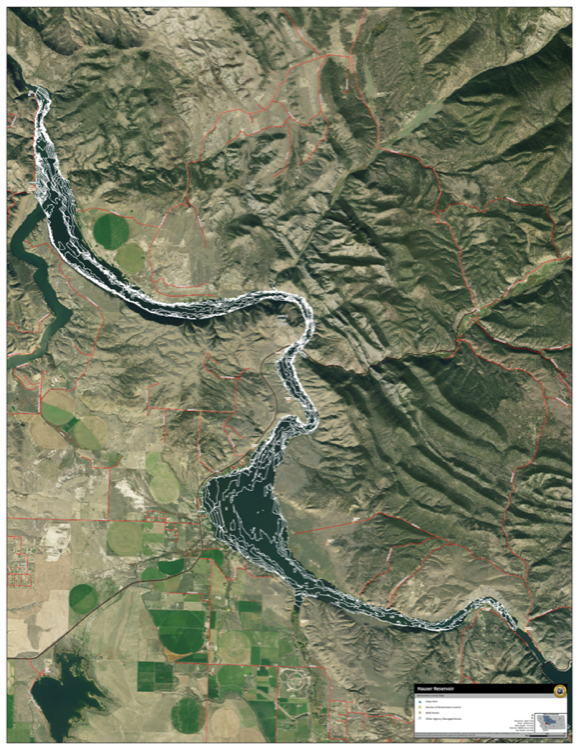
Bathymetric depth chart — click to open the full PDF. Source: Vermont DEC.
Source: Vermont DEC
Water Characteristics
Hauser is a canyon reservoir with a maximum depth of about 70 feet and a mean depth near 26 feet, meaning a large share of its 3,200 acres sits in water shallow enough to grow weed and produce insects. The bathymetry reflects the drowned river channel: a deeper thread running the length of the reservoir with steep rock shelves on either side, and shallower shoals and bays where side drainages and flats widen the basin. The depth chart shows how quickly the contours stack up against the canyon walls in the lower half, and how much gentler the gradient is toward the upper, river-influenced end.
Because the Missouri flows through it, Hauser never behaves like a closed basin. Water exchanges continuously, which moderates stratification compared with a deeper, quieter lake and keeps the upper end cooler and more river-like through summer. Clarity varies with inflow: spring runoff and heavy wind can push color into the water, while late summer and fall typically run clearer. Weed growth concentrates in the shallow bays and along the shoal margins, and those weedbeds are the engine of the chironomid, Callibaetis, and damselfly production that the trout key on.
The usable fly water, then, is a set of edges — the weedline where a flat drops into the channel, the seam where inflow current meets slack water, and the shelf at the base of a cliff. Those transitions concentrate both forage and fish and are worth far more attention than open mid-reservoir water.
Stocking
| Species | Size | Number | Program |
|---|---|---|---|
| Kokanee Salmon | 3.4 in fingerling | 20,000 | Montana FWP 2026 plant (FishMT stocking records) |
| Rainbow Trout | 8.9 in catchable | 6,656 | Montana FWP 2025 fall plant, per lot (FishMT stocking records) |
| Brown Trout | Wild | Not stocked | Wild recruitment from the Missouri River system |
Seasonal Fishing Guide
Spring
The best window of the year. Chironomids emerge from the shallow bays as soon as the water opens up, and trout push onto the flats to feed. Fish pupae under an indicator over 8 to 18 feet along weed edges, and cover the shelves with black leeches and Woolly Buggers on an intermediate line. The upper river-influenced end near the Missouri inflow fishes well early, when cooler inflow concentrates fish along the seams.
Summer
Callibaetis take over on the flats through the warm months, with the best surface activity on calm mornings before the canyon wind builds. Damselfly nymphs migrate toward shore in early summer — swim a Damselfly Nymph just under the surface toward the weedbeds. As the reservoir warms and boat traffic picks up, shift to first and last light or drop leeches and dragonfly nymphs down the canyon shelves. Kokanee provide a summer bonus, though they hold deeper than most fly presentations reach.
Fall
Cooling water pulls trout back shallow and turns the browns aggressive. September and October are prime for streamers and leeches worked along drop-offs and cliff bases, and cruising rainbows return to the shoal edges. Recreational traffic falls off sharply after Labor Day, leaving the reservoir to anglers.
Winter
Flow through the reservoir makes ice unreliable, and Hauser is not a dependable hard-water destination. Open-water access is possible in mild stretches, but most anglers in the Helena area fish the Missouri River tailwater instead through the cold months. Verify current season rules and any ice conditions locally.
Access & Boats
Hauser is ringed by Montana FWP and Bureau of Reclamation recreation sites with boat ramps. Black Sandy State Park on the west shore is the best-developed access, with a boat ramp, camping, and day-use facilities, and it is the usual launch for anglers working the canyon. White Sandy Recreation Area sits nearby on the same shore and offers a second ramp and shoreline access, while the Riverside site serves the upper end of the reservoir toward Canyon Ferry Dam.
A boat or float tube is a real advantage on this canyon water: much of the shoreline is steep, and the productive shelves and drop-offs sit just off the rock. The exception is the upper, river-influenced end near the Missouri inflow, where wading is practical along gravel and the fishing feels more like a river. Float tubes and pontoons work well in the sheltered bays; the canyon reaches funnel wind and can build a serious chop quickly, so small craft should plan around the forecast and stay within reach of a landing.
Ice Fishing
Hauser is not a marquee Montana ice destination. Because the Missouri River flows through the reservoir, ice formation is inconsistent and often unreliable, particularly near the dam, at the inflow, and anywhere current runs under the surface. Some winters produce fishable ice in the sheltered bays, but conditions vary year to year and should be verified locally before anyone walks out. Fly anglers are usually better served by the open-water shoulder seasons or by the nearby Missouri River tailwater in mid-winter.
Fishing Pressure & Local Tips
Moderate, and heavily seasonal. Hauser's proximity to Helena means the boat ramps stay busy on summer weekends, and the reservoir draws a substantial kokanee and general trout crowd through the warm months. Fly-specific pressure is light: most effort here is trolling and bait fishing, and the shallow bays and weed flats that matter most to a fly angler are often left alone. Weekday mornings in spring and almost any day in October offer quiet water, and the upper river-influenced end sees far less traffic than the developed access sites in the canyon.
Local Knowledge
Fish the transitions rather than the middle. Hauser's best fly water is the weedline where a shallow bay drops into deeper water and the seam where the Missouri's inflow slides into slack reservoir. Anchor or hold just off those edges and work parallel to them; casting straight out into open water wastes most of the retrieve.
Carry two lines and be ruthless about switching. A floating line with a long leader covers the chironomid and Callibaetis game on the flats, and an intermediate or type-3 sinking line handles the shelf and cliff-base water where leeches and buggers earn their keep. If a flat goes quiet by mid-morning, that is the signal to move deep rather than to keep flogging the shallows.
Plan around the wind and around the calendar. The canyon accelerates any breeze, so take the flat-water sight fishing early and save the wind-blown shorelines and drop-off work for the afternoon — a chop on the shoal often turns cruising rainbows on rather than off. Spring and fall are the prime windows; if you are in the area during the summer lull, pair a dawn session on the reservoir with a trip to the Missouri River itself, which runs cold and productive just below the chain of dams.
Species Present
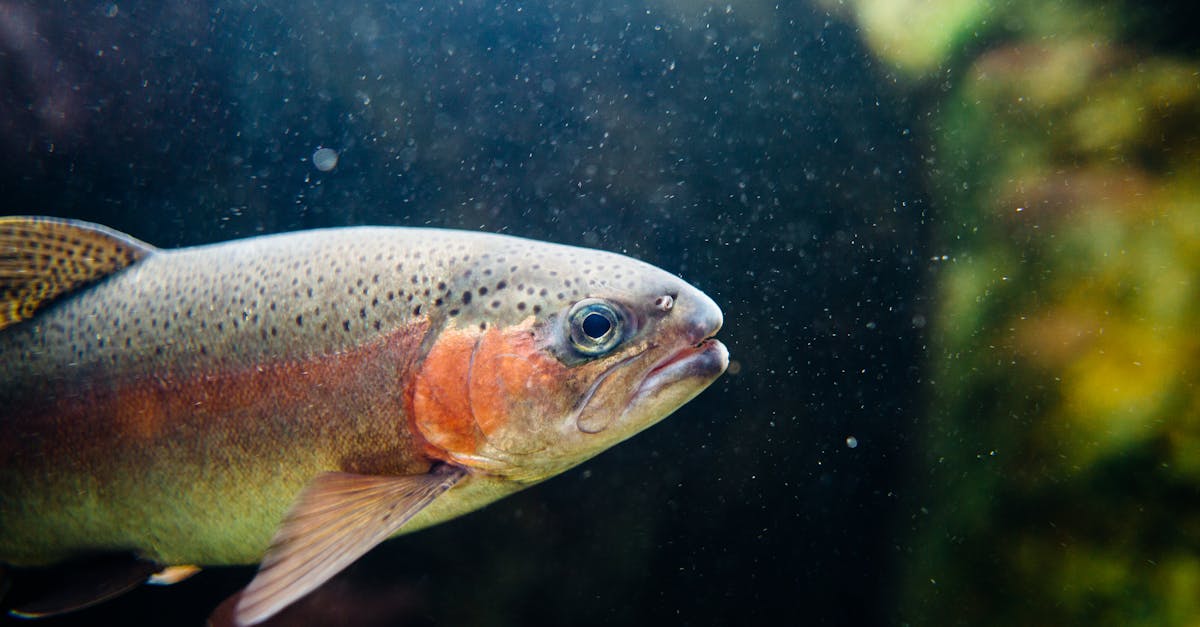
Rainbow Trout
The rainbow trout is Montana's most widespread and popular gamefish, celebrated for its explosive surface strikes, aerial acrobatics, and willingness to take a well-presented dry fly. Native to Pacific Coast drainages from Alaska to Mexico, rainbows were first introduced to Montana's waters in the late 1800s and have since established thriving populations in nearly every major river system in the state. On legendary waters like the Madison, Missouri, and Bighorn, wild rainbow trout grow fat on prolific insect hatches and provide some of the finest dry-fly fishing in North America. Rainbow trout in Montana display remarkable variation depending on their home water. Fish in nutrient-rich tailwaters like the Missouri River below Holter Dam can exceed 20 inches with regularity, their deep bodies and broad tails reflecting the abundant food supply. Freestone river rainbows, such as those in the upper Madison and Gallatin, tend to be leaner and more athletic, shaped by faster currents and colder water temperatures. In many Montana rivers, rainbows spawn in the spring from March through June, and anglers should be mindful of spawning redds during this period to protect future generations of fish. Rainbows are arguably the most versatile trout species for fly anglers. They respond well to dry flies during hatches, aggressively chase streamers, and feed heavily on nymphs subsurface throughout the year. Their fighting ability is legendary: a hooked rainbow will often launch itself completely out of the water multiple times during a battle. Montana's catch-and-release regulations on many blue-ribbon streams have produced exceptional rainbow trout fisheries with high densities of large, healthy fish that continue to draw anglers from around the world.
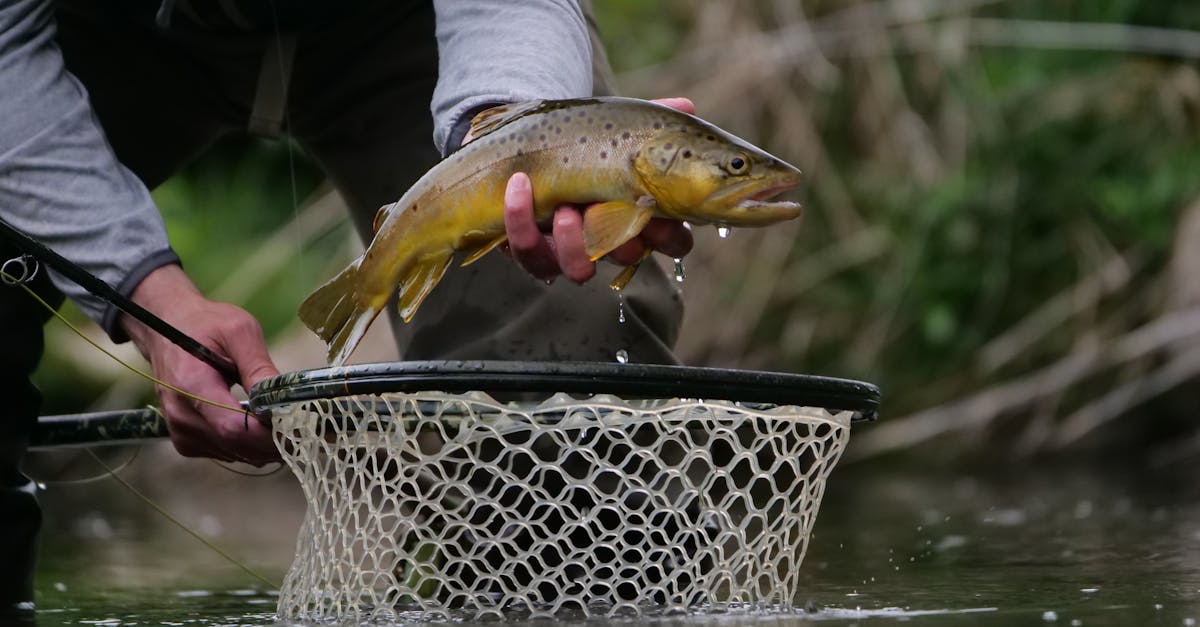
Brown Trout
The brown trout is the most cunning and elusive trout species swimming in Montana's rivers, and it rewards patient, skilled anglers with some of the state's most memorable catches. Originally native to Europe and western Asia, brown trout were first introduced to North American waters in 1883 and arrived in Montana shortly thereafter. They have since established robust, self-sustaining populations in virtually every major trout stream in the state, from the legendary spring creeks of the Paradise Valley to the sweeping runs of the lower Madison and the deep pools of the Bighorn. Brown trout grow larger than any other trout species in Montana, and fish exceeding 24 inches are caught with regularity on premium waters. The lower Madison River, the Missouri River below Holter Dam, and the Bighorn River are particularly renowned for producing trophy-class browns. Unlike rainbows, brown trout spawn in the fall (October through November), and their aggressive pre-spawn behavior creates an exciting window for streamer fishing as large males become territorial and attack anything that enters their domain. Browns are notably more nocturnal than other trout species, and many of the biggest fish are caught during low-light conditions. What sets brown trout apart from other species is their wariness and selectivity. Large browns are notoriously difficult to fool, often refusing flies that are even slightly off in size, color, or presentation. They tend to establish and defend prime feeding lies (undercut banks, logjams, deep pools, and boulder gardens), and an angler who learns to read water and identify these holding spots will consistently catch more and larger fish. This combination of difficulty, size potential, and intelligence makes the brown trout the most prized quarry for many serious Montana fly fishers.
Kokanee Salmon
The kokanee salmon is the landlocked, freshwater-resident form of the sockeye salmon (Oncorhynchus nerka), a fish that completes its entire life cycle in lakes and their tributaries without ever migrating to the sea. Where sockeye salmon spend their adult lives in the Pacific Ocean before returning to spawn, kokanee remain permanently in freshwater, using large, cold, nutrient-rich lakes as their marine substitute. Though they are the same species, kokanee mature at a much smaller size than sea-run sockeye, typically maturing at 10 to 16 inches, and they have become one of the most important coldwater gamefish and forage species across the reservoirs and lakes of the western United States. Kokanee are prized both as a sport fish and as a table fish, with rich, orange-red flesh comparable to their ocean-going sockeye relatives. They travel in large, roving schools that suspend in the cold open water of lakes, feeding on plankton, and this schooling behavior makes them a favorite target of trollers who can locate a school and take fish after fish. In Montana, kokanee support popular fisheries in Georgetown Lake, the Rocky Mountain Front reservoirs, and historically in the Missouri River reservoirs such as Hauser Lake, where the state record fish was taken. The dramatic spawning runs, when the lake turns red with maturing fish, are a signature autumn spectacle in the northern Rockies. Kokanee also play a crucial ecological role as the primary forage for trophy trout in many western lakes. Large lake trout, bull trout, brown trout, and rainbow trout grow to enormous sizes in lakes where kokanee are abundant, and fisheries managers carefully balance kokanee populations against predator demand. This dual role, as both a beloved sport fish in their own right and the foundation of trophy trout fisheries, makes the kokanee one of the most managed and monitored fish in the West. For the fly angler, kokanee present a unique challenge, since their plankton-feeding habits make them far less inclined to chase a fly than most salmonids.
Food Sources & Hatches
| Insect | Suggested Fly | Jan | Feb | Mar | Apr | May | Jun | Jul | Aug | Sep | Oct | Nov | Dec |
|---|---|---|---|---|---|---|---|---|---|---|---|---|---|
Chironomids (midges) Morning and evening, all day in cool weather | Chironomid (Bomber) | ||||||||||||
Chironomid pupae (small, deep) Dawn and dusk | Zebra Midge | ||||||||||||
Callibaetis mayfly Late morning through early afternoon | Parachute Adams | ||||||||||||
Callibaetis emergers and cripples Midday | Sparkle Dun | ||||||||||||
Damselfly nymph migration Mid-morning to afternoon | Damselfly Nymph | ||||||||||||
Dragonfly nymphs All day | Dragonfly Nymph | ||||||||||||
Leeches and baitfish Low light, all day in fall | Woolly Bugger |
Chironomids (midges): The backbone of the stillwater fishery. Emergences begin as soon as the bays open in spring and continue into late fall. Fish pupae under an indicator over 8-18 feet along the weed edges of the shallow bays.
Chironomid pupae (small, deep): A Zebra Midge hung a foot or two off bottom covers the smaller pupae that dominate on clear, low-wind days when trout refuse the larger patterns.
Callibaetis mayfly: The signature warm-season hatch on the flats. Look for cruising fish sipping duns on calm mornings before the canyon wind builds; lead the fish and let the fly sit.
Callibaetis emergers and cripples: When fish refuse a standard dun on flat water, a low-riding Sparkle Dun in the film usually solves it. Long leaders and fine tippet matter in clear late-summer conditions.
Damselfly nymph migration: Early-summer migrations toward shoreline vegetation bring trout right into the weedbeds. Swim the nymph just below the surface with short, steady strips toward the weed edge.
Dragonfly nymphs: A year-round subsurface staple around the weedbeds and shoal margins. Crawl the nymph slowly along the bottom on an intermediate line, or drop it down the canyon shelves when the flats go quiet.
Leeches and baitfish: The most consistent producer when nothing is hatching. Work leech and bugger patterns along drop-offs, cliff bases, and the channel edge, especially for wild browns in September and October.
Recommended Flies
Chironomid (Bomber)
Top PickChironomid Bomber fished under an indicator over the shallow bays is the highest-percentage rig on Hauser from ice-out through October. Hang it one to two feet off bottom and be patient.
Best in Spring through fall
Black Woolly Bugger
Top PickBlack Woolly Bugger on an intermediate or type-3 line along the canyon shelves and drop-offs. The default search fly when nothing is showing on the surface.
Best in Spring and fall
Damselfly Nymph
Top PickDamselfly Nymph swum toward shoreline weedbeds during the June and July migration. Steady, short strips just under the film.
Best in Early summer
Parachute Adams
Top PickParachute Adams in sizes 14-16 covers the Callibaetis duns on the flats. Cast to individual cruisers rather than blind-fishing.
Best in Summer
Also Effective
Access Points & Boat Launches
Black Sandy State Park
Boat LaunchEasyThe main developed access on Hauser's west shore and the usual launch for anglers fishing the canyon. Concrete ramp, campground, and day-use area, with shoreline fishing along the adjacent beach and shelves.
White Sandy Recreation Area
Boat LaunchEasyBureau of Reclamation recreation site south of Black Sandy with a boat ramp and shoreline access. A good second launch when the state park lot is full, and a reasonable float-tube put-in for the nearby bays.
Riverside Access Site
Boat LaunchEasyAccess serving the upper, river-influenced end of the reservoir below Canyon Ferry Dam. Boat launch plus wadeable margins where the Missouri enters Hauser — the most river-like fly water on the reservoir.
Upper End Inflow Wade Access
Wade AccessModerateGravel margins along the Missouri inflow at the head of the reservoir, wadeable at moderate flows. Fish the current seams with nymphs and soft hackles, or swing streamers where moving water meets slack reservoir. Coordinates are approximate; scout the shoreline from the nearest access site.
Regulations
Regulations
Hauser falls under Montana's standard Missouri River drainage trout regulations, with additional provisions covering kokanee salmon and the reservoir's warmwater species. A Montana fishing license and conservation license are required, and species-specific limits, any seasonal closures near the dams, and boating restrictions can change from year to year. Confirm current rules for this waterbody at myfwp.mt.gov before fishing.
Always verify current regulations with Montana Fish, Wildlife & Parks before fishing.
Quick Facts
- Surface Area
- 3,200 acres
- Max Depth
- 70 ft
- Elevation
- 3,647 ft
- Lake Type
- Reservoir
- Region
- West-central Montana / Missouri River; Lewis and Clark County
- Best Seasons
- spring, summer, fall
- Species
- Rainbow Trout, Brown Trout, Kokanee Salmon
- Difficulty
- Beginner-Intermediate
- Depth Chart
- Download PDF
Nearby Lakes & Ponds
Georgetown Lake
Southwest Montana / Anaconda-Pintler; Deer Lodge and Granite Counties
Hebgen Lake
Southwest Montana / Madison Valley; Gallatin County
Clark Canyon Reservoir
Southwest Montana / Beaverhead Valley; Beaverhead County
Browns Lake
Western Montana / Blackfoot Valley; Powell County
Dailey Lake
South-central Montana / Paradise Valley; Park County
Canyon Ferry Lake
West-central Montana / Missouri River; Broadwater and Lewis and Clark counties